Comparing Local Banks: DBS vs OCBC vs UOB for Expat Needs
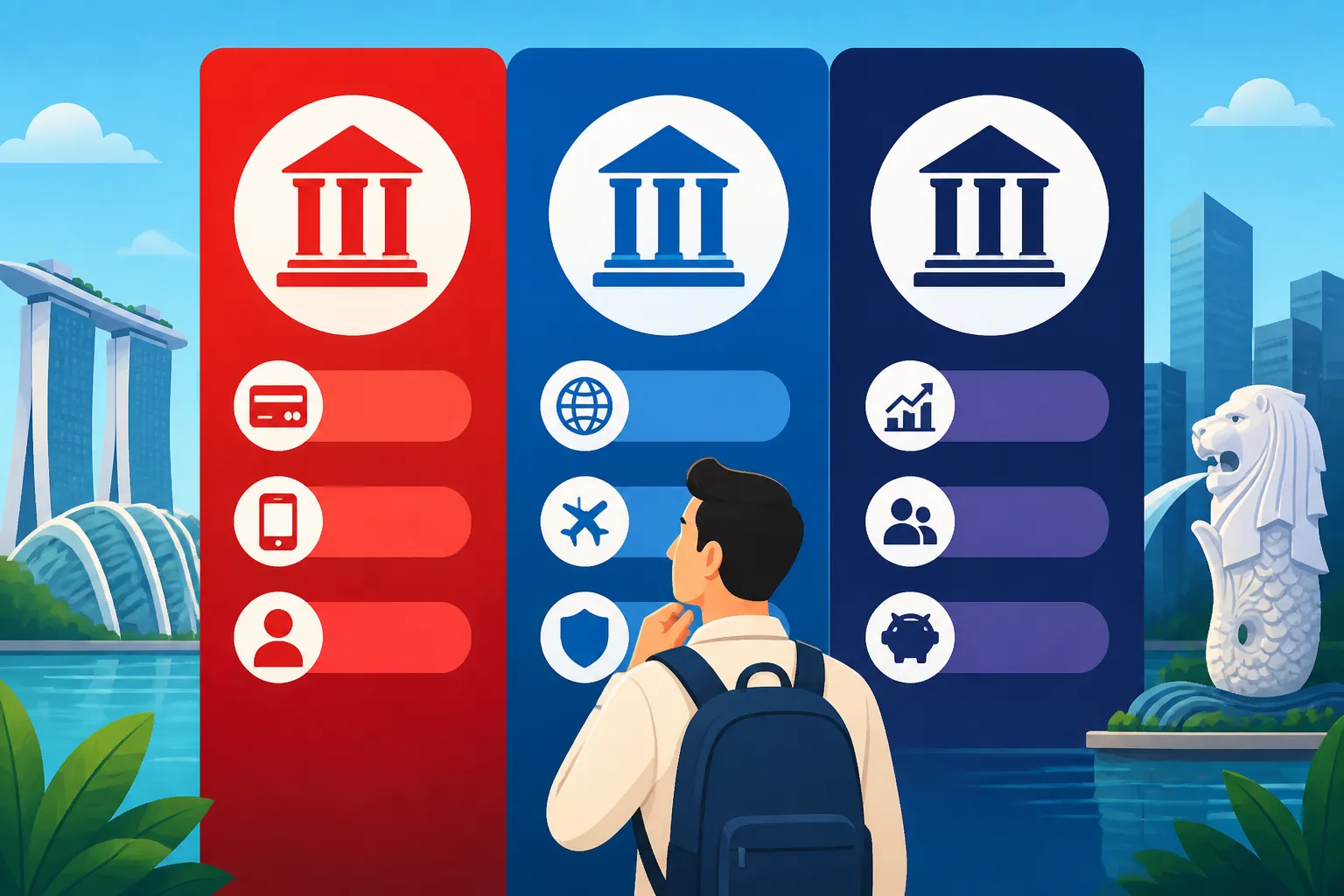
Ah, the grand old "which bank to choose" conundrum in Singapore! It's one of those initial hurdles that truly hits home when you've just landed, right? You're trying to figure out where to stash your hard-earned cash in a new country, surrounded by acronyms and regulations, and suddenly faced with three behemoths: DBS, OCBC, and UOB. It can feel like choosing between three very similar-looking durians, and you're not quite sure which one won't give you a headache. This guide is all about cutting through that confusion, offering an expat-centric comparison of these local banking giants so you can make an informed decision.
First Impressions: Opening an Account as an Expat
The very first step into Singapore's banking world often feels like a mini-quest. You've got your new Employment Pass in hand, maybe your tenancy agreement, and a hopeful glint in your eye, ready to set up your financial life. But navigating the specific requirements of each bank can be surprisingly different, and what seems straightforward on paper can sometimes be a bit of a dance in practice.
Required Documents and Initial Hurdles
No matter which bank you approach, expect to provide a standard set of documents. This usually includes your passport, your valid Employment Pass (EP) or Dependant's Pass (DP), and proof of your residential address in Singapore. The address proof can sometimes be tricky for newcomers; a tenancy agreement or a utility bill in your name is generally accepted. However, there are reports of cases where a bank statement from your home country or even a letter from your employer might be needed if you haven't secured a permanent address yet. DBS, being the largest, often has the most streamlined process, but even they can have specific demands. OCBC and UOB are generally similar, though some expats report slightly more stringent checks on the source of funds or a higher initial deposit requirement for certain account types. It's always best to call ahead or check their expat banking sections online to confirm the latest requirements. And trust me, bring more documents than you think you need – better safe than sorry!
Remote Account Opening and Pre-Arrival Options
One of the modern conveniences that has made life a tad easier for incoming expats is the ability to open an account before even stepping foot on the tarmac. Many of the banks, including DBS and OCBC, have started offering options for remote account opening, particularly for those with an In-Principle Approval (IPA) for their Employment Pass. This can be a huge relief, as it means you're not scrambling to get your finances sorted the moment you land. For instance, DBS often allows you to initiate the process online, submitting documents digitally, and then completing the verification once you're physically in Singapore with your EP card. OCBC also has specific online application processes for foreigners, sometimes even requiring a video call for verification. UOB offers similar services, though some users find their online portal a bit less intuitive. These pre-arrival options are fantastic for peace of mind, allowing you to hit the ground running without worrying about immediate access to local funds. Just be aware that these accounts might have certain limitations until full verification is complete, and international transfers often become fully functional only after you've completed the in-person checks. Remember, even with these digital steps, you might still need to eventually visit a branch for biometric verification or to collect your physical debit card, depending on the account type and bank. For a deeper dive into the broader requirements, you might want to read about Opening a Bank Account in Singapore: Required Documents for Foreigners.
Everyday Banking: Features and Digital Experience
Once you're past the initial hurdle of opening an account, the day-to-day experience is what truly matters. In a city as technologically advanced as Singapore, you'd expect seamless digital banking, and for the most part, you're not wrong. However, there are nuances between the big three that can impact your daily convenience.
Mobile Apps and Online Banking Interfaces
All three banks – DBS, OCBC, and UOB – offer robust mobile banking apps and online portals. DBS, with its "digibank" app, often leads the pack in terms of user experience and innovation. It’s generally intuitive, offers a wide range of functions from bill payments to investments, and integrates smoothly with other DBS services. Many expats find its interface clean and easy to navigate, especially for common tasks like checking balances, making local transfers via PayNow, or even setting up recurring payments. OCBC’s mobile app, "OCBC Digital," is also highly rated and has made significant strides in recent years. It boasts a sleek design and features like OCBC Life Goals, which helps you plan and track financial objectives. UOB's "UOB TMRW" app, while perfectly functional, sometimes gets feedback from users that it can be a bit less polished or occasionally clunky compared to its counterparts, though it's consistently improving. All apps support secure login via Singpass, facial recognition, or fingerprint ID, making transactions swift and safe. The integration with Singpass is particularly helpful for linking to various government services, streamlining administrative tasks in your new home. For those keen on understanding the digital identity system, consider reading Understanding Singpass: The Key to Digital Banking and Government Services.
ATMs, Branches, and Customer Service
When it comes to physical presence, you'll find DBS, OCBC, and UOB ATMs and branches virtually everywhere across the island. DBS, being the largest bank in Southeast Asia, boasts the most extensive network of ATMs and branches, making it incredibly convenient for cash withdrawals or in-person assistance, no matter where you live or work. OCBC also has a substantial footprint, especially in shopping malls and key residential areas. UOB's network is slightly smaller but still very comprehensive, ensuring you're never too far from a banking point.
However, the real differentiator can be customer service. In my experience, and based on what I hear from fellow expats, individual branch experiences can vary wildly, but generally, DBS aims for high efficiency, which can sometimes feel a bit impersonal. OCBC often gets praise for its more personalized approach, especially at their wealth management or premier banking desks. UOB's customer service tends to be reliable and steady, perhaps not as flashy as DBS's digital push, but often very helpful when you need it. For complex issues or specific expat queries, having an accessible customer service can make a world of difference. All banks offer phone banking and live chat support, with varying wait times depending on the hour and day.
Financial Services for Expat Lifestyles
Expats often have unique financial needs, from sending money back home to managing investments across borders. The local banks have adapted to cater to these requirements, but some do it better than others.
International Transfers and Foreign Currency Accounts
When you're earning in SGD but still have financial ties or family abroad, international money transfers become a regular part of your life. All three banks offer wire transfers, but the fees and exchange rates can differ. DBS and OCBC often provide competitive rates, especially for major currencies, and have integrated remittance services directly into their mobile apps, making it easier to send funds overseas. DBS's DBS Remit service is particularly popular for its speed and transparency for certain corridors. UOB also offers remittance services, but some users find the process a little less intuitive or the rates slightly less favourable compared to the other two.
However, many expats, myself included, often turn to dedicated multi-currency accounts or external services like Wise (formerly TransferWise) for better exchange rates and lower fees. These platforms are designed specifically for international transfers and often beat traditional bank rates, especially for smaller, more frequent transactions. Several expats choose to maintain their main transactional account with a local bank and use a service like Wise for all their international transfer needs to minimize costs. Banks like DBS and OCBC have also introduced their own multi-currency accounts that allow you to hold various currencies and convert them within the app, which can be useful for travel or managing overseas income without incurring constant conversion fees. The convenience of PayNow and FAST transfers for local transactions is a given for all three, but for cross-border, it pays to shop around or consider specialist providers. For a comprehensive look at your options, check out The Best Multi-Currency Accounts for Expats: Wise vs Revolut vs Banks.
Credit Cards and Loan Products
Building a local credit history can be a challenge for new expats, but all three banks offer credit card options tailored for foreigners. Initially, you might find yourself only eligible for secured credit cards (where you place a deposit with the bank) or cards with lower limits. However, with a stable income and a few months of banking history, you can typically apply for regular unsecured cards. DBS often has the widest range of credit cards, from cashback to air miles cards, catering to different spending habits. OCBC also has a strong card portfolio, with popular options for dining and travel. UOB offers a good selection too, often with attractive sign-up bonuses. The key here is to find a card that aligns with your lifestyle and offers benefits you'll actually use. Many expats, particularly those who travel frequently, look for cards with good foreign currency transaction rates or lounge access.
When it comes to personal loans or car loans, the process is similar. You’ll need a strong employment history and often a higher income bracket to qualify, especially as a non-permanent resident. The interest rates and approval criteria are quite competitive across DBS, OCBC, and UOB, so it's worth comparing offers directly. Remember that Singapore has strict regulations on lending, and banks will scrutinize your financial stability. Learning about Applying for a Credit Card in Singapore Without Local Credit History might be a useful resource here.
Investment Options and Wealth Management
Singapore is a global financial hub, and all three banks offer extensive investment and wealth management services. For basic needs, you can open a brokerage account to trade stocks, unit trusts, or ETFs through their platforms. DBS Vickers is a popular choice for brokerage services, often with a user-friendly interface for online trading. OCBC Securities and UOB Kay Hian also provide comprehensive trading platforms.
For expats with more substantial assets, the banks offer private banking and wealth management services. These services provide dedicated relationship managers, personalized financial advice, and access to a broader range of investment products, including structured products, bonds, and offshore investments. DBS Private Bank, OCBC Premier Banking, and UOB Private Bank are all reputable choices. They often cater to high-net-worth individuals and can help with estate planning, trusts, and tax-efficient investment strategies. It’s crucial to understand the fees involved with these services and to ensure your financial advisor truly understands your expat situation, including potential tax implications in your home country. For insights into the investment landscape, consider Investing in Singapore: Brokerages, Taxes, and Wealth Management. Many expats also find value in consulting independent financial advisors who specialize in international tax and investment for a more holistic view that might involve looking at their global assets, not just those in Singapore. You also might want to engage services like Taxes for Expats to help you manage your tax obligations both locally and in your home country, especially if you have complex investment portfolios.
The Nitty-Gritty: Fees, Charges, and Hidden Costs
Let's be honest, nobody likes unexpected fees. While Singaporean banks are generally transparent, it's easy to overlook small charges that can add up over time, especially when you're used to a different banking system.
Monthly Maintenance and Transaction Fees
Most basic savings accounts across DBS, OCBC, and UOB come with monthly maintenance fees if your balance falls below a certain minimum. This minimum balance typically ranges from S$500 to S$3,000, depending on the account type. If your balance dips below this, you could face a monthly fee of S$2 to S$5. While this might seem minor, it’s an unnecessary drain on your funds. It’s always wise to choose an account that suits your typical balance or one that waives these fees for a certain period for new customers. Many expat-friendly accounts or premier banking packages might waive these fees entirely, but they usually come with higher minimum balance requirements. Transaction fees for local transfers are virtually non-existent thanks to systems like PayNow and FAST, which offer instant, free transfers between banks. However, charges can arise from things like requesting paper statements (when digital is free), specific counter services, or using ATMs of other networks overseas.
FX Rates and International Transfer Charges
This is where the differences can really hit your wallet. As mentioned before, while all banks offer international transfers, their foreign exchange (FX) rates and transfer fees vary. Banks typically apply a markup on the interbank exchange rate, which is how they make money on currency conversions. This markup can be anywhere from 0.5% to 3% on top of a flat transfer fee (e.g., S$10-S$40 per transaction). OCBC and DBS have become quite competitive with their digital remittance services, often showing the fees and rates upfront, which is a big plus. UOB's fees are often comparable, but it's always worth checking the exact rate at the time of transfer, as they fluctuate.
For larger sums, even a small percentage difference in the exchange rate can mean a significant amount of money lost. This is precisely why many expats use dedicated services like Wise, which often provide mid-market rates with transparent, low fees. When comparing banks, don't just look at the transfer fee; pay close attention to the exchange rate they are offering for your specific currency pair. It's often buried in the fine print or only revealed when you initiate the transfer.
Here's a quick comparison of common fees (estimates only, always check current bank rates):
| Feature / Service | DBS (Approx. Expat-friendly account) | OCBC (Approx. Expat-friendly account) | UOB (Approx. Expat-friendly account) |
|---|---|---|---|
| Minimum Average Daily Balance | S$3,000 (Multiplier Account) | S$3,000 (360 Account) | S$3,000 (One Account) |
| Monthly Fall-Below Fee | S$5 | S$5 | S$5 |
| Local FAST/PayNow Transfers | Free | Free | Free |
| International Wire Transfer Fee (Online) | S$5 – S$35 (depending on corridor) | S$5 – S$40 (depending on corridor) | S$10 – S$40 (depending on corridor) |
| Foreign Currency Exchange Rate | Bank's prevailing rate + markup | Bank's prevailing rate + markup | Bank's prevailing rate + markup |
| ATM Withdrawal (Local) | Free | Free | Free |
| ATM Withdrawal (Overseas) | S$5 – S$10 + FX markup | S$5 – S$10 + FX markup | S$5 – S$10 + FX markup |
Note: These are indicative figures for common account types for expats and can change. Always consult the bank's official fee schedules.
Expat-Specific Considerations and Support
As an expat, you're not just a regular customer; you have a unique set of circumstances that a good bank should understand. This includes everything from language support to how your banking integrates with your new life in Singapore.
Dedicated Expat Desks and Language Support
While Singapore is an English-speaking country, sometimes it’s nice to have someone who truly understands the nuances of an international background. All three major banks have become increasingly aware of the expat market. DBS and OCBC, in particular, often have dedicated "international banking" or "premier banking" teams that are accustomed to dealing with foreign professionals. These teams can be invaluable when you have questions about specific visa requirements, international tax implications, or transferring funds to or from less common countries. While they might not be an "expat desk" in every branch, their knowledge base is often more extensive for complex expat scenarios. UOB also offers support, but some expats report that the dedicated service might be more prominent at their higher-tier wealth management levels. While all communications are predominantly in English, finding a relationship manager who speaks your native language, especially if it's a common expat language like Mandarin, Bahasa, or Hindi, is possible, particularly at the larger branches or for premier clients.
Integration with Government Services (Singpass)
One of the true beauties of banking in Singapore is its seamless integration with the national digital identity system, Singpass. All three banks leverage Singpass for secure login to their online banking portals and mobile apps, which simplifies multi-factor authentication. Beyond just logging in, your bank accounts are linked to your Singpass, which in turn connects to various government services, like paying taxes via IRAS, applying for permits, or accessing health records through HealthHub. This interconnectedness makes managing your life in Singapore incredibly efficient. For instance, when it’s time for tax filing, your income details might already be pre-filled thanks to your bank and employer’s reporting to IRAS, accessible via your Singpass. This level of digital integration is something new expats often find remarkably convenient after dealing with more fragmented systems elsewhere. If you're pondering Singapore Income Tax for Foreigners: IRAS Rules and Filing (2026), you'll quickly realize how integral Singpass and your local bank account are to the process.
Understanding Wealth Management and Financial Advice
For many expats, Singapore isn't just a place to work; it's also a place to grow their wealth. The local banks offer extensive wealth management services, from basic investment products to sophisticated portfolio management. However, it's crucial to understand the scope of their advice. While bank wealth managers are excellent at navigating Singaporean financial products and regulations, they might not always provide advice that considers your full international tax residency status or your long-term financial plans back in your home country.
This is where a holistic approach is vital. You might get great advice on Singapore-based investments from your bank, but it's often prudent to seek supplementary advice from independent financial advisors who specialize in cross-border wealth planning. Services like Taxes for Expats can be invaluable in ensuring your wealth strategy in Singapore doesn't inadvertently create tax headaches elsewhere. They can help you understand concepts like Double Taxation Agreements (DTAs) and how they apply to your specific situation. Discussing your comprehensive financial exit strategy, even years before you plan to leave, is also important. Knowing the implications of Financial Exit Strategy: Closing Accounts and Tax Clearance can save you a lot of hassle down the line.
Making Your Choice: Pros and Cons for Each Bank
Deciding which bank is "best" really depends on your individual needs and preferences. Each of the big three has its strengths and weaknesses from an expat perspective.
DBS: The Ubiquitous Local Giant
DBS is Singapore's largest bank, and its omnipresence is undeniable.
Pros:
- Extensive Network: Most ATMs and branches, meaning you're almost always near a DBS point.
- Digital Leader: Their digibank app is often considered the most user-friendly and feature-rich among the local banks, making everyday transactions a breeze.
- Streamlined Processes: Generally efficient for account opening, especially with pre-arrival options and quicker processing times for common requests.
- Competitive Remittance: DBS Remit is popular for its speed and transparency for international transfers to many corridors, competing well with external services on major currencies.
- Wide Product Range: Offers a vast array of credit cards, loan products, and investment options for various financial needs.
Cons:
- Can Feel Impersonal: Due to its sheer size, customer service can sometimes feel less personalized, especially if you're not a premier client.
- Crowded Branches: Their popularity means branches can sometimes have longer queues.
- Minimum Balance: Basic accounts often require maintaining a minimum balance to avoid fees, which can be a small annoyance for new arrivals.
OCBC: The Challenger with Digital Focus
OCBC has steadily grown and established itself as a strong contender, often applauded for its innovation and digital push.
Pros:
- Strong Digital Offering: The OCBC Digital app is highly regarded for its design and features, providing a very smooth user experience.
- Good Customer Service: Often gets feedback for being more personalized and attentive, particularly at premier banking levels.
- Innovative Products: Has been at the forefront of introducing new digital features and wealth management tools.
- Competitive International Transfers: Their remittance services are often very competitive, and their multi-currency account is a solid choice.
Cons:
- Slightly Smaller Network: While still extensive, its ATM and branch network is not quite as vast as DBS's.
- Account Opening Nuances: Some expats report that initial account opening can sometimes involve more detailed verification steps compared to DBS.
- Fewer Credit Card Options: While good, their credit card portfolio might not be as expansive as DBS's.
UOB: The Steady and Reliable Alternative
UOB often comes across as the more traditional and reliable choice, offering solid banking services without as much of the digital flash.
Pros:
- Reliable and Stable: A long-standing institution with a reputation for steady and trustworthy service.
- Good Product Range: Offers a comprehensive suite of banking products, including credit cards and investment options.
- Personalized Service (Mid-tier): Some expats find their relationship managers at mid-tier levels more accessible and helpful than at the larger banks.
Cons:
- Less Intuitive Digital Experience: The UOB TMRW app, while functional, can sometimes feel less modern or intuitive compared to DBS and OCBC.
- Fewer Expat-Specific Features: While they cater to expats, they might not have as many explicitly expat-centric features or dedicated services as their competitors.
- International Transfer Rates: While competitive, their FX rates and fees for international transfers might sometimes be slightly less favorable than the other two or external providers like Wise.
Ultimately, the best bank for you will depend on whether you prioritize digital convenience, extensive physical access, personalized service, or specific product offerings. Many expats even choose to open accounts with two different banks – for instance, one for everyday transactions and another for investments – to leverage the best of both worlds. Whatever your choice, remember that diligent research and understanding the fine print are your best friends in navigating Singapore's banking landscape.
Disclaimer
Please note that the information provided in this guide is for general informational purposes only and does not constitute financial advice. Banking products, fees, and regulations can change, and individual eligibility criteria vary. Always consult with the respective banks directly for the most accurate and up-to-date information regarding their services for expatriates. We recommend seeking independent financial advice tailored to your specific circumstances.