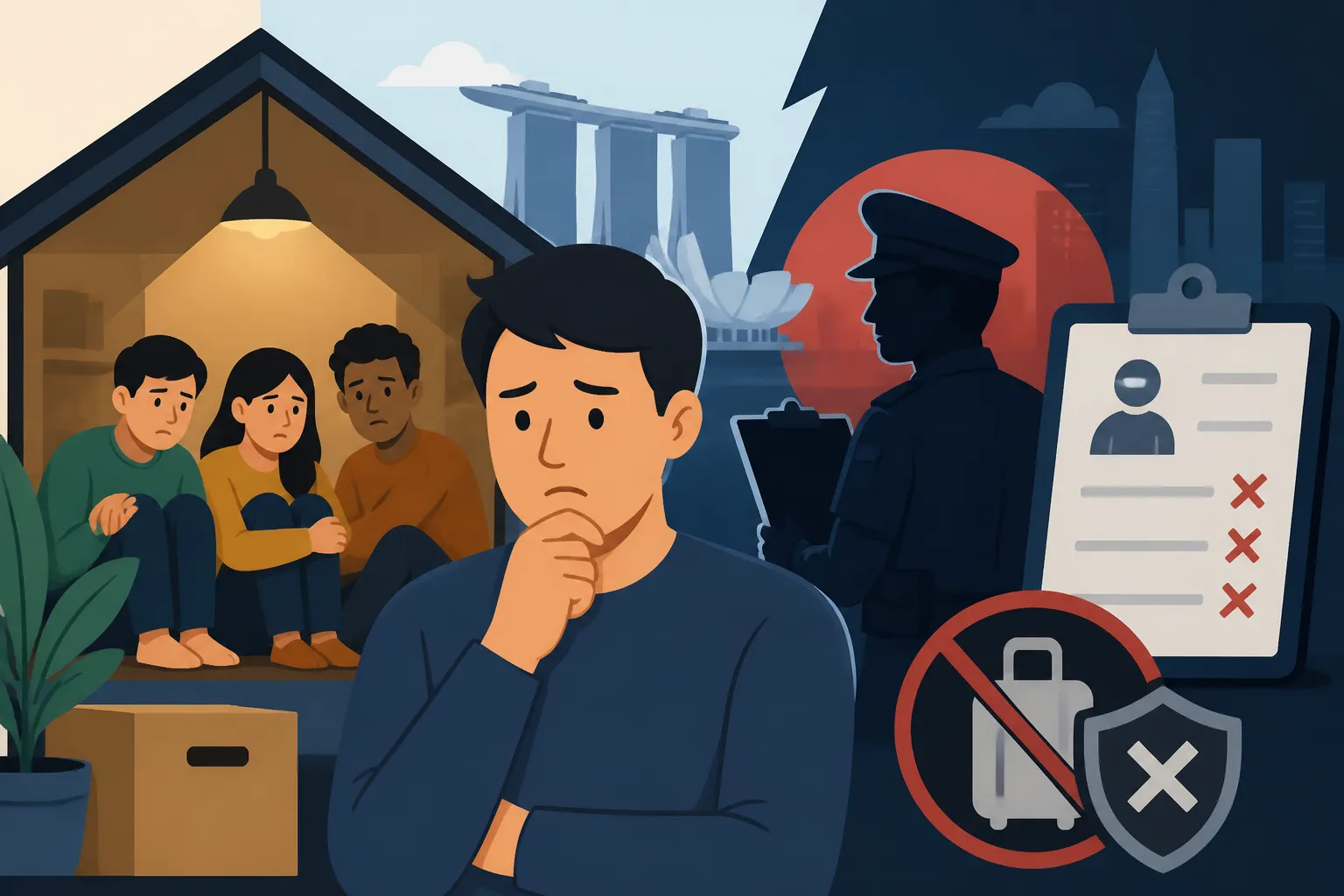
How Immigration Offenses (Harboring Overstayers) Affect Your Status
Living in Singapore as an expat can be an incredible journey, full of new experiences and opportunities. But let's be real: this city-state also has some of the strictest laws in the world, and that extends to immigration. One wrong move, even an unintentional one, can throw your entire life here into disarray, especially if it involves something as serious as harboring an overstayer. This guide isn't here to scare you, but to provide a realistic, no-holds-barred look at how immigration offenses, particularly the act of harboring someone who has overstayed their welcome, can profoundly affect your status, your future, and your peace of mind in Singapore.
Understanding Singapore's Strict Immigration Laws
Singapore's approach to immigration is often described as firm but fair, focusing heavily on maintaining order and national security. For us expats, it means knowing the rules inside out, because ignorance is rarely an excuse when you're dealing with the Immigration & Checkpoints Authority (ICA) or the Ministry of Manpower (MOM). The regulations around visas, passes, and length of stay are incredibly clear, and they apply to everyone, regardless of nationality.
What Constitutes an Immigration Offense?
When we talk about immigration offenses, most people immediately think of overstaying their visa, which is indeed a serious issue. However, the scope is far broader. It can include anything from working without the proper permit – yes, even if it's just a few hours of freelance work on a Dependant's Pass without the proper Letter of Consent (LOC) – to providing false information in a visa application. These aren't minor infractions; they're violations of the Immigration Act, which carries significant penalties.
Other common offenses that catch expats off guard might include not updating your residential address with MOM within 14 days, or even minor things like not carrying your identity card when required. But among these, acts that facilitate or aid someone else in breaching immigration rules are viewed with particular gravity. These are seen as directly undermining Singapore's border control and legal framework.
The Specifics of "Harboring an Overstayer"
Now, let's get to the crux of it: "harboring an overstayer." This isn't just a legal term; it's a very real and serious accusation. In Singapore, you are considered to be harboring an immigration offender if you knowingly provide shelter or assistance to someone who has overstayed their visa or pass, or who is otherwise an unlawful immigrant. This can happen in many ways, some of which might seem innocuous on the surface but are highly illegal under Singaporean law.
Imagine a friend from back home visits you on a Short-Term Visit Pass and, for whatever reason, decides to stay longer than allowed. Perhaps they had a flight cancellation, an emergency, or simply miscalculated their departure date, and they come to you for help. If you let them stay in your spare room, even for a few days, after their visa has expired, you are technically harboring an overstayer. The "knowingly" part is critical here. It means you were aware, or reasonably should have been aware, that their legal period of stay had elapsed.
This also applies to situations like subletting. If you're renting a condo and decide to sublet a room to someone without verifying their immigration status, or worse, you find out they've overstayed and still allow them to remain, you're exposing yourself to severe legal repercussions. The ICA explicitly warns against this. Your landlord might also have strict clauses in your tenancy agreement that prohibit subletting without approval, let alone to individuals who don't have legal residency. Even if you're just providing a couch for a night or two, if you know they're an overstayer, you're treading on very dangerous ground.
Why Singapore Takes These Offenses So Seriously
Singapore is a small island nation with limited resources and a very clear vision for its population and workforce. Maintaining tight control over who enters, who stays, and for how long is fundamental to its societal stability, public health, and economic planning. Unlawful immigration, including overstaying, can strain public services, distort the labor market, and pose security risks.
Therefore, the authorities come down hard on anyone who attempts to circumvent these rules, and especially on those who assist others in doing so. Harboring an overstayer is seen not just as a breach of administrative rules but as an act that actively undermines the nation's sovereignty and rule of law. The message is clear: everyone must play by the rules, and aiding someone in breaking them will not be tolerated. This stringent stance ensures that Singapore remains one of the safest and most orderly places to live, but it also means that expats must be extraordinarily careful.
The Far-Reaching Consequences for Expats
When you're found to be involved in an immigration offense, particularly harboring an overstayer, the consequences can be life-altering, extending far beyond a simple fine. It can unravel years of carefully built life here, affecting your career, finances, and even your ability to return to Singapore in the future.
Legal Penalties: Fines, Imprisonment, and Caning
The penalties for harboring an overstayer are no joke. Under the Immigration Act, if convicted, you could face:
- Fines: Substantial monetary penalties, often ranging from several thousand to tens of thousands of Singapore dollars.
- Imprisonment: A jail term is very common, potentially up to two years, or even more for repeat offenders.
- Caning: This is perhaps the most shocking to expats from Western countries, but caning (judicial corporal punishment) is a very real possibility for male offenders aged 16 to 50, in addition to fines and imprisonment.
Imagine receiving such a sentence – it's not just a blot on your record; it's a complete disruption of your life, impacting everything from your job to your personal relationships. This is why understanding these laws is not just good practice, but essential self-preservation.
Impact on Your Immigration Status
Beyond the immediate legal penalties, your immigration status in Singapore will be severely jeopardized.
- Employment Pass (EP) / S Pass / Dependant's Pass (DP) Holders: If you're on any of these work or family passes, a conviction for an immigration offense will almost certainly lead to its cancellation. You'll likely be ordered to leave the country, sometimes with a very short notice period. This also means you'll have to deal with the process of Canceling Your Work Pass: The 30-Day Short Term Visit Pass (STVP) Grace Period. This isn't just about losing your job; it's about losing your right to live and work in Singapore.
- Permanent Residents (PR): For PRs, the stakes are even higher. A serious offense like this can lead to the revocation of your Permanent Resident status. This is a devastating blow, as it means losing access to Medisave, CPF, and all the long-term benefits you've built up. It can also impact any future hopes of Singapore Citizenship Journey: Naturalization Process and Reality.
- Future Visa Applications: Even if you manage to avoid immediate deportation, a conviction will permanently stain your immigration record with Singapore. This will make it extremely difficult, if not impossible, to secure any type of visa or pass to re-enter Singapore in the future. You could be blacklisted, meaning even a tourist visa might be out of reach. Think about Re-entering Singapore on a Tourist Visa Shortly After Canceling an EP – this scenario becomes exponentially harder.
Financial and Reputational Damage
The legal and immigration consequences are just the beginning. The financial fallout can be immense.
- Legal Fees: Engaging legal counsel to defend yourself against such serious charges is expensive, often running into tens of thousands of dollars.
- Loss of Income: If your pass is revoked, you lose your job and income. This means scrambling to manage your finances, potentially needing to use services like Wise to quickly transfer funds home or cover unexpected expenses.
- Relocation Costs: If you're forced to leave, you'll incur significant costs for last-minute flights, shipping your belongings, and finding a new place to live in another country. Services like Sirelo, which help find movers, become essential in such a chaotic period, but the unplanned nature adds stress and cost.
- Reputational Harm: A criminal record, especially one involving immigration offenses, can severely damage your professional and personal reputation. Future employers, especially those requiring international background checks, will see this. It can affect your ability to get jobs in other countries too.
The stress of dealing with ICA investigations, potential arrest, legal proceedings, and the uncertainty of your future in Singapore is immense. It's a heavy price to pay for what might have started as a simple act of kindness or a lack of due diligence.
Real-Life Scenarios and How to Avoid Them
It’s easy to think, "That would never happen to me," but these situations often arise from seemingly innocent circumstances. Understanding the common pitfalls can help you steer clear of trouble.
Common Pitfalls Leading to Accusations
Let's look at how expats sometimes unknowingly get into this mess:
- The "Friend in Need" Scenario: A common one. Your friend's visa expires, they have no place to go, and you offer your couch. You might genuinely believe you're helping them out of a tight spot, but if you do so after their legal stay has ended, you're complicit. This is especially tricky if they plead with you, promising to leave "tomorrow" or "next week." The moment their pass expires, they are an overstayer, and you are taking a risk.
- Subletting Without Proper Checks: You have a spare room in your condo, and you want to earn some extra cash. You advertise it online. A potential tenant seems nice but cannot provide a valid long-term pass. Or they show you a pass that looks legitimate, but you don't actually verify its validity with MOM's online tools. Or, worst case, you accept cash under the table and don't even bother to check their status at all. If that person turns out to be an overstayer, you're in hot water. Remember the Understanding the URA 8-Person Occupancy Limit for Condos (Valid to 2028) rules – this is also about maintaining proper housing regulations, which tie into immigration control.
- Casual Acquaintances and Business Deals: Sometimes, expats get involved in informal business arrangements or social circles where they meet individuals who hint at being in immigration limbo. Perhaps someone asks to use your address for mail, or needs a place to store their luggage. If these seemingly minor requests enable an overstayer to continue their unlawful stay, you could be implicated. The line between helping and harboring can be very thin in Singapore.
Due Diligence and Practical Steps to Protect Yourself
Protecting yourself requires proactive vigilance and a healthy dose of skepticism, especially in a transient expat community.
- Verify Immigration Status: Always, always ask to see proof of legal immigration status before offering accommodation to anyone you don't know intimately. This means a valid Employment Pass, Dependant's Pass, Student Pass, or Long-Term Visit Pass. For tourists, check their passport entry stamp to confirm their permitted length of stay. If you're unsure, ask to see their Singpass details and verify through official government portals if possible. Most tenants should be able to show you their passes or digital equivalent.
- Know Your Tenants: If you're subletting, ensure you have a proper written agreement and gather copies of all their immigration documents. Make it clear that their continued stay is contingent on maintaining legal status. Don't fall into the trap of informal arrangements. Even if it's a friend, be firm about checking their papers.
- Educate Yourself: Familiarize yourself with basic immigration rules. Understand that most tourist visas allow for 30 or 90 days, and extensions are not guaranteed. Be aware of the rules for Short-Term Visit Passes and Tourist Visas: Extensions and Rules. Don't assume others are as informed as you are, or that they will be honest about their status.
- Maintain Records: If you rent out a room, keep meticulous records of your tenant's identity and immigration documents. This can be crucial evidence if you ever need to prove your due diligence.
What to Do If You Suspect Someone is an Overstayer
This is a tough one, as it often involves people you know or have some connection with. But your priority must be to protect yourself and ensure you're not breaking the law.
- Do NOT Offer Shelter: If you suspect someone has overstayed or is about to, do not offer them a place to stay. It's a hard truth, but your own freedom and future are at stake.
- Advise Them to Report to ICA: Strongly urge the individual to report themselves to the ICA immediately. The penalties for voluntary surrender are often less severe than for those who are caught. They might be able to apply for an extension, but they need to do it before their pass expires, or present themselves to ICA if they've already overstayed.
- Seek Advice, Not Action: If you're really in a moral dilemma, you can discreetly seek legal advice for yourself without incriminating anyone. However, if you are certain someone is an overstayer and they refuse to leave, you might have a legal obligation to report it, or at the very least, ensure they are not on your property. This might feel like a betrayal, but the alternative can lead to devastating personal consequences.
- Financial Assistance: If your friend needs financial help to leave the country, consider providing assistance that doesn't involve housing them illegally. You could, for example, help them book a flight, or use services like Wise to send money to them once they are in their home country, but avoid anything that extends their illegal stay in Singapore.
Navigating the Aftermath: Legal Advice and Future Implications
If you find yourself in the terrifying situation of being investigated or charged with an immigration offense, it’s a critical moment that requires swift, decisive action.
Seeking Legal Counsel Immediately
This is not a situation to handle alone or to take lightly. As soon as you suspect you might be in trouble, or if you're contacted by the authorities:
- Engage a Lawyer: Find an experienced criminal defense lawyer in Singapore immediately. Do not speak to the authorities without legal representation. A local lawyer will understand the nuances of the Immigration Act, the ICA's procedures, and can advise you on your rights and the best course of action. They can also explain exactly what Managing Medical Disputes: Patient Rights and Filing Complaints means in this context, even if it's unrelated to a medical issue, but about your general rights as a charged individual.
- Understand Your Rights: Your lawyer will guide you on what you should and should not say, and how to conduct yourself during questioning. Remember, anything you say can be used against you.
- Prepare for the Process: Be prepared for a potentially lengthy and stressful legal process, including interviews, investigations, and possibly court appearances.
The Long-Term Impact on Future Visa Applications
A conviction for an immigration offense will undoubtedly have a lasting impact on your ability to return to Singapore. Even if you serve your sentence or pay your fine, your record with the ICA will be flagged.
- Entry Ban: It's highly probable you will be subject to an entry ban, preventing you from visiting or living in Singapore for a significant period, potentially permanently.
- Global Impact: Singapore has robust immigration data sharing with many countries. A serious immigration offense here could potentially affect your visa applications to other nations that view immigration integrity with similar gravity. This can be a rude awakening for expats who thought "it's just a fine."
- Renouncing PR: If you're a PR and your status is revoked, you will need to understand the process for Renouncing Singapore PR: Withdrawing CPF Funds and Consequences and prepare for a complete departure.
Preparing for Departure or Re-integration
If the outcome of your situation is that you must leave Singapore, the logistics can be overwhelming, especially under duress.
- Financial Planning: Ensure all your financial affairs are in order. Close bank accounts if necessary, settle any outstanding bills, and plan for transferring funds abroad. You'll want to review Financial Exit Strategy: Closing Accounts and Tax Clearance to ensure you don't leave any loose ends. A multi-currency account from a provider like Wise can be invaluable for managing funds during this transition, allowing you to convert your SGD to your home currency with transparency and lower fees.
- Logistics of Moving: Arrange for the packing and shipping of your belongings. This is where services like Sirelo, which can help you compare moving companies, become essential. You'll likely be doing this under significant time pressure and emotional stress, so having a streamlined process is key.
- Tax Clearance: Before you leave, your employer (if applicable) will need to complete the tax clearance process with IRAS, typically through Form IR21. Understand The Tax Clearance Process When You Resign and Leave Singapore to ensure you meet all obligations.
Navigating immigration laws in Singapore requires constant awareness and strict adherence. While the expat community is often about support and connection, when it comes to legal matters, especially immigration, protecting yourself must always be the top priority.
| Offense Category | Description | Potential Penalties (General) | Impact on Expat Status |
|---|---|---|---|
| Overstaying | Remaining in Singapore beyond the permitted period of stay. | Fine, imprisonment, caning (for males), deportation, entry ban. | Immediate cancellation of passes, deportation, blacklisting. |
| Harboring an Overstayer | Knowingly providing shelter/assistance to an unlawful immigrant. | Fine (S$2,000-S$10,000+), imprisonment (up to 2 years), caning (for males). | Pass cancellation, PR revocation, deportation, permanent entry ban. |
| Working Without a Valid Pass | Engaging in employment without an EP, S Pass, Work Permit, or LOC. | Fine (up to S$20,000), imprisonment (up to 2 years). | Immediate pass cancellation, deportation, blacklisting. |
| False Information | Providing untrue details in visa/pass applications. | Fine (up to S$10,000), imprisonment (up to 12 months), caning (for males). | Application rejection, pass cancellation, severe credibility loss. |
| Abetting an Offense | Aiding or encouraging another person to commit an immigration offense. | Similar to the primary offense (fine, imprisonment, caning). | Pass cancellation, PR revocation, deportation. |
Disclaimer
The information provided in this guide is intended for general informational purposes only and does not constitute legal advice. While we strive to provide accurate and up-to-date information, immigration laws and their interpretations can change. It is crucial to consult with a qualified immigration lawyer or the official Immigration & Checkpoints Authority (ICA) and Ministry of Manpower (MOM) websites for personalized advice and the most current regulations applicable to your specific situation. Relying solely on general information without professional legal consultation is at your own risk.