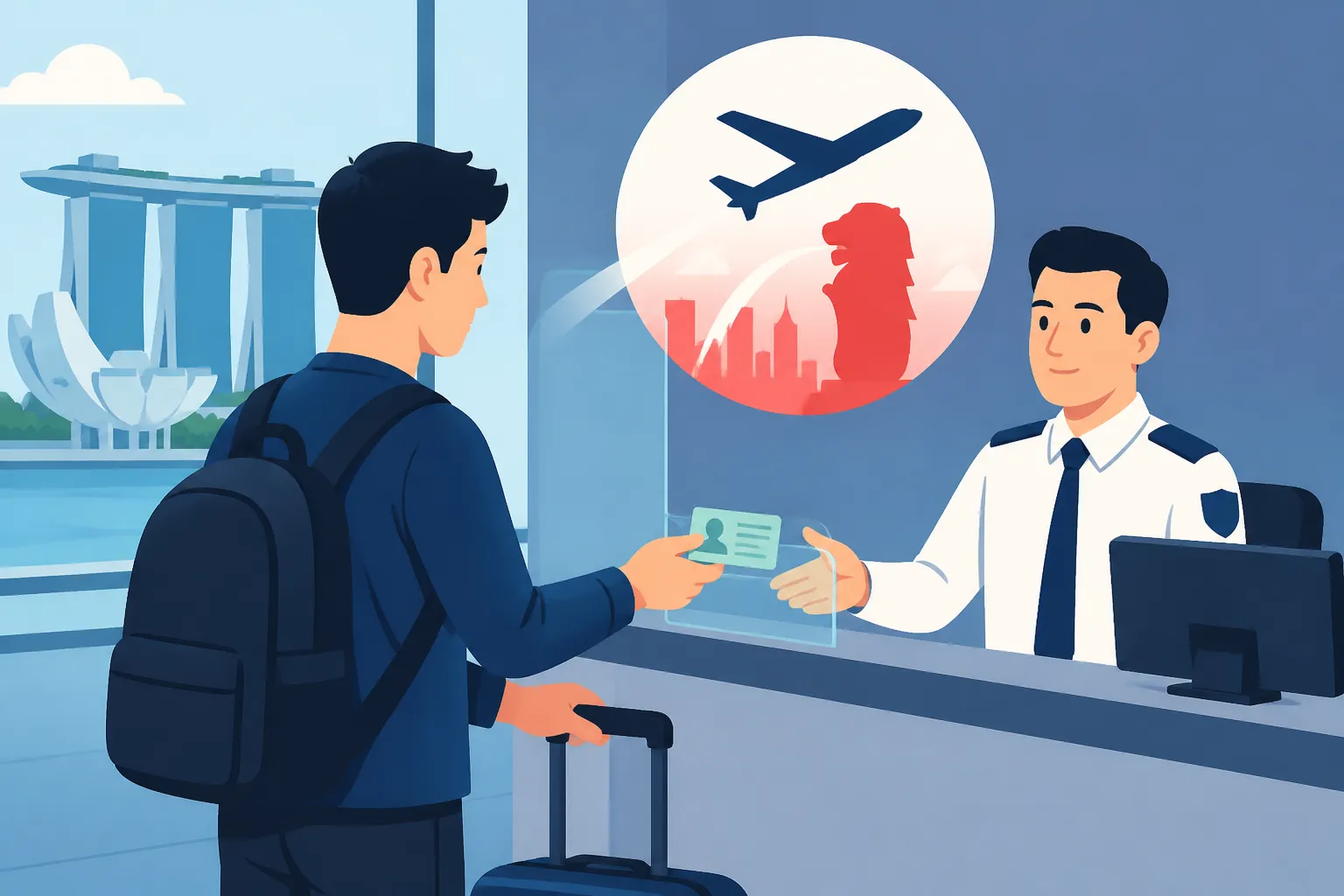
Leaving Singapore: Handing Over Your Green Card at Immigration Checks
Leaving Singapore can feel like a whirlwind of emotions – excitement for what's next, sadness to leave friends, and, let's be honest, a good dose of administrative anxiety. Among the myriad tasks, one that often brings a moment of pause at the airport is the requirement to surrender your physical Employment Pass (EP) or Dependant's Pass (DP) card, often affectionately (or sometimes not-so-affectionately) dubbed your "green card." This guide aims to demystify that final, crucial step at immigration, ensuring your departure is as smooth as possible.
Understanding Your "Green Card" The Employment Pass (EP)
For many of us who've called Singapore home, our Employment Pass (EP) isn't just a piece of plastic; it's been our golden ticket to life here. It’s what allowed us to work, open bank accounts, sign rental agreements, and pretty much integrate into the fabric of daily life. When the time comes to leave, understanding its significance in the departure process is paramount. It’s not just a formality; it’s a legal requirement that ties into your official exit from the country.
What Is the EP and Why Is It Important at Departure?
Your Employment Pass, or any other long-term pass like a Dependant's Pass (DP), S Pass, or Long-Term Visit Pass (LTVP), is your official permission to reside and work (if applicable) in Singapore for an extended period. It's issued by the Ministry of Manpower (MOM) or the Immigration & Checkpoints Authority (ICA) and, for many, it’s a physical card, often green in colour, hence the common moniker "green card."
At departure, the significance of this card shifts from being your entry key to your exit receipt. When your employment ceases, your employer is legally obligated to cancel your work pass with the MOM. This cancellation initiates a process where your official right to reside in Singapore is revoked. Surrendering the physical card at immigration serves as the final, tangible proof that you acknowledge this cessation of status and are officially leaving the country. It closes the loop on your immigration record, signaling to the authorities that you've fulfilled your obligations and are no longer considered a long-term resident. Failing to surrender it can lead to complications, even if you don't intend to return immediately.
The Legal Obligation to Surrender Your Pass
It might feel like a minor detail amidst packing and farewells, but the requirement to surrender your physical pass is not merely a suggestion; it's a legal obligation under Singaporean immigration laws. Once your pass is cancelled by MOM, you are typically granted a Short-Term Visit Pass (STVP) for a period, usually 30 days, to sort out your affairs and depart. This STVP is a temporary measure, and during this time, your EP or DP card effectively becomes null and void.
The moment you present yourself at immigration for your final departure, you are expected to hand over this cancelled pass. This act officially completes your immigration clearance. The authorities need to reconcile their records, verifying that the individual to whom the pass was issued has indeed left the country and returned the document that granted their stay. It’s part of maintaining a robust and orderly immigration system, ensuring accountability for all foreign nationals. Trying to hold onto it as a souvenir, or simply forgetting, can cause unnecessary delays and might even flag you in their system for future entries.
Different Types of Passes and Their Handover Procedures
While the Employment Pass (EP) is the most common "green card" expats refer to, Singapore issues several other long-term passes, and their departure procedures are largely similar, though the issuing authority might differ slightly.
- Employment Pass (EP): Issued by MOM. Your employer initiates the cancellation. You must surrender the physical card at immigration upon departure.
- Dependant's Pass (DP): Also issued by MOM, tied to an EP holder. The EP holder's employer typically cancels the DP concurrently with the EP. The DP holder must also surrender their card at immigration. Imagine a scenario where a spouse on a DP decided to stay longer after the EP holder left – this is generally not allowed without obtaining a separate, valid pass.
- S Pass: Issued by MOM for mid-skilled foreign employees. Similar to EPs, your employer cancels it, and you surrender the physical card when you leave.
- Long-Term Visit Pass (LTVP): Issued by ICA for various reasons, such as for spouses of Singaporean Citizens/PRs, or parents of EP/DP holders. If your LTVP is no longer valid (e.g., if the sponsoring family member leaves, or your marriage ends), the ICA will typically instruct you on the cancellation and surrender process. You might receive a specific letter or instruction from ICA to surrender it at their building or at immigration upon departure.
- Student Pass: Issued by ICA. When a student completes their studies or withdraws, their school notifies ICA, and the pass is cancelled. Students are generally required to surrender their pass at the ICA building before departure or at immigration upon exit.
In all cases, the underlying principle is the same: the physical document representing your long-term residency permission must be returned to the authorities upon your final departure from Singapore. This ensures that the records are kept clean and accurate, both for your benefit and for the integrity of Singapore's immigration system. It's best to confirm the exact process with your employer or the relevant authority (MOM/ICA) if you have any doubts, especially for less common pass types or unique circumstances. You can find detailed information on topics like Leaving Singapore: Pass Cancellation and Immigration Exit Steps for a more comprehensive overview of the administrative process.
The Practicalities of Handing Over Your Pass
The thought of that final walk through immigration can be nerve-wracking enough, especially with all the memories flooding back. Adding the task of handing over your beloved (or sometimes reviled, after a bad day at work!) green card can feel like an extra layer of stress. But in practice, it’s usually a very straightforward process. Knowing exactly when and where to do it, and what to do if things don't go perfectly, can save you a lot of last-minute panic.
When and Where to Surrender Your Physical Card
The standard procedure for surrendering your physical Employment Pass, Dependant's Pass, or S Pass card happens at the immigration checkpoint when you physically depart Singapore. This typically means at Changi Airport for most expats, or at the land checkpoints if you're leaving by bus or car to Malaysia.
Here's how it usually plays out at Changi Airport:
- Check-in and Baggage: You’ll complete your airline check-in and drop off your luggage as usual.
- Immigration Clearance: You’ll proceed to the immigration gates. For many years, foreigners exiting Singapore would interact with an immigration officer at a counter. You would present your passport, and then hand over your physical pass card to the officer. They would scan it, perhaps make a note, and you’d be on your way.
- Automated Gates (e-Gates): Increasingly, Singapore uses automated immigration clearance (e-Gates) for eligible travellers, including many departing Employment Pass holders. If you use an e-Gate for departure, the gate itself will typically prompt you to insert your physical pass card into a slot before it opens. Follow the on-screen instructions carefully. Once inserted and processed, the gate will open, and your card is surrendered electronically. This is often a quicker and more streamlined process.
It's crucial to have your pass card readily accessible with your passport when you reach immigration. Don't bury it deep in your carry-on or checked luggage (which would be a problem if you’ve already dropped your bags!). A common scenario that causes a brief moment of anxiety is when a family is departing, and the Dependant's Pass holder might assume the EP holder will handle everything. But each individual must surrender their own pass. So, make sure every family member has their respective card ready.
Remember, the moment you hand over that card, your legal status as a long-term resident officially ends. This is why it’s important to have completed all other necessary administrative tasks beforehand, such as tax clearance or closing your utilities account.
What Happens if You Lost Your Card or Forgot It?
This is a common worry, and thankfully, it's usually manageable, though it might involve a little extra hassle.
If you lost your card before your departure date:
The official advice from MOM and ICA is to report a lost card immediately. You can typically do this online through the MOM portal or by visiting the ICA building. You might be issued a replacement card, or simply advised that your record has been updated, and you can proceed to depart as scheduled. However, be prepared for a potential fee for the lost card. The key is not to wait until the last minute. Reporting it promptly ensures that the authorities are aware, and your departure won't be held up unnecessarily. If you've been searching for information on What Happens When You Lose Your Physical Employment Pass Green Card, you'll find more in-depth advice there.
If you forgot your card on your departure day (e.g., left it at home, or accidentally packed it in checked luggage):
Don't panic, but be prepared for a slight delay.
- At a manned counter: Explain the situation to the immigration officer. They have ways to verify your identity and check your status in their system. They might ask you to sign a declaration or provide additional details. While it might take a few extra minutes, they generally understand that mistakes happen. The aim is to ensure you are the legitimate pass holder and that you are indeed departing.
- At an e-Gate: If the e-Gate doesn't process without the card, you'll need to go to a manned counter. There's usually an officer nearby who can assist or direct you.
In both scenarios, the officers can typically verify that your pass has been cancelled by MOM (your employer would have done this) and that you are indeed departing the country. The biggest inconvenience is the potential delay or the need to fill out some additional paperwork. It’s highly unlikely you’d be denied departure, but it’s best to avoid this situation by doing a final check before heading to the airport.
The Post-Cancellation Grace Period (STVP)
Once your employer cancels your Employment Pass, Dependant's Pass, or S Pass, you are generally issued a 30-day Short-Term Visit Pass (STVP). This isn't a physical card, but an official notification, often sent to you or your employer via email or letter. This grace period is a lifeline, allowing you sufficient time to tie up loose ends before you must leave Singapore.
During this 30-day STVP, you are technically a visitor in Singapore. This means:
- No longer permitted to work: Your employment rights cease immediately upon pass cancellation, even if you are within the STVP period.
- Time for arrangements: You can use this period to pack up your home, sell furniture, close bank accounts, complete The Tax Clearance Process When You Resign and Leave Singapore, say your goodbyes, and arrange for your onward travel.
- Strict Departure Deadline: It's absolutely crucial to depart Singapore before your STVP expires. Overstaying, even by a single day, can lead to severe penalties, including fines, imprisonment, and even caning for serious infractions. This could also negatively impact any future applications to enter Singapore.
While 30 days might seem ample, the administrative tasks, especially if you have a household to dismantle, can quickly pile up. Don't underestimate the time it takes to properly sort everything out. Remember, the STVP is a courtesy, not an entitlement to extend your stay indefinitely. If for some truly unavoidable reason you need to extend your STVP (e.g., a medical emergency), you must apply for an extension with the ICA well in advance of its expiry date. Don't just assume you can stay. More insights on this can be found in Canceling Your Work Pass: The 30-Day Short Term Visit Pass (STVP) Grace Period.
Essential Steps Before You Leave
Handing over your green card is the final act of your administrative exit, but it's preceded by a flurry of other crucial tasks. Ignoring these can lead to lingering issues, financial penalties, or even difficulties if you ever wish to return to Singapore. Think of your departure as a meticulously choreographed dance, not just a spontaneous sprint to the airport.
Tax Clearance and Other Administrative Must-Dos
Before you even think about stepping foot into Changi Airport for the last time, there's a whole checklist of items you need to tick off. The most critical among them for anyone earning an income in Singapore is tax clearance.
- Tax Clearance (IR21): This is non-negotiable. Your employer is legally obliged to notify the Inland Revenue Authority of Singapore (IRAS) about your cessation of employment and apply for tax clearance on your behalf. They will typically withhold your final salary and any bonuses until the IRAS issues a "clearance certificate." This ensures you've paid all your due taxes. You should not plan to leave Singapore until this process is well underway, if not completed. Failure to do so can result in serious penalties for both you and your former employer. The process can take several weeks, so factor this into your departure timeline. You can delve deeper into this by reading The Tax Clearance Process When You Resign and Leave Singapore.
- Cancelling Utilities & Internet: Don't leave your SP Group or internet provider accounts open. You'll need to notify them of your move-out date and settle all outstanding bills. Many providers allow you to schedule a final reading and account closure online. If you have any deposits, ensure you’ve provided valid bank details for their return, although repatriating funds can sometimes be complex, so perhaps consider using a service like Wise.
- Closing Bank Accounts: While it’s possible to keep your Singapore bank account open after you leave (especially if you intend to return or have ongoing financial ties), it's often simpler to close it if you no longer need it. Be aware of minimum balance requirements to avoid fees if you do keep it open. If you have substantial funds to repatriate, consider using specialist services like Wise for international transfers to get competitive exchange rates and lower fees compared to traditional banks. This is especially useful for Keeping Your Singapore Bank Account Open After Relocating Abroad if you still need to transfer money out later.
- Rental Deposit Return: Ensure you’ve conducted your final inspection with your landlord or agent and sorted out the return of your security deposit. Document everything with photos and videos to avoid disputes.
- Membership Cancellations: Gyms, clubs, subscriptions – cancel them all! You don't want to be paying for a Virgin Active membership when you're halfway across the world.
These steps, while seemingly mundane, prevent financial headaches down the line and ensure a clean break from your life in Singapore.
Preparing for Your Final Immigration Check
Your final immigration check is not just about handing over your card; it’s about confirming your identity and ensuring you’re leaving in good standing.
- Passport Validity: This might sound obvious, but ensure your passport is valid for at least six months beyond your departure date, especially if your destination country requires it for entry. While Singapore won't stop you from leaving with a soon-to-expire passport, your airline or destination country might.
- Boarding Pass: Have your physical or electronic boarding pass ready. Immigration officers will want to see proof of your onward travel.
- The Green Card: As discussed, keep your physical EP/DP/S Pass readily accessible. Don't fumble for it at the last minute.
- Departure Card (if applicable): While Singapore has largely moved to electronic arrival/departure cards for many nationalities, some might still need to fill one out. Check current requirements on the ICA website before your flight.
- No Outstanding Issues: Ensure you have no outstanding fines, court appearances, or other legal entanglements. Singapore is very strict, and immigration checks can flag these issues, potentially delaying your departure or worse. Will Traffic Fines or Parking Tickets Prevent My PR Application Approval or my exit? While unlikely to block exit per se, it could cause a delay to settle it before you go. Settle everything.
A calm and prepared demeanor always helps. Immigration officers are simply doing their job to ensure orderly exits and entries.
Managing Logistics: Shipping and Financials
Leaving Singapore often involves moving your entire life, which comes with its own set of logistical and financial considerations.
- Shipping Your Belongings: Whether it's just a few boxes or an entire household, planning your shipping well in advance is crucial. Services like Sirelo can help you find reputable international movers from Singapore, compare quotes, and navigate customs requirements for your destination country. Don't leave this to the last minute, as good movers get booked, and international shipping takes time. Consider whether air freight or sea freight makes more sense for your timeline and budget.
- Repatriating Funds: After settling all your local bills, you'll likely have remaining funds in your Singapore bank account that you need to transfer to your new home country. This is where services like Wise shine. They offer transparent exchange rates and often significantly lower fees compared to traditional banks for international money transfers. It’s also important to understand Repatriating Funds: Tax Implications in Your Home Country as your home country might have rules about how large sums of money are brought in.
- Final Paycheck & Benefits: Double-check with your employer when your final salary, any outstanding annual leave payout, or severance will be processed. Ensure this aligns with your tax clearance timeline.
- Emergency Funds: Always have some cash (SGD and your destination currency) on hand for any unexpected expenses during transit or upon arrival in your new country. Better safe than sorry!
Embarking on this next chapter of your life means closing the Singapore chapter completely, both physically and administratively. Taking the time to handle these details ensures that your farewell to the Lion City is as graceful as your arrival once was.
| Task | Recommended Action | Timing |
|---|---|---|
| Employment Pass Cancellation | Employer notifies MOM; receive STVP. | Immediately after notice period / last day. |
| Tax Clearance (IR21) | Employer files with IRAS; ensure all taxes settled. | Up to 1 month before departure. |
| Close Utilities (SP Group) | Notify SP Group, settle final bill, arrange deposit refund. | 2-3 weeks before departure. |
| Close / Manage Bank Accounts | Close unnecessary accounts; transfer funds using Wise. | 1-2 weeks before departure. |
| Rental Deposit & Lease Termination | Final inspection, clear outstanding dues, secure deposit return. | On or before lease end date. |
| Cancel Memberships/Subscriptions | Notify gyms, clubs, streaming services, etc. | As soon as departure date is firm. |
| Arrange International Shipping | Get quotes (e.g., via Sirelo), pack, schedule pick-up. | 4-8 weeks before departure (sea); 2-3 weeks (air). |
| Passport & Travel Documents Check | Ensure passport validity, confirmed flights, necessary visas for next destination. | Ongoing; final check 1 week before departure. |
| Prepare Physical Pass for Handover | Keep EP/DP/S Pass readily accessible with passport. | On departure day. |
| Clear All Fines/Legal Issues | Settle any outstanding parking tickets, library fines, etc. | Well in advance of departure. |
Disclaimer
The information provided in this guide is for general informational purposes only and does not constitute legal, financial, or immigration advice. While we strive to provide accurate and up-to-date information, rules and regulations in Singapore can change rapidly. Always consult with the relevant official authorities (e.g., MOM, ICA, IRAS) or qualified professionals for advice tailored to your specific situation before making any decisions related to your departure from Singapore.


