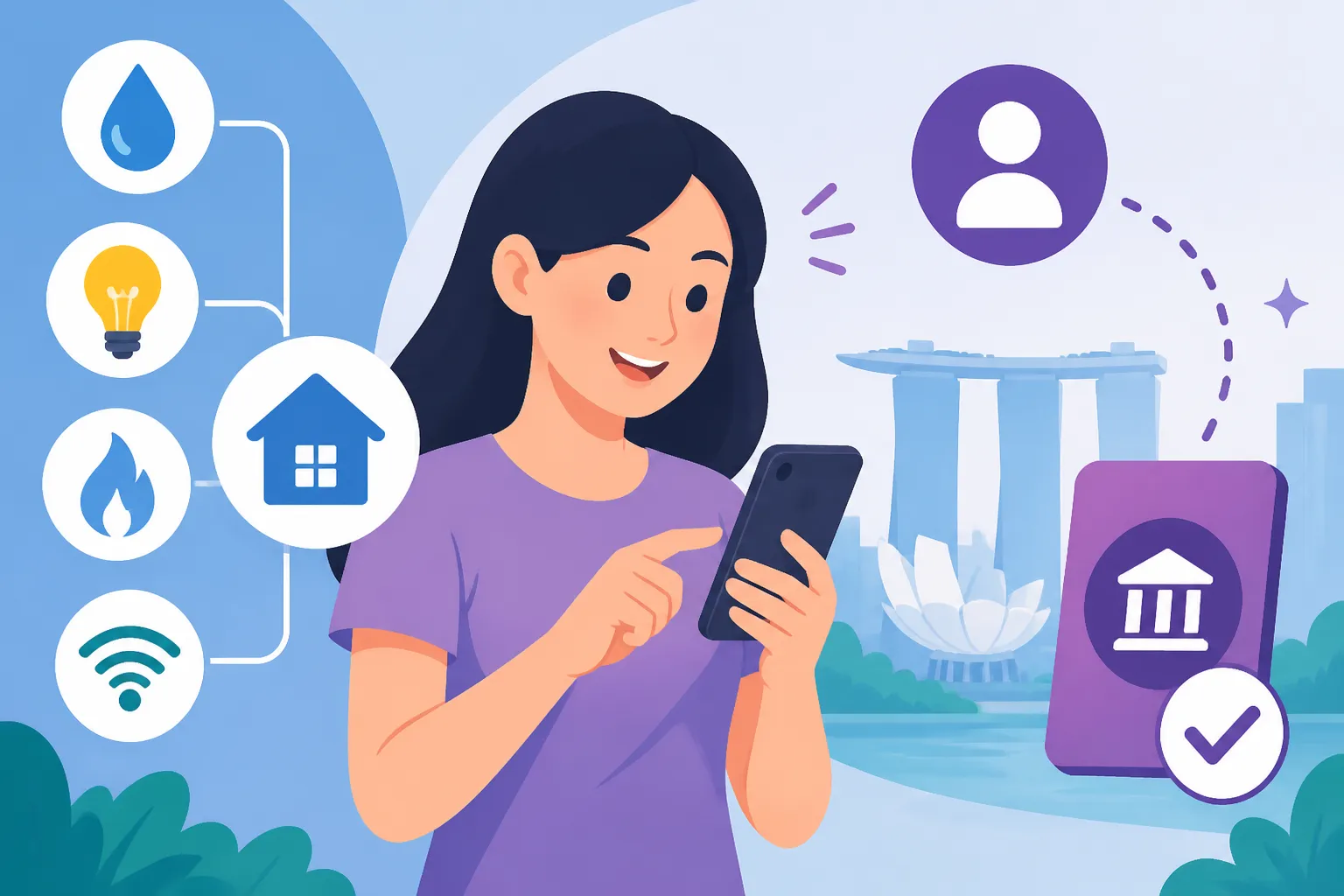
Setting Up Utilities and Bills: Navigating GIRO and PayNow
Alright, let's talk about one of the first, often bewildering, hurdles you face when planting your feet in Singapore: getting those utilities and bills sorted. It’s not just about flipping a switch; it's about navigating acronyms like GIRO and PayNow, understanding which accounts you need, and generally feeling like you're not missing some crucial step in this highly efficient, yet sometimes opaque, system. This guide is here to walk you through exactly how to set up your essential household services and manage your payments without losing your mind.
The Initial Hurdle: Getting Your Singapore Household Running
When you first arrive, the sheer number of things to set up can feel overwhelming. Finding your apartment, dealing with immigration, figuring out where to buy groceries – it’s a lot. And then comes the practical stuff: electricity, water, gas, internet. It's often where the real "expat initiation" begins, as you learn the local systems from scratch.
Setting Up Your SP Group Account: The Essentials
Let’s kick off with the biggest one: SP Group. Think of them as the gatekeepers to your basic creature comforts here. They manage electricity, water, and piped gas services for almost every household in Singapore. Unlike some countries where you might have competing utility providers for each service, SP Group is your one-stop shop for these core essentials. This centralization can be a blessing, but it also means understanding their process is paramount.
When I first moved here, I distinctly remember the relief of finally having a roof over my head quickly replaced by the panic of a dark apartment with no running water. It's not a voluntary service you can choose to ignore; it’s a necessity. To get started, you'll need to apply for a utilities account. The good news is that the process has become much more streamlined over the years. You can apply online through the SP Group website, which is often the quickest and most convenient method. You’ll need a few key documents ready to upload or input: your passport details, your Employment Pass (EP) or Dependant’s Pass (DP) information, and crucially, your Tenancy Agreement for your new home. This agreement proves you're the rightful occupant and responsible for the bills. They’ll also ask for a start date, which should ideally align with your lease commencement.
Another critical step is paying an initial security deposit. This deposit varies depending on your residential property type (HDB flat, condo, or landed property) and your residency status (Singapore Citizen/PR vs. Foreigner). As an expat, you'll typically pay a higher deposit, often around two to four times your estimated monthly bill, which acts as a safeguard for SP Group. Don't worry, this isn't a fee you lose; it’s refundable when you eventually close your account, provided all your bills are paid. However, it does mean a chunk of cash is tied up upfront, so factor that into your initial moving expenses. The account setup typically takes a few business days, and once activated, your meters will be read, and you'll start getting those lovely bills. For a more detailed breakdown of what to expect, you might find this guide on Setting Up SP Group: Electricity, Water, and Refuse Collection Fees particularly helpful.
Choosing an Electricity Retailer: Beyond SP Group
Now, while SP Group handles the delivery of electricity, the game changed a few years ago with the introduction of the Open Electricity Market (OEM). This was a fantastic development for consumers because it meant we finally had a choice in who sells us our electricity. Before the OEM, SP Group was the sole retailer, which meant no competition on price. With the OEM, various private electricity retailers entered the market, offering different plans and pricing structures.
This means you’re not stuck with SP Group's regulated tariff for your electricity portion of the bill. You can shop around for potentially cheaper plans from companies like Geneco, Keppel Electric, Sembcorp Power, or Tuas Power, among others. The power still comes through SP Group's infrastructure, so reliability isn't an issue, but the pricing and customer service might differ. For example, some retailers offer fixed-price plans, where your rate per kilowatt-hour (kWh) remains constant for the contract duration (e.g., 12 or 24 months). This offers predictability, shielding you from potential fluctuations in the regulated tariff. Others might offer a "discount off regulated tariff" plan, where your rate is always a certain percentage below the current SP Group tariff, meaning your price fluctuates with the market but is always cheaper than the standard.
It's definitely worth doing your homework on this, especially if you're planning a longer stay. A quick comparison can lead to significant savings over a year. Websites like Open Electricity Market's own portal allow you to compare plans side-by-side. Just make sure to read the fine print on contract length, early termination fees, and any promotional bundles they might offer. It can feel like a lot of numbers to crunch, but a little effort here pays off. If you want to dive deeper into making the most of these choices, check out this article on Choosing an Open Electricity Market (OEM) Retailer to Lower Bills.
Internet and Mobile: Staying Connected in the Little Red Dot
In Singapore, staying connected isn't just a convenience; it's a way of life. From navigating public transport to ordering food, everything relies on a stable internet connection and a reliable mobile phone plan. Luckily, the infrastructure here is excellent, offering fast speeds and competitive packages.
Picking Your Internet Service Provider (ISP)
Once your physical utility services are squared away, the next digital essential is your home internet. Singapore boasts a highly developed fiber broadband network, meaning you can expect fast and reliable internet almost anywhere on the island. The main players in the ISP market are Singtel, StarHub, MyRepublic, and M1. Each of these providers offers a range of plans, typically differing in speed (e.g., 1 Gbps, 2 Gbps), contract length (usually 12 or 24 months), and sometimes bundled services.
When choosing an ISP, consider your household's usage habits. If you're a single expat primarily streaming and browsing, a 1 Gbps plan is usually more than sufficient. For families with multiple devices, heavy gaming, or those working from home with video conferences, a 2 Gbps plan might offer that extra peace of mind. Beyond speed, look at the contract terms. Shorter contracts offer flexibility if you're uncertain about your long-term stay, but often come at a slightly higher monthly cost. Longer contracts might lock you into a better rate. Also, be aware of any promotional bundles. Often, ISPs will try to entice you with packages that include mobile phone lines, cable TV (though less common now with streaming services), or even home phone lines. Evaluate if these bundles genuinely offer value or if you're paying for services you don't need.
The setup process usually involves scheduling an installation appointment with a technician who will come to your home to connect the fiber optic cable and set up your Wi-Fi router. Most new condos and HDBs are pre-wired for fiber, making installation relatively straightforward. It’s worth noting that sometimes you might need to buy your own Wi-Fi router, or the ISP might provide a basic one, with options to upgrade. Don't underestimate the importance of a good router, especially in a larger apartment, to ensure consistent Wi-Fi coverage. For more insights on the various providers, take a look at our guide on Internet Providers in Singapore: Singtel, StarHub, and MyRepublic Fiber.
Mobile Phone Plans: SIM-Only vs. Contract
Getting a local mobile number is one of the first things many expats do. It’s essential for everything from registering for banking services to using ride-hailing apps. You essentially have two main options: a SIM-only plan or a traditional contract with a handset.
SIM-only plans are incredibly popular among expats, especially those who bring their unlocked phones from home. These plans offer maximum flexibility, usually on a rolling 30-day or 12-month basis, with no commitment to buying a new phone. They typically come with a generous data allowance, talk time, and SMS, often at a very competitive price. This option is fantastic if your stay in Singapore might be shorter or if you simply prefer not to be tied down to a lengthy contract. Most major telcos (Singtel, StarHub, M1) offer SIM-only plans, alongside newer digital mobile virtual network operators (MVNOs) like GOMO (by Singtel), giga! (by StarHub), or MyRepublic Mobile, which often provide even more attractive data-centric packages.
Traditional contract plans involve signing up for a 12 or 24-month agreement that often subsidizes the cost of a new smartphone. While this might seem appealing, especially for the latest iPhone or Samsung Galaxy, do the math carefully. Singapore’s competitive SIM-only market often means you can buy a phone outright and still save money over the life of a contract, especially if you're not planning to stay for the full contract duration. Plus, if you leave early, you'll be on the hook for early termination fees or the remaining cost of the subsidized handset. Regardless of which you choose, you'll need your passport and Employment Pass/Dependant’s Pass to register for a local number. This also links your number to your FIN (Foreign Identification Number), which becomes crucial for services like PayNow. For a deeper dive into these options, read our article on Mobile Phone Plans: SIM-Only Contracts vs Handset Subsidies.
GIRO: Your Best Friend for Hassle-Free Bill Payments
Now that you've got your services set up, let's talk about how to pay for them without the constant nagging feeling that you're going to miss a due date. This is where GIRO comes in, and trust me, it’s a game-changer for any expat navigating life in Singapore.
What is GIRO and Why Expats Should Use It
GIRO stands for General Interbank Recurring Order. In simple terms, it's a direct debit authorization service that allows organizations (like SP Group, your internet provider, or even your landlord) to automatically deduct payments from your bank account on a scheduled basis. For expats, this is nothing short of a lifesaver. Moving to a new country means a new currency, new banking systems, and a whole new set of billing cycles. Remembering every due date for your electricity, water, internet, mobile, and even school fees can become a huge mental load.
Newcomers will know the panic of realizing a bill was due yesterday. Late payment penalties can add up, and let's be honest, who needs that extra stress? GIRO eliminates this entirely. Once set up, your bills are paid automatically on their due date, ensuring you never incur late fees due to forgetfulness. It’s reliable, secure, and incredibly convenient. It frees up your mental bandwidth to focus on more important things, like exploring new hawker centers or planning your next weekend getaway.
How to Set Up GIRO for Your Bills
Setting up GIRO is a relatively straightforward process, although it does involve a bit of initial paperwork or online navigation. The method can vary slightly depending on the organization you’re setting it up with.
For major utility providers like SP Group or your internet/mobile provider, you can usually apply online through their respective portals or your bank's internet banking platform. You'll typically need your bank account details (bank name, account number), your NRIC or FIN (Foreign Identification Number), and the specific bill reference number for the service you want to link. For example, for SP Group, you’d need your 10-digit utilities account number. The online application often guides you through an authorization process with your bank, which might involve a secure login via Singpass (more on that later!) or a physical form that needs to be submitted to your bank.
If you opt for a physical form, you can usually download it from the service provider's website or pick one up at their customer service centres. You fill it out, sign it, and then either mail it to your bank or drop it off at a bank branch. The bank then processes the authorization with the billing organization. This process usually takes a few business days to a couple of weeks for full activation, so don't wait until the last minute. Continue paying your bills through other means until you receive confirmation that your GIRO arrangement is active. Once it's set up, you'll usually see "GIRO" indicated on your monthly statements, confirming the automatic deduction. If you're looking to simplify your banking life, setting up a local account is the very first step; this guide on How to Open a Bank Account in Singapore: Required Documents for Foreigners is a great resource. You can even set up GIRO for recurring payments like rent – our article on How to Set Up a GIRO Payment for Your Monthly Condo Rent covers this in detail.
Managing Your GIRO Payments
Once your GIRO arrangements are active, the beauty is that they mostly run themselves. However, it’s still good practice to keep an eye on your bank statements each month to ensure the correct amounts are being deducted and that no unexpected charges appear. This helps you reconcile your expenses and catch any discrepancies early.
One scenario to be aware of is having insufficient funds in your account on the deduction date. If a GIRO deduction fails due to lack of funds, you'll typically be charged a late payment fee by the billing organization and possibly a failed transaction fee by your bank. The billing organization will then usually re-attempt the deduction a few days later, or you might need to make a manual payment to cover the outstanding amount. It’s always best to ensure you have sufficient funds in your account, especially around your usual billing dates.
If you ever need to cancel or amend a GIRO arrangement, you can usually do so through your bank's internet banking portal or by submitting a form directly to the bank. This might be necessary if you switch service providers, move houses (and thus close your SP Group account), or simply want to change your payment method. Just remember to ensure any outstanding bills are settled and to set up a new payment method promptly if you're cancelling an essential service.
PayNow: Instant Transfers in a Cashless Society
While GIRO handles your recurring, predictable payments, PayNow is the answer to instant, everyday transactions. Singapore is rapidly moving towards a cashless society, and PayNow is a major driver of that shift.
Understanding PayNow and Its Widespread Use
PayNow is a peer-to-peer (P2P) funds transfer service available to customers of participating banks in Singapore. What makes it so revolutionary is its simplicity: you can send and receive money instantly by linking your bank account to your mobile number, NRIC/FIN, or even a Unique Entity Number (UEN) for businesses. This means no more fumbling with bank account numbers or SWIFT codes for local transfers. You just need a recipient's registered mobile number or FIN, and the money is transferred in seconds.
I remember when PayNow first rolled out, and suddenly, splitting a bill at a hawker centre or paying a friend back for tickets became incredibly easy. It's truly ubiquitous here now. Many hawker stalls and small businesses display QR codes that you can scan with your banking app to make payments directly via PayNow. It's also widely used among friends, family, and even for minor services. The speed and security of PayNow mean it's quickly become the preferred method for many everyday transactions, significantly reducing reliance on cash or even physical credit cards for smaller amounts. For a comprehensive look at how these instant transfers work, you'll definitely want to read PayNow and FAST Transfers: How Singapore Moves Money Instantly.
Registering for PayNow as an Expat
To use PayNow, you first need a local bank account with one of the participating banks (DBS/POSB, OCBC, UOB, Citibank Singapore, HSBC, Maybank, Standard Chartered Bank, or ICBC). Once you have your bank account, you can register for PayNow through your bank's mobile banking app or internet banking portal.
The process usually involves linking your bank account to your FIN (Foreign Identification Number) and/or your Singapore mobile number. Many banks will prompt you to do this automatically when you set up your mobile banking. You'll typically log in to your banking app using your Singpass (another indispensable digital tool for expats – more on that in Understanding Singpass: The Key to Digital Banking and Government Services), navigate to the PayNow registration section, and simply confirm your details. It's usually a one-time setup that takes just a few minutes. Once registered, you’re ready to send and receive funds instantly. It simplifies everything from paying for your kopi at the kopitiam to receiving money from friends after a shared meal.
Practical Applications of PayNow Beyond Friends
While often used for splitting bills with friends, PayNow has much broader applications, making it incredibly useful for expats. Many small businesses, particularly at hawker centres, wet markets, and local shops, have adopted PayNow QR codes. This means you don't always need cash, which is great for hygiene and convenience.
Beyond small vendors, some larger service providers and even government agencies now accept PayNow. For example, you might be able to pay certain utility bills directly through PayNow if the provider offers this option, though GIRO remains the primary method for recurring utility payments. You can also use it for paying private tutors, cleaning services, or even for certain taxi or private hire car services if the driver accepts it. For expats, this means fewer trips to the ATM and greater flexibility in managing daily expenses. It integrates seamlessly into the digital ecosystem, reflecting Singapore's forward-thinking approach to financial transactions.
Other Bill Payment Methods and Important Considerations
While GIRO and PayNow cover a vast majority of your payment needs, it's good to be aware of other methods and some general best practices for managing your finances here.
Credit Cards and Online Banking Portals
Credit cards remain a popular way to pay bills, especially for those who want to earn rewards points, cashback, or air miles. Many utility providers, telcos, and other service companies accept credit card payments through their online portals or apps. If you're looking to maximize your benefits, choosing the right credit card can be strategic. However, applying for a credit card as a newcomer can sometimes be a challenge without a local credit history. Our article on Applying for a Credit Card in Singapore Without Local Credit History provides excellent tips on navigating this.
Most local banks also offer robust online banking portals and mobile apps with dedicated sections for bill payments. These often allow you to add "payees" (the companies you pay regularly) and make one-off or recurring payments directly from your checking or savings account. This offers another layer of convenience, especially if you prefer to retain manual control over each payment rather than relying solely on GIRO. These platforms are generally very secure, incorporating two-factor authentication for transactions.
Cash, Cheques, and AXS Stations
While Singapore is increasingly cashless, cash still has its place, especially at smaller, independent hawker stalls that might not have PayNow or card readers. For utility bills, paying with cash or cheque at a post office or specific payment counters is still an option, though less common for expats who prefer digital convenience. Cheques are almost a relic for most daily transactions, but you might still encounter them for large payments like security deposits for rent, though digital bank transfers are now more prevalent.
AXS stations are a network of self-service kiosks found across Singapore, typically in shopping malls, community centers, and even some MRT stations. They offer a physical touchpoint for paying various bills, government fines, top-ups, and more. While GIRO and online banking usually suffice, AXS stations can be incredibly handy for specific payments that might not be integrated into your bank's online bill payment list or for situations where you prefer a physical receipt. They are user-friendly and support payments via NETS, credit/debit cards, and PayNow QR codes for certain transactions. For newcomers, understanding these kiosks can be a lifesaver, and our guide on Paying Bills Using AXS Stations: A Quick Guide for Newcomers will walk you through it.
Monitoring Your Bills and Avoiding Late Fees
No matter which payment method you choose, it's crucial to adopt a disciplined approach to monitoring your bills. Even with GIRO, it's wise to review your statements. Set up e-billing with your service providers so statements are sent to your email, reducing paper clutter and ensuring you receive them promptly.
Consider creating a simple spreadsheet or using a budgeting app to track your monthly expenses and upcoming bill due dates. Many banking apps also offer push notifications for upcoming payments or successful GIRO deductions. The consequences of late payments in Singapore can range from minor late fees to service disconnection, especially for utilities. While a single late payment usually won't lead to immediate disconnection, repeated failures can, leading to significant hassle and reconnection fees. A little proactive monitoring goes a long way in avoiding these unnecessary headaches.
Budgeting and Financial Planning for Utilities in Singapore
Understanding the actual cost of living, especially for utilities, is vital for managing your finances as an expat in Singapore. It's easy to underestimate these recurring expenses, particularly if you're coming from a country with vastly different pricing structures.
Typical Monthly Utility Costs for Expats
Singapore’s tropical climate means air conditioning is often a heavy user of electricity, and this is typically the largest component of your utility bill. While it's hard to give exact figures as usage varies wildly, here's a general idea for a condo or HDB flat:
- Electricity: For a 3-bedroom condo, heavy aircon users might see bills ranging from S$150 to S$300 or even higher during peak usage months (May/June are notoriously hot!). For lighter users or smaller HDBs, it could be S$70-S$150.
- Water: Generally quite reasonable, typically S$30-S$60 for a small family or couple.
- Gas (piped): If you use piped gas for cooking, expect S$10-S$30. Many apartments use electric stoves, so this might be zero.
- Internet: A 1 Gbps fiber broadband plan typically costs S$39-S$59 per month.
- Mobile: SIM-only plans range from S$18-S$40, depending on data and talk time.
So, a rough total for a couple in a moderate-sized apartment with moderate AC usage could be anywhere from S$250 to S$500+ per month for all essential utilities. These figures are broad estimates, and your actual costs could be higher or lower depending on your consumption habits, apartment size, and efficiency of your appliances. For a more detailed breakdown that includes utilities, see our Cost of Living for a Single Expat: Monthly Budget Breakdown guide. Our article Utilities Cost: Why Is My SP Group Electricity Bill So High in May? also offers insights into seasonal fluctuations and factors impacting your bill.
Strategies to Save on Utility Bills
Being mindful of your consumption can lead to noticeable savings. Here are a few tips:
- Air Conditioning Management: This is your biggest lever. Set your AC to 25°C or 26°C and use a timer to turn it off after a few hours or during cooler parts of the day. Clean your AC filters regularly for optimal efficiency.
- LED Lighting: Switch to LED bulbs, which consume significantly less electricity and last longer.
- Unplug Electronics: "Vampire drain" from electronics left on standby can add up. Unplug chargers and appliances when not in use.
- Water Conservation: While water is relatively inexpensive, conscious usage helps. Take shorter showers, fix leaks promptly, and only run washing machines or dishwashers with full loads.
- Review Mobile and Internet Plans: Periodically check if your current plans are still the most competitive. The market changes rapidly, and new deals often emerge. Don't be afraid to call your provider or switch if you find a better offer elsewhere.
- Overseas Money Transfers: While not directly a utility bill, managing your overall finances helps. If you're regularly sending money home or receiving funds from overseas, using services like Wise can help you save on exchange rates and transfer fees, freeing up more of your Singapore dollar income for your living expenses. It’s all part of a holistic financial strategy as an expat. Similarly, understanding your tax obligations and optimizing them through resources like Taxes for Expats can significantly impact your disposable income, allowing you more flexibility in managing daily costs, including utilities.
Navigating Common Expat Bill Headaches
Even with all the information, new expats often encounter a few unique challenges when it comes to managing bills. It's normal to feel a bit lost sometimes – you're in a new country with new rules, after all!
Understanding Unfamiliar Charges
One of the most common "headaches" is simply understanding your first few utility bills. They can look quite different from what you're used to back home. For instance, your SP Group bill will clearly break down charges for electricity, water, and if applicable, piped gas, along with a refuse collection fee. You might also see charges related to market adjustments or specific government environmental initiatives.
Don't hesitate to contact SP Group's customer service if something doesn't look right or if you simply don't understand a particular line item. They have English-speaking representatives who can walk you through your bill. Similarly, with your internet or mobile bill, promotions might expire, or data overage charges might appear if you exceed your plan's limits. Always review your statements carefully, especially in the first few months, to catch any unexpected costs. It’s a learning curve, but once you get the hang of it, these bills become second nature.
Dealing with Account Transfers and Moving Houses
One day, you might decide to move to a new apartment within Singapore, or even leave the country entirely. This means closing or transferring your utility accounts, and it requires a bit of planning to avoid issues.
If you're moving within Singapore, you'll typically need to inform SP Group of your move-out date for your old address and your move-in date for your new address. They can facilitate a transfer of your account, ensuring a smooth transition of services. You'll get a final bill for your old address, and a new billing cycle will begin at your new place. Be sure to give them ample notice, usually at least a few business days, to avoid any service interruptions. You'll also need to update your internet and mobile providers with your new address.
If you're leaving Singapore for good, the process is a bit more involved. You'll need to formally close all your utility and telco accounts. Again, give sufficient notice. For SP Group, once your account is closed and all final payments are made, your security deposit will be refunded to your designated bank account (ensure you keep your local bank account open for this, even if you’ve started your Financial Exit Strategy: Closing Accounts and Tax Clearance process). For internet and mobile contracts, be mindful of any early termination fees if you're ending a contract before its natural expiry. It's always best to read your contract's terms and conditions regarding early termination to avoid unexpected charges. Plan these closures in advance to ensure a hassle-free departure.
Navigating the setup of utilities and bills in Singapore might seem like a daunting task at first, filled with new terminology and processes. But take a deep breath! With systems like GIRO and the widespread adoption of PayNow, Singapore offers incredibly efficient ways to manage your household expenses once you're set up. It’s a small learning curve, but once you’ve got these basics down, you’ll find that life here is surprisingly seamless. Welcome to the digital age of bill paying!
Disclaimer
The information provided in this guide is for general informational purposes only and does not constitute financial, legal, or professional advice. While we strive to keep the information accurate and up-to-date, regulations, policies, and market offerings in Singapore can change rapidly. Always consult official sources, relevant government agencies, or qualified professionals for specific advice tailored to your personal circumstances. We are not responsible for any actions taken based on the information presented herein.