Setting Up SP Group: Electricity, Water, and Refuse Collection Fees
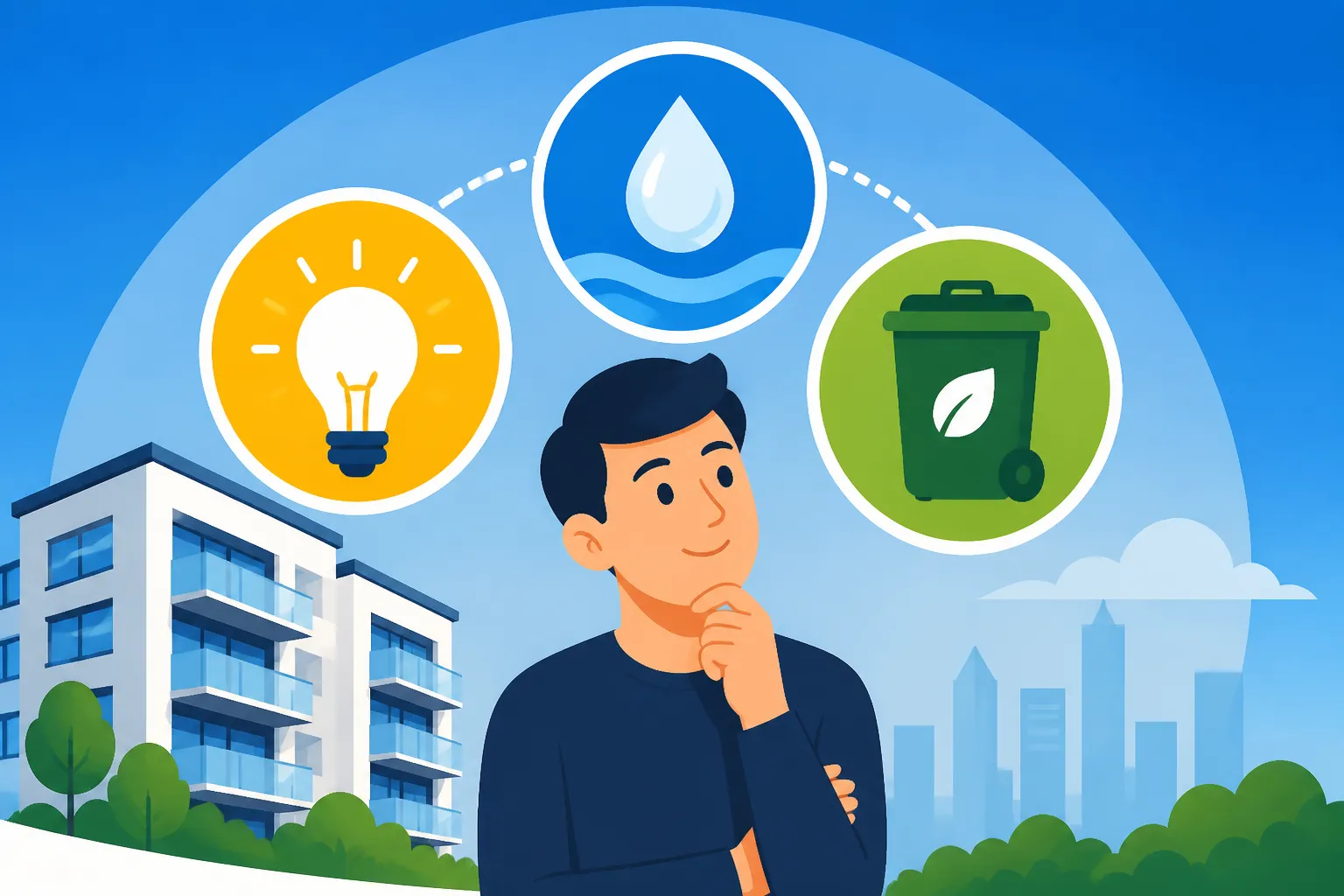
Alright, let’s talk utilities in Singapore. You’ve just landed, maybe you’ve found a place, and now comes the administrative joy of getting your home up and running. One of the first, and arguably most important, hurdles you'll face is setting up your utilities – electricity, water, and refuse collection. It might seem like a straightforward task, but in Singapore, there are nuances that can trip up even the most seasoned expat. This guide is going to walk you through everything you need to know about the SP Group, ensuring your home stays powered, hydrated, and sparkling clean without any nasty surprises.
What is SP Group and Why It Matters to Expats
When you first arrive, everything feels new and a little overwhelming. You're trying to figure out MRT routes, where to find good hawker food, and probably where to buy a decent adapter plug for your electronics. Amidst all this, the thought of setting up essential services like electricity and water can feel like just another item on an endless to-do list. In Singapore, these critical services are predominantly managed by one entity: SP Group.
The Central Role of SP Group
SP Group isn't just a utility provider; it's the utility provider that owns and operates Singapore’s entire electricity and gas transmission and distribution networks, as well as the water network. Think of them as the backbone of every household’s essential services. While you might have options for who sells you electricity (more on that later with the Open Electricity Market), SP Group is the company that delivers it to your doorstep and handles the billing for all your core utilities. They manage the pipes and wires, maintain the infrastructure, and ensure a reliable supply, which, to be fair, they do exceptionally well – blackouts are rare, and water quality is pristine.
For new arrivals, it's easy to assume you can just call up any provider, like you might in other countries. But here, SP Group is your foundational contact. They read your meters, handle the collective billing for electricity, water, and refuse, and generally act as the gatekeeper for getting your home powered up. This integrated approach means you usually receive one consolidated bill from SP Group for these three services, simplifying things somewhat after the initial setup.
Why Expats Can't Avoid It
Unlike some countries where you can pick and choose from several utility companies right from the start, SP Group is a non-negotiable part of setting up house in Singapore. Every residential and commercial property, from the swankiest Sentosa Cove mansion to the smallest HDB flat, relies on SP Group for its fundamental utility infrastructure. You simply cannot get electricity, water, or refuse collection without an active SP Group account tied to your address. This is why it’s often one of the first things your landlord or property agent will remind you about once your tenancy agreement is signed.
It’s completely understandable to feel a bit frustrated by this lack of immediate choice, especially if you’re used to a more liberal market. However, knowing that SP Group is the central hub for these services actually streamlines much of the process once you get past the initial account creation. They also provide comprehensive online resources, though navigating them as a new expat still grappling with local terminology can be a bit of a maze. This guide aims to clear up that confusion, offering practical advice you might not find in their official FAQs.
Setting Up Your SP Utilities Account: Step-by-Step for Foreigners
Getting your SP Group account activated is one of those crucial rites of passage for every expat moving to Singapore. It’s not inherently difficult, but like many administrative tasks here, it requires the right documents and a bit of patience. Missing a single item can send you back to square one, delaying your move-in and potentially leaving you in the dark – literally.
Required Documents and Information
Before you even think about starting the application, gather all your paperwork. This is Singapore, after all, where documentation is king! You'll need:
- Your Passport: Essential for identification.
- Your Employment Pass (EP), Dependant's Pass (DP), or Permanent Resident (PR) Identification Card: These are your official proof of residency. If you're new and only have an In-Principle Approval (IPA) for your pass, you might still need to wait until your physical card is issued or check with SP Group if your IPA letter suffices. For Permanent Residents, your NRIC is key.
- Your Tenancy Agreement: This document, signed by both you and your landlord, proves you have a legal right to occupy the property. It’s absolutely critical, as SP Group needs to verify your address and the official start date of your tenancy. Make sure it's fully executed and stamped.
- Contact Information: Your local mobile number and email address are vital for communication.
- Bank Account Details: For setting up GIRO (direct debit), which is the most convenient way to pay your bills monthly. If you haven't opened a local bank account yet, you might need to make an initial payment via other means. For more on this, check out our guide on Opening a Bank Account in Singapore: Required Documents for Foreigners.
Without these documents ready, your application will simply hit a wall. It sounds basic, but trust me, I've heard countless stories of expats trying to apply without their physical pass or a fully stamped tenancy agreement, only to be turned away or have their online application stuck in limbo.
The Application Process: Online vs. In-Person
You have a couple of avenues for setting up your SP Group account, and each has its pros and cons, especially for a new expat.
1. Online Application (Recommended if you have Singpass):
The SP Utilities Portal is designed for convenience, allowing you to apply from the comfort of your (new) home. You'll typically need to register for an SP Digital account first. The process usually involves:
* Logging in with your Singpass (if you have it). Singpass is your digital key to government and many private services in Singapore, and it significantly streamlines processes like this. If you’re not sure what it is or how to get it, read Understanding Singpass: The Key to Digital Banking and Government Services.
* Selecting "Open a New Account" and filling in your details.
* Uploading scanned copies of your passport, residency pass, and tenancy agreement.
* Specifying the account start date, which should align with your tenancy agreement's commencement.
The online method is generally faster if all your documents are in order and you have a Singpass. However, if you're a brand new expat, you might not have your Singpass set up yet or even your physical EP/DP card, which can hold things up. If you're wondering how to do this specifically, check out How to Open an SP Group Utilities Account Online as a Foreigner.
2. In-Person Application:
If you prefer face-to-face interaction or don't have Singpass, you can visit the SP Services Customer Service Centre. The main one is conveniently located at [specific location, e.g., 8 Cross Street, #02-01 Manulife Tower, Singapore 048424].
* Bring all your original documents, as listed above. They will need to verify them.
* Be prepared for a wait, especially during peak hours. Singapore’s public service centers are efficient but can get busy.
* The staff are generally helpful and can guide you through the forms. This option is good if you have specific questions or need immediate assistance.
No matter which method you choose, applying a week or two before your move-in date is always a good idea to ensure everything is active when you physically relocate. Many moving services, like Sirelo, emphasize sorting out utilities well in advance to avoid last-minute stress.
Security Deposit and Activation Fees
One detail that often surprises new expats is the requirement for a security deposit and, occasionally, activation fees. This is standard practice in Singapore and applies to both local and foreign residents.
- Security Deposit: This is a refundable deposit that SP Group holds to cover any potential outstanding bills if you default on payments or move out without settling your final balance. The amount varies depending on your residency status and the type of property you're renting. For expats, it typically ranges from S$100 to S$800, but can be higher for larger properties or if you're renting as a company. For instance, an Employment Pass holder renting a typical 2-bedroom condo might pay around S$300-S$500. It will be refunded to you (usually via bank transfer) after your account is closed and all final bills are settled, so keep those bank details active even after you relocate.
- Activation Fee: While not always explicitly called an "activation fee" for residential accounts, there might be a small administrative charge (e.g., S$30-S$50) for setting up or reactivating an account. This is a one-time charge.
These amounts will typically be billed on your first or second utility statement, or you might be asked to pay it upfront during the application process. Make sure you budget for these initial costs as part of your overall moving expenses.
Understanding Your Monthly Bill: Electricity, Water, and Refuse Collection
Once your account is active, your monthly SP Group bill will become a recurring fixture in your life. Don't just pay it blindly! Understanding what you're being charged for is crucial, especially given Singapore's relatively high cost of living. Knowing the components helps you budget and, more importantly, identifies areas where you can save. You might also want to understand Utilities Cost: Why Is My SP Group Electricity Bill So High in May?.
Decoding Electricity Charges: Regulated Tariff vs. Open Electricity Market (OEM)
Electricity is often the largest component of your utility bill, especially with Singapore's tropical climate demanding constant air-conditioning. Here’s where things get interesting:
- Regulated Tariff (SP Group Supply): When you first set up your SP Group account, your electricity supply defaults to the regulated tariff, which is set by the Energy Market Authority (EMA) and reviewed quarterly. This is your safe, default option, with a consistent rate per kilowatt-hour (kWh). It's reliable but may not always be the cheapest.
- Open Electricity Market (OEM): This is where you have choice! The OEM was launched to allow consumers to buy electricity from third-party retailers instead of directly from SP Group. These retailers (like Geneco, Sembcorp Energy, Keppel Electric, Senoko Energy, Tuas Power, PacificLight, and Union Power) offer various plans:
- Fixed Price Plans: You lock in a rate for a set period (e.g., 6, 12, 24 months), protecting you from tariff fluctuations. This is great for budgeting certainty.
- Discount Off Regulated Tariff (DORT) Plans: Your rate is a certain percentage off the prevailing regulated tariff. This means your price changes quarterly, but you're always getting a discount.
Switching to an OEM retailer can potentially save you a significant amount on your electricity bill. The electricity still comes through SP Group's infrastructure, but the billing for the energy consumed comes from your chosen retailer, who then bills you. SP Group still handles your water and refuse charges. It's a bit like choosing your mobile service provider while still relying on the same network infrastructure. If you're savvy, you can compare plans and save a decent chunk of change. Check out our detailed guide on Choosing an Open Electricity Market (OEM) Retailer to Lower Bills for a deeper dive.
Here’s a quick comparison of the two electricity options:
| Feature | Regulated Tariff (SP Group) | Open Electricity Market (OEM Retailers) |
|---|---|---|
| Provider | SP Group | Various retailers (e.g., Geneco, Sembcorp) |
| Pricing Model | Fixed tariff, reviewed quarterly | Fixed price, discount off tariff, or peak/off-peak |
| Bill Components | All utilities (electricity, water, refuse) on one bill | Electricity billed by retailer; water/refuse by SP Group |
| Flexibility | Low | High (various plans, contract lengths) |
| Potential Savings | Generally lower | Potentially significant savings |
| Switching Process | No action required (default) | Requires signing up with a retailer, takes 1-2 weeks |
| Infrastructure | SP Group (remains the same) | SP Group (remains the same) |
Water Tariff and Conservation Tax
Singapore is a water-scarce nation, so water conservation is a big deal here. Your water bill reflects this with two main components:
- Water Tariff: This is the charge for the actual volume of water you consume. It’s tiered, meaning the more water you use, the higher the rate per cubic meter (m³). This progressive pricing encourages mindful consumption.
- Water Conservation Tax (WCT): This is an additional levy imposed on top of the water tariff, reinforcing the message of water efficiency. The WCT also follows a tiered structure, increasing with higher consumption.
You’ll see both of these clearly itemized on your SP Group bill. Keep an eye on your consumption; a leaky faucet or a habit of excessively long showers can quickly drive up this portion of your bill. The SP Group app can help you track your usage patterns, giving you insights into where you might be able to cut back.
Refuse Collection: Public Waste Collectors and Fees
The third component of your SP Group bill is for refuse collection. This covers the cost of having your household waste collected and disposed of responsibly.
- Public Waste Collectors (PWCs): Singapore operates on a zoned system, with different private companies appointed as Public Waste Collectors (PWCs) for specific areas (e.g., Veolia ES Singapore, Sembcorp Environment, Alba W&H Smart Energy). You don't get to choose your PWC; it's assigned based on your residential address.
- Standardized Fees: The refuse collection fee is standardized by the National Environment Agency (NEA) and varies only based on your housing type (HDB flat, condominium, or landed property). For instance, HDB flat dwellers pay a lower monthly fee than condo residents, who in turn pay less than those in landed properties, reflecting the differing collection complexities and waste volumes. This fee is automatically added to your SP Group bill, and there's no way to opt out of it.
While you don't have control over who collects your trash or how much it costs, you can certainly contribute to reducing waste by recycling diligently. Most condominiums have recycling bins, and HDB blocks have dedicated recycling chutes or bins. Every little bit helps both the environment and, indirectly, the efficiency of the waste management system.
Managing Your Account and Payments: GIRO, PayNow, and More
Once your SP Group account is up and running, managing your monthly payments efficiently becomes key to avoiding late fees and ensuring uninterrupted service. Singapore offers a variety of convenient payment methods, but one stands out for its ease and reliability.
GIRO: The Preferred Payment Method
GIRO is Singapore's interbank direct debit system, and it's by far the most recommended way to pay your recurring bills, including your SP Group utilities. Once set up, it automatically deducts the bill amount directly from your designated bank account on the due date. This means no more missed payments, no more fussing with manual transfers, and no more late payment penalties.
Setting up GIRO is straightforward:
- Obtain a GIRO form: You can download it from the SP Group website or pick one up at their customer service centre. Your bank might also have digital GIRO application options through their online banking portal.
- Fill it out: You'll need your SP Group account number and your bank account details.
- Submit it: Either directly to your bank or to SP Group, depending on the form's instructions.
- Activation: It typically takes 2-4 weeks for GIRO to be activated as your bank needs to process the mandate. During this interim period, you'll need to use an alternative payment method for your bills.
Once active, GIRO payments are reliable and hassle-free. Most expats swear by it for all their recurring bills, from rent to school fees. You can learn more about setting this up in our guide on How to Set Up a GIRO Payment for Your Monthly Condo Rent, as the process is similar for utilities.
Alternative Payment Channels: PayNow, AXS, and More
While GIRO is king, there are plenty of other ways to pay your SP Group bill, especially if you're waiting for your GIRO to be activated or prefer a more hands-on approach.
- SP Utilities App: This is your digital command centre. Available on iOS and Android, the app allows you to view your bills, track your usage, and make payments directly using various methods like credit/debit cards, PayNow, or even linking to your bank app. It's incredibly convenient for managing your account on the go.
- PayNow: This instant funds transfer service is widely used in Singapore. You can pay your SP Group bill via PayNow by scanning a QR code on your e-bill or by using SP Group's UEN (Unique Entity Number) in your banking app. It's fast, free, and popular.
- AXS Stations: These are self-service kiosks found across Singapore in shopping malls, MRT stations, and HDB estates. You can pay various bills, including SP Group, using cash, NETS, or credit/debit cards. They're a lifesaver if you prefer paying in cash or need to settle a bill last minute.
- Online Banking: Most local banks (DBS, OCBC, UOB) allow you to pay your SP Group bill directly through their online banking portals or mobile apps. Simply add SP Group as a payee and enter your account number.
- Cheque/Cashier's Order: You can still mail a cheque or cashier's order to SP Group, though this is a slower method and less common for expats.
- Credit/Debit Card (One-Time Payment): You can make one-time payments directly through the SP Utilities Portal or app using your credit or debit card. This is useful for initial payments before GIRO kicks in or for one-off adjustments.
With such a wide array of options, you'll never be short of ways to settle your bill. Choose what works best for your personal financial management style!
Monitoring Usage and Staying Informed
Paying your bills is one thing, but understanding and monitoring your utility consumption is another. Especially in Singapore's climate, where air-conditioning can send your electricity bill soaring, keeping an eye on your usage is smart.
The SP Utilities App is invaluable here. It provides granular data on your daily, weekly, and monthly electricity and water consumption. This visual breakdown can highlight patterns, showing you exactly when your usage spikes and helping you identify potential areas for reduction. For example, you might notice your electricity bill jumping significantly after a week of running the air-con all night.
Many expats find this feature incredibly helpful for budgeting, especially if they’re mindful of the overall Cost of Living for an Expat Family with Kids: School, Housing, and Car. By understanding your usage, you can make informed decisions, like setting your air-con to a higher temperature or opting for more energy-efficient appliances. Staying informed helps you stay in control of your expenses and manage your household budget more effectively.
Troubleshooting and Common Expat Queries
No matter how smoothly things generally run in Singapore, little hiccups can always pop up, especially when you're navigating a new system. Utilities are no exception. Dealing with unexpected issues or questions can be particularly daunting when you're an expat, perhaps not fully comfortable with the local nuances or who to contact.
Common Issues and How to Resolve Them
You've set up your account, the lights are on, water's flowing – fantastic! But what if your first bill seems unusually high? Or you experience a temporary service disruption?
- High Bills: This is a common concern. Your first port of call should be the SP Utilities app or online portal to check your consumption data. Compare it to previous months (if available) or similar-sized properties. High electricity usage due to air-conditioning is often the culprit. Check for faulty appliances or water leaks (a continuous trickle on your water meter when all taps are off could indicate a leak). If you switched to an OEM retailer, ensure you're on the plan you expected and review its terms. If nothing adds up, contact SP Group directly through their hotline (1800-2222-333) or their online enquiry form.
- Service Delays/Disruptions: While rare, power or water outages can happen. For immediate outages, check the SP Group website or social media channels for alerts and estimated restoration times. If it's isolated to your unit, check your circuit breakers first. For new activations, if your services aren’t on by the expected date, contact SP Group immediately.
- Billing Errors: Mistakes happen. If you spot an error on your bill, gather any supporting documents (e.g., proof of payment, meter readings if you took them) and contact SP Group’s customer service. They are generally responsive and helpful in rectifying genuine errors.
Remember, clear communication and having your account details ready will always expedite the troubleshooting process.
Moving Out: Account Closure and Final Bill
The day will come when you decide to relocate, either to a new home in Singapore or back to your home country. Closing your SP Group account correctly is crucial for ensuring a smooth exit and, most importantly, getting your security deposit back. This process is a common source of stress for expats, rivaling the complexity of breaking a lease, as detailed in Tenancy Agreements: The Diplomatic Clause and Breaking Your Lease.
Here's the essential checklist for moving out:
- Notify SP Group: Ideally, you should inform them at least 7 working days in advance of your desired account closure date. You can do this through the SP Utilities app, their online portal, or by calling their hotline. You'll need to provide your final utility reading date and a forwarding address for your final bill and deposit refund.
- Final Meter Reading: On your specified closure date, SP Group will take a final meter reading. This ensures you're only charged for the utilities consumed up to the point you vacate the property.
- Settle Final Bill: Your final bill will be issued within a few weeks after your move-out date. It will include all outstanding charges, including any activation fees (if applicable) and your last usage. Pay this promptly.
- Security Deposit Refund: Once your final bill is settled, SP Group will process the refund of your security deposit. This is typically done via bank transfer to the account you provided. It can take a few weeks to appear in your account, so be patient. This process is similar to Getting Your Deposit Back: Navigating End-of-Lease Cleaning and Disputes with your landlord.
Leaving Singapore, or even just moving houses, involves a lot of logistics. Many expats rely on services like Sirelo to streamline the moving process, which includes guidance on closing utility accounts. A proper exit ensures no lingering financial obligations follow you.
Tips for Reducing Your Utility Bills
Living in a tropical climate like Singapore, managing utility costs can be a significant challenge. However, with a few smart habits and strategic choices, you can definitely keep those bills in check.
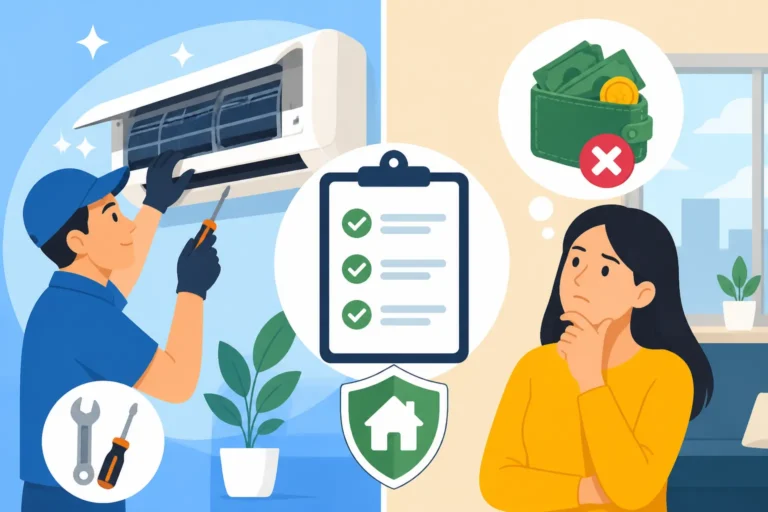
- Be Smart with Air-Conditioning: Air-con is the biggest energy guzzler. Set your thermostat to a comfortable 25°C, use the timer function, and only cool rooms you're actively using. Consider using fans more often, which consume far less electricity. Regularly clean your air-con filters or schedule professional servicing; a dirty unit works harder and uses more energy.
- Embrace the Open Electricity Market: As discussed, switching to an OEM retailer with a competitive fixed-price plan can yield substantial savings over the regulated tariff. Do your research and choose a plan that suits your consumption patterns.
- Unplug and Switch Off: "Vampire power" is real. Appliances on standby (TVs, chargers, computers) still draw power. Unplug them when not in use. Switch off lights and fans when leaving a room.
- Efficient Laundry: Run your washing machine with a full load and use cold water cycles where possible. Air-dry your clothes; Singapore's humidity often means they dry quickly, saving on dryer energy. For tips on managing humidity, check out How to Use Dehumidifiers and "Thirsty Hippos" to Prevent Closet Mold.
- Water Conservation: Take shorter showers, fix leaky taps promptly, and only run dishwashers and washing machines with full loads. Every drop counts in water-scarce Singapore.
- Energy-Efficient Appliances: If you're buying new appliances (fridge, washing machine, air-con), look for those with higher energy efficiency ratings (more ticks on the NEA label). They might cost more upfront but save significantly in the long run.
By implementing these tips, you can maintain a comfortable lifestyle while being mindful of your environmental footprint and, more importantly, your wallet.
Beyond SP Group: Other Essential Home Services
While SP Group handles your core utilities, settling into your Singapore home involves more than just electricity and water. You'll also need to get online and ensure your phone is connected, which are equally critical for modern expat life.
Internet and Wi-Fi Providers
In Singapore, reliable and fast internet is a given. The city-state boasts excellent fiber broadband infrastructure, meaning you’ll experience blazing-fast speeds. Your choices for internet service providers (ISPs) are typically:
- Singtel: Singapore's largest telecommunications company, offering a wide range of plans and bundles.
- StarHub: Another major player, often competitive with bundles including TV services.
- MyRepublic: Known for its gamer-friendly plans and competitive pricing.
- ViewQwest, WhizComms, M1: Other providers offering various packages.
Most residential plans offer speeds of 500 Mbps to 1 Gbps, which is more than sufficient for streaming, remote work, and online gaming. Installation usually involves scheduling an appointment for a technician to set up the fiber modem and Wi-Fi router. It's wise to book this shortly after confirming your move-in date. Our guide on Internet Providers in Singapore: Singtel, StarHub, and MyRepublic Fiber can offer more insights into selecting the best plan for your needs.
When choosing a plan, consider factors like contract length (typically 12 or 24 months), bundled services (like mobile or TV), and any promotional offers for new sign-ups.
Mobile Phone Plans and Connectivity
Getting a local SIM card is usually one of the first things expats do upon arrival. It's essential for everything from registering for services to staying in touch with family and new friends. You have two main types of plans:
- SIM-Only Plans: These are increasingly popular and flexible. You bring your own phone and pay a monthly fee for data, talk time, and SMS. They typically come with no lock-in contract or short 12-month commitments. Providers like GOMO (Singtel), Circles.Life, TPG Mobile, MyRepublic, and even the main telcos offer competitive SIM-only deals.
- Contract Plans (with Handset Subsidies): Less common for expats bringing their own devices, these plans typically involve a 24-month contract where you get a subsidized phone along with your monthly service. While they reduce the upfront cost of a new phone, the total cost over the contract period might be higher. More details can be found in Mobile Phone Plans: SIM-Only Contracts vs Handset Subsidies.
For new arrivals, especially those waiting for their long-term pass to be issued, an eSIM from a global provider like Airalo can be a godsend. You can activate it instantly upon landing, giving you immediate data connectivity without needing a physical SIM card or local registration, allowing you to use navigation apps, contact your property agent, or just tell your loved ones you’ve arrived safely. Once settled, you can easily transition to a local SIM-only plan. This initial connectivity greatly reduces early expat stress!
In Singapore, connectivity is rarely an issue. Whether it's home internet or mobile data, you're always well-connected, making daily life and staying in touch with the world a breeze.
Disclaimer
Please note that the information provided in this guide is for general informational purposes only and is subject to change. While we strive to keep the content accurate and up-to-date, utility policies, fees, and market offerings can vary. It is always recommended to consult the official SP Group website, relevant government portals, or a trusted professional for the most current and personalized advice. This guide does not constitute professional financial or legal advice.