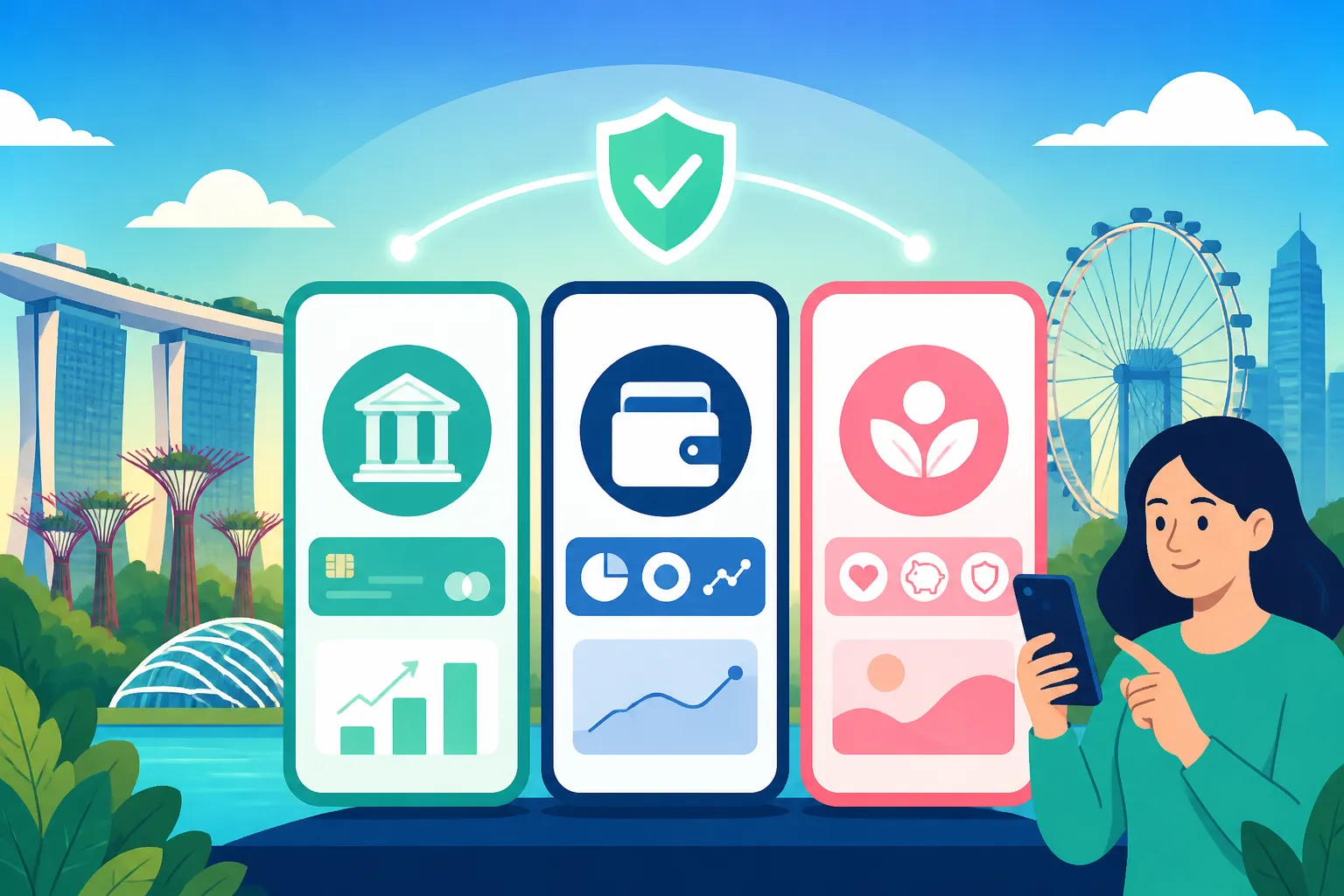
Digital Banks in Singapore: Trust Bank, GXS, and MariBank Features
Oh, the joys of setting up your financial life in a new country! I remember it like yesterday – arriving in Singapore, brimming with excitement, only to be hit with a wall of paperwork and archaic processes just to open a simple bank account. For years, we expats largely had to grin and bear it with the big traditional banks, often feeling like an afterthought with their rigid rules and sometimes bewildering requirements. But thankfully, the digital revolution has finally landed on our shores, bringing with it a breath of fresh air in the form of digital banks like Trust Bank, GXS, and MariBank. This guide is going to peel back the layers on these new players, helping you understand their features, benefits, and whether one of them might just be the financial partner you’ve been looking for.
The Rise of Digital Banks in Singapore
When I first moved here, opening a bank account felt like a rite of passage, or more accurately, a gauntlet. You’d gather an armful of documents – passport, employment pass, a utility bill with your name on it (which you couldn’t get without a bank account, talk about a Catch-22!), maybe even a letter from your employer. Then you’d wait, and wait some more, hoping your application would get approved. It was frustrating, to say the least, especially when you just wanted to get paid and start spending your hard-earned dollars.
Why Traditional Banks Fall Short for Expats
Let's be honest, while the established banks like DBS, OCBC, and UOB are giants for a reason, their legacy systems often feel a bit clunky for the fast-paced, digital-native expat. For a long time, their onboarding processes for foreigners were notoriously slow and demanding. Even something as simple as getting a credit card often required a significant deposit or a long history in the country, which newcomers simply didn't have. Many of us just wanted seamless, instant banking, but we were stuck with queues, physical forms, and limited customer service hours. Plus, when it came to things like foreign exchange or international transfers, the fees and rates could sometimes feel a bit… opaque, shall we say? It’s why many of us resorted to services like Wise for international transfers, which offered more transparency.
This isn't to say traditional banks are bad, but they often cater to a broader, more established customer base. For an expat who's constantly on the move, perhaps managing finances across multiple currencies or needing quick access to digital tools, the friction points were real. We needed something built for the digital age, something that understood that not everyone has decades of local financial history.
What Exactly Is a Digital Bank?
So, what are these "digital banks" everyone's talking about? Simply put, they are fully licensed banks that operate entirely online, without physical branches. Think of them as banks designed from the ground up for your smartphone. They aim to offer a more convenient, often more user-friendly, and typically faster banking experience. In Singapore, the Monetary Authority of Singapore (MAS) introduced digital bank licenses to foster innovation and competition in the financial sector. This means these aren't just fintech startups; they are legitimate banks, regulated just like their traditional counterparts, but with a different operational model.
The key advantages for us expats often boil down to simpler account opening procedures, competitive interest rates on savings, and integrated features that align with a digital lifestyle. They often leverage technology to streamline identity verification, sometimes even allowing you to open an account almost instantly using your Singpass. This is a huge leap forward from the days of lugging physical documents around town. They’re designed for a world where you expect to do everything from your phone, from checking your balance to making payments, all with a few taps.
Deep Dive into Trust Bank
Trust Bank burst onto the scene in Singapore with a lot of buzz, largely due to being backed by Standard Chartered Bank and NTUC Enterprise. This unique partnership gives it a blend of international banking expertise and a deep understanding of the local consumer landscape, particularly through NTUC’s extensive network. For us expats, that backing offers a significant level of reassurance, especially when venturing into new digital-only territory.
Key Features and Benefits for Foreigners
One of Trust Bank’s biggest draws for new arrivals is its incredibly streamlined onboarding process. Many expats report opening an account in mere minutes using their Singpass and employment pass, a far cry from the multi-day waits at traditional banks. This speed is a game-changer when you’re trying to get your financial life in order after moving. It instantly solves the immediate problem of needing a local bank account to receive your salary or pay bills. If you're looking for an easy entry into the local banking scene, it's definitely worth checking out the process for Opening a Bank Account in Singapore: Required Documents for Foreigners.
Beyond the easy setup, Trust Bank offers some genuinely appealing features. Their savings account has competitive interest rates, which often beat what you’d get from a traditional current account. They also have a credit card (or rather, a credit card linked to your debit card, offering flexibility) with various rewards and cashback programs, often tied to NTUC Linkpoints. This is great for everyday spending, especially if you shop at FairPrice or use other NTUC services. Plus, the app itself is designed to be intuitive, making it easy to manage your money, set up PayNow and FAST Transfers: How Singapore Moves Money Instantly, and keep track of your expenses. Their transparent fee structure is another plus, avoiding hidden charges that can sometimes surprise newcomers.
Potential Downsides and Limitations
While Trust Bank is fantastic for many basic banking needs, it's not without its limitations, especially for expats with more complex financial situations. For instance, if you require specific international banking services or more sophisticated investment products, you might find its offerings a bit basic compared to a full-service traditional bank. While it's great for day-to-day transactions and savings, it might not be your go-to for wealth management or complex loans.
Another point to consider is its relatively new status. While backed by strong partners, some expats might still prefer the long-standing familiarity and perceived stability of traditional banks for their primary financial hub, especially when it comes to things like substantial home loans or highly sensitive transactions. While their customer service is digital-first, if you're someone who prefers face-to-face interaction for complex issues, this digital-only model might feel a bit impersonal. Also, as with any digital platform, ensuring you understand Understanding Singpass: The Key to Digital Banking and Government Services and keeping your digital security tight is paramount.
Exploring GXS Bank
GXS Bank is another exciting entrant in Singapore's digital banking landscape, a joint venture between Grab and Singtel. This partnership immediately signals its focus on integrating banking services within the broader digital ecosystems we already use daily. For many expats who rely heavily on Grab for transport, food delivery, and digital payments, GXS promises a seamless extension of these services into their financial lives.
Standout Offerings and How They Help Expats
The integration with Grab's super-app ecosystem is GXS Bank's undeniable superpower. Imagine earning interest on your savings while simultaneously getting rewards on your Grab rides or food orders. This kind of synergistic benefit is incredibly appealing to expats who are already deeply embedded in the Grab ecosystem. It offers a convenient, all-in-one platform for managing daily life and finances. Their savings account, often touted for its daily interest accrual and flexibility, can be a great option for short-term savings or emergency funds, making your money work harder for you without locking it away.
GXS also aims to simplify access to credit. For expats who often struggle to build a local credit history from scratch, GXS's approach to offering small loans or credit facilities based on their understanding of your Grab usage patterns could be a significant advantage. It's a more modern, data-driven approach to assessing creditworthiness, moving beyond the traditional reliance on long financial records. This could be particularly helpful for those new to the country or even freelancers navigating Working as a Freelancer: Legality for Dependant's Pass Holders (LOC).
User Experience and Current Restrictions
From a user experience perspective, GXS Bank's app is generally well-regarded for its clean interface and ease of navigation, mirroring the intuitive design we’ve come to expect from apps like Grab. Account opening, similar to Trust Bank, is designed to be quick and hassle-free for eligible individuals using Singpass. This focus on user-friendliness makes it an attractive option for expats who prefer to manage their finances quickly and efficiently on their mobile devices.
However, GXS Bank, being a relatively new player, does come with some current restrictions and limitations. Initially, access was often limited to specific segments of Grab and Singtel users, though this has been expanding. It’s also crucial to note that while their lending services might be more accessible, the loan amounts might be smaller compared to what traditional banks offer, especially for significant purchases like housing. For major financial milestones or a comprehensive suite of wealth management tools, GXS might currently serve more as a supplementary banking solution rather than a primary one. You might still want to look at Comparing Local Banks: DBS vs OCBC vs UOB for Expat Needs for a more traditional setup alongside GXS.
Unpacking MariBank
MariBank is another digital bank that has recently joined the Singapore scene, backed by Sea Limited, the tech giant behind Shopee and Garena. This affiliation immediately positions MariBank within a vast and popular e-commerce and gaming ecosystem, suggesting a strong focus on seamless integration for users who are already active on these platforms. For many expats, Shopee is a go-to for online shopping, making MariBank a potentially convenient financial partner.
Unique Value Proposition and Integration with Wider Ecosystems
MariBank's core strength lies in its potential to seamlessly integrate with the Shopee and Sea ecosystems. If you're a frequent Shopee user, you can imagine the convenience of managing your bank account, making purchases, and perhaps even earning rewards directly linked to your spending habits on the platform. This kind of embedded finance can make daily transactions incredibly smooth and intuitive, essentially turning your shopping app into a banking portal. This ease of use can be a huge draw for expats who are already accustomed to shopping online and appreciate a unified digital experience.
Like its digital counterparts, MariBank typically offers competitive interest rates on its savings accounts, aiming to make your money work harder for you. The promise of hassle-free account opening, likely leveraging Singpass for swift verification, will also be a major draw for expats. The idea is to reduce the friction points that often plague traditional banking, allowing you to focus on settling into life in Singapore rather than wrestling with financial bureaucracy. It also aims to make digital payments and transfers simple, which is vital when you're managing various bills and expenses.
Who MariBank is Best Suited For
MariBank is particularly well-suited for expats who are active users of Shopee and other Sea Limited platforms. If your digital life revolves around online shopping, gaming, and using integrated apps, MariBank could offer unparalleled convenience and potentially more rewarding experiences tailored to your habits. It’s ideal for those who want their banking to be as straightforward and integrated as their e-commerce experience.
However, if you're an expat who primarily uses other e-commerce platforms or has less engagement with the Sea ecosystem, the unique benefits of MariBank might be less pronounced. While it will still offer standard digital banking services, its competitive edge truly shines when you're deeply integrated into its parent company's ecosystem. Like other digital banks, it's generally geared towards everyday banking and savings, so those seeking complex investment options or extensive international services might still need a traditional bank or specialized financial advisors for Investing in Singapore: Brokerages, Taxes, and Wealth Management. When considering your overall Financial Checklist for Your First 30 Days in Singapore, including a digital bank can streamline daily transactions significantly.
Comparing the Big Three: Trust, GXS, and MariBank
Choosing between these innovative digital banks can be tricky, as they each bring something slightly different to the table. While they all aim to simplify banking for a modern audience, their strengths often lie in their underlying ecosystems and specific features. For expats, understanding these nuances is key to picking the right fit.
Account Opening Process and Eligibility
One of the biggest advantages all three digital banks offer is a significantly easier account opening process compared to many traditional banks. For eligible Singapore citizens, permanent residents, and most Employment Pass holders, you can often open an account within minutes directly through their apps using Singpass. This removes a massive pain point for newcomers. However, there can be subtle differences in their eligibility criteria, especially regarding specific types of visas or residency statuses. While Trust Bank has generally been quite open to various expat passes, GXS and MariBank might have initially rolled out with more targeted user bases or gradual expansions. Always check their specific requirements on their websites or within their apps before you start the process.
For instance, an Employment Pass holder with a valid Singpass will likely find the process smooth across the board. If you're still waiting for your physical pass or haven't fully set up Singpass, there might be slight variations in what documents they accept as proof of address or identity. It's always a good idea to ensure you have all your ducks in a row for Opening a Bank Account in Singapore: Required Documents for Foreigners, even with these streamlined digital options.
Interest Rates, Fees, and Foreign Transaction Capabilities
Each digital bank strives to offer competitive interest rates on their savings accounts, often exceeding what traditional banks provide for similar products. These rates can be a significant draw, helping your money grow a little faster. However, the rates can fluctuate, and they might come with specific conditions, such as minimum deposit amounts, spending requirements on linked cards, or caps on the amount eligible for the higher rate. Always read the fine print!
When it comes to fees, digital banks generally pride themselves on transparency and lower charges compared to their traditional counterparts. You'll typically find no monthly maintenance fees and clear explanations for any transaction costs. However, if you frequently need to send money overseas, while these banks support local transfers via FAST and PayNow, their foreign exchange rates and international remittance fees might not always be the most competitive for large amounts or frequent transactions to specific countries. This is where dedicated services like Wise or other multi-currency accounts still often shine as a separate tool for expats dealing with The Best Multi-Currency Accounts for Expats: Wise vs Revolut vs Banks. Don't forget to factor in any potential charges when you're managing your overall Healthcare Budgeting in Singapore: Managing Out-of-Pocket Costs.
| Feature | Trust Bank | GXS Bank | MariBank |
|---|---|---|---|
| Backed By | Standard Chartered & NTUC Enterprise | Grab & Singtel | Sea Limited (Shopee, Garena) |
| Key Integration | NTUC Linkpoint rewards, FairPrice | Grab ecosystem (rides, food, payments) | Shopee, SeaMoney (e-commerce, gaming) |
| Account Opening | Quick via Singpass, generally expat-friendly | Quick via Singpass, initially targeted, now expanding | Quick via Singpass, targeted at Shopee users |
| Savings Rates | Competitive, often tiered or with conditions | Competitive, often daily interest | Competitive, often with ecosystem bonuses |
| Credit Offerings | Credit card (linked to debit) with rewards | Small personal loans, credit lines (Grab-data based) | Likely future credit linked to Shopee Pay/ecosystem |
| Primary Benefit | Everyday spending, NTUC ecosystem savings | Seamless integration with Grab, quick small loans | Integrated e-commerce banking, Shopee rewards |
| Potential Drawback | Less sophisticated international/wealth features | Smaller loan sizes, initial user restrictions | Less benefit if not a heavy Shopee user |
Integrated Ecosystems and Future Prospects
The biggest differentiator for these digital banks is their tight integration with their parent company's ecosystems. Trust Bank leans into the NTUC network, offering benefits for daily essentials. GXS is deeply embedded in Grab, making it appealing for transport and food. MariBank is poised to integrate seamlessly with Shopee for all your online retail therapy. For expats, choosing one might come down to which ecosystem you interact with most regularly.
These integrations aren't just about convenience; they also hint at the future direction of these banks. We can expect more personalized financial products, loyalty programs, and perhaps even easier access to credit based on your activity within these ecosystems. For example, if you're a high-spending Shopee user, MariBank might offer you specific credit facilities or promotions down the line. This deep understanding of customer behavior is something traditional banks are still playing catch-up on, making these digital alternatives potentially more dynamic and responsive to your evolving needs.
Making the Switch: Tips for Expats
Embracing digital banking can feel like a big step, especially when you’re already navigating so many changes as an expat in Singapore. But the benefits in terms of convenience and often better rates are undeniable. It's about finding the right balance that suits your financial needs and comfort level.
What to Consider Before Opening a Digital Bank Account
Before you dive in, take a moment to assess your primary banking needs. Are you looking for a hassle-free place to receive your salary and manage daily expenses? Or do you need more complex services like international wire transfers, multi-currency accounts, or extensive investment options? While digital banks excel at the former, you might still need a traditional bank for the latter, or consider specialist services. For instance, if you're frequently sending money back home or dealing with multiple currencies, you'll still want to explore platforms like Wise for their exchange rates and transparency.
Also, think about customer service. Digital banks rely heavily on in-app chat, email, or phone support. If you prefer the option of walking into a branch to resolve complex issues or speak to someone face-to-face, then a purely digital model might not be your ideal primary bank. Consider how comfortable you are with a fully digital interface and how much you rely on physical banking infrastructure. Don't forget to review your employer's medical benefits; sometimes specific banks are tied to corporate perks, which might influence your decision when setting up Understanding Your Employer’s Medical Benefits Package Before Signing.
Balancing Digital Convenience with Traditional Stability
Many expats find that the best approach is a hybrid one. You might use a digital bank like Trust Bank for your everyday transactions, enjoying their competitive savings rates and seamless mobile experience, especially for paying your bills through Setting Up Utilities and Bills: Navigating GIRO and PayNow. At the same time, you might maintain an account with a larger, traditional bank for larger transactions, investment portfolios, or for the psychological comfort of having a physical branch option. This way, you get the best of both worlds: the agility and innovation of digital banking combined with the established infrastructure and broader offerings of a conventional bank.
Remember, Singapore's financial landscape is secure and well-regulated. Whether you choose a digital or traditional bank, your funds are generally safe. The key is to find the combination that simplifies your life and empowers you to manage your finances effectively while navigating life in this dynamic city. For those concerned about managing finances across borders and understanding their obligations, resources like Taxes for Expats can be invaluable, offering guidance on how your Singapore income might affect your tax situation back home. Ultimately, these new digital banks are here to make our financial lives easier, and that’s a welcome change for any expat.
Disclaimer
The information provided in this guide is for general informational purposes only and does not constitute financial, legal, or professional advice. While every effort has been made to ensure accuracy, banking products, interest rates, fees, and eligibility criteria can change frequently. Expats should conduct their own research and consult with financial advisors to make informed decisions tailored to their individual circumstances.