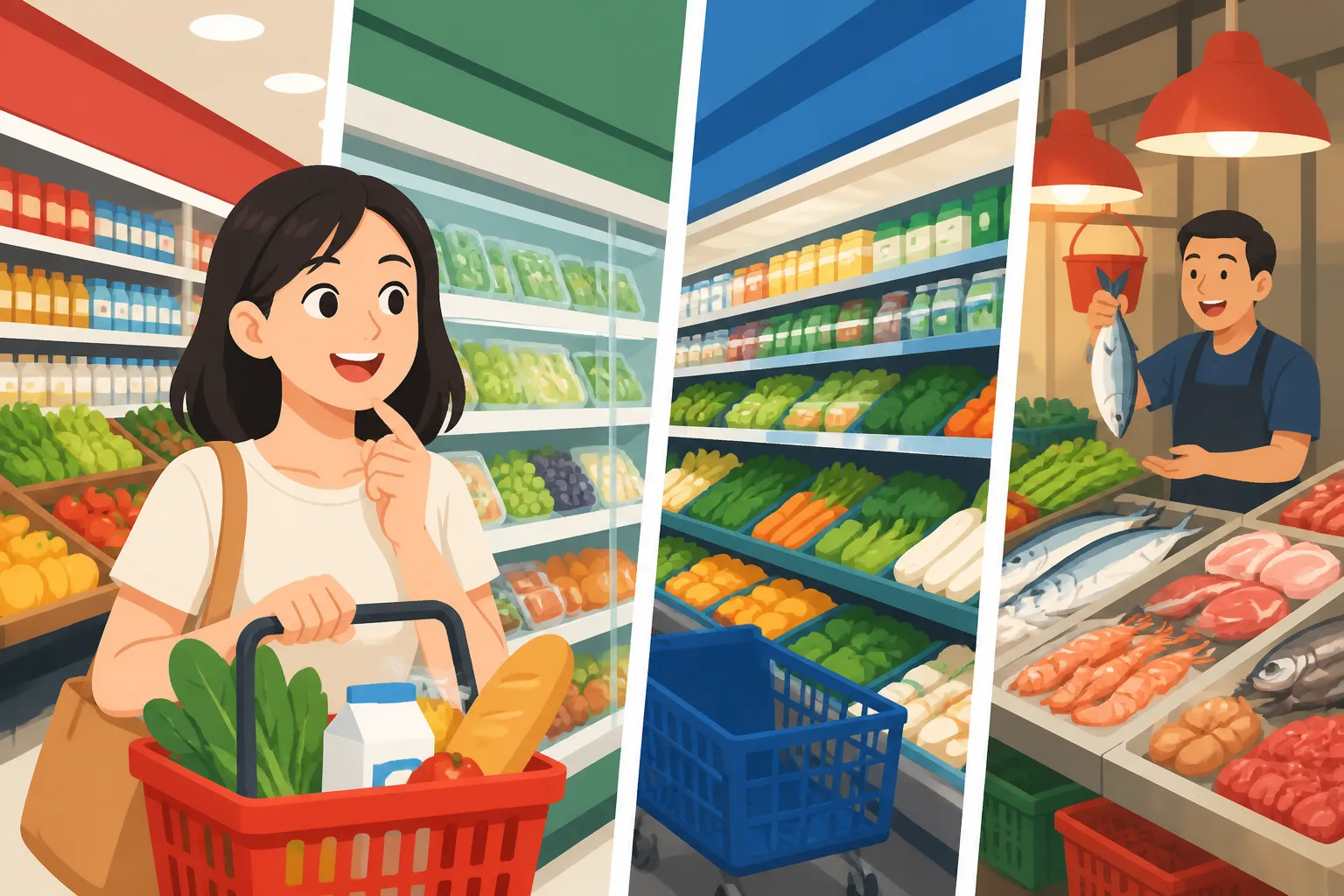
Grocery Shopping: FairPrice, Cold Storage, Sheng Siong, and Wet Markets
Arriving in Singapore, you quickly realize that while it's a small island, the sheer variety and nuances of daily life, including something as fundamental as grocery shopping, can feel like a whole new world. Forget your usual supermarket sweep; here, you've got a dazzling array of options, from bustling wet markets filled with local produce to gleaming aisles stocked with international delicacies. This guide is here to demystify the grocery scene, helping you navigate the aisles and markets like a seasoned local, ensuring your fridge stays full without draining your wallet or your sanity.
Navigating Singapore's Supermarket Landscape: The Big Players
When you first land in Singapore, the sheer number of supermarket chains can be a bit overwhelming. But fear not, each one serves a slightly different purpose and caters to various budgets and preferences. Getting to know the main players is your first step to becoming a savvy grocery shopper here.
FairPrice: The Everyday Workhorse for Value and Variety
NTUC FairPrice is probably the most ubiquitous supermarket chain you’ll encounter in Singapore. It’s essentially the backbone of local grocery shopping, known for its extensive network of stores, from compact neighbourhood outlets to sprawling hypermarkets. If you’re looking for a balance of local staples, a decent selection of international brands, and generally competitive prices, FairPrice is your everyday go-to.
You’ll find different formats of FairPrice stores scattered across the island. The standard FairPrice outlets are solid for your weekly shop, offering everything from fresh produce and meats to household essentials and packaged goods. For a slightly more upscale experience, often found in malls or more affluent neighbourhoods, there's FairPrice Finest. This is where you'll see a wider array of imported gourmet items, organic produce, premium cuts of meat, and often a better selection of wines and cheeses – perfect for when you're craving those specific Western comfort foods. Then there’s FairPrice Xtra, which are hypermarkets akin to a smaller Walmart or Tesco Extra, offering electronics, clothing, and even furniture alongside a full grocery range. And for quick grabs, especially in central business districts, FairPrice Express is a convenient stop for essentials. It's truly a chain that tries to cater to every need and budget, making it an indispensable part of life for many expats, especially when budgeting for groceries and managing your Average Monthly Grocery Bill for a Couple Shopping at FairPrice.
Cold Storage: Your Go-To for Imported Goods and Western Comforts
If FairPrice is the workhorse, Cold Storage is often seen as the more boutique, international cousin. This is where many expats head when they’re missing specific brands from home, seeking higher-quality fresh produce, or wanting a wider selection of items geared towards Western palates. While you'll pay a premium for the convenience and selection, for some items, it's simply the best or only place to find them.
Cold Storage excels in its range of imported goods. Think obscure cheeses, specialty crackers, a fantastic variety of berries and seasonal fruits from around the world, specific cuts of beef or lamb, and often a more curated selection of organic and free-range products. Their bakeries often offer a wider range of European-style breads and pastries, and their wine selection is typically more extensive and diverse. For those special occasions, or just when you need that taste of home, Cold Storage is a lifesaver. You’ll often find these stores in shopping malls within expat-heavy residential areas like Orchard, River Valley, and Holland Village, where the clientele is willing to pay a little more for quality and familiarity. It’s also often the first stop for new arrivals stocking up on familiar items before fully adjusting to local brands.
Sheng Siong: The Local Champion for Deep Discounts and Bulk Buys
For those who are truly budget-conscious and don't mind a slightly less polished shopping experience, Sheng Siong is a fantastic discovery. This homegrown Singaporean supermarket chain is known for its competitive pricing, especially on local produce, everyday staples, and house-brand items. It often has a more no-frills, warehouse-like feel, which means less emphasis on fancy displays and more focus on getting you good value.
Sheng Siong's strength lies in its ability to offer deep discounts, often running promotions that significantly undercut its larger rivals. You'll find a strong emphasis on Asian ingredients, fresh seafood, and meats, which are often displayed in a style reminiscent of traditional wet markets – a bit more open and bustling. They also offer a good range of bulk items, which can be great for families or those looking to stock up. While the selection of international gourmet items might be limited compared to Cold Storage, for everyday cooking with local ingredients and household necessities, Sheng Siong provides excellent bang for your buck. Many savvy local shoppers swear by Sheng Siong for their weekly haul, especially for fresh items, and it's a great place to explore if you’re trying to keep your monthly expenses down.
Exploring Niche & Specialty Supermarkets: Beyond the Big Three
While the big players like FairPrice, Cold Storage, and Sheng Siong cover most of your grocery needs, Singapore's diverse culinary landscape means there are many smaller, specialized stores that cater to specific tastes, dietary requirements, or cultural preferences. These are the places you'll discover once you've settled in and start refining your shopping habits.
Don Don Donki, MEIDI-YA, and Other Asian Delights
For a truly immersive and often exciting grocery shopping experience, you absolutely must explore Singapore's specialty Asian supermarkets. Don Don Donki, a Japanese discount chain, has taken Singapore by storm. It's more than just a supermarket; it's a vibrant, often chaotic, multi-level retail experience packed with everything from fresh Japanese produce, ready-to-eat sushi, and bento boxes, to bizarre snacks, cosmetics, and household gadgets. The prices can be surprisingly good, especially for specific Japanese items you won't find elsewhere, and the energy in the stores is infectious.
Then there's MEIDI-YA, another prominent Japanese supermarket, often perceived as a more refined and gourmet option. You'll find a premium selection of Japanese ingredients, exquisite fresh produce imported directly from Japan, high-quality seafood, and a fantastic range of Japanese sake and whiskies. It's often where chefs and discerning home cooks go for authentic, top-tier Japanese components. Beyond Japanese, you’ll also find smaller Korean supermarkets like Koryo Mart or Shine Korea, offering a wide array of kimchi, Korean instant noodles, snacks, and fresh banchan (side dishes). These stores are incredible for sourcing specific ingredients for Asian recipes, stocking up on your favourite snacks, or simply exploring new culinary horizons. For a deeper dive into these unique shopping experiences, check out our guide on Navigating Don Don Donki, MEIDI-YA, and Specialized Supermarkets.
Organic, Health-Focused, and Eco-Conscious Stores
As awareness of health and sustainability grows, so too has the presence of niche supermarkets catering to organic, natural, and dietary-specific needs. Stores like Little Farms, SuperNature, and Scoop Wholefoods have become havens for those seeking premium organic produce, ethically sourced meats, dairy alternatives, gluten-free products, and environmentally friendly household goods.
Little Farms, with several outlets across the island, is a particular favourite for its range of fresh, often air-freighted, organic fruits and vegetables, artisanal bread, and a strong selection of health-conscious pantry staples. SuperNature, also known for its organic and natural product range, focuses heavily on sustainability and transparency in its sourcing, making it a trusted choice for many. Scoop Wholefoods is a zero-waste bulk food store, where you can bring your own containers and fill up on nuts, grains, spices, oils, and detergents, helping you reduce plastic waste – a great option for the eco-conscious expat. While prices at these stores are generally higher, the quality, provenance, and specialized nature of their offerings make them invaluable for those with specific dietary requirements, health goals, or a commitment to sustainable living.
The Authentic Experience: Wet Markets and Hawker Center Stalls
Beyond the gleaming aisles of supermarkets lies a fundamental part of Singapore's culinary heart: the wet markets. These aren't just places to buy food; they are bustling, vibrant cultural hubs that offer an unparalleled level of freshness and a truly local shopping experience.
Understanding the Wet Market Vibe: Freshness, Bargains, and Local Culture
A wet market is precisely what its name implies: a market where the floors are often wet from the melting ice used to keep seafood and meat fresh, and from the constant washing down by vendors. Forget air conditioning and neatly packaged goods; here, you'll find an explosion of sights, sounds, and smells. Stalls are piled high with an incredible variety of fresh produce – exotic fruits you might never have seen, vibrant leafy greens, and pungent herbs. But the real stars are often the fresh seafood and meats, delivered daily, sometimes even hourly, directly from suppliers.
This direct-from-source model means unbeatable freshness. You'll see whole fish on ice, still glistening, live crabs and prawns in tanks, and butchers carving cuts of meat to order. The prices are generally lower than supermarkets, especially for local produce, and haggling is sometimes possible, though less common than in some other Southeast Asian countries. Walking through a wet market is an assault on the senses in the best possible way: the shouts of vendors, the chatter of shoppers, the earthy aroma of vegetables, the salty tang of seafood, and the vibrant colours of fresh ingredients. It's a place where you truly connect with the local food culture and witness the daily rhythm of life. It might seem daunting at first, but embracing the chaos is part of the fun. For practical tips on navigating this unique environment, our guide on Wet Market Etiquette: How to Buy Fresh Seafood and Produce Like a Local will be invaluable.
Tips for Navigating Your First Wet Market Visit
Your first trip to a Singaporean wet market might feel a bit intimidating, but a little preparation can make it an incredibly rewarding experience. First, try to go early in the morning, ideally before 9 AM, especially if you're looking for the best selection of fresh seafood and popular vegetables. The stalls are fully stocked, and the atmosphere is at its most vibrant. By midday, many vendors will start to pack up, and choices will be limited.
Always bring cash, preferably in small denominations. While some vendors might accept PayNow (Singapore's instant payment system), many are cash-only. Reusable shopping bags are also a must, as your purchases won’t be neatly bagged in plastic like in a supermarket. Be prepared for the floors to be wet and potentially slippery – comfortable, non-slip shoes are a good idea. Don't be afraid to point at what you want if language is a barrier, but learning a few basic phrases in Mandarin or Malay for common items or quantities can go a long way in building rapport with the vendors. Remember, the vendors are experts; if you're unsure about a cut of meat or how to prepare a certain fish, don't hesitate to ask! They're usually happy to share their knowledge. This authentic experience truly highlights the diverse options available for groceries, complementing the convenience of modern stores like FairPrice or Cold Storage.
Online Grocery Shopping & Delivery: Convenience at Your Fingertips
In a fast-paced city like Singapore, time is often a luxury, and that's where online grocery shopping swoops in to save the day. The island boasts a robust ecosystem of e-grocers and delivery services, offering unparalleled convenience for busy expats and locals alike.
The Rise of E-Grocers: FairPrice Online, Cold Storage Online, RedMart, and Amazon Fresh
The traditional supermarkets have all stepped up their online game. FairPrice Online, for instance, offers the same vast selection you'd find in their physical stores, with the added benefit of home delivery. It’s perfect for stocking up on essentials and local brands without having to lug heavy bags. Similarly, Cold Storage Online allows you to order your favourite imported cheeses, premium meats, and specialty items directly to your doorstep. This is particularly handy for larger, less frequent hauls or when you're planning a special meal and need specific gourmet ingredients.
However, the real game-changers in online grocery have been dedicated platforms like RedMart (now part of Lazada) and Amazon Fresh. RedMart is renowned for its incredibly wide selection, often carrying brands and products you might struggle to find even in the largest physical supermarkets. They offer various delivery slots, and while minimum spend and delivery fees apply, the convenience for a full weekly shop is undeniable. Amazon Fresh, leveraging Amazon's logistics network, offers expedited delivery slots, sometimes as fast as two hours, for an impressive range of fresh produce, pantry items, and household goods. These services are particularly invaluable when you're first settling in, allowing you to stock your pantry and fridge without the hassle of navigating unfamiliar physical stores. To learn more about navigating Singapore's e-commerce landscape, our guide on Shopee, Lazada, and Amazon: Navigating E-commerce Deliveries can provide even more insights.
Specialty Online Stores and Food Delivery Apps
Beyond the major e-grocers, Singapore also has a growing number of niche online stores catering to specific needs. You can find online butchers delivering premium cuts, specialty organic food platforms, and even dedicated websites for gourmet wines and spirits. These smaller players often focus on curated selections and offer a more personalized service, ideal for specific culinary projects or sourcing very particular ingredients.
Furthermore, general food delivery apps like GrabFood and Deliveroo have expanded into quick grocery delivery services through GrabMart and pandamart (Foodpanda's equivalent). These platforms partner with convenience stores, selected supermarkets, or even their own dark stores to offer rapid delivery of a more limited range of essential groceries, snacks, and drinks. This is a lifesaver for those last-minute cravings, when you suddenly run out of milk, or when you simply don't have time to pop out to the store. The convenience of having these options just a few taps away on your phone, coupled with reliable mobile connectivity, perhaps even via an eSIM from a provider like Airalo when you're out and about, ensures that you're never truly stuck without your necessities.
Strategic Shopping Tips for Expats: Saving Time and Money
Singapore can be an expensive city, but with a few strategic habits, you can significantly reduce your grocery bill and make your shopping more efficient. Learning to navigate sales, loyalty programs, and understanding local pricing nuances will turn you into a savvy shopper.
Loyalty Programs, Sales, and Credit Card Perks
Just like anywhere else, loyalty programs are your best friends in Singapore when it comes to saving money. NTUC FairPrice has its Link Rewards program, which is linked to the PAssion Card. Collecting LinkPoints on your purchases can translate into direct discounts on future groceries. Cold Storage and Giant also have schemes, often linked to the same PAssion Card or their own membership programs, offering exclusive deals and points accumulation. It’s always worth signing up for these free memberships; the savings might seem small individually, but they add up over time.
Beyond loyalty points, keeping an eye on weekly circulars and promotional flyers is key. FairPrice, Cold Storage, and Sheng Siong all publish these digitally and in-store, highlighting items on sale. Stocking up on non-perishables when they’re discounted can lead to significant savings. Additionally, many credit cards offer cashback or reward points for grocery spending. It's wise to check with your bank about specific credit card promotions or tie-ups with certain supermarkets. Some cards might offer higher cashback rates on groceries, or bonus points that can be redeemed for vouchers. Using a combination of loyalty cards and the right credit card can maximize your savings. For more ideas on how to stretch your dollar, our guide on Everyday Savings Apps: ShopBack, Fave, and Supermarket Loyalty Programs offers excellent additional tips.
Budgeting for Groceries: What to Expect and How to Save
One of the biggest adjustments for expats is understanding the Cost of Living for an Expat Family with Kids: School, Housing, and Car, and groceries are a significant part of that. Singapore imports most of its food, which means prices can be higher than what you're used to, especially for Western products. A good rule of thumb is to factor in a higher grocery budget than you might in your home country, particularly if you're reliant on imported goods.
To save money, embrace local produce and brands. Vegetables and fruits grown in Southeast Asia are generally much cheaper than those flown in from Australia, Europe, or the US. Similarly, opting for house brands at FairPrice or Sheng Siong can cut costs significantly without compromising much on quality for many staples. Making more meals at home from scratch, rather than relying on processed foods or constant take-out, is another major money-saver. And don't underestimate the power of hawker centers for incredibly affordable and delicious meals if you don't feel like cooking. Knowing How Much Does It Cost to Eat at Hawker Centers Every Day? can help you balance your home cooking with eating out. When you’re planning your relocation and budgeting for everything from rent to daily expenses with services like Sirelo, remember that grocery costs can fluctuate, so giving yourself a bit of buffer is always a good idea. Comparing prices across different supermarkets for your staple items – buying bulk rice at Sheng Siong, organic milk at FairPrice Finest, and specialty snacks from Don Don Donki – is a smart strategy.
Essential Considerations for Expat Shoppers
Beyond where to shop and how to save, there are a few practical considerations unique to grocery shopping as an expat in Singapore. These insights can make your daily life smoother and help you settle into your new home more comfortably.
Navigating Packaging and Labels: Understanding Local Terms
One common hurdle for new expats is deciphering local packaging and labels. While English is widely used, you'll often encounter product descriptions in Malay, Mandarin, and Tamil as well. For fresh produce, knowing the local names can be helpful, although most major supermarkets will have English labels. Understanding unit pricing (price per 100g or per unit) is crucial for comparing value, especially across different brands or store types.
For dietary needs, look out for certifications. The Halal certification (JAKIM Halal or Muis Halal logo) indicates food prepared according to Islamic law, which is common and useful for many. While organic labels are standard internationally, it's worth familiarizing yourself with local organic certifications if you want to delve deeper into the provenance of your food. Don't be shy to use translation apps on your phone if you're unsure about an ingredient, especially in smaller, local stores or wet markets where English might not be as prevalent. This initial learning curve is part of the expat experience, but it quickly becomes second nature as you familiarise yourself with the products and brands available.
Delivery Options and Settling In
For new arrivals, especially during the hectic first few weeks, understanding and utilizing delivery services is paramount. Setting up your internet and mobile data should be high on your Financial Checklist for Your First 30 Days in Singapore, because without it, navigating these apps becomes difficult. Having reliable connectivity, perhaps even using a regional eSIM from a provider like Airalo while you are getting your local SIM sorted, is crucial for comparing prices, checking store opening hours, and most importantly, placing those invaluable online grocery orders.
Many expats find that online delivery services are a godsend when they first move in. You might not have a car, or even fully understand the public transport routes to the larger supermarkets. Getting heavy items like bottled water, rice, or cleaning supplies delivered directly to your apartment entrance can save immense effort. Most delivery services offer flexible slots, allowing you to choose a time that fits your schedule, often after work or on weekends. Some condo buildings have dedicated drop-off points or systems for grocery deliveries, which your building management can explain. Integrating these convenient delivery options into your routine early on will significantly ease the burden of stocking your new home and allow you to focus on other aspects of settling into Singapore, like setting up utilities and bills or simply exploring your new neighborhood.
| Supermarket Chain | Price Range | Product Focus | Ambiance | Key Pros | Key Cons |
|---|---|---|---|---|---|
| FairPrice | Mid-Low | Local, Asian, Everyday Essentials | Standard, Functional | Widespread, Good Value, Loyalty Program | Limited High-End Imports |
| Cold Storage | Mid-High | Western Imports, Gourmet, Organic | Upscale, Modern | Wide International Selection, Quality Produce | Higher Prices, Less Local Focus |
| Sheng Siong | Low | Local, Fresh, Bulk Buys, Discounts | No-Frills, Bustling | Best Value, Deep Discounts, Local Freshness | Limited International Brands, Basic Aesthetics |
| Don Don Donki | Mid | Japanese Snacks, Fresh Food, Sundries | Energetic, Quirky | Unique Japanese Items, Ready-to-Eat | Can be Crowded, Limited Non-Japanese |
Disclaimer
Please note that while this guide provides comprehensive information based on current knowledge and typical expat experiences in Singapore, details such as prices, product availability, and specific regulations can change. Always verify information with official sources or directly with the relevant establishments. This guide is for informational purposes only and should not be taken as legal, financial, or professional advice.