Safe Walking at Night: Why Singapore is Exceptionally Secure for Women
One of the biggest worries, especially for women moving to a new country, is simply feeling safe enough to walk around alone after dark. We’ve all been in places where you automatically start looking over your shoulder the moment the sun dips below the horizon, or where a taxi feels like the only viable option after 7 PM. But let me tell you, as someone who’s been living here for years, Singapore is truly a world apart when it comes to personal safety, offering an exceptional sense of security that allows you to genuinely relax and explore, even late into the night. This guide will delve into why Singapore is so secure, particularly for women, and what you can expect when navigating its streets after dark.
The Foundations of Singapore's Safety: Law, Order, and Community
When people talk about Singapore, one of the first things that often comes up is its low crime rate and strict laws. While that might sound a bit rigid on paper, in practice, it translates into an incredibly safe environment that benefits everyone, especially those of us who appreciate the peace of mind that comes with knowing you can walk home without constant anxiety. It’s not just an absence of major crime; it's a pervasive sense of order and respect for public spaces that makes all the difference.
Strict Laws and Robust Enforcement
Singapore's legal framework is designed to deter crime at every level, from petty offenses to serious ones. This isn't just theoretical; it’s deeply ingrained in the daily fabric of life here. You’ll quickly notice that things like littering, vandalism, or public nuisance are not only frowned upon but actively enforced with significant penalties. While you might initially roll your eyes at the famous chewing gum ban or the hefty fines for jaywalking, these seemingly minor rules contribute to a larger culture of adherence and civility. The effect of this stringent approach is a consistently orderly environment. People generally follow the rules, maintain public spaces, and are respectful of others, which dramatically reduces opportunities for crime. When there’s less petty crime, there are fewer chances for more serious incidents to escalate. This creates a baseline of public behaviour that inherently feels safer, even after dark. You’ll find more insights on this in Strict Laws: Chewing Gum, Littering, Jaywalking, and Smoking Zones.
Visible and Vigilant Policing
Unlike some cities where police presence can feel sparse or intimidating, in Singapore, it’s often both visible and reassuring. You’ll see Neighbourhood Police Centres (NPCs) dotted throughout residential areas, and police patrols, whether on foot or in vehicles, are a common sight. This steady presence acts as a powerful deterrent. But it's not just about boots on the ground. Singapore is also incredibly well-equipped with surveillance technology. CCTV cameras are ubiquitous – in public transport hubs, shopping malls, HDB estates, and even along footpaths. While some might find the idea of widespread surveillance a bit unsettling, from a personal safety perspective, it means that any untoward incident is likely to be recorded, and perpetrators are more easily identified. This robust infrastructure supports a proactive approach to public safety, making most areas, even those off the main drag, feel remarkably secure.
Practical Realities of Nighttime Navigation for Women
Beyond the strong legal and enforcement backbone, the actual experience of moving around Singapore at night further reinforces this sense of security. The city-state is designed with efficiency and safety in mind, and that thoughtfulness extends to how people navigate its spaces after dark.
Well-Lit Streets and Thoughtful Infrastructure
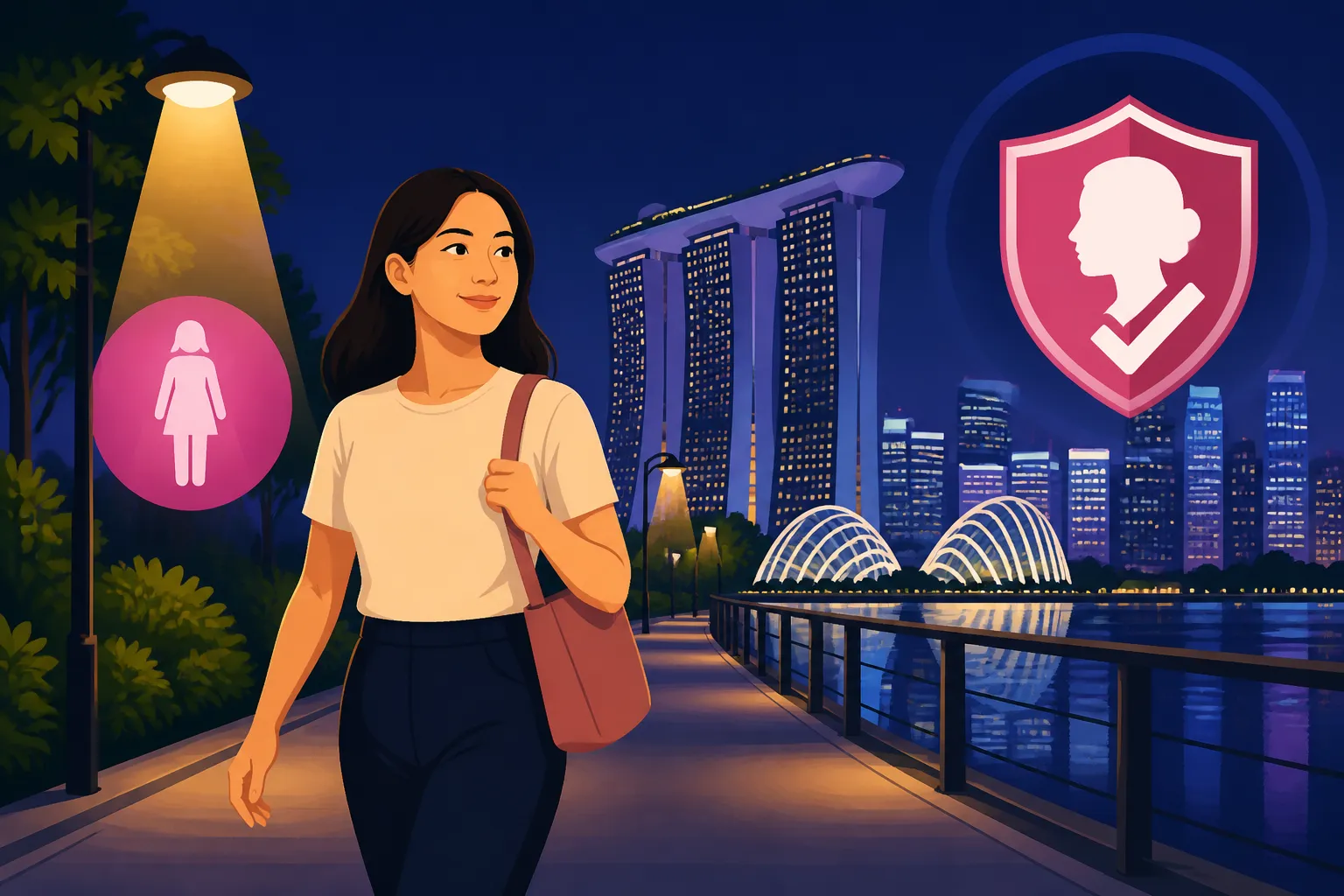
One of the most immediate things you’ll notice when you step out at night is how incredibly well-lit Singapore is. Major roads, footpaths, parks, and even smaller residential streets are consistently illuminated. This isn't just about brightness; it's about intelligent urban planning that eliminates dark corners and shadowy alleys where one might feel vulnerable. MRT stations and bus stops, which are central to public transport, are also brilliantly lit and typically well-maintained. This bright, open environment means that even if you're walking a bit of a distance, you’re rarely plunged into darkness. Compare this to the often patchy or non-existent lighting in some parts of other major cities, and you’ll truly appreciate the effort Singapore puts into making its urban landscape safe and welcoming round the clock.
Reliable and Safe Transport Options 24/7
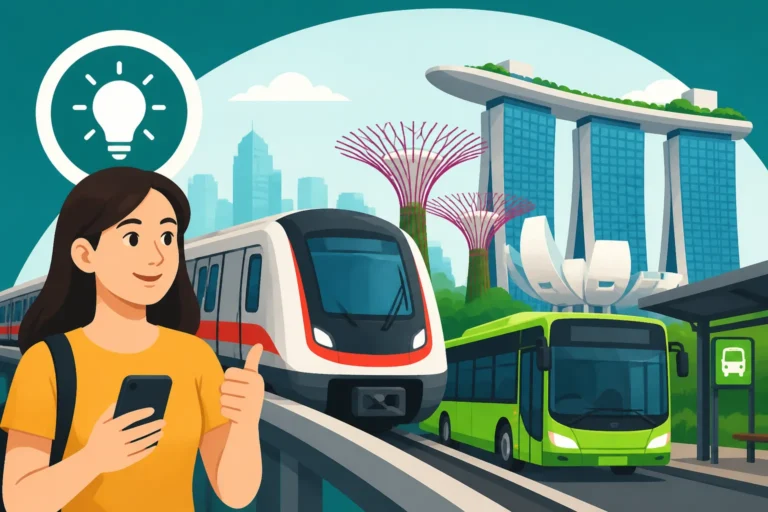
Even though Singapore is safe for walking, you might not always want to walk long distances late at night, especially after a long day or a night out. This is where the city’s excellent public and private transport networks come into play. While the MRT and most bus services typically wind down around midnight, reliable alternatives are readily available. Ride-hailing services like Grab, Gojek, TADA, and CDG Zig are incredibly popular, efficient, and importantly, safe. These services operate on a traceable system where both the driver and passenger are identified, and your journey is tracked. Many apps even allow you to share your live location with family or friends for added peace of mind.
If you’re out late, it's really easy to hail a taxi or book a ride-share from almost anywhere. You can also explore options like requesting a female driver through some apps, though this isn't always guaranteed due to driver availability. The relatively affordable cost of these options, compared to many Western cities, means that taking a taxi or ride-share late at night doesn’t have to break the bank, further reducing the need to walk long, isolated stretches if you don't feel like it. For more details on getting around, check out Ride-Hailing Apps: Grab, Gojek, TADA, and CDG Zig Explained and Public Transport in Singapore: MRT, Buses, and Commuting Hacks.
General Public Demeanour and Culture
Beyond the physical infrastructure and legal frameworks, there's a certain cultural aspect that contributes significantly to women's safety in Singapore. Generally, street harassment, such as catcalling or unwanted attention, is incredibly rare. It’s simply not a prevalent part of the local culture, and such behaviour would be considered a severe breach of public etiquette, potentially attracting swift social condemnation or even legal action if it constitutes public nuisance.
The collective ethos here often leans towards maintaining public harmony and respect. While Singaporeans can be direct (something you might experience as a bit of a culture shock), there's a deep-seated respect for personal space and order. People tend to mind their own business, and public interactions are generally polite and non-confrontational. This low-key public demeanour means that as a woman, you’re less likely to encounter unsolicited or aggressive interactions, allowing for a more relaxed and comfortable experience when out alone. You can read more about navigating local customs in Surviving Culture Shock: Directness, Kiasu Culture, and Fast Pacing.
Essential Tips for Maintaining Personal Safety & Peace of Mind
Even in a place as safe as Singapore, it’s always wise to practice general personal safety habits. These aren't because Singapore is dangerous, but because being prepared simply gives you extra confidence and peace of mind, no matter where you are in the world.
Staying Connected and Aware
Having a charged phone with reliable data is your best friend anywhere, and Singapore is no exception. Make sure your phone is fully charged before heading out for the evening. If you're new to Singapore, consider getting a local SIM card or an eSIM from providers like Airalo so you always have a data connection for maps, ride-hailing, or emergencies. Being able to easily access maps or call for a ride makes a world of difference. It’s also a good habit to share your location with a trusted friend or family member if you’re out late, especially when traveling or exploring new areas. While highly uncommon, it’s always wise to be generally aware of your surroundings, even if statistically safe. Try to avoid getting completely lost in your headphones at full volume, as being alert helps you react to any unexpected situation, no matter how minor. Making sure your utilities are set up and paid, including your phone bill, is part of being prepared; more on this can be found in Setting Up Utilities and Bills: Navigating GIRO and PayNow.
Trusting Your Gut and General Precautions
Even with all the reassurances, your intuition is a powerful tool. If a situation, a person, or a path simply feels "off," trust that feeling and remove yourself. It’s better to err on the side of caution. Generally, it's a good idea to stick to main roads and well-lit areas, even if a shortcut through a dimly lit park seems quicker. These are common-sense precautions that apply globally and aren't specific to any perceived threat in Singapore, but rather just smart practices for navigating any urban environment. It's about empowering yourself with choices that reinforce your safety. For those just arriving, knowing these general guidelines can free up mental energy to focus on other aspects of settling in, like using services from companies like Sirelo to manage your move with less stress.
Knowing Who to Call in an Emergency
While it’s highly unlikely you’ll ever need them for a safety incident, knowing the emergency numbers is crucial. For urgent police assistance, dial 999. For an ambulance, dial 995. These numbers are universal in Singapore and will connect you to immediate help. For non-emergency police matters, you can call their hotline at 1800-255-0000. Singapore’s emergency services are efficient and responsive, and your call will be taken seriously. The public, including expats, can rely on these services without hesitation. Read more about emergency protocols in Emergency Numbers: Calling 995 for Ambulance and 999 for Police.
Always ensure you have a way to make these calls, whether through your local SIM, an eSIM from Airalo, or even a public phone (though these are becoming rarer). Having your Singpass ready can also help with identification for official processes if needed. You can learn more about this digital identity in Understanding Singpass: The Key to Digital Banking and Government Services.
Here’s a quick overview of what makes Singapore such a safe place:
| Safety Factor | Description | Impact on Night Walking for Women |
|---|---|---|
| Strict Laws & Enforcement | Low tolerance for crime (petty & serious) with visible consequences. | Significantly reduces public disorder and opportunistic crime, leading to fewer incidents. |
| Visible Policing & CCTV | Regular patrols, Neighbourhood Police Centres, and widespread surveillance. | Acts as a strong deterrent; quick response and identification if incidents occur. |
| Well-Lit Infrastructure | Consistently bright streets, footpaths, and public spaces, even in residential areas. | Eliminates dark, isolated areas, enhancing visibility and comfort when walking alone. |
| Reliable 24/7 Transport | Abundant and traceable taxis/ride-hailing services after public transport hours. | Offers safe alternatives to long walks, especially late at night or from isolated locations. |
| Respectful Public Demeanour | Low incidence of street harassment, catcalling, or aggressive behaviour. | Allows for a more relaxed and comfortable experience, free from unwanted attention. |
| Community Vigilance | General public tends to follow rules and is less prone to disruptive behaviour. | Creates a calm, predictable environment where individuals feel less threatened. |
In conclusion, the unique combination of stringent laws, effective enforcement, modern infrastructure, and a generally respectful public culture makes Singapore an exceptionally secure place for women to walk alone at night. While it’s always prudent to practice general safety awareness as you would anywhere, you can certainly breathe a sigh of relief knowing that a late-night stroll or a solo journey home is very likely to be a safe and uneventful experience here. This sense of security is one of the many reasons expats find settling in Singapore so reassuring.
Disclaimer
The information provided in this guide is for general informational purposes only and does not constitute legal, medical, or professional advice. While every effort has been made to ensure accuracy and relevance for expatriates and tourists in Singapore, regulations and circumstances can change. Readers are advised to consult official government sources, legal professionals, or relevant experts for specific advice tailored to their individual situations. The author and publisher are not liable for any actions taken based on the information presented herein.