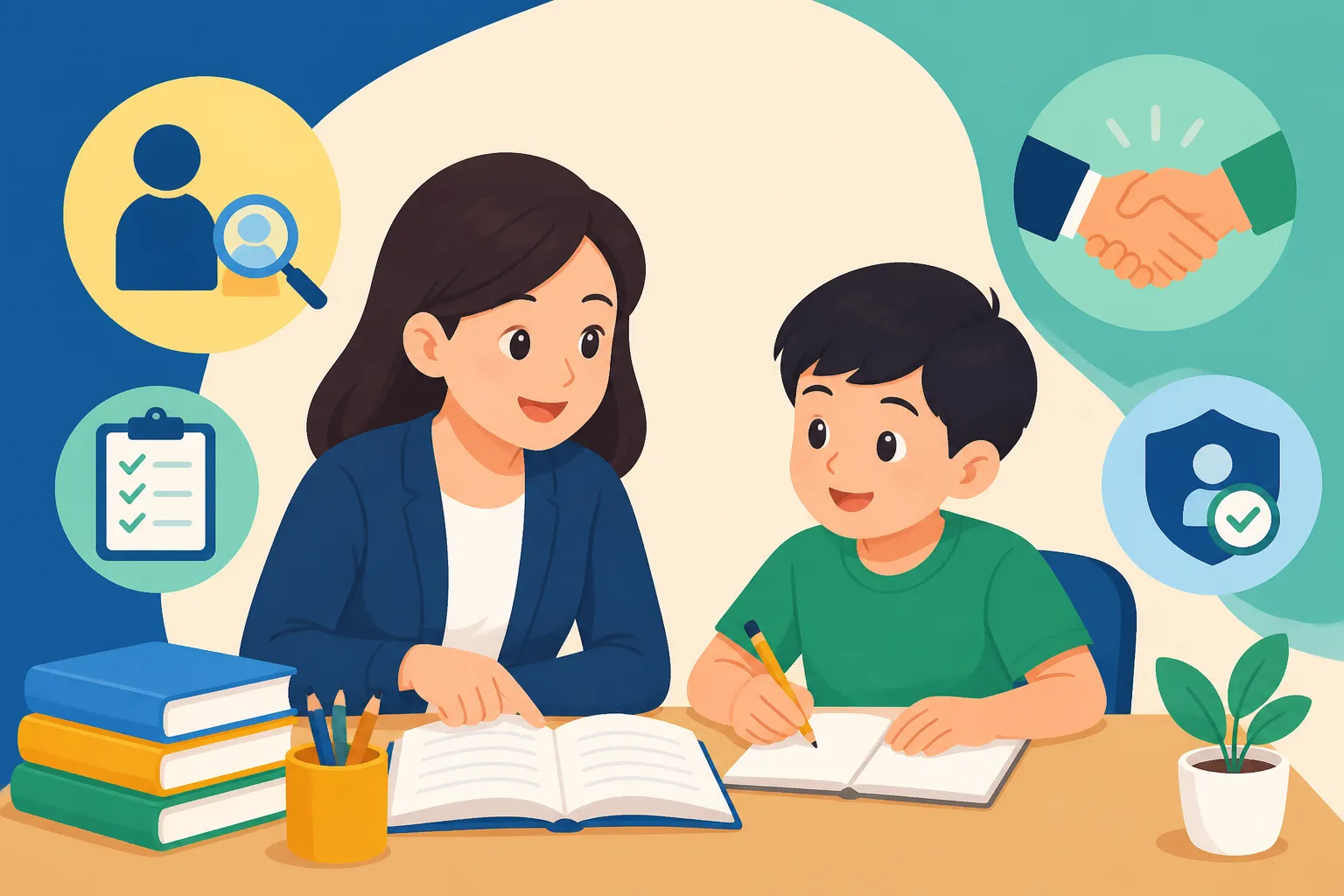
How to Hire a Tutor for Your Child’s PSLE Preparation
The thought of your child facing the Primary School Leaving Examination (PSLE) here in Singapore can feel like a massive weight, especially if you’re an expat parent unfamiliar with the local education system's intensity. Many of us arrive feeling a bit lost, wondering how to best support our kids through what's widely considered a defining academic hurdle. This guide will walk you through the ins and outs of hiring a PSLE tutor, helping you understand the system, navigate the market, and find the perfect match to ease the stress for both you and your child.
Understanding the PSLE Landscape and Its Importance for Expat Kids
When you first hear about the PSLE, it often comes with a hushed tone and a slight tremor in the voice of local parents. As an expat, you might initially dismiss it as "just another exam," but quickly, you'll realize it's far more deeply entrenched in the national psyche than many tests back home. This single examination, taken at the end of primary school, dictates the academic path your child will likely follow for their secondary education. For expat families who've opted for the local school system, understanding this landscape is crucial for navigating your child’s educational journey in Singapore.
The Pressure Cooker Reality of PSLE for Foreigners
Let's be honest, the PSLE is a high-stakes affair. The pressure on students is immense, and this pressure often filters down to parents, who feel an overwhelming need to ensure their children perform well. For expat families, this can be particularly bewildering. You might be accustomed to a more holistic educational approach, where a single exam doesn't define a child's future trajectory. Here, however, the PSLE scores determine which secondary school streams (Express, Normal Academic, or Normal Technical) and schools your child can enter. This intense focus on academic achievement can feel like a stark contrast to what you've experienced, leading to a scramble for resources, with tutoring often seen as a non-negotiable part of the equation.
Many expat parents worry about their children adapting not just to the curriculum, but also to the speed and rigor of the local classroom, especially if they joined the system a little later. They might be fluent in English but struggle with the specific vocabulary and question formats unique to Singapore's curriculum, particularly in subjects like Mathematics and Science, which often require highly specific problem-solving techniques. This gap, coupled with the weight of the PSLE, often pushes parents to seek external help, hoping a tutor can bridge these differences and alleviate some of the academic stress. The sheer volume of material, combined with the competitive environment, can make even the most confident students feel overwhelmed, making a good tutor a source of both academic support and emotional reassurance.
How PSLE Results Impact Secondary School Pathways
The PSLE is essentially a gateway. Your child’s aggregate score will determine their eligibility for various secondary school options, and this is where the system gets really nuanced for those unfamiliar with it. A higher score typically opens doors to more prestigious schools and the Express stream, which prepares students for the GCE ‘O’ Levels in four years. Lower scores might lead to the Normal Academic or Normal Technical streams, which offer different pathways and timelines to further education. This isn't just about prestige; it can genuinely shape a child's learning environment, peer group, and future academic opportunities.
For an expat child, securing a place in a desired secondary school can make all the difference in their integration and overall experience in Singapore. A good school environment with strong academic support and extracurricular activities can significantly enhance their time here. Conversely, struggling to get into a suitable school can be disheartening. This is why many expat parents invest heavily in PSLE preparation, understanding that a solid PSLE foundation can ease the transition into secondary school and pave the way for a smoother, more successful academic journey in Singapore. It's not just about passing; it's about gaining access to the best possible fit for their potential. If you're considering whether to even put your child into the local system, you might find our guide on Should Expats Send Their Kids to Singapore Public Schools (MOE)? particularly insightful for this decision.
Navigating the Tutoring Market in Singapore
Once you’ve grasped the gravity of the PSLE, the next logical step is often to consider tutoring. But stepping into Singapore’s tutoring market as an expat can feel like entering a dense jungle without a map. There are countless options, from large tuition centers to private home tutors, and the quality and cost vary wildly. Knowing where to even begin and what to look for can be daunting, but with a bit of guidance, you can make an informed choice that suits your child's specific needs.
Types of Tutors and Platforms Available
The tutoring landscape here is incredibly diverse. You have the large-scale tuition centers, often resembling mini-schools, which typically offer group classes for various subjects and levels. Brands like Kumon, The Learning Lab, and Popular Learning are common names you'll hear. These centers have structured curricula, often follow the MOE syllabus closely, and can provide a consistent learning environment. The downside? Class sizes can still be relatively large, and personalized attention might be limited. They also often require adherence to a fixed schedule, which can be tough to juggle with other commitments.
Then there are private home tutors. These range from current or ex-school teachers to university students or full-time professional tutors. Hiring a private tutor means your child gets one-on-one attention, allowing for a highly customized learning plan tailored to their strengths and weaknesses. This can be invaluable for targeting specific areas where your child struggles, or for deep diving into subjects that require more individual focus. Finding a good private tutor often involves word-of-mouth recommendations, online tutoring platforms, or agencies. Many expat parents prefer this option for the flexibility and personalized approach it offers. Platforms like SmileTutor, ChampionTutor, and even informal expat groups on social media are popular avenues for finding such tutors. For those who might be considering alternative learning methods or even supplementing with language practice, even platforms like iTalki, while not for PSLE, show the breadth of online learning available.
Finally, the rise of online tutoring has added another layer of choice. This can be particularly appealing for busy expat families, offering flexibility in scheduling and location. Online tutors can be based anywhere, potentially offering different teaching styles or even expertise from other countries, although for PSLE, a tutor familiar with the local syllabus is usually preferred. Some local tuition centers also offer online components, blending traditional teaching with digital convenience.
Key Factors to Consider When Choosing a PSLE Tutor
Choosing the right tutor goes far beyond just availability. It's about finding a genuine fit for your child's personality, learning style, and specific academic needs. One of the primary considerations is the tutor's experience and qualifications. Does the tutor have a strong track record of helping students improve their PSLE scores? Are they familiar with the latest MOE syllabus changes and examination formats? An ex-MOE teacher often brings invaluable insights into the grading system and common pitfalls students face. Always ask for their credentials and, if possible, references from previous students' parents.
Another critical factor is the tutor’s teaching methodology. Some children thrive with a very structured, drill-based approach, while others need a more patient, conceptual explanation. A good tutor should be able to adapt their style to your child. During an initial consultation, observe how they interact with your child. Do they build rapport? Do they make learning seem engaging rather than just another chore? The goal is not just to improve grades but to instill confidence and make the learning process less intimidating. The personality match between the tutor and your child is paramount; a brilliant tutor who clashes with your child’s personality will likely be ineffective. Lastly, consider the logistics: location (if it’s a physical tutor), scheduling flexibility, and, of course, the cost. These practical elements need to align with your family's lifestyle and budget, which ties into managing your overall Cost of Living for an Expat Family with Kids: School, Housing, and Car in Singapore.
The Hiring Process: From Search to First Lesson
So, you've decided to take the plunge and find a tutor. Fantastic! But the journey from "I need a tutor" to "we found the perfect match" involves several steps, and doing it right can save you a lot of headache and ensure your investment pays off. It’s not just about picking the first name you see; it's about a deliberate process of selection and setup.
Vetting Potential Tutors and Conducting Interviews
Finding a tutor in Singapore often starts with recommendations from other expat parents, online platforms, or tutoring agencies. Once you have a few candidates, don’t hesitate to conduct thorough vetting. For private tutors, this means asking for their educational background, teaching experience, and, crucially, their PSLE-specific track record. You want to know if they understand the nuances of the Singapore curriculum, particularly for specific subjects like Mathematics or Chinese, which can be particularly challenging for non-native speakers. Ask about their pass rates or improvement rates for previous students. It's perfectly acceptable to request references; speaking to other parents who have used their services can provide invaluable insights into their teaching style, reliability, and effectiveness.
Once you’ve narrowed down your list, schedule an interview – and make sure your child is present. This isn't just for you to assess the tutor; it's for your child to feel involved and comfortable. Ask the tutor about their approach to challenging topics, how they motivate students, and what resources they use. A good question to gauge their adaptability is to ask how they handle a student who is struggling with a particular concept despite multiple explanations. Pay attention to how they interact with your child: do they seem patient, encouraging, and approachable? Does your child seem at ease with them? A brief trial lesson (which some tutors offer, sometimes paid, sometimes free) can also be incredibly illuminating, giving you a firsthand look at their teaching in action and how your child responds. This personal chemistry is often underestimated but vital for long-term success.
Setting Expectations and Managing the Tutoring Relationship
Congratulations, you've found a tutor! Now, it's essential to set clear expectations from the get-go. This means having an open conversation with the tutor about your child's current academic standing, their specific weaknesses, and what you hope to achieve. Be realistic about goals; significant improvement takes time and consistent effort. Discuss the frequency of sessions, the duration, and whether the tutor will be providing homework or focusing solely on school assignments. Clarify how progress will be tracked and communicated. Will there be regular updates? Can you reach out if you have concerns? Establishing these communication channels early prevents misunderstandings later on.
It’s also important to involve your child in this process. Explain why tutoring is happening, not as a punishment for poor performance, but as a tool to help them succeed and reduce their stress. Encourage them to be open with the tutor about what they don't understand. Regularly check in with your child about how they feel about the sessions – are they finding it helpful? Are they comfortable asking questions? A successful tutoring relationship is a partnership between the parent, the child, and the tutor. Ongoing communication and flexibility are key. If your child's needs change or they hit a plateau, be prepared to discuss adjustments with the tutor, ensuring the learning continues to be effective and engaging. Just as you might navigate the complexities of Understanding Your Employer’s Medical Benefits Package Before Signing to ensure full coverage, think of this as ensuring full academic support.
Financial and Practical Considerations for Expat Families
Money, as always, is a significant factor in Singapore, and tutoring is no exception. For expat families, managing expenses in a high-cost-of-living city like Singapore requires careful budgeting. Beyond the immediate fees, there are other practicalities that make a difference in the overall experience and value you get from a PSLE tutor.
Understanding Tutoring Costs and Payment Structures
Tutoring in Singapore isn't cheap, especially for experienced, high-demand PSLE tutors. The costs can vary dramatically based on the tutor's qualifications, experience (e.g., ex-MOE teachers command higher rates), the subject taught, and the format (group vs. one-on-one). Generally, primary school PSLE tutoring can range from S$40 to S$120+ per hour for private tutors, with group tuition centers often having lower per-hour rates but requiring commitment to longer packages. Specialized subjects or highly sought-after tutors can push these figures even higher. It's a significant financial commitment, one that often rivals the cost of some extracurricular activities.
Payment structures typically involve paying monthly in advance, or for a block of sessions. Always clarify the cancellation policy – what happens if your child is sick or you go on holiday? Some tutors or centers require a full month's notice for withdrawal, or charge for missed sessions without adequate warning. Transparency regarding fees and any additional charges (like materials) is crucial. Factor these costs into your overall family budget, alongside other major expenses, which you can track with resources like Managing Joint Accounts and Household Budgets as an Expat Couple. While "Taxes for Expats" isn't directly related to tutoring fees, understanding your overall financial obligations here, including how your income is taxed, can help you budget for significant expenses like quality education support.
| Tutoring Type | Average Hourly Rate (SGD) | Pros | Cons | Best For |
|---|---|---|---|---|
| Large Tuition Center | S$25 – S$60 | Structured curriculum, consistent schedule, multiple subjects | Less personalized attention, fixed schedules, larger class sizes | Students who thrive in a classroom setting, consistent foundational learning |
| Private Home Tutor | S$40 – S$120+ | Highly personalized, flexible scheduling, one-on-one focus | Higher cost, requires vetting, quality can vary | Students needing targeted help, specific learning styles, busy schedules |
| Online Tutor | S$30 – S$80 | Location flexibility, convenient, broader tutor pool | Requires good internet/tech, less direct interaction, screen time | Independent learners, those in remote areas, flexible time slots |
| Small Group Tuition | S$30 – S$70 | More personalized than large centers, peer interaction | Less individual attention than private, fixed group dynamics | Students who benefit from peer learning but need more focus than a large class |
Note: Rates are approximate and can vary widely based on tutor experience, subject, and demand.
Balancing Tutoring with Your Child's Well-being
It’s incredibly easy to get caught up in the PSLE frenzy and inadvertently overschedule your child. While academic support is important, maintaining a balance with rest, play, and other interests is absolutely vital for your child's overall well-being and, paradoxically, for their academic performance. An overtired or stressed child will not absorb information effectively, regardless of how many hours they spend with a tutor. Remember, they are still children.
As expat parents, we often want the best for our children and might push them harder, thinking it's the only way to adapt to the local system. However, this can backfire. Ensure your child still has time for hobbies, sports, and simply being a kid. Factor in downtime between school and tutoring sessions. Discuss the workload with the tutor to ensure it’s manageable and doesn’t lead to burnout. Observing your child’s emotional state, sleep patterns, and general mood is crucial. If they seem excessively stressed or anxious, it might be time to re-evaluate the tutoring schedule or approach. Finding the right balance ensures that tutoring is a supportive tool, not an additional source of stress, helping your child not just pass an exam, but thrive. Maintaining their mental health is paramount, and resources like Accessing Therapy in Singapore: Confidentiality and Insurance Coverage can be helpful if stress levels become too high.
Disclaimer
Please note that the information provided in this guide is for general informational purposes only and does not constitute professional advice. While we strive to ensure accuracy and relevance, educational policies, visa requirements, and costs in Singapore can change. Always consult with official government sources, educational institutions, or qualified professionals for the most up-to-date and personalized guidance specific to your situation.