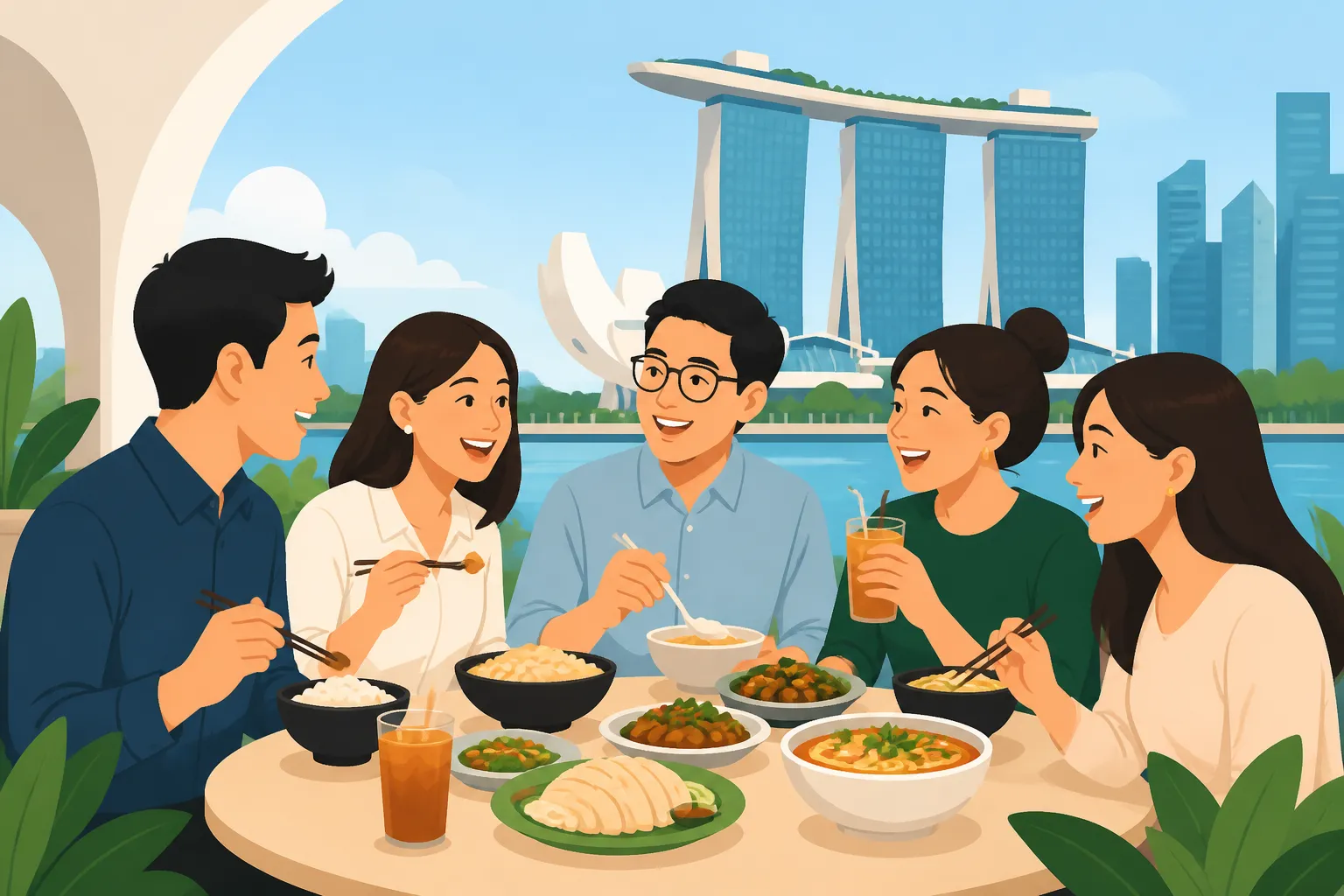
Lunch Culture in Singapore: Why Your Team Always Eats Together
One of the first things many new expats notice in Singapore is the almost ceremonial daily ritual of team lunches. You might find yourself wondering why your colleagues consistently gather to eat together, often trekking to the nearest hawker centre or food court, instead of scattering for individual meals. This guide will delve deep into the nuances of Singapore's workplace lunch culture, helping you understand its significance and how to navigate it gracefully.
The Heart of Singaporean Workplace Culture: Why Lunch Isn't Just Lunch
In Singapore, the midday meal transcends mere sustenance; it’s a cornerstone of workplace dynamics, deeply ingrained in the local professional fabric. For many, lunch isn't just a break; it’s an integral part of the workday, contributing significantly to team cohesion and understanding. It's a daily touchstone, a moment to step away from the immediate tasks and engage on a more personal level with those you spend most of your waking hours alongside.
Fostering Bonds and Social Cohesion
Think of the team lunch as an informal team-building exercise that happens daily, without any awkward icebreakers. It’s a low-stakes environment where colleagues can chat about weekend plans, family, or even light office gossip, strengthening personal relationships that might not develop in the more formal setting of a meeting room. These interactions are crucial for building trust and camaraderie, which in turn can lead to smoother collaboration and a more supportive work environment. For an expat fresh off the plane, these lunches are often the first real window into the informal side of your colleagues and a chance to quickly integrate. You’ll find that the small talk over a plate of chicken rice can reveal more about your team's dynamics than any formal orientation. Understanding the nuances of these interactions is key to navigating the broader landscape of Singapore Workplace Culture: Etiquette, Hierarchy, and Communication.
This daily ritual fosters a sense of belonging and mutual understanding. When you share a meal, you’re often sharing stories, laughter, and sometimes even frustrations, which helps to humanize your colleagues beyond their job titles. It’s a collective experience that reinforces the idea that you are all in this together. This informal networking is particularly valuable in a culture that often values group harmony over individualistic pursuits. The shared experience of choosing a stall, waiting in line, and finding a table together creates mini-bonds that add up over time, weaving a tighter social fabric within the team.
The Significance of "Face" and Harmony
The concept of "face" (or mianzi in Mandarin) is profoundly important in many Asian cultures, including Singapore. In a workplace context, inviting colleagues to lunch and having them join is a way to show respect and build good "face" for everyone involved. Conversely, consistently declining invitations without a valid reason could, over time, be perceived as a slight or a lack of team spirit, potentially causing your colleagues to "lose face." It’s not about being forced to join, but about recognizing the cultural weight of the invitation and responding thoughtfully. Understanding this unspoken rule is crucial for Office Politics in Singapore: Navigating Face Culture and Hierarchy.
Joining these lunches demonstrates your commitment to being a team player and your willingness to integrate into the local culture. It signals that you value the relationships with your colleagues beyond just the transactional aspects of work. While direct confrontation is generally avoided in Singaporean workplaces, subtle cues and perceived slights can accumulate. Being an active participant in team lunches helps you proactively manage your professional image and ensures you are seen as a valued and integrated member of the team, maintaining harmony.
An Unofficial Extension of the Meeting Room
Beyond social bonding, team lunches often serve as an informal extension of the workplace, albeit with less formality. It's not uncommon for discussions to drift from casual banter to work-related topics, problem-solving, or even brainstorming sessions. These are often the times when subtle hints about upcoming projects, departmental changes, or even management’s mood are inadvertently dropped. Crucial decisions might not be made, but important groundwork is often laid.
For new expats, this unofficial "meeting time" can be incredibly insightful. You might pick up on unspoken rules, internal politics, or even critical information that might not be formally communicated until much later. It's a chance to hear perspectives and concerns that colleagues might be less willing to voice in a more structured setting. Participating allows you to stay in the loop, demonstrate engagement, and even contribute to discussions in a more relaxed manner, often leading to more authentic exchanges than formal meetings.
Navigating the Daily Ritual: From Chope-ing to Ordering
Once you understand why team lunches are so prevalent, the next step is to learn the how. Singapore's food landscape is unique, and so are the customs surrounding meal times, especially in bustling hawker centres and food courts. It’s a dance that’s worth mastering.
The Dynamics of Hawker Centres and Food Courts
Hawker centres and food courts are the quintessential Singaporean dining experience, offering an incredible variety of affordable and delicious food. They are also incredibly popular, especially during peak lunch hours (typically 12 PM to 2 PM), leading to fierce competition for seats. This is where the art of "chope-ing" comes in. "Chope" (pronounced "cho-peh") is a Singlish term meaning to reserve a seat, usually by placing a packet of tissues, an umbrella, or even a name card on a table or chair. While it might seem odd to foreigners, it’s a widely accepted practice and a survival tactic in crowded venues. For more on local lingo, you might find "Lah," "Lor," and "Meh": Basic Singlish Terms Used at the Office very helpful.
When going for a team lunch, one or two members might "chope" a table while others go off to order their food. It’s an efficient system that ensures the group can sit together. Once a table is chope-d, it's considered reserved, and you should respect this unwritten rule. Trying to claim a chope-d table will likely lead to some awkward stares or even a polite but firm redirection. As an expat, participating in this chope-ing ritual can be a fun way to immerse yourself in local customs. You'll quickly learn which items are acceptable for chope-ing – typically something small and personal, not an entire laptop bag!
Decoding the Group Order and Splitting Bills
Sometimes, especially if the hawker centre is vast or if your team is large, someone might take everyone’s order at one particular stall. This is a common practice to save time and ensure everyone gets their food roughly around the same time. The person taking the orders might ask for everyone’s preferences, then queue up and order for the entire group. It's a gesture of helpfulness and efficiency. Once the food arrives, it's usually placed in the center of the table, and everyone collects their own dish. This collective approach streamlines the process, particularly in busy environments where individual ordering could lead to fragmented mealtimes.
When it comes to paying, Singaporean culture often leans towards efficiency and clarity. It's rarely a case of someone treating the whole group, unless it’s a special occasion or a senior colleague explicitly offers. More often, individuals pay for their own meals at the stall. If one person has ordered for everyone, a quick calculation or even just holding up specific bills to contribute to the pile is common. Digital payment methods like PayNow are ubiquitous, making splitting bills incredibly easy and instantaneous. Someone might collect all the cash, or if a single person paid via their phone, others can immediately transfer their share. Understanding these practical aspects can help reduce any expat anxiety about Cost of Living for a Single Expat: Monthly Budget Breakdown, as hawker food remains one of the most economical dining options.
The Art of Opting In, or Gracefully Opting Out
While team lunches are a pervasive part of Singaporean work life, it doesn't mean you're shackled to them every single day. There’s an art to knowing when to join and how to politely decline without causing offense or misunderstanding.
When to Join and When It's Okay to Decline
It’s generally a good idea to join team lunches, especially when you’re new to a company or team. This initial period is critical for integration and understanding the team's dynamics. Aim to join at least a few times a week, if not every day. Regular participation shows your colleagues that you are engaged and value their company. If there are important team announcements or discussions expected, definitely make an effort to be there. These informal settings often provide clarity or context that formal meetings might lack, giving you an edge in understanding the broader picture.
However, there will be times when you need a quiet lunch break, have personal errands to run, or simply want to eat something specific that isn't available at the usual haunt. It’s absolutely okay to decline. The key is how you decline. A simple, polite "Thanks for the invite, but I have a personal appointment today" or "I need to run a quick errand, maybe next time!" usually suffices. Avoid making it sound like you're avoiding their company. A brief, genuine explanation is better than a vague brush-off. Consistency in your reasons helps, too – if you always say you have an "errand," it might eventually raise eyebrows. Remember, managing social expectations while prioritizing your own well-being is part of adjusting to any new culture. If you ever feel overwhelmed by the social adjustments, resources for Finding an English-Speaking Therapist for Anxiety and Expat Isolation are available.
Managing Personal Time and Preferences
Expats often come from cultures where lunch breaks are highly individualized, used for personal reflection, running errands, or simply getting away from the office environment. This cultural shift can feel challenging at first. It’s important to strike a balance between integrating with your team and preserving your personal space and preferences. You might, for example, join the team for lunch three days a week and use the other two days for your own activities. This allows you to reap the benefits of team bonding while still maintaining your autonomy.
If you have specific dietary requirements or preferences that aren't easily met at the usual team lunch spots, communicate this openly and politely. Most Singaporeans are understanding and will either suggest alternative venues or simply understand why you might occasionally choose to eat separately. For instance, if your team always goes to a hawker centre and you prefer a quiet, healthier option, you could politely mention, "I'm just craving a salad today, but I'll catch you all tomorrow!" It’s about communication and showing respect for the invitation, even when you can’t make it. This flexibility is part of a healthy Working in Singapore: Job Market, Culture, and EP Guidelines (2027).
Beyond the Meal: The Deeper Value of Team Lunches
Team lunches in Singapore offer much more than just a convenient way to get fed. For expats, they are a treasure trove of information, cultural insights, and professional growth opportunities that extend far beyond the plate of char kway teow.
Unearthing Hidden Knowledge and Office Intel
One of the most valuable aspects of regular team lunches is the unfiltered access to office intel. In a more relaxed setting, colleagues are often more candid about challenges, successes, and even potential roadblocks within projects. You might overhear conversations that give you a better understanding of internal politics, client relationships, or even the nuances of a specific industry trend. This "hidden knowledge" is rarely formally documented and can be instrumental in helping you navigate your role more effectively. It’s about reading between the lines and understanding the unspoken dynamics that shape the workplace.
This informal exchange can also be a fantastic way to learn about other departments or functions within your company, fostering a more holistic understanding of the business. You might discover who the go-to person is for a specific problem, or which manager is particularly influential. For example, a casual chat might reveal how the latest government policy, like changes related to Taxes for Expats in Singapore: IRAS Rules and Filing (2026), is impacting various departments. These tidbits, gathered over shared meals, contribute significantly to your institutional knowledge and help you become a more effective and informed employee.
Practical Benefits for New Expats
For newly arrived expats, team lunches provide a practical crash course in local life. Beyond work, these sessions often touch upon various aspects of living in Singapore, from where to find the best deals on groceries to recommendations for weekend activities. You might get tips on navigating public transport, understanding local customs, or even dealing with the tropical climate. These are the kinds of insights that guidebooks rarely cover in such specific, real-world detail.
Moreover, these lunches are an excellent informal language immersion opportunity. You'll hear Singlish spoken naturally, pick up common phrases, and learn the subtle cues of local communication. If you're keen to dive deeper into local languages, apps like iTalki can connect you with tutors to help you understand nuances in Mandarin, Malay, or even Singlish that you pick up during these lunches. The context you gain during these meals can make formal language learning even more effective. Engaging in these conversations will accelerate your cultural assimilation and make your overall expat experience much richer, contributing to your personal Networking and Professional Associations for Expats in Singapore.
| Aspect of Team Lunch | Pros for Expats | Cons / Considerations |
|---|---|---|
| Social Bonding | Builds camaraderie, helps integrate into team, creates support network. | Can feel obligatory, might limit personal alone time. |
| Cultural Immersion | Learn local etiquette (e.g., chope-ing), experience authentic food, understand "face" culture. | Initial discomfort with new customs, potential for misunderstanding subtle cues. |
| Information Exchange | Gain unofficial office intel, learn about company dynamics, get practical living tips. | Discussions can sometimes drift to gossip or less relevant topics. |
| Language Practice | Natural exposure to Singlish and local languages. | Can be overwhelming if you're not used to rapid conversational shifts. |
| Efficiency | Often quick, affordable, and a wide variety of food options. | Limited choices if you have very specific dietary needs not catered to by typical hawker fare. |
| Networking | Build internal professional relationships, discover opportunities. | Less formal than structured networking events, requires active listening. |
Understanding Local Dynamics
Team lunches also offer a unique vantage point into the broader local dynamics of Singaporean society. You'll observe firsthand the diverse culinary landscape, reflect the multicultural fabric of the nation. You’ll see how different ethnic groups interact, what foods are popular, and how preferences vary. This microcosm of society helps you appreciate Singapore's unique blend of cultures and its emphasis on multicultural harmony.
Beyond the food itself, you’ll also get a sense of the pace of life and the efficiency that Singapore is known for. Lunch breaks, while social, are often swift and purposeful, reflecting the city-state's fast-paced environment. Observing these dynamics helps you adjust your own expectations and behaviors to better align with local norms. This understanding is invaluable for any expat seeking to thrive in Singapore, both professionally and personally. You'll find that these small daily rituals offer profound insights into the larger cultural context, impacting everything from Dealing with Micromanagement: Cultural Adjustments for Western Expats to how you interact with service staff.
Ultimately, team lunches in Singapore are more than just a midday break; they're a vital artery of workplace culture, fostering connections, facilitating communication, and offering a rich tapestry of cultural insights. By embracing and understanding this unique ritual, expats can significantly enhance their integration, professional effectiveness, and overall enjoyment of living in this vibrant city-state.
Disclaimer
The information provided in this guide is intended for general informational purposes only and does not constitute professional advice. While we strive to offer accurate and up-to-date content, cultural norms and regulations in Singapore can change. Always verify information with official sources or seek professional guidance when necessary.