Remitting Money to India or the Philippines: Best Exchange Rates
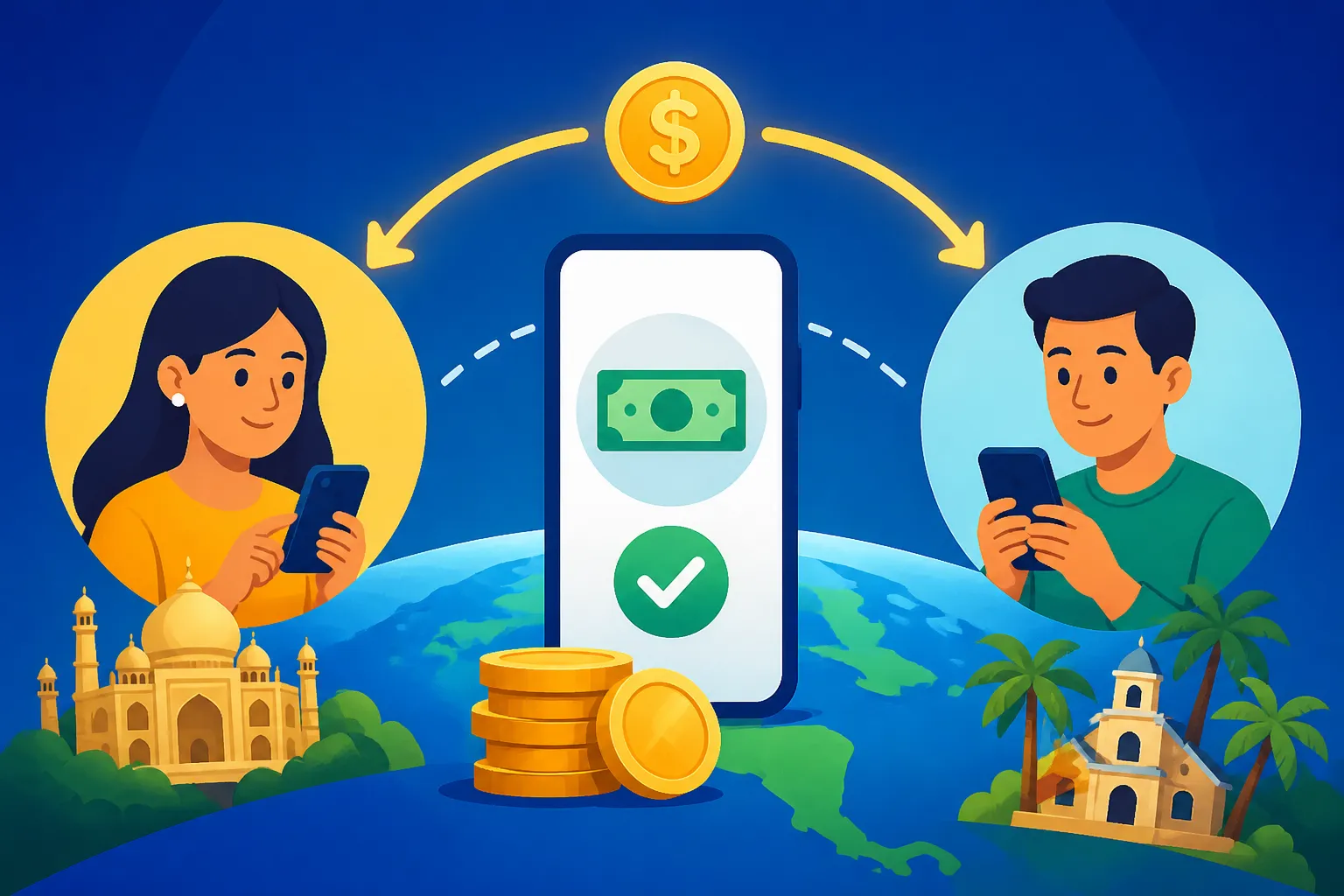
If you have ever stood in a sweltering queue at Lucky Plaza on a Sunday or navigated the bustling crowds near Mustafa Centre just to send money home, you know the frustration of seeing your hard-earned SGD eaten away by poor exchange rates. This guide provides a deep dive into the most cost-effective ways to remit money from Singapore to India and the Philippines, ensuring you stop overpaying and start maximizing every dollar.
The Remittance Landscape in Singapore: Why Rates Matter
For many of us living as expats in the Little Red Dot, remitting money isn't just a monthly chore; it is a lifeline for families back home. Whether you are paying for a mortgage in Mumbai or school fees in Manila, the "spread" on an exchange rate can be the difference between a comfortable month for your loved ones and a stressful one. Singapore’s financial hub status means we have an abundance of choices, but more choice often leads to more confusion.
The Hidden Cost of Zero Fees
One of the most common traps I see newcomers fall into is the "Zero Fee" marketing gimmick. Walk into any traditional money changer or look at certain bank promos, and you will see "No Commission" or "S$0 Fees" plastered everywhere. However, there is no such thing as a free lunch in the world of Banking and Finance for Expats in Singapore: Complete 2027 Guide.
These providers simply hide their profit in the exchange rate. If the mid-market rate—the one you see on Google—is 62.5 INR to 1 SGD, but the provider offers you 61.2, they are pocketing that difference. Over a transfer of S$2,000, that is nearly S$40 lost to the ether. When you are calculating your Budgeting in Singapore: Cost of Living Benchmarks for Expats, these small leaks can significantly impact your long-term savings goals.
Market Rate vs. Bank Rate
Understanding the "Mid-Market Rate" is your first step toward financial literacy in Singapore. This is the real exchange rate—the midpoint between the buy and sell prices of two currencies. Most traditional banks in Singapore will charge a markup of 1% to 3% on this rate. While a 1% difference might sound negligible, it adds up quickly over a year of monthly transfers.
When you use platforms like Wise, you are often getting the mid-market rate with a transparent, upfront fee. This transparency is crucial because it allows you to compare the total cost of the transaction accurately. Expats are advised to ignore the "fee" column and look strictly at the "amount received" at the other end. That is the only number that truly matters.
Sending Money to India: Best Options for Expats
The Singapore-India corridor is one of the most competitive in the world. With a massive Indian diaspora ranging from tech professionals in Changi Business Park to construction experts in the heartlands, the demand for high-speed, high-value transfers is constant.
Digital Disruptors: Wise and Beyond
In recent years, digital-first platforms have completely upended the market. Platforms like Wise have become the gold standard for many of us because they avoid the SWIFT network’s "intermediary bank fees" which used to plague international transfers. Instead of sending money across borders, these platforms have local accounts in both Singapore and India. When you pay SGD into their Singapore account, they release the equivalent INR from their Indian account.
This method is not only cheaper but often near-instant. Transfers can hit an ICICI or HDFC account in less than ten minutes. If you are looking for The Best Multi-Currency Accounts for Expats: Wise vs Revolut vs Banks, checking out these digital options should be your priority. They integrate perfectly with PayNow and FAST Transfers: How Singapore Moves Money Instantly, meaning you can fund your transfer directly from your local DBS or OCBC app without any hassle.
Traditional Corridors: Little India and Local Banks
Despite the digital surge, many still prefer the familiarity of traditional banks like DBS (via DBS India Remit) or ICICI Bank Singapore. These can be competitive, especially if they are running a "seasonal" promotion during Diwali or the year-end. DBS, in particular, often offers zero-fee transfers with fairly competitive rates for their account holders.
Then there is the "Little India" experience. Walking into a physical remittance shop like Western Union or specialized Indian exchange houses near Serangoon Road can sometimes yield a slightly better "cash" rate, but the trade-off is your time. If you value your weekends, the digital route usually wins. However, for those sending very large sums, sometimes speaking to a manager at a physical branch can help you Managing Exchange Rate Risks When You Earn in SGD more effectively by locking in a rate during a favorable market dip.
Sending Money to the Philippines: Navigating the Corridors
For Filipino expats, the remittance culture is deeply social and rooted in specific hubs. Whether you are an EP holder working in FinTech or a nurse in a public hospital, getting the best PHP rate is a top priority.
The Lucky Plaza Experience
Lucky Plaza on Orchard Road is the unofficial headquarters for the Filipino community in Singapore. On any given Sunday, the basement and upper floors are buzzing with remittance agencies like BDO, Metrobank, and PNB. The advantage here is the "human touch" and the ability to handle cash if you haven't yet fully transitioned to digital banking.
The exchange rates at Lucky Plaza are often very competitive because the shops are literally side-by-side, forcing them to fight for your business. However, the downside is the physical queue. In a post-2024 world where everything is accessible via Understanding Singpass: The Key to Digital Banking and Government Services, standing in line for an hour seems unnecessary unless you are also there for the Jollibee and the community vibe.
Mobile Wallets: GCash and Maya Integration
The biggest game-changer for the Philippines corridor has been the integration with mobile wallets like GCash and Maya. Many digital platforms, including Wise, now allow you to send money directly to a GCash wallet rather than a traditional bank account.
This is incredibly useful because your family back home can use that digital balance immediately for bills or groceries without needing to find an ATM. The rates for wallet-to-wallet transfers are often among the best in the market. When you are looking at Sending Money Overseas: Remittance and FX Strategies in Singapore, always check if your chosen provider supports these "direct-to-wallet" features, as they often bypass the small withdrawal fees charged by local Philippine banks.
Comparative Analysis: Which Method Wins?
To make an informed choice, you need to see how these options stack up against each other. The "best" option often depends on whether you value speed, the absolute lowest price, or the convenience of your existing bank app.
| Method | Typical Rate Markup | Transfer Speed | Best For |
|---|---|---|---|
| Wise | 0.4% – 0.7% (Transparent) | Instant to 1 Day | Small to Medium transfers; Transparency |
| DBS India Remit | 0.8% – 1.2% | Same Day | Existing DBS customers; Convenience |
| Lucky Plaza Shops | 1.0% – 1.5% | Same Day | Cash-based transfers; Community trust |
| Traditional SWIFT | 3.0% + S$30 Fee | 3 – 5 Days | High-value business transfers (rarely for personal) |
| Singtel Dash | 1.0% – 1.2% | Instant | Small, frequent transfers to mobile wallets |
As you can see, for the average expat sending between S$500 and S$5,000, digital platforms like Wise or specialized bank portals usually offer the best balance of cost and speed. If you are planning a Financial Exit Strategy: Closing Accounts and Tax Clearance, these platforms are also invaluable for moving your entire life savings back home with minimal slippage.
Tax and Regulatory Considerations for Remittance
One thing we often forget in the excitement of a good exchange rate is the paperwork. Both Singapore and your home country have rules about moving large sums of money.
IRAS and Reporting Requirements
Singapore is generally very liberal with capital outflows; there are no "currency controls" preventing you from sending your salary home. However, you must ensure that the money you are sending has been properly taxed. For those on an Employment Pass, your employer should be handling your monthly contributions, but you are still responsible for your annual Singapore Income Tax for Foreigners: IRAS Rules and Filing (2026).
If you suddenly remit a million dollars that doesn't align with your declared income, it might trigger a "know your customer" (KYC) flag at the bank. Always keep your payslips and tax assessments handy. Transparency with your bank and remittance provider is key to avoiding frozen accounts or delayed transfers.
Managing Global Tax with Experts like Taxes for Expats
Sending money home can sometimes have tax implications in your destination country, especially for India. For example, transferring money into a NRE (Non-Resident External) account is usually tax-free in India, but interest earned might still need to be reported depending on your tax residency status.
This is where specialized services like Taxes for Expats become essential. They help you navigate the double taxation treaties between Singapore and your home country. If you are an American expat living in Singapore—a common scenario—you have the added burden of IRS reporting regardless of where you live. Consulting with Taxes for Expats ensures that your "savings" from a good exchange rate aren't wiped out by a surprise tax penalty from Uncle Sam or the authorities back home.
Practical Tips for Maximizing Every Dollar
Over my years here, I’ve learned that timing and strategy are just as important as the platform you choose. Here are some veteran tips to keep your costs down.
Timing the Market
Exchange rates fluctuate based on global news, oil prices, and central bank decisions. While you can't predict the future, you can look for patterns. For the INR, the rate often dips when oil prices spike. For the PHP, you might see fluctuations around the Philippine central bank's interest rate announcements.
I suggest setting "Rate Alerts" on your phone. Most apps, including Wise, allow you to set a target rate. If you don't need to send the money immediately, wait for that notification. Even a 0.5% improvement can buy your family a nice dinner back home.
Security and Scam Prevention
In the digital age, the risk of "phishing" is real. Always ensure you are using the official app of your chosen provider. Never click on a link in an SMS claiming your "remittance has been blocked."
If you are using a new service for a large amount, do a "test transfer" of S$10 first. Once that clears and you are happy with the process, send the rest. This is a small price to pay for peace of mind. Also, ensure your Understanding Singpass: The Key to Digital Banking and Government Services is secured with two-factor authentication, as it is often linked to your banking apps.
Disclaimer
This guide is for informational purposes only and does not constitute financial, legal, or tax advice. Exchange rates and fees are subject to market volatility and provider policy changes. Always perform your own due diligence and consult with a qualified professional, such as the team at Taxes for Expats, regarding your specific tax liabilities and cross-border financial obligations.