Getting Your Deposit Back: Navigating End-of-Lease Cleaning and Disputes
One of the most nail-biting moments for any expat leaving a rental property in Singapore is the dreaded final inspection and the subsequent waiting game for your security deposit. It’s a common source of stress and frustration, often feeling like a minefield where every scuff mark or speck of dust could cost you. This comprehensive guide is here to demystify the process, from understanding your tenancy agreement to navigating potential disputes, ensuring you have the best chance of getting your hard-earned money back.
Understanding Your Tenancy Agreement Before You Even Move In
Let's be real, when you first arrive in Singapore, the excitement of a new home often means you skim over the fine print. But that Tenancy Agreement (TA) is your Bible when it comes to getting your deposit back. Ignoring it can lead to some truly unpleasant surprises down the line. It's not just a formality; it's a legally binding document that outlines both your responsibilities as a tenant and your landlord's obligations. Many expats find themselves caught off guard because they didn't fully grasp the local nuances embedded in these contracts.
The Importance of a Detailed Inventory List and Condition Report
This is arguably the most critical document you'll handle at the start of your lease. When you move into a new place, whether it’s a sprawling condo in Tanglin or a cosy HDB flat in Tiong Bahru, your landlord or agent should provide an inventory list and a condition report. Do not just sign it without thoroughly checking every single item. Many expats regret not doing this.
Imagine walking into your new condo, and the inventory lists a "scratch-free dining table." If you don't inspect it carefully and find a pre-existing scratch, then sign off, guess who's paying for that scratch when you move out? You are. Take detailed photos and videos of everything – the walls, floors, appliances, furniture, and especially any pre-existing damages, no matter how minor. Document chipped tiles, stained grout, scratches on wooden floors, marks on walls, and even the cleanliness of the aircon filters. Date and timestamp your evidence. Send these photos and a written addendum to the inventory list to your landlord or agent via email within the stipulated timeframe (usually 7-14 days after moving in), ensuring you have a digital trail. This proactive step creates an irrefutable record of the property's condition at handover, setting a clear baseline for "fair wear and tear" later on. It’s your shield against unfair claims. You can also refer to our guide on Moving In: Conducting the Handover Inventory and Defect Check for more detailed tips.
Decoding the "Fair Wear and Tear" Clause
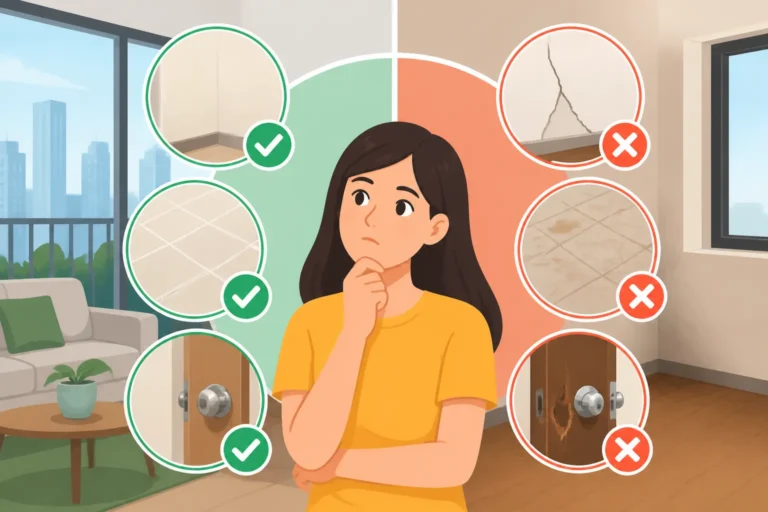
Ah, "fair wear and tear." This is where many disputes arise because its interpretation can be subjective. In Singapore, generally, "fair wear and tear" refers to the natural deterioration that occurs with ordinary use over time, without negligence or misuse. It's the subtle fading of curtains from sunlight, the slight thinning of carpet in high-traffic areas, or the loosening of a cupboard hinge after years of opening and closing. It’s not a huge red wine stain on the carpet, a large dent in the wall from moving furniture, or a broken showerhead because someone dropped it.
Landlords expect the property to be returned in a similar condition to how it was rented out, accounting for this normal aging. However, some landlords might try to claim for every minor imperfection, hoping you won't challenge it. This is precisely why your detailed inventory and photos from day one are indispensable. If a landlord claims for a scuff mark, and your photo proves it was there when you moved in, their claim falls flat. Understanding What Constitutes "Fair Wear and Tear" in a Singapore Apartment?, can save you a lot of headache and money.
Specific Cleaning Clauses: Aircon Servicing and Professional Cleaning
Many Singapore tenancy agreements include very specific clauses about end-of-lease cleaning, especially concerning air conditioning units. It's incredibly common for TAs to mandate quarterly aircon servicing by a professional company throughout your lease, and then a chemical wash or deep cleaning of the units just before you move out. If you fail to adhere to these clauses, your landlord is well within their rights to deduct the cost from your deposit.
Keep meticulous records of all your aircon servicing receipts, detailing the date and type of service performed. The same goes for professional cleaning. While some TAs might just state "professional cleaning," others might specify "chemical cleaning of bathrooms" or "professional carpet shampooing." Always clarify these expectations with your agent or landlord early on. Get quotes from a few reputable cleaning companies well in advance of your move-out date. These costs can add up quickly, especially for a larger property. Ignoring these clauses is like leaving money on the table for your landlord to take, so staying on top of Aircon Servicing and Minor Repair Clauses: What Tenants Must Pay is crucial.
The End-of-Lease Process: What to Do Before Moving Out
The last few weeks leading up to your departure can feel like a whirlwind, especially if you're juggling work, packing, and making arrangements for your next destination. However, a structured approach to your move-out can significantly reduce stress and safeguard your deposit. Think of it as a strategic exit plan.
Notifying Your Landlord and Scheduling the Final Inspection
The diplomatic clause in your Tenancy Agreement (TA) usually stipulates a notice period, often two months, before you can vacate the property prematurely due to job transfer or loss. Even if you're staying for the full term, you'll need to inform your landlord in writing about your intention to move out. Missing this window or providing insufficient notice can lead to penalties, such as forfeiting your deposit or being liable for rent until a new tenant is found. So, clearly understanding your lease's specifics, especially regarding Tenancy Agreements: The Diplomatic Clause and Breaking Your Lease, is vital.
Once notice is given, initiate communication with your landlord or agent to schedule the final inspection. Aim for a date that allows you sufficient time to move out, clean, and fix any issues, but also gives the landlord time to inspect before the next tenant moves in. It’s best practice to conduct the inspection with your landlord or their representative present. This allows for immediate discussion of any concerns and reduces misinterpretations. If you can’t be there in person, ensure a trusted friend or your agent attends on your behalf, equipped with your initial inventory photos and a clear understanding of your expectations.
Tackling End-of-Lease Cleaning: DIY vs Professional Services
The cleanliness of your rental unit is a major factor in deposit returns. While you might be tempted to save a buck and do it yourself, consider the high standards in Singapore. Landlords here expect a sparkling clean property, often to hotel-standard. Doing it yourself can be exhausting, and if it's not up to scratch, the landlord will likely hire professionals anyway and deduct the cost from your deposit.
Professional end-of-lease cleaning services in Singapore are well-versed in landlord expectations. They’ll usually tackle everything from deep-cleaning bathrooms and kitchens, scrubbing grout, cleaning windows, and wiping down all surfaces. While it's an upfront cost, it often pays for itself by reducing potential deductions. Get a few quotes and read reviews. Many expats swear by services like Helpling or Butler, or local cleaning companies that specialize in move-out cleans. Ensure they provide a guarantee or a re-clean policy if the landlord isn't satisfied. Don't forget to get a receipt for their services – it’s another piece of valuable evidence if a dispute arises.
Addressing Minor Repairs and Damages Proactively
Before the final inspection, walk through your apartment with your initial inventory report and a critical eye. Identify any damages beyond normal wear and tear that are clearly your responsibility. Did you hang too many pictures and now have a dozen nail holes? A quick patch-and-paint job can be cheaper than the landlord hiring a handyman. Are there scuffs on the walls? A magic eraser or a touch-up with matching paint (if you have it) can work wonders.
For more significant issues, like a leaking faucet you neglected, a broken light fixture, or a malfunctioning appliance due to misuse, get quotes from handymen before the inspection. Being proactive shows good faith and allows you to control the cost. Your landlord might have a preferred vendor who charges more, so having your own quotes ready can be a powerful negotiation tool. Remember, any pre-existing issues should be clearly documented from your move-in photos, so you don't take the blame for them. When getting serious about moving, platforms like Sirelo can be super helpful for comparing moving companies and getting your belongings to your next destination smoothly, allowing you more mental space to focus on the apartment details.
Navigating Deposit Deductions: Common Pitfalls and How to Avoid Them
Even with the best intentions and meticulous cleaning, some landlords will find reasons to deduct from your deposit. It’s frustrating, but it’s a reality many expats face. The key is to be prepared, understand your rights, and have your evidence ready.
Documenting Everything: Your Best Defense
I cannot stress this enough: documentation is your ultimate weapon. From the moment you move in until the moment you hand back the keys, every interaction, every repair, every cleaning job should be recorded.
- Photos and Videos: Take comprehensive photos and videos before moving in (as mentioned), and then after you’ve moved all your belongings out and completed your cleaning. Focus on areas prone to disputes: bathrooms, kitchen, walls, floors, and any furniture provided. Ensure they are dated.
- Receipts: Keep all receipts for professional cleaning, aircon servicing, and any repairs you undertook. These prove you fulfilled your obligations.
- Communication Logs: Save all emails, WhatsApp messages, and even SMS exchanges with your landlord or agent. If you have a phone conversation, follow it up with an email summarizing what was discussed and agreed upon. For example, "Following our call today, I understand you're happy with the aircon servicing receipt for [date]…" This creates a clear, undeniable paper trail.
Without this evidence, it often becomes a "he said, she said" situation, and unfortunately, the tenant is often at a disadvantage.
Common Reasons for Deposit Withholding
Landlords in Singapore commonly withhold deposits for a few key reasons:
- Cleaning Deficiencies: This is perhaps the most frequent. Even if you cleaned, if it's not up to their standard, they'll hire professional cleaners and charge you. This includes specific issues like dirty oven, greasy stove, mouldy bathroom grout, or uncleaned windows.
- Damages Beyond Fair Wear and Tear: Scratches, dents, holes in walls, broken fixtures, damaged appliances due to misuse – these are direct hits to your deposit. Remember your initial inventory.
- Unpaid Utilities and Bills: Ensure your SP Group account is closed and all final bills (electricity, water, gas, refuse) are paid. Similarly, cancel your internet and any other subscriptions tied to the address. Outstanding bills will almost certainly be deducted. You'll need to specifically contact SP Group to terminate your account and settle the final bill. Our guide on Terminating SP Group Utilities and Claiming Your Initial Deposit covers this process in detail.
- Breach of Contract: This could include anything from unauthorised alterations to the property, having pets in a no-pet unit, or subletting without permission.
- Garden Maintenance: If you rented a landed property with a garden, and the TA stipulated tenant responsibility for upkeep, failure to maintain it can lead to deductions.
Negotiating with Your Landlord or Agent
Once the landlord presents their list of proposed deductions, review it carefully against your documentation. Don't immediately agree.
- Request Itemised Breakdown: Ask for a detailed, itemised list of all deductions, including invoices or quotes for the proposed works.
- Present Your Evidence: If you dispute a charge, politely but firmly present your evidence (photos, receipts, communication logs). For example, "I understand you're requesting S$200 for a deep clean of the oven, but here is my receipt for a professional end-of-lease clean dated [date], which included oven cleaning. My photos from [date] also show the oven was cleaned."
- Be Prepared to Compromise: Sometimes, a small negotiation can prevent a large dispute. If the landlord has a legitimate claim for a minor repair, it might be better to agree to a reasonable deduction rather than fighting over every cent.
- Stay Professional: Emotions can run high, but maintaining a calm, respectful, and professional tone in all communications is key. Keep everything in writing.
Here's a quick comparison of common deductions vs. what should be considered fair wear and tear:
| Item | Common Deduction Justification | Fair Wear and Tear Example | Your Defense Strategy |
|---|---|---|---|
| Wall Paint | Large stains, significant scuff marks, excessive nail holes | Minor fading, small, easily patched picture holes (reasonable) | Before & after photos, proof of professional patching/painting. |
| Flooring | Deep scratches, chipped tiles, burn marks, large stains | Slight scuffing in high-traffic areas, minor fading | Initial inspection photos showing pre-existing marks, photos of your clean floor post-move. |
| Kitchen Appliances | Dirty oven/fridge, broken parts, missing accessories | Minor wear on knobs, slight internal discolouration (age) | Photos of clean appliances, receipts for professional cleaning, documentation of any repairs. |
| Air Conditioning | Dirty filters, mouldy vents, non-functional unit | Standard operating noise, minimal dust accumulation | Quarterly servicing receipts, final chemical wash receipt. |
| Bathroom Grout/Tiles | Heavy mould, chipped tiles from impact | Slight discolouration over time, hairline cracks (age) | Photos of clean grout, initial photos of any existing tile damage. |
| Furniture (Provided) | Rips, significant stains, broken legs | Minor fabric pilling, slight fading of wood | Initial inventory description, photos of condition before move-in and after move-out. |
When Negotiations Fail: Seeking External Resolution
It's unfortunate when it comes to this, but sometimes, despite your best efforts and all your meticulously kept records, you just can't reach an amicable agreement with your landlord or agent. In Singapore, you do have avenues for recourse, though it's important to understand what they entail.
Understanding the Small Claims Tribunals (SCT) for Expats
The Small Claims Tribunals (SCT) are a common avenue for resolving tenancy disputes in Singapore, especially for claims involving security deposits. The SCT aims to provide a quick and affordable way to resolve minor disputes without the need for lawyers, although you can engage one if you wish (but it's generally not recommended for small claims due to cost).
Eligibility: To file a claim at the SCT, the dispute must generally be less than S$20,000 (or up to S$30,000 if both parties agree in writing). The claim must also arise from a contractual dispute, which a tenancy agreement certainly is. The key thing for expats is that you need to be physically present in Singapore to attend the hearings. If you've already flown home, this becomes significantly more challenging, if not impossible, unless you appoint someone with a Letter of Authorisation.
The Process:
- File a Claim: You'll need to submit an electronic claim via the Community Justice and Tribunals System (CJTS) portal, detailing your claim and attaching all your evidence (TA, inventory, photos, receipts, communication). There's a filing fee involved, typically a small percentage of your claim amount.
- Mediation: The SCT process usually starts with mandatory mediation. Both you and your landlord (or their representative) will meet with a mediator to try and reach a settlement. This is often successful, as it provides a neutral ground for discussion.
- Hearing: If mediation fails, the case proceeds to a hearing before a Tribunal Magistrate. They will hear both sides, examine the evidence, and make a decision. The decision of the SCT is legally binding.
Pros & Cons for Expats:
- Pros: Relatively inexpensive compared to full legal action, quicker resolution than civil courts, less formal.
- Cons: Requires physical presence, limited claim amount, can still be time-consuming, and enforcing the order if the landlord resists can require further steps.
Knowing How to Fight an Unfair Deposit Deduction at the Small Claims Tribunal can be a game-changer if you find yourself in this situation.
Mediation Services and Legal Advice
Before heading straight to the SCT, you might consider other mediation services. The Community Mediation Centre (CMC) offers mediation services for a nominal fee, and it’s a less formal setting than the SCT. Sometimes a neutral third party can help bridge the communication gap.
For more complex cases, or if the amount in dispute is substantial, you might consider seeking legal advice. Engaging a lawyer can be expensive, with consultation fees and hourly rates adding up quickly. However, a lawyer can review your tenancy agreement, assess the strength of your case, and advise you on the best course of action. They can also draft official letters to your landlord, which sometimes is enough to prompt a resolution. Just be mindful of the cost-benefit analysis here – don't spend S$5,000 on legal fees to recover a S$1,000 deposit.
Leveraging Regulatory Bodies if Applicable
While there isn't a specific government body like a "tenant board" in Singapore, there are situations where other regulatory bodies might indirectly come into play:
- Ministry of Manpower (MOM): If your housing was provided directly by your employer as part of your employment package, and the dispute is tied to your employment terms, MOM might be able to offer guidance or intervene. However, MOM primarily deals with employment disputes, not typically landlord-tenant issues for individually rented properties.
- Council for Estate Agencies (CEA): If your agent acted unprofessionally, unethically, or illegally (e.g., mishandling your deposit, not providing required documentation), you can file a complaint with the CEA, which regulates property agents in Singapore. While they won't directly get your deposit back, disciplinary action against the agent might influence the landlord to resolve the matter.
Remember, keeping a detailed log of communication with your agent and landlord, perhaps using a reliable communication method throughout your stay, helps build your case. If you're coordinating all these final details while preparing for your next move, having a seamless way to stay connected, perhaps with an eSIM from Airalo, can ensure you don't miss any critical updates.
Post-Move Out Checklist and Financial Considerations
The day you hand over the keys and jet off is exhilarating, but your financial responsibilities in Singapore don't end there. A proper exit strategy is crucial to avoid any lingering headaches or unexpected bills down the road. This goes beyond the deposit itself; it's about a clean break.
Transferring Utilities and Cancelling Subscriptions
This is a big one. You need to ensure all utility accounts under your name are properly terminated, or transferred to the incoming tenant if that's an arrangement you've made (though usually, it's safer to terminate).
- SP Group: Contact SP Group to close your electricity, water, and gas account. Provide your final meter readings (if applicable, though often they're automatically read), your move-out date, and a forwarding address for your final bill and any deposit refund. They usually require about 3-5 working days' notice. Make sure to claim your initial deposit back from SP Group.
- Internet and TV Providers: Whether you're with Singtel, StarHub, or MyRepublic, cancel your fibre broadband and any TV packages. Be aware of contract lock-in periods; breaking a contract early might incur penalty fees. Return any equipment (routers, set-top boxes) as instructed to avoid further charges.
- Mobile Phone Plans: If you have a postpaid plan, cancel it or port your number if you're staying in Singapore. If you're leaving the country, ensure the contract is fully terminated. Many expats opt for SIM-only plans for flexibility, which makes this step easier.
- Other Subscriptions: Think about gym memberships (Virgin Active, Fitness First), streaming services (Netflix, Spotify), or even newspaper subscriptions that might be tied to your Singapore address or bank account. Cancel them to prevent auto-renewals.
Ensure you have copies of all cancellation confirmations and final bills. It's a key part of your Financial Exit Strategy: Closing Accounts and Tax Clearance.
Updating Your Address and Forwarding Mail
Even in this digital age, some important mail might still arrive physically. Don't underestimate the importance of updating your address with various entities.
- Immigration and Checkpoints Authority (ICA) / Ministry of Manpower (MOM): If you're on an Employment Pass, Dependant's Pass, or Permanent Residency, you are legally required to update your residential address with MOM and ICA within 14 days of moving. While you're leaving, your last known address is important for official communication.
- Banks: Update your bank with your new overseas address if you intend to keep your Singapore bank account open. This is crucial for receiving statements or important notices.
- IRAS (Inland Revenue Authority of Singapore): Ensure your tax records reflect your departure and your new overseas address for any final tax correspondence.
- Your Home Country Embassy/High Commission: Inform them of your departure if you're registered with them.
- Mail Forwarding: Consider setting up mail forwarding with SingPost for a temporary period to catch any stragglers.
Protecting Your Financial Interests After Departure
Once you've left Singapore, dealing with any lingering financial issues from afar can be a real pain.
- Keep Your Singapore Bank Account Open (Temporarily): It's often advisable to keep your Singapore bank account open for a few months after your departure. This allows for your rental deposit to be credited, final utility bills to be debited, and any last salary payments or tax refunds to be processed. Many banks offer non-resident accounts, but check the requirements and fees. Our guide on Keeping Your Singapore Bank Account Open After Relocating Abroad delves into the specifics.
- Close Credit Cards: Settle all outstanding balances and formally close any Singaporean credit cards. Carrying them overseas can sometimes lead to unexpected fees or security issues.
- Tax Clearance: Your employer should handle your tax clearance (Form IR21) with IRAS when you leave. Ensure this is completed; otherwise, your final salary might be withheld.
- Monitor Statements: Continue to monitor your Singapore bank statements and credit card statements (if you've kept them) for any unexpected charges for at least six months after leaving. It's much easier to dispute something from your home country if you catch it early.
By systematically working through this checklist, you can minimise stress and truly ensure a clean financial break from your Singapore chapter, focusing on the exciting new adventures ahead!
Disclaimer
The information provided in this guide is for general informational purposes only and does not constitute legal or financial advice. While we strive to keep the content accurate and up-to-date, rules and regulations in Singapore, especially regarding tenancy laws, can change. It is always recommended to consult with a qualified legal professional or property agent for advice tailored to your specific situation. We are not liable for any actions taken based on the information presented herein.