What to Do If Your Employer Cancels Your EP Unexpectedly
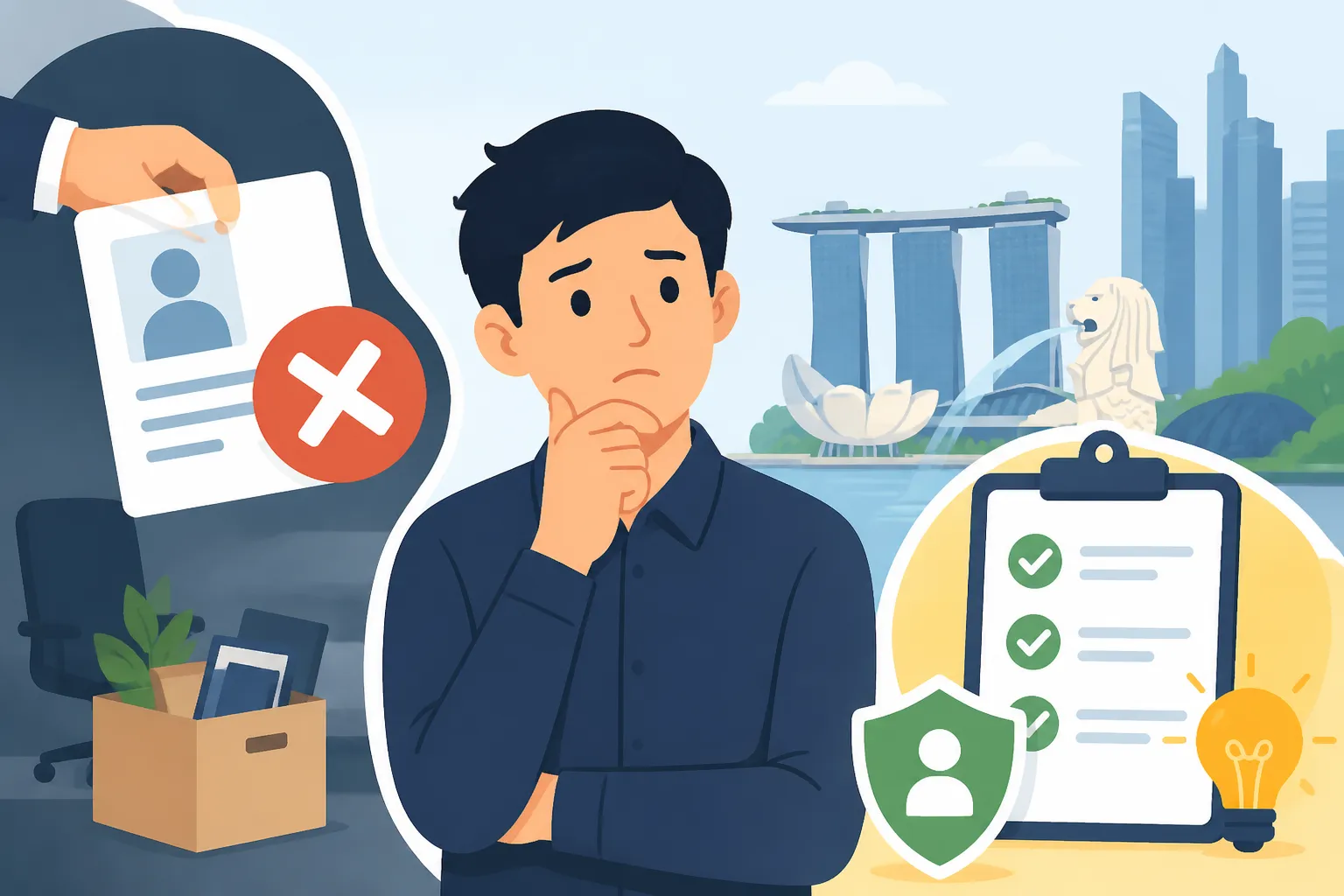
Discovering your Employment Pass (EP) has been unexpectedly canceled by your employer in Singapore can feel like the rug has been pulled out from under you. It's a deeply unsettling and stressful situation, plunging you into immediate uncertainty about your legal status, your family's future, and your ability to remain in a country you've come to call home. This guide is designed to walk you through the immediate steps you need to take, understand your rights and options, and navigate the bureaucratic maze when your EP is abruptly cut short.
Understanding the Immediate Aftermath of EP Cancellation
When your Employment Pass is canceled, it's not just a matter of losing your job; it directly impacts your legal right to reside and work in Singapore. The first few days after such news can be a whirlwind of panic and confusion, but understanding the basics of what happens next is crucial.
Your Status and the 30-Day Short Term Visit Pass STVP
The moment your employer cancels your Employment Pass, the Ministry of Manpower (MOM) is informed, and your official work authorization ceases. However, Singapore's immigration system isn't designed to leave you stranded instantly. Typically, the MOM will issue you a Short-Term Visit Pass (STVP), which usually grants you 30 days of legal stay in Singapore. This 30-day window is absolutely critical. It’s not a holiday; it's a grace period intended for you to sort out your affairs, seek new employment, or make arrangements to leave the country.
During this STVP period, you are explicitly not allowed to work. Attempting to work, even remotely for an overseas company, could be seen as a violation of your STVP conditions and lead to serious penalties, including fines, imprisonment, or even caning in extreme cases. This is why it's so vital to use this time wisely. Think of it as a temporary reprieve, a chance to regain your footing without immediate pressure to depart. The clock starts ticking from the date your EP is officially canceled, not necessarily the day you were informed. Always double-check the expiry date on your STVP to avoid any accidental overstaying, which carries severe consequences.
What Happens to Your Dependant's Pass Holders?
This is often one of the most immediate and agonizing concerns for expats with families. If your Employment Pass is canceled, the Dependant's Passes (DPs) of your spouse and children are directly tied to your status and will also be canceled. Just like you, your dependants will typically be issued a 30-day STVP, aligning with your own grace period.
This means your entire family is now on a ticking clock. If you cannot secure a new Employment Pass or another valid long-term visa within that 30-day window, your family members will also need to either obtain their own independent passes (which is rare and difficult unless they have a job offer) or prepare to leave Singapore with you. It's a harsh reality, but understanding it upfront allows you to plan. Keep lines of communication open with your spouse, especially if they are also working under a Letter of Consent (LOC). Their LOC is tied to their DP, which is tied to your EP, so their ability to work will also cease. For comprehensive information on bringing your family, you might want to revisit the guide on Dependant’s Pass and LTVP: Bringing Family to Singapore.
Immediate Action Steps and Navigating MOM
The initial shock can be paralyzing, but swift and deliberate action is your best defense. Don't delay; the 30-day window is shorter than you think.
Confirming the Cancellation and Retrieving Your Documents
Your first step should be to confirm the official cancellation date and obtain all necessary documentation from your former employer. While they might have informed you verbally, you need official proof. Request a formal letter of EP cancellation, stating the effective date and confirming that they have notified the Ministry of Manpower (MOM). You should also ensure you get your final payslip and any other employment-related documents, such as your IR8A (income tax form).
Crucially, your employer is responsible for submitting your tax clearance paperwork to the Inland Revenue Authority of Singapore (IRAS) via Form IR21. This process is called "Tax Clearance Process When You Resign and Leave Singapore." They should do this within one month of your expected date of cessation of employment, or before you leave Singapore, whichever is earlier. You won't receive your last salary until this is cleared, so it's in your best interest to ensure your employer initiates this promptly. Keep copies of all correspondence and documents. This paper trail will be invaluable whether you seek new employment or need to address any disputes.
Seeking Legal Advice When and Why
While Singapore has a clear legal framework, navigating it when you're under immense stress and potentially feeling wronged can be overwhelming. There are specific instances where seeking legal advice from an employment lawyer specializing in expat issues in Singapore is highly recommended:
- Dispute over Termination: If you believe your termination was unfair, discriminatory, or in breach of your employment contract, a lawyer can assess your case. Singapore's employment laws, while generally employer-friendly, do offer protections against wrongful dismissal. Understanding Employment Rights in Singapore: MOM Laws, Contracts, and Leave can give you a baseline, but a lawyer can interpret the nuances of your specific situation.
- Contractual Breaches: Did your employer violate clauses related to notice periods, severance pay, or other terms in your contract? A lawyer can help you understand if you have grounds to file a claim.
- Issues with Tax Clearance (IR21): If your employer is dragging their feet on submitting your IR21, preventing you from getting your final pay, a lawyer can help expedite the process or advise on recourse.
- Complex Immigration Questions: While this guide covers general scenarios, unique family situations or previous immigration history might warrant specialized advice.
It's wise to consult with an expert sooner rather than later, especially given the strict timelines involved. Many law firms offer initial consultations, which can help you understand your standing without a full commitment.
Your Options for Staying or Leaving Singapore
With your STVP active, you essentially have two main paths: finding a way to secure a new long-term visa to stay or preparing for an organized departure.
Finding a New Job and Securing a New EP
The 30-day STVP is designed to give you a window to find new employment. This is often the preferred route for many expats who wish to remain in Singapore. However, it's a high-pressure situation. You need to activate your job search immediately.
Here's what you need to focus on:
- Network Aggressively: Leverage your professional network. Let contacts know you're actively looking. Singapore is a small world, and word-of-mouth referrals can be incredibly effective. Join professional associations and expat groups.
- Online Job Boards: Platforms like LinkedIn, MyCareersFuture, and other specialized job portals are your go-to. Be upfront but professional about your situation – you are available immediately, and your previous EP was canceled (not terminated for cause, if that's the case). Check out resources like Job Hunting in Singapore: Strategies for English-Speaking Professionals.
- Update Your CV: Ensure your resume is tailored for the Singaporean market, highlighting your achievements and local experience. You might also find it useful to understand Resumes and Interviews in Singapore: Navigating Local Hiring Norms.
- Expedite Interviews: Explain to potential employers the urgency of your situation, highlighting that you're on an STVP and need to secure a new EP within a specific timeframe. A new employer will need to apply for a new Employment Pass for you, which will be subject to the MOM's current criteria, including the COMPASS Framework 2026: Points, Salary Benchmarks, and Top Universities. The application and approval process can take several weeks, so time is of the essence. If a company can act quickly, that's a huge advantage.
Crucial Point: You cannot start working until your new Employment Pass application is approved by MOM and you receive your In-Principle Approval (IPA). Starting work before this is a serious offense.
Exploring Other Visa Options
While less common, there might be other visa avenues depending on your circumstances:
- Dependant's Pass (DP) for Spouse: If your spouse has a high-earning EP, it might be possible for them to sponsor you for a Dependant's Pass. However, you would then need a Letter of Consent (LOC) to work, which is tied to their DP, if you intend to be employed. This route allows you to remain, but your work authorization would be secondary.
- Long-Term Visit Pass (LTVP): In very specific circumstances, such as being the parent of a Singaporean citizen or PR, or having a common-law spouse who is a citizen/PR, an LTVP might be an option. These are harder to obtain and often don't permit employment.
- EntrePass: If you have a viable business idea and can meet stringent criteria regarding funding and innovation, the EntrePass could be an option. This is for serious entrepreneurs and involves significant planning and investment.
- Student Pass: If you're considering a career change or further education, enrolling in a recognized institution could lead to a Student Pass. However, this is a longer-term commitment and also subject to specific rules, including those around part-time work.
It's vital to research these options thoroughly and understand their strict eligibility requirements.
Preparing for Departure and Tax Clearance
If finding a new job isn't feasible, or if you decide it's time to move on, you need to systematically prepare for your departure.
Tax Clearance: This is non-negotiable. Your employer must handle the IR21 submission to IRAS. You should track its progress. Once IRAS processes it, they will inform your employer of any taxes payable. You, as the departing employee, are responsible for ensuring these are paid. If there's an issue, reach out to IRAS directly. Many expats use services like Taxes for Expats to help navigate the complexities, especially if they have income from multiple sources or are worried about double taxation. Knowing about Double Taxation Agreements (DTA): How Expats Avoid Paying Tax Twice can be helpful here.
Closing Accounts: You'll need to close your bank accounts, utilities (SP Group), and any other recurring services. Ensure all outstanding bills are settled. For bank accounts, while some expats try to keep them open, it can become complicated without a local address or valid long-term visa. It's often best to consolidate funds and transfer them home. The guide on Financial Exit Strategy: Closing Accounts and Tax Clearance will be invaluable.
Property and Logistics:
- Tenancy Agreement: Review your tenancy agreement. If you have a diplomatic clause, losing your job might allow you to break your lease early without penalty. If not, you might be liable for the remaining rent or need to find a sub-tenant, which requires landlord approval.
- Shipping: Arrange for shipping your belongings back home or to your next destination.
- Final Goodbyes: Make sure you say goodbye to friends and colleagues. Singapore can be a transient place, but the bonds you form are real.
Immigration Exit Steps: When you leave Singapore, you must ensure your STVP does not expire before you depart. Make sure you officially leave the country before the 30-day period is up to avoid any issues at immigration. You will typically hand back your physical EP card (if you still have it) at the airport upon departure, or it might have been surrendered earlier. The article Leaving Singapore: Pass Cancellation and Immigration Exit Steps provides a detailed checklist.
Managing Your Finances and Well-being
An unexpected job loss and visa cancellation can be devastating, not just practically but emotionally and financially.
Financial Implications and Budgeting
This period demands stringent financial management.
- Emergency Fund: This is exactly why an emergency fund is crucial. You might be without income for a month or more, and you'll have various expenses related to job searching or departure.
- Severance Pay: Understand if you are entitled to any severance pay as per your contract or MOM guidelines. This can provide a buffer.
- Budgeting: Cut all non-essential spending immediately. Focus on necessities: housing, food, and essential transport. Review your Healthcare Budgeting in Singapore: Managing Out-of-Pocket Costs to ensure you only incur necessary medical expenses during this period.
- Remittances: If you need to send money home, research services like Wise or Revolut to get good exchange rates. The cluster article on The Best Multi-Currency Accounts for Expats: Wise vs Revolut vs Banks can offer guidance.
Financial stress is a huge burden, but a clear-eyed approach to your budget can help you regain some control.
Emotional Support and Resources
It's completely normal to feel angry, sad, anxious, or lost during this time. Don't bottle up these feelings.
- Talk to Your Support System: Reach out to trusted friends, family, or your partner. Share what you're going through.
- Expat Communities: Online expat forums and social groups can be a great source of emotional support and practical advice from others who have gone through similar experiences. You'll find immense empathy and solidarity within these communities.
- Professional Help: If the stress feels overwhelming, consider seeking professional help. Singapore has many qualified therapists and counselors who understand the unique challenges faced by expats. Finding an English-speaking therapist for Finding an English-Speaking Therapist for Anxiety and Expat Isolation can be a lifesaver. Even simple things like finding a language partner through platforms like iTalki can help you maintain social connection and reduce feelings of isolation.
Remember, this is a setback, not a permanent failure. Many expats face unexpected challenges, and with a strategic and calm approach, you can navigate this difficult period successfully, whether that means securing a new role in Singapore or making a graceful exit.
Disclaimer
The information provided in this guide is for general informational purposes only and does not constitute legal, financial, or immigration advice. While every effort has been made to ensure accuracy, regulations and procedures in Singapore can change rapidly. Always consult with official government sources (MOM, ICA, IRAS), legal professionals, or immigration consultants for advice tailored to your specific situation. Reliance on any information in this guide is solely at your own risk.