The HDB Non-Citizen Quota: How It Affects Your Rental Search
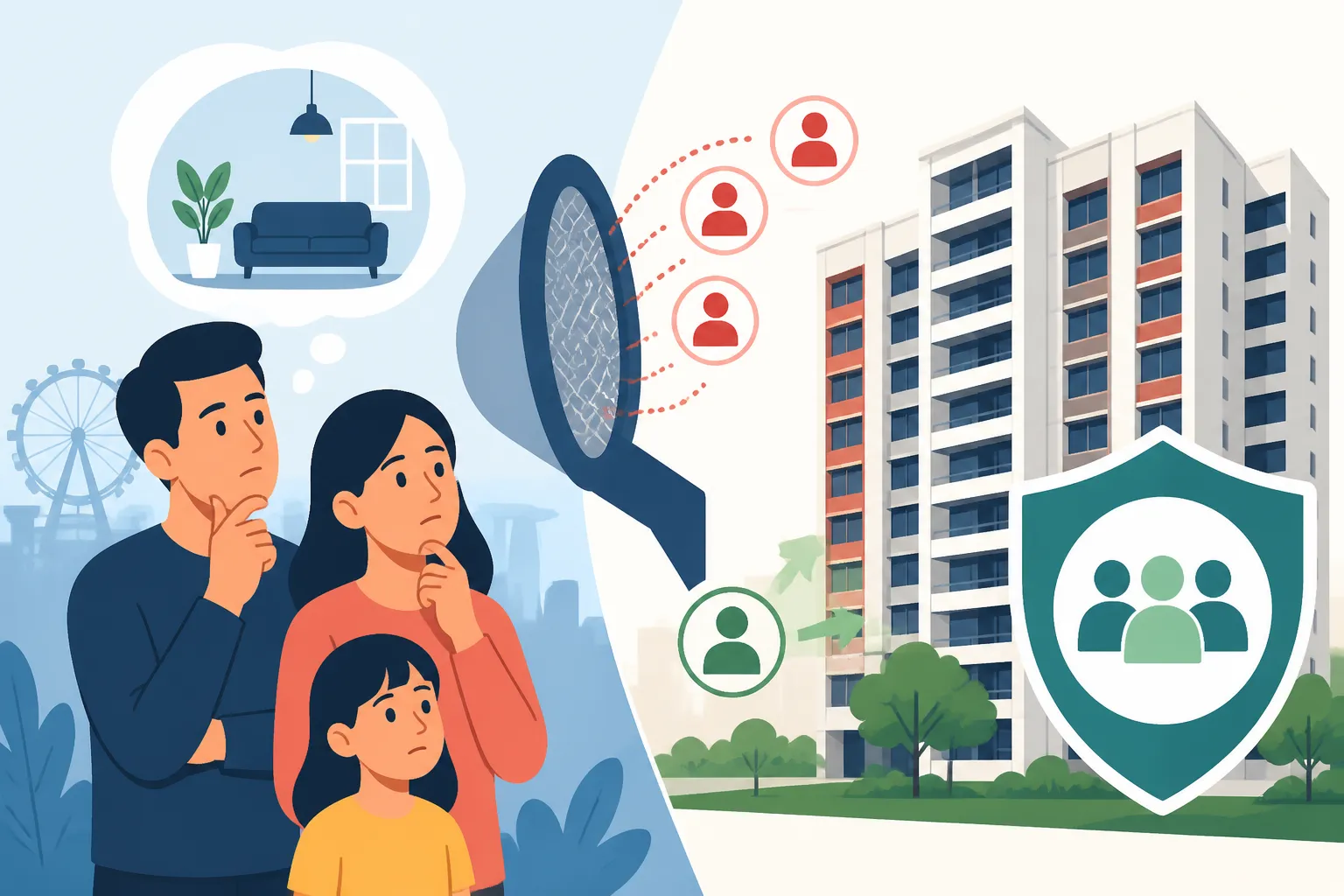
Ah, the quest for a place to call home in Singapore! Many of us arrive, eyes wide with possibility, only to be met with the often-opaque realities of the housing market. One of the trickiest hurdles for non-citizens eyeing a budget-friendly HDB flat is the infamous HDB Non-Citizen Quota. This guide will walk you through exactly what this quota means for your rental search, why it exists, and how to navigate the challenges it presents, sharing insights from years of living through it myself.
What is the HDB Non-Citizen Quota?
Let's get straight to it: the Housing & Development Board (HDB) is the public housing authority in Singapore, responsible for the vast majority of residential properties. While these flats are primarily for Singapore citizens and Permanent Residents (PRs) to own, many are also available for rent on the open market. However, for non-citizens, there's a specific set of rules that can feel like trying to solve a Rubik's Cube blindfolded. The HDB Non-Citizen Quota is one of the most significant.
The Rationale Behind the Policy
You see, the HDB system is designed to foster social cohesion and prevent the formation of "enclaves" of foreigners within specific housing blocks or neighbourhoods. Imagine a situation where suddenly, one HDB block becomes entirely populated by people from a single foreign country; it could lead to social friction, a loss of local character, and potentially drive up rental costs disproportionately for locals. To mitigate these concerns, the government implemented quotas. It’s not about being exclusionary, but rather about maintaining a delicate balance and ensuring that HDB towns remain diverse and integrated communities for Singaporeans first and foremost. This policy ensures that despite the influx of expats, the core demographic and social fabric of HDB estates are preserved.
How the Quota is Calculated and Applied
Here's where it gets a bit complex, and frankly, a source of major headaches for many expats. The HDB Non-Citizen Quota applies at two levels: the neighbourhood and the block. For non-citizens (excluding Malaysian citizens, who have a slightly higher allowance), the quota for renting an entire HDB flat is capped at 8% of the total resident households in a neighbourhood, and 11% of the total resident households in an individual block.
What this means in practice is that if a particular HDB block or even an entire neighbourhood has already reached its non-citizen occupancy limit, then no matter how perfect that flat is for you, you simply cannot rent it. The HDB portal, which agents and landlords use, will flag it immediately. It's a hard stop. You could be minutes away from signing a Letter of Intent, and then boom, the system says no. It’s a frustrating reality many of us have faced, having found an ideal spot only to be told it's "quota-ed out." This isn't just for whole flats; it applies to rooms being sublet too, which can make things even more restrictive.
Common Misconceptions Among Expats
A common misconception is that the quota resets frequently or that a landlord can somehow bypass it. Neither is true. The quota is dynamic, based on current occupancy, and strictly enforced by HDB. Another myth is that it only applies to new leases; it applies to all new applications, even if another non-citizen just moved out. The available 'slot' immediately becomes part of the communal quota. Many also believe that only certain areas are affected, but the truth is, popular expat areas might hit their quota faster, but it can affect any HDB estate. This system is a core part of the Renting in Singapore: The Ultimate Guide for Expatriates (2026) and something every newcomer needs to grasp early.
How Does the Quota Affect Your Rental Search?
So, you're looking for an HDB flat, perhaps drawn by the slightly lower price point compared to private condominiums. The non-citizen quota isn't just a bureaucratic hurdle; it actively shapes your entire rental experience, from what's available to how quickly you need to move.
Limited Availability and Increased Competition
The most immediate impact is the drastic reduction in available properties. If you're searching in a popular HDB town with a large expat population – think areas near international schools, business hubs, or just generally well-connected spots – those 8% and 11% quotas fill up quickly. This means many listings you see online, which look perfectly appealing, might already be unavailable to you due to the quota.
Imagine this scenario: you scroll through PropertyGuru or 99.co, find a stunning renovated HDB in Bishan, close to the MRT, perfect for your commute. You contact the agent, eager for a viewing. After expressing your interest, the agent asks for your nationality and then, often with a sigh, informs you the block has hit its non-citizen quota. It's a common story, and it's incredibly disheartening when you're already stressed about finding a home. This can lead to a lot of wasted time and dashed hopes, leaving you feeling like you're constantly a step behind.
Impact on Rental Prices and Negotiation Power
When supply is artificially restricted, demand inevitably drives prices up. While HDB flats are generally more affordable than condos, the quota system can narrow your choices to areas where the quota hasn't been met yet, which might not be your first preference. In these "available" blocks, landlords might be less willing to negotiate, knowing that their pool of eligible non-citizen tenants is smaller and therefore more eager.
You might find yourself paying a premium for a flat in an HDB block that still has availability, simply because the options are so limited elsewhere. This erodes some of the cost-saving benefits often associated with renting HDBs. Furthermore, because of the competition, landlords and agents expect tenants to act quickly. Hesitate too long, and someone else who meets the quota and is ready to commit will snatch it up. This pressure can make the rental process feel incredibly rushed and stressful.
The Frustration of Narrowing Your Options
The quota doesn't just reduce your choices; it often forces you to reconsider your priorities. You might have dreamed of living near a particular park or school, only to find that all HDBs in that immediate vicinity are quota-restricted. This means you need to be flexible and cast a wider net, potentially looking at areas you hadn't considered initially.
This often leads to a geographical dance: "Okay, this area is out. How about this one? Still no? What about that obscure neighbourhood further down the line?" It's a mental game of elimination that can be exhausting, especially when you're new to the country and still trying to figure out the MRT lines and neighborhood vibes. It adds an extra layer of complexity to an already challenging task of finding housing in a new city.
Navigating the HDB Rental Market as a Non-Citizen
Given these challenges, how do you actually find an HDB flat if you're a non-citizen? It requires a strategic approach, a good dose of patience, and the right support.
Timing Your Search Wisely
Timing can play a crucial role. Rental quotas are dynamic; they change as tenants move in and out. While there's no official schedule for "quota openings," being on the ball and ready to act can give you an edge. Many expats arrive during peak relocation seasons (e.g., just before school terms start), which further intensifies competition. If you have flexibility, aiming for off-peak months might yield more options, though this is never a guarantee.
Additionally, don't wait until the last minute. Start your search early, even before you arrive, to get a lay of the land. Being aware of the Minimum Rental Periods: 6 Months for HDB vs 3 Months for Private Condos is also essential, as HDBs have stricter rules than private properties. This means you can't just rent for a short stint.
Working with Savvy Property Agents
This is perhaps the most critical advice: engage a property agent who truly understands the HDB rental market for non-citizens. A good agent won't waste your time showing you properties that are already quota-restricted. They'll know which blocks or neighbourhoods are typically "safer" bets, or at least how to quickly check the quota status before you even step foot in the unit.
You need an agent who is proactive, understands the nuances, and is experienced in dealing with these specific limitations. Don't be shy about asking agents if they have experience with non-citizen HDB rentals and how they handle the quota checks. A less experienced agent might show you dozens of flats only for you to hit the quota wall repeatedly, causing immense frustration. For more on this, check out Engaging a Property Agent: Do You Have to Pay Commission?.
Checking Quota Status Before Viewing
To avoid wasted trips and emotional rollercoaster rides, always ask your agent to verify the HDB Non-Citizen Quota status of a block before you commit to a viewing. Landlords or their agents can perform this check via the HDB portal using the block and unit number. This simple step can save you hours of travel time and a lot of heartache.
When you're communicating with your agent, make it clear from the outset that you are a non-citizen and that quota availability is a non-negotiable filter. Reiterate this for every property suggested. If they push back or seem unfamiliar, it might be a sign to find another agent. The goal is to streamline your search, focusing only on viable options.
Understanding the Exceptions and Nuances
While the HDB Non-Citizen Quota is stringent, there are a few situations or details that might influence its application or your eligibility. It's crucial to understand these, as they could impact your specific situation.
Permanent Residents (PRs) and HDB Subletting
It's important to clarify that Singapore Permanent Residents (PRs) are not counted under the Non-Citizen Quota for HDB rentals. They are treated differently in the HDB system, as they are on a path towards potential citizenship and are considered long-term residents. So, if you are a PR, you won't face the same quota restrictions as other non-citizens. This distinction is significant for PRs who might be looking to rent an HDB flat before they are eligible to purchase one, or simply prefer to rent.
However, PRs also have their own set of rules when it comes to owning and subletting HDB flats. For instance, a PR who owns an HDB flat must fulfill a Minimum Occupancy Period (MOP) before they can rent out their entire flat. This MOP is typically 5 years, ensuring that HDB flats remain primarily for owner-occupation.
The Minimum Occupancy Period (MOP)
The MOP is a crucial rule primarily affecting HDB owners, but it indirectly impacts the rental market. As mentioned, HDB owners (whether citizens or PRs) must physically occupy their flat for a specific period (usually 5 years) before they can sell it or rent out the entire unit. This rule is designed to deter speculative buying and ensure HDB flats are lived in, not just investment vehicles.
What does this mean for renters? It means that the supply of HDB flats available for rent is limited to those owners who have already completed their MOP. So, not only are you dealing with the Non-Citizen Quota, but you're also limited to a pool of properties that have been owned for at least five years. This further restricts supply and emphasizes why finding an HDB rental can be such an intricate dance.
When an HDB Rental Might Still Be Possible
Despite the challenges, HDB rentals are possible for non-citizens. They just require more legwork and flexibility.
- Less Popular Areas: Blocks or neighbourhoods that are further from city centers, MRT stations, or popular expat amenities might have available quota slots. These areas can still be perfectly pleasant and well-connected, but might require a longer commute or a different lifestyle adjustment.
- Older Flats: Sometimes, older blocks or less recently renovated flats might have more quota availability, as tenants often flock to newer, shinier options. If you're willing to overlook some dated aesthetics, you might find a gem.
- Rooms for Rent: While the quota still applies, finding a room for rent in an HDB flat can sometimes be easier than an entire unit. However, you'll be living with the owner or other tenants, which isn't for everyone.
- Being Prepared: Having all your documents ready – passport, IPA (In-Principle Approval) for your Employment Pass, proof of funds for the Initial Rental Costs: Security Deposits, Stamp Duty, and Advance Rent – means you can act fast when an opportunity arises. Speed is key in a tight market.
Alternatives to HDB Rentals
If the HDB Non-Citizen Quota is proving to be too much of a headache, don't despair! Singapore offers a range of other housing options, each with its own pros and cons. It's worth exploring these to broaden your search and find something that genuinely suits your needs and budget.
Private Condominiums: A Common Expat Choice
Private condominiums are often the go-to for many expats, especially those relocating with families or on corporate packages. While typically more expensive than HDBs, they come with a host of amenities like swimming pools, gyms, tennis courts, and 24-hour security. Crucially, they are not subject to the HDB Non-Citizen Quota. This means you have a much wider pool of properties to choose from, often in prime locations.
Condos offer a different lifestyle – often resort-like, with a strong sense of community among residents. They range from massive complexes in areas like Tampines or Jurong to boutique developments in central districts. You'll find everything from studios to large penthouses, offering more flexibility in terms of space and design. Popular expat enclaves like Living in Orchard, River Valley, and Tanglin: High-End Expat Enclaves are predominantly filled with condos. Do remember, however, that even for condos, there's a Understanding the URA 8-Person Occupancy Limit for Condos (Valid to 2028) that you need to be aware of, especially if you plan to share with multiple individuals.
Co-Living Spaces and Serviced Apartments
For those who prefer flexibility, a shorter commitment, or a ready-made community, co-living spaces and serviced apartments are excellent alternatives. These options are becoming increasingly popular, especially for single expats, couples without children, or those on shorter assignments.
- Co-Living Spaces: These are typically apartments or houses with individual private bedrooms and shared common areas like kitchens and living rooms. They come fully furnished, often include utilities and Wi-Fi, and foster a sense of community through organized events. They bypass the HDB quota entirely and offer more flexible lease terms, sometimes as short as three months. If you're looking for a smooth relocation experience, platforms like Sirelo can be really helpful here, as they often feature listings for these types of modern, expat-friendly housing solutions and can connect you with providers. This type of housing can be a great transitional option while you continue your long-term search.
- Serviced Apartments: These are essentially fully furnished apartments with hotel-like services such as housekeeping, concierge, and sometimes even breakfast. They are ideal for short to medium-term stays, offering all the comforts of home without the hassle of setting up utilities or buying furniture. They are also not subject to the HDB quota. For a deeper dive into these options, see our guide on Co-Living Spaces and Serviced Apartments: Flexible Housing Options.
Beyond the City: Exploring Lesser-Known Districts
Sometimes, the best solution is to broaden your geographical horizons. While the central areas are undeniably convenient, Singapore's public transport system is incredibly efficient, making many outer districts highly liveable and accessible. Areas like Punggol, Sengkang, Choa Chu Kang, or even Woodlands (especially if you're working in the north) offer newer HDBs and condos, often with more availability, larger green spaces, and a slightly more relaxed pace of life.
Consider areas that are a bit further out but still have excellent MRT or bus connections. You might be surprised by the quality of life and the amenities available, often at a more attractive price point. Plus, escaping the urban hustle every evening can be a welcome change. Take a weekend trip to explore Living in the East Coast (Katong, Joo Chiat): Beachfront Vibe and Heritage or other regions before committing.
Practical Tips for a Smooth HDB Rental Process
Even with the quota in play, a successful HDB rental isn't impossible. It just requires being prepared, diligent, and perhaps a little bit lucky. Here are some actionable tips to help you along.
Essential Documents and Financial Preparation
Before you even start viewing, get your paperwork in order. Landlords and agents in Singapore expect quick action, especially in a competitive market. Here’s what you’ll typically need:
- Passport: Copy of your passport with at least six months validity.
- Work Pass/IPA: Your Employment Pass (EP), S Pass, or Dependant's Pass, or the In-Principle Approval (IPA) letter if you haven't received the physical card yet. This confirms your legal right to reside and work in Singapore.
- Letter of Offer/Employment Contract: Proof of your employment and salary. This helps landlords assess your financial stability.
- Proof of Funds: Bank statements showing you have sufficient funds for the security deposit and advance rent.
- Letter of Intent (LOI): While not always mandatory, having a drafted LOI ready to go can show serious intent and speed up the process. This document outlines your offer, proposed rent, lease term, and any specific requests.
Be prepared for the Initial Rental Costs: Security Deposits, Stamp Duty, and Advance Rent, which can quickly add up to 2-3 months' rent upfront.
Understanding Your Tenancy Agreement
Once you find a place, read the Tenancy Agreement (TA) meticulously. This legally binding document outlines all the terms and conditions of your rental. Don't skim it! Pay close attention to clauses regarding:
- Lease Term: Typically 1 or 2 years for HDBs.
- Security Deposit: How much it is and the conditions for its return.
- Diplomatic Clause: This is crucial for expats. It allows you to break the lease early without penalty if you are unexpectedly transferred out of Singapore or lose your job. Ensure it's clearly stated, usually with a 2-month notice period after a minimum 12-month stay. For more, consult Tenancy Agreements: The Diplomatic Clause and Breaking Your Lease.
- Maintenance and Repairs: Who is responsible for what. Many TAs specify a "minor repair clause" where tenants pay for repairs under a certain amount (e.g., S$150-S$200).
- Aircon Servicing: Often, tenants are required to service the air-conditioning units regularly (e.g., every 3 months).
If anything is unclear, ask your agent or the landlord for clarification before signing. You don't want surprises down the line.
Staying Connected During Your Search
In Singapore's fast-paced rental market, being constantly connected is paramount. You'll need to communicate with agents, landlords, and potentially coordinate viewings, often on short notice. Having a reliable mobile connection from day one is non-negotiable.
This is where services like Airalo become incredibly useful. By getting an eSIM before you even land, you can activate a local data plan immediately upon arrival. This means you can hit the ground running, making calls, messaging agents, checking map directions to properties, and even quickly looking up reviews of specific blocks or amenities nearby. Don't underestimate the power of seamless connectivity when you're trying to secure a home in a foreign country – it's one less stress point in an already intense process. Getting a local SIM or eSIM quickly is a small but mighty step in your overall setup, complementing your eventual Mobile Phone Plans: SIM-Only Contracts vs Handset Subsidies decision.
HDB Non-Citizen Quota Snapshot by Town (Illustrative Example)
To give you a clearer idea of how quotas might appear (note: exact real-time percentages are dynamic and vary per block/neighbourhood), here's an illustrative table. This is NOT official real-time data but reflects typical patterns you might encounter. Always verify with your agent.
| HDB Town/Estate | Typical Non-Citizen Quota Availability (General Trend for Whole Flats) | General Expat Popularity | Average Rental Price Impact |
|---|---|---|---|
| Central Areas (e.g., Queenstown, Tiong Bahru, Kallang/Whampoa) | Very Low / Often Fully Utilised | High | Higher demand, prices closer to condos |
| East Areas (e.g., Bedok, Tampines, Pasir Ris) | Low to Medium | Medium to High | Moderately high |
| North-East Areas (e.g., Serangoon, Hougang, Punggol) | Medium to High | Medium | Moderate |
| North Areas (e.g., Woodlands, Yishun) | Medium to High | Medium (especially near international schools) | Moderate to Lower |
| West Areas (e.g., Jurong East, Clementi, Bukit Batok) | Medium to High | Medium | Moderate |
This table illustrates that if your heart is set on a central HDB, you're likely to face the most significant quota challenges. Being open to exploring further afield truly opens up more possibilities.
Disclaimer
The information provided in this guide is for general informational purposes only and does not constitute professional advice. While we strive to keep the content accurate and up-to-date, rules and regulations in Singapore, especially concerning immigration and housing, can change. Always consult with official government sources (like HDB, MOM, or ICA websites) or engage qualified property agents and legal professionals for advice tailored to your specific situation. We are not liable for any loss or damage arising from reliance on this information.