Electronic Road Pricing (ERP) and Parking Scarcity in the CBD
Alright, let’s talk about something that can drive even the most seasoned expat absolutely bonkers here in Singapore: the infamous Electronic Road Pricing (ERP) and the maddening quest for parking in the Central Business District (CBD). You’ve just landed, you're trying to get your bearings, maybe you’re considering buying a car, and then bam! you’re hit with a flurry of acronyms and charges that make your head spin. This guide is here to untangle the complexities, validate your frustrations, and arm you with the knowledge to navigate Singapore's incredibly efficient but undeniably expensive road network.
Understanding Electronic Road Pricing (ERP) in Singapore
For many of us who arrived here, the concept of paying to drive on certain roads at specific times was a novel, if not slightly baffling, experience. Back home, you just drove. Here, it’s a whole different ballgame. ERP is Singapore’s answer to traffic congestion, a highly effective system designed to manage the flow of vehicles by charging a fee to use certain roads during peak hours. It's essentially a dynamic toll system that aims to nudge drivers towards public transport or alternative routes and timings.
What Exactly Is ERP and How Does It Work?
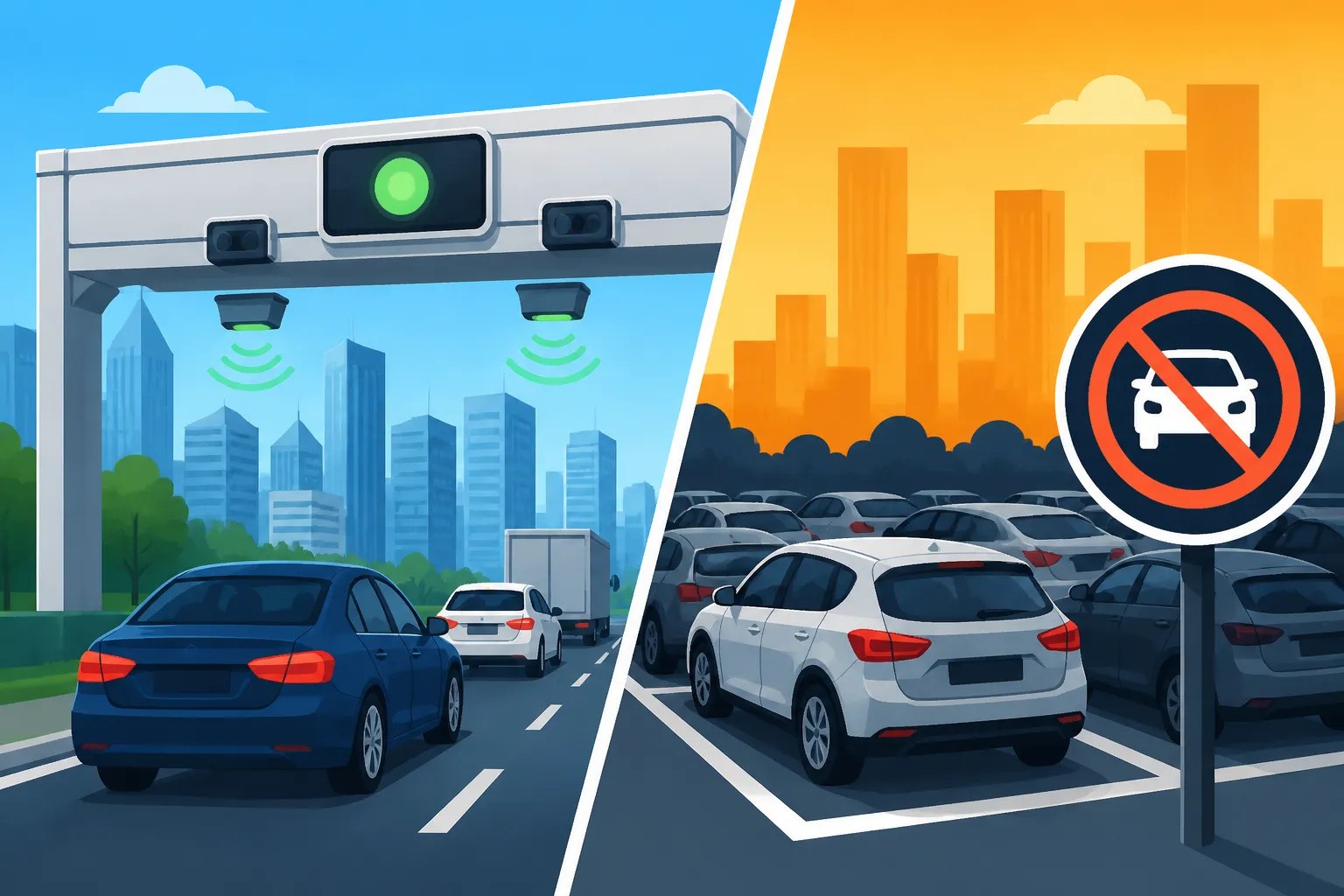
At its core, ERP is a congestion pricing scheme. Imagine a giant, invisible hand gently (or not so gently, depending on your wallet) guiding traffic away from gridlock. The system relies on physical gantries positioned over key roads, expressways, and entry points into high-traffic areas, particularly the CBD. Every vehicle registered in Singapore is mandated to have an In-vehicle Unit (IU) installed on its dashboard. This little device is crucial. Before you even think about driving, you need to insert a stored-value card – typically a CashCard, but NETS FlashPay and EZ-Link Motoring Cards also work – into your IU.
As you drive under an active ERP gantry, the IU automatically deducts the relevant ERP charge from your card. It’s seamless, it’s quick, and if your card has insufficient funds, you won't even know it until a fine lands in your mailbox a few weeks later. Trust me, many of us have learned this the hard way. It’s a moment of mild panic when you realise you’ve been blissfully driving through ERP gantries, oblivious to the fact your CashCard ran dry two days ago. The key takeaway: always keep your stored-value card topped up. It's a fundamental part of Singapore Healthcare System for Expats: Complete 2027 Guide – not directly related, but in the sense of navigating systems that demand proactive management, the parallel is there.
Navigating ERP Operating Hours and Rates
This is where it gets really interesting, and a little frustrating. Unlike a fixed toll, ERP rates aren't static. They are incredibly dynamic, changing based on the time of day, the specific location, and the prevailing traffic conditions. The Land Transport Authority (LTA) monitors traffic flow in real-time, and if certain roads or expressways start to get congested, the ERP rates for those segments will increase. Conversely, during off-peak hours or when traffic is lighter, the rates might be lower or even zero.
You’ll find ERP gantries on major expressways like the CTE (Central Expressway), ECP (East Coast Parkway), and PIE (Pan-Island Expressway), as well as on arterial roads leading into and within the CBD. For instance, driving into the CBD on a weekday morning at 8:30 AM will almost certainly incur a hefty ERP charge, whereas making the same journey on a Sunday afternoon might be completely free. The rates are revised quarterly and sometimes even more frequently if traffic patterns shift significantly. It's a constant dance of checking and re-checking, especially if your driving routes change. This level of meticulous planning is also something you'd encounter when trying to figure out your Healthcare Budgeting in Singapore: Managing Out-of-Pocket Costs – always needing to stay on top of the latest information.
Different Payment Methods and Potential Pitfalls
As mentioned, the primary payment method is via a stored-value card inserted into your IU. While CashCards have been the default for years, NETS FlashPay and EZ-Link Motoring Cards also work. The beauty of these cards is their versatility; many of them can also be used for public transport fares, making them a common item in every Singapore resident’s wallet.
However, these systems aren't without their headaches. The most common pitfall, hands down, is insufficient funds. It’s so easy to forget to top up your card, especially if you don't drive every day. Then there's the rare but annoying issue of a faulty IU or an expired card. An expired card might not be detected, leading to charges not being deducted. If you suspect your IU isn't working, get it checked immediately at an authorised workshop. Ignoring these issues can lead to fines, which typically start from S$10 and can escalate if not paid promptly. They'll often appear as a notice on your OneMotoring account or even a physical letter. It’s another one of those administrative hurdles, much like figuring out How to Claim Medical Expenses from International Insurance Providers, where attention to detail is paramount to avoid unexpected costs.
The LTA is also progressively rolling out ERP 2.0, a next-generation system that will use a satellite-based On-Board Unit (OBU) instead of the current IU and gantries. This new system promises even more dynamic pricing, potentially based on the distance travelled within congested zones, but the transition is still ongoing. For now, stick to keeping those cards topped up and IUs functioning!
The CBD Parking Conundrum: Scarcity and Cost
Once you’ve successfully navigated the gauntlet of ERP gantries, your next challenge awaits: finding a parking spot, especially in the CBD. It’s a feat that often feels like winning the lottery, only to realise the prize is another substantial bill. The struggle is real, and it’s a shared experience among virtually all drivers in Singapore.
Why Parking in Singapore's CBD is a Nightmare
The simple truth is that Singapore is a small, densely populated island, and the government has a long-standing policy of discouraging private car ownership and usage, particularly in the city centre. This is a deliberate strategy to manage urban sprawl, reduce carbon emissions, and promote the use of its world-class public transportation system. Consequently, parking spaces in the CBD are inherently limited, and the demand far outstrips supply during peak hours.
Imagine trying to find a spot at lunchtime or during a busy workday. You'll often see cars circling parking lots, drivers staring intently at "full" signs, or begrudgingly heading to the next building, hoping for better luck. This scarcity naturally drives up prices, making parking in prime CBD locations among the most expensive in the world. It’s not just about finding a spot; it’s about accepting that finding one will punch a significant hole in your daily budget. This constant battle for space is a stark reminder of Singapore's urban planning priorities, much like understanding the URA 8-Person Occupancy Limit for Condos (Valid to 2028) highlights how space is managed for housing.
Types of Parking in the CBD: Public vs. Private
In the CBD, you’ll primarily encounter two main types of parking: public car parks managed by the Urban Redevelopment Authority (URA) or Housing & Development Board (HDB), and private car parks owned and operated by commercial buildings, hotels, and shopping malls. While both options offer parking, their pricing structures and availability can differ significantly.
URA and HDB car parks, though less common in the absolute heart of the CBD, tend to have slightly more standardised and sometimes marginally cheaper rates, often using the Parking.sg app for payment. These are usually open-air or multi-storey car parks. Private car parks, on the other hand, are typically found within office towers and shopping centres, offering covered parking and often direct access to the buildings. They frequently employ electronic systems where you tap your CashCard or credit/debit card upon entry and exit, and the fee is automatically deducted. The convenience of private car parks often comes with a premium price tag, reflecting their prime locations and amenities.
Decoding Parking Rates and Peak Times
Just like ERP, parking rates in the CBD are rarely simple flat fees. They are often structured with dynamic pricing, meaning the hourly rate can fluctuate throughout the day and week. You'll typically find higher hourly rates during weekday business hours (e.g., 8 AM to 6 PM) and slightly lower rates in the evenings, weekends, and public holidays. Some car parks might offer daily caps or flat rates for specific periods, which can be a lifesaver if you plan to stay for an extended duration.
Season parking is another option for those who work in the CBD and need a guaranteed spot daily. However, securing season parking for a CBD car park can be challenging. There are often long waiting lists, and the monthly fees can be substantial, easily running into several hundred dollars. It's a commitment that needs to be weighed against the flexibility and cost of daily parking or, more often, opting for public transport. For example, parking at Marina Bay Financial Centre can set you back over S$5 per half-hour during peak times, quickly adding up to S$40-S$50 for a typical workday. Knowing these costs upfront is crucial for anyone trying to manage their Cost of Living for an Expat Family with Kids: School, Housing, and Car, where transport is a major line item.
To give you a clearer picture, here's a general comparison of how ERP charges can vary:
| ERP Gantry Location (Example) | Weekday 8:00 AM – 8:30 AM | Weekday 1:00 PM – 1:30 PM | Saturday 1:00 PM – 1:30 PM |
|---|---|---|---|
| CTE Southbound (towards city) | S$4.00 – S$5.00 | S$1.00 – S$2.00 | S$0.50 – S$1.00 |
| Orchard Cordon | S$3.00 – S$4.00 | S$0.50 – S$1.00 | Free |
| Nicoll Highway (CBD entry) | S$2.50 – S$3.50 | S$0.50 – S$1.00 | Free |
| East Coast Parkway (ECP) | S$2.00 – S$3.00 | S$0.50 – S$1.00 | Free |
Note: These are illustrative ranges and actual ERP rates can change based on real-time traffic conditions and LTA revisions. Always check the official LTA OneMotoring website or app for the most current information.
Strategies for Minimizing ERP and Parking Expenses
Given the significant costs associated with driving into the CBD, most expats quickly realise that a strategic approach is essential. It's not just about getting from A to B; it's about doing so without breaking the bank or losing your mind. The good news is that Singapore offers fantastic alternatives and tools to help you navigate this urban labyrinth.
Leveraging Public Transport and Ride-Hailing
This is, by far, the most effective and widely adopted strategy for getting around Singapore, especially when heading into the CBD. The MRT (Mass Rapid Transit) system is world-class: efficient, extensive, air-conditioned, and remarkably clean. Most CBD office buildings and shopping malls are directly connected to an MRT station, making commuting a breeze. Buses offer an equally comprehensive network, often reaching areas the MRT doesn't, and they are also air-conditioned and reliable. Seriously, if you're not utilising it, you're missing out. Check out our guide on Public Transport in Singapore: MRT, Buses, and Commuting Hacks for more detailed tips.
For those times when public transport isn’t quite convenient or you're short on time, ride-hailing services like Grab, Gojek, TADA, and CDG Zig are readily available. While not as cheap as the MRT, they offer door-to-door convenience without the headache of ERP or parking. You simply book, pay through the app, and you're off. Surge pricing can occur during peak hours or bad weather, but even then, it often works out cheaper and less stressful than driving, paying ERP, and then shelling out for parking. We've got a whole breakdown on Ride-Hailing Apps: Grab, Gojek, TADA, and CDG Zig Explained if you want to dive deeper into those options.
Many expats, especially those living in areas well-served by the MRT, find they don't need a car at all for daily commuting. When you consider the astronomical costs of car ownership here – we're talking about the Certificate of Entitlement (COE), road tax, insurance, and maintenance, not just ERP and parking – choosing public transport is often the most financially sensible decision. This is especially true when you reflect on the costs outlined in Buying a Car in Singapore: COE, Insurance, and Hidden Costs.
Smart Driving Habits and Route Planning
If driving is unavoidable, perhaps due to work requirements, family needs, or simply a preference for personal mobility, then smart driving habits are your best friend. The first rule: always plan your route. Navigation apps like Google Maps and Waze are invaluable as they often display ERP gantries, their active hours, and current charges. This allows you to make informed decisions on the fly.
Timing is everything. If your schedule allows, try to enter or exit ERP zones outside of peak hours. Even shifting your commute by 15-30 minutes can sometimes significantly reduce or eliminate ERP charges. For instance, leaving home a little earlier or staying back a bit later can save you a few dollars each way. Another common tactic is to explore alternative routes. Sometimes, taking a slightly longer road that avoids gantries altogether can be more cost-effective than taking the shortest, most direct route through an ERP zone.
You might also consider parking slightly outside the CBD, in a nearby HDB estate or commercial building that has lower parking rates, and then completing the last leg of your journey by MRT, bus, or even walking. It's a bit of a hybrid approach, but it can cut down on both ERP and parking costs. Just make sure the public transport connection is convenient!
Digital Tools and Apps for Drivers
Singapore is a highly digitalised nation, and thankfully, this extends to driving and transportation. There are several indispensable apps that every driver here should have:
- OneMotoring: This is the LTA’s official portal and app. It’s a goldmine of information, allowing you to check real-time ERP rates, view traffic cameras, get updates on road closures, and even manage your vehicle details. It's your single source of truth for all things related to driving in Singapore.
- Parking.sg: Developed by the government, this app allows you to pay for public (URA and HDB) parking digitally. No more fumbling for coupons or rushing back to your car to extend your parking. You simply select your car park and duration, and the payment is deducted from your linked card. It even sends you a reminder before your parking expires.
- Ride-Hailing Apps (Grab, Gojek, etc.): Even if you're driving, these apps can be useful. Sometimes, they offer real-time traffic updates or even show alternative public transport routes if you're stuck in a jam.
To make the most of these apps on the go, especially when you're reliant on real-time data for ERP updates or navigation, seamless mobile connectivity is absolutely essential. This is where a robust data plan comes in handy. Many expats opt for eSIM services from providers like Airalo to ensure they always have access to reliable internet, whether they’re checking current ERP rates, finding the nearest available parking, or navigating through unfamiliar streets. Having that constant, high-speed connection makes a world of difference when you're trying to outsmart the system and save a few bucks. It's a small investment that pays dividends in convenience and peace of mind.
The Future of ERP and Parking in Singapore
Singapore is a city that never stands still, constantly innovating and adapting its infrastructure to meet future challenges. This progressive mindset extends to its transportation policies, with significant developments on the horizon that will undoubtedly impact expat drivers.
The Rollout of ERP 2.0 and its Implications
As briefly touched upon, the biggest change on the horizon is the full implementation of ERP 2.0. This next-generation system represents a significant leap from the current gantry-based infrastructure. Instead of fixed gantries, ERP 2.0 will utilise a satellite-based system that charges vehicles based on the exact distance travelled within congested zones, potentially leading to a much fairer, yet perhaps more pervasive, form of congestion pricing.
The new system requires every vehicle to be fitted with an On-Board Unit (OBU), which replaces the current IU. This OBU will be more advanced, capable of displaying real-time traffic information, ERP charges, and even providing parking guidance. The transition involves a massive exercise to install these new OBUs in all 1.5 million vehicles in Singapore, a process that is already underway. For drivers, this means saying goodbye to physical gantries and hello to a more seamless, automatic deduction system. It also means potentially different pricing models, moving towards distance-based charging, which could drastically alter the cost of short trips into previously non-ERP-gantried areas during peak times. Keeping abreast of these changes is like navigating the ongoing changes in Expat Health Insurance in Singapore: Public vs Private Coverage, requiring constant vigilance.
Evolving Parking Solutions and Urban Planning
Singapore’s vision for a "car-lite" future means that urban planning continues to prioritise public transport, cycling paths, and pedestrian walkways over expansive car parks. However, recognising that some level of private vehicle use will always exist, the city is also investing in smart parking solutions. This includes real-time parking availability apps and intelligent car park systems that guide drivers to empty lots.
We're seeing more multi-storey car parks that maximise vertical space, and deeper underground parking facilities in new developments, especially in the CBD. These solutions aim to optimise the limited space available while still maintaining the core policy of discouraging excessive driving into dense urban areas. The goal is to make the entire parking experience less frustrating, even if the number of spaces remains tightly controlled. For those interested in the broader picture of urban development, understanding initiatives like Understanding the URA 8-Person Occupancy Limit for Condos (Valid to 2028) provides context on how land use is meticulously managed here.
Long-Term Outlook for Expat Drivers
The long-term outlook for expat drivers in Singapore is clear: owning and operating a car, especially if you intend to regularly drive into the CBD, will remain a premium luxury. The government's commitment to managing congestion and promoting sustainable transportation means that ERP charges and parking costs are unlikely to decrease. In fact, with ERP 2.0, they may become even more nuanced and widespread.
For many expats, especially those who rely on services like Sirelo to manage their international relocation, the initial cost of moving to Singapore is significant. Adding the substantial financial burden of a car to that can be prohibitive. Most will find that the convenience of Singapore’s public transport network, complemented by ride-hailing services, offers a perfectly viable and far more economical alternative. You might occasionally rent a car for a weekend getaway to Malaysia or to explore parts of the island less accessible by public transport, but daily car ownership for a CBD commute often becomes an unnecessary expense.
Ultimately, the decision to own a car in Singapore requires a careful cost-benefit analysis. For those working outside the CBD or with very specific needs (e.g., young families with multiple children, frequent travel to remote industrial areas), a car might be justifiable. But for the majority, embracing the "car-lite" lifestyle is not just an environmentally conscious choice but a financially smart one. When considering the comprehensive financial picture, including things like Singapore Income Tax for Foreigners: IRAS Rules and Filing (2026), transport costs really add up and can significantly impact your overall budget.
Disclaimer
The information provided in this guide is intended for general informational purposes only and is subject to change. While we strive to provide accurate and up-to-date content, policies, rates, and regulations regarding Electronic Road Pricing (ERP) and parking in Singapore are determined by government bodies like the Land Transport Authority (LTA) and may be revised without prior notice. Expats are strongly advised to consult official LTA resources, such as the OneMotoring website and app, for the most current and specific information. This guide should not be considered legal, financial, or professional advice.