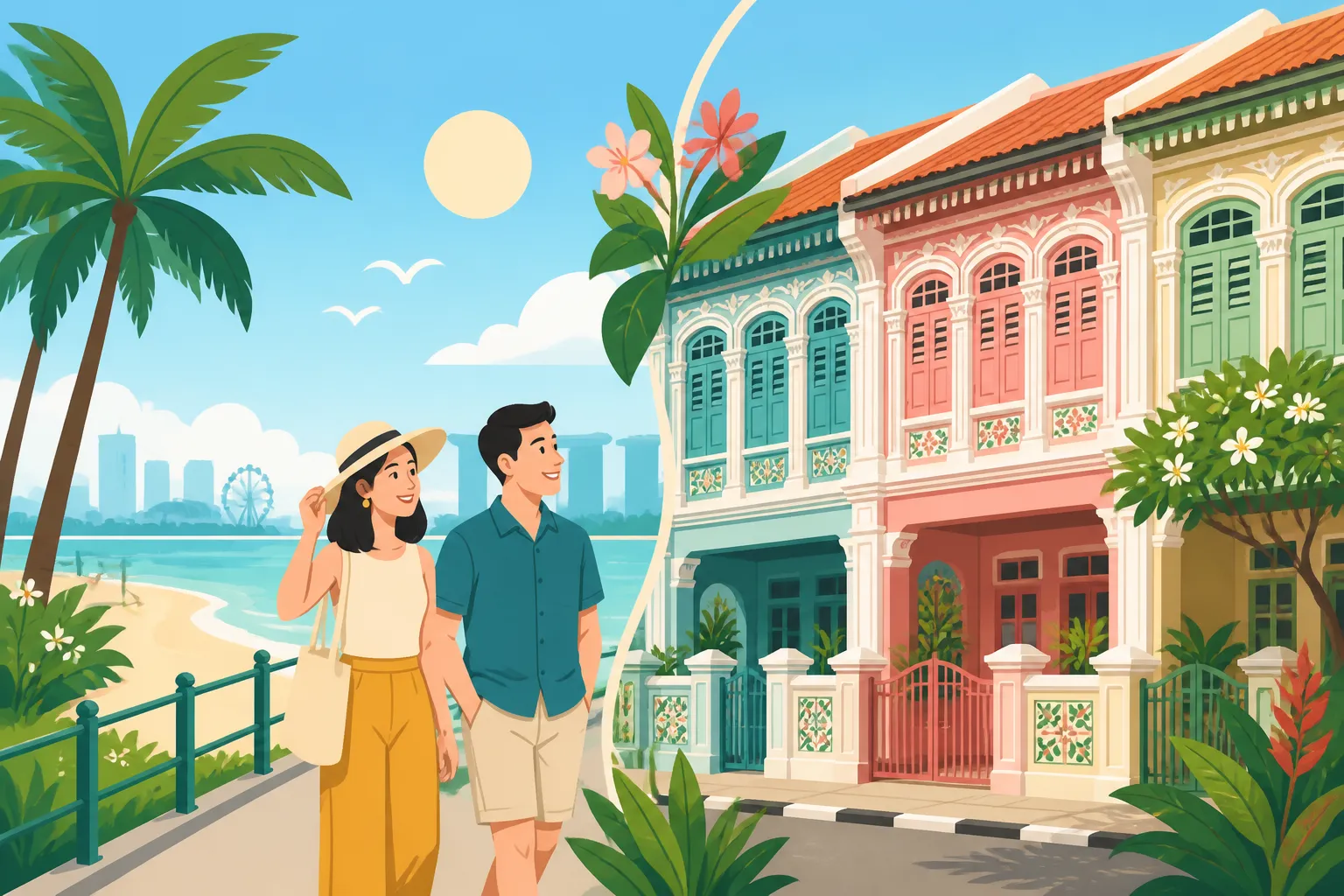
Living in the East Coast (Katong, Joo Chiat): Beachfront Vibe and Heritage
Deciding where to set down roots in Singapore can feel like navigating a maze, especially when you're fresh off the plane or looking for a change from the typical expat enclaves. If you're tired of the shiny, sometimes sterile, feel of downtown and yearn for a neighborhood with genuine character, beachfront vibes, and a strong sense of community, then the East Coast, particularly the charming districts of Katong and Joo Chiat, might just be your perfect fit. This guide will take you through everything you need to know about making this unique corner of Singapore your home, from housing to hawkers, and everything in between.
The Enduring Charm of Singapore's East Coast
When you first land in Singapore, the glossy towers and manicured gardens of the CBD might capture your attention. But venture east, and you'll discover a different side of the city-state, one rich in heritage, laid-back charm, and a distinctly local flavor. The East Coast isn't just a geographical location; it's a lifestyle, offering a refreshing contrast to the bustling city center. It’s where history is etched into vibrant shophouses and the scent of Peranakan spices wafts through the air, all while remaining surprisingly accessible.
Katong and Joo Chiat: A Blend of Heritage and Modernity
Katong and Joo Chiat are not just names on a map; they are living museums, celebrated for their beautifully preserved Peranakan architecture. Walking down Joo Chiat Road or East Coast Road, you're immediately struck by the rows of pastel-colored shophouses, adorned with intricate motifs and ceramic tiles. These aren't just pretty facades; many house independent boutiques, traditional eateries, and quirky cafes, creating a unique shopping and dining experience. It’s a place where you can find a heritage-rich Nyonya kueh shop nestled right next to a trendy artisanal coffee joint, truly embodying Singapore's blend of old and new.
This area tells a story of Singapore's multicultural past, a testament to the Peranakan (Straits Chinese) community who established deep roots here. The heritage isn't just in the buildings; it's in the food, the customs, and the slow, deliberate pace of life that contrasts sharply with the frantic energy of the financial district. For many expats, this rich cultural tapestry is a huge draw, offering a more immersive and authentic Singaporean experience than some other neighborhoods. It’s a place where you can feel connected to the island's history while enjoying all the conveniences of modern life.
Lifestyle and Vibe: What Draws Expats Here?
The lifestyle in the East Coast is notably more relaxed and community-oriented than in the city centre. Expats often describe it as having a "neighborhood" feel, where people know their local hawkers and greet their neighbors. This sense of belonging is a huge factor for those looking to integrate beyond the typical expat bubble. Weekends often involve leisurely strolls along East Coast Park, cycling paths, or gathering with friends at one of the many alfresco dining spots. It’s a place that actively encourages outdoor living and a more balanced pace.
Families are particularly drawn to the East Coast due to its relative tranquility, numerous parks, and proximity to reputable international and local schools. The area caters to a diverse range of interests, from watersports enthusiasts at the park to foodies exploring the endless hawker and cafe options. While it might feel a little further from the central business district (CBD) for some, the trade-off of a quieter, more spacious, and culturally vibrant environment is often well worth it. You'll find a lively mix of young professionals, families, and long-term residents who appreciate the area's unique character and slower rhythm.
Housing Options and Rental Realities
One of the biggest hurdles when moving to Singapore is finding the right place to live. The East Coast offers a diverse array of housing, but just like anywhere else on the island, understanding the nuances of the rental market is key. From grand landed homes to modern condominiums and HDB flats, there’s something for various budgets and lifestyles, though prices have definitely been on an upward trend. To get a comprehensive overview of the market, it’s worth reading our guide on Renting in Singapore: The Ultimate Guide for Expatriates (2026).
Condos, Shophouses, and HDBs: A Mix for Every Budget
The East Coast truly offers a rich tapestry of housing types. You'll find a significant number of private condominiums, many of which are newer developments boasting fantastic facilities like swimming pools, gyms, and lush landscaping. These are often the go-to for expat families and professionals, offering a comfortable, convenient, and secure living environment. Examples include The Esta, The Meyerise, and the newer Amber Park, often featuring spacious units and sea views. These modern condos provide a stark contrast to the historical charm of the shophouses, yet coexist harmoniously.
For those with a penchant for unique architecture and a larger living space, the beautifully restored shophouses in Joo Chiat offer a truly distinct experience. These often come with multiple levels, charming courtyards, and a strong sense of character, though they typically command a higher rental premium due to their heritage status and scarcity. They are less common as pure residential rentals, often being mixed-use, but when available, they offer a living experience unlike any other. Lastly, there are HDB (Housing & Development Board) flats, Singapore's public housing. While they might lack the frills of condos, many are well-maintained, spacious, and offer incredible value, especially for those who want to live closer to local communities. Understanding the differences between HDB vs Condo vs Landed: Choosing Your Singapore Home Type is crucial before you start your search.
Navigating the Rental Market Specific to East Coast
The East Coast rental market can be competitive, particularly for desirable units close to the park or MRT stations. You'll find that landlords in this area often understand the expat market well, but that doesn't necessarily mean lower prices. In fact, rental costs in prime East Coast locations can rival those of central districts, especially for larger units or landed properties. It’s essential to be prepared for the upfront costs, which typically include a security deposit, stamp duty, and advance rent. Our guide on Initial Rental Costs: Security Deposits, Stamp Duty, and Advance Rent can help you budget for these significant expenditures.
Working with a reputable property agent who specializes in the East Coast is highly recommended. They can provide insights into specific developments, upcoming availabilities, and help you navigate negotiations. Be realistic about your budget and preferences, and be ready to make quick decisions, as good units often get snapped up fast. When you’re evaluating potential homes, don't forget to consider factors like proximity to grocery stores, public transport, and your children's schools. Being able to visualize your daily routine in a potential home is just as important as the aesthetics of the unit itself.
Connectivity and Commuting
While the East Coast might feel a world away from the CBD's hustle, its connectivity has improved dramatically over the years, making it a viable option for those working in the city center or even further afield. You’re no longer isolated; rather, you’re connected by an efficient web of public transport and well-maintained roads.
Public Transport Access: MRT and Bus Networks
The opening of the Thomson-East Coast Line (TEL) has been a game-changer for residents, significantly cutting down travel times to the CBD and beyond. Stations like Katong Park, Tanjong Katong, Marine Parade, and Siglap now dot the landscape, offering direct and convenient access to Marina Bay, Orchard, and other key areas. This has vastly improved the appeal of the East Coast for expats who previously found the commute a bit challenging. The MRT system in Singapore is famously efficient, clean, and a reliable way to get around the island.
In addition to the MRT, a comprehensive bus network blankets the entire East Coast, providing excellent feeder services to MRT stations and direct routes to various parts of Singapore. This means that even if your condo isn't right next to an MRT station, you're likely just a short bus ride away from one. Many expats quickly adapt to relying solely on public transport, finding it more convenient and cost-effective than owning a car. Learning the nuances of Public Transport in Singapore: MRT, Buses, and Commuting Hacks will save you time and money. For staying connected on the go, especially when you first arrive or when exploring different neighborhoods, consider picking up an eSIM from a provider like Airalo, which offers convenient data plans without the hassle of a physical SIM card.
Driving and Road Connectivity
For those who prefer to drive, the East Coast is well-served by major expressways like the East Coast Parkway (ECP) and the Pan Island Expressway (PIE). The ECP offers a direct route to the CBD and Changi Airport, making travel incredibly convenient for frequent flyers. However, it’s important to remember that owning a car in Singapore is notoriously expensive due to high taxes and the Certificate of Entitlement (COE) system. Parking can also be a challenge, particularly in older neighborhoods like Joo Chiat, where street parking is limited.
Many expats choose to forgo car ownership and instead rely on ride-hailing apps like Grab or Gojek, which are plentiful and efficient. This offers the flexibility of a private car without the immense financial burden. If you do decide to drive, be prepared for Electronic Road Pricing (ERP) charges during peak hours, which can add up. The well-integrated public transport system and readily available ride-hailing options mean that car ownership is often a luxury, not a necessity, for East Coast residents.
Daily Living: Amenities, Schools, and Necessities
Living in the East Coast means you're never far from anything you need. The area is brimming with amenities, from large supermarkets to specialist clinics, and boasts a strong reputation for excellent schooling options, making it a highly desirable location for families.
Shopping, Dining, and Recreation Hotspots
The East Coast is a foodie's paradise. From the legendary hawker fare at Old Airport Road Food Centre (just a short hop away) or the more local Geylang Serai Market, to trendy cafes along Joo Chiat Road and sophisticated restaurants in Katong, your culinary adventures will be endless. You'll find everything from traditional Peranakan cuisine to international fusion, catering to every palate and budget. For everyday groceries, you have a plethora of options: major supermarkets like FairPrice, Cold Storage, and Sheng Siong are strategically located throughout the area, alongside smaller specialty stores. Our guide on Grocery Shopping: FairPrice, Cold Storage, Sheng Siong, and Wet Markets details these options further.
Beyond food, the East Coast boasts several shopping malls such as Parkway Parade and i12 Katong, offering a wide range of retail, entertainment, and service options including cinemas, banks, and beauty salons. For recreation, East Coast Park is the undisputed crown jewel. This expansive coastal park offers miles of cycling paths, jogging tracks, barbecue pits, and even watersports facilities. It’s a fantastic escape for families and individuals alike, offering a refreshing break from city life. There are also numerous smaller parks and playgrounds tucked away within the residential areas, ensuring green spaces are always nearby.
Educational Institutions for Expat Families
One of the biggest draws for expat families to the East Coast is the abundance of highly regarded schools, both local and international. For international schooling, you have excellent options like the Canadian International School (Lakeside Campus is a bit further but there are bus links, while the Tanjong Katong Campus is very convenient), NPS International School, and Chatsworth International School (East Campus). These schools offer various curricula, ensuring your children receive an education that aligns with your home country's standards or an international benchmark.
For those considering local education or who have gained Permanent Resident (PR) status, there are also excellent local schools, though admission can be competitive for non-citizens. The area is home to reputable primary and secondary schools that are consistently ranked among the best in Singapore. When considering schools, it’s always wise to research their specific entry requirements, curricula, and extracurricular offerings. Exploring options like Childcare and Preschools: Local Sparkletots vs International Kindergartens can also help you make informed decisions for younger children. The convenience of having top-tier educational institutions within or very close to the neighborhood significantly reduces daily commuting stress for families.
Healthcare and Wellness Services
Access to quality healthcare is a priority for any expat, and the East Coast is well-equipped in this regard. You’ll find numerous General Practitioner (GP) clinics scattered throughout Katong and Joo Chiat, many with English-speaking doctors who are familiar with common expat concerns. For more specialized medical needs, Parkway East Hospital is a private hospital conveniently located in the area, offering a comprehensive range of services, from emergency care to specialist consultations. This provides peace of mind, knowing that advanced medical facilities are just a short drive away.
Beyond general healthcare, the East Coast also has a growing number of wellness centers, dental clinics, and alternative therapy practitioners. Many expats appreciate the availability of everything from physiotherapy to traditional Chinese medicine (TCM) in their local vicinity. When it comes to managing your household utilities like electricity, water, and internet, it's quite streamlined in Singapore. Check out our guide on Utilities, Wi-Fi, and Setup: Managing Your Singapore Household for details on setting up services with SP Group and various internet providers.
Expat Community and Social Life
One of the unique aspects of living in the East Coast is the vibrant and diverse community. While you'll certainly meet fellow expats, you'll also find yourself interacting more with local Singaporeans and long-term residents, offering a richer cultural immersion than some other areas. This blend creates a unique social fabric that many newcomers find very welcoming.
Finding Your Tribe in the East
The East Coast boasts a healthy mix of expat nationalities, from Europeans and Australians to Americans and various Asian expatriates. This diversity means you're likely to find people from similar backgrounds or those with shared interests. Many cafes, local pubs, and community centers act as natural gathering spots. Online groups and local community events are also fantastic ways to connect with other expats and locals alike. You might find "East Coast Mums" groups, cycling clubs, or book clubs that meet regularly. Our guide on Building Community: Making Friends and Adjusting to Singapore Life offers broader strategies for settling in and making connections across Singapore.
Unlike some other expat enclaves that can feel transient, the East Coast has a significant number of long-term expat residents who have truly integrated into the local way of life. This creates a stable and supportive environment, where experienced residents are often happy to share tips and advice with newcomers. It’s not uncommon for neighbors to gather for a barbecue at East Coast Park or meet up for weekend brunch at one of the many cafes. The relaxed pace fosters a stronger sense of genuine community, making it easier to forge lasting friendships beyond just work acquaintances.
Leisure Activities and Green Spaces
The East Coast is synonymous with outdoor activities, thanks in large part to East Coast Park. Whether you're into cycling, rollerblading, beach volleyball, or simply enjoying a sunset stroll, the park offers something for everyone. There are dedicated barbecue pits that are hugely popular on weekends, family-friendly playgrounds, and even hawker centers right within the park itself, like East Coast Lagoon Food Village. This sprawling green lung provides a perfect escape from urban life and a fantastic venue for leisure.
Beyond the park, the neighborhood itself offers plenty to explore. Joo Chiat's colorful streets are perfect for leisurely walks, discovering hidden cafes, or browsing independent shops. The area is also home to several community centers and sports facilities where you can join classes or participate in team sports. The proximity to the beach also makes it a convenient launchpad for Weekend Getaways from Singapore: Bintan, Batam, and Johor Bahru, with ferry terminals not too far away. This abundance of leisure options ensures that boredom is rarely an issue for East Coast residents.
Pros and Cons of East Coast Living for Expats
Every neighborhood has its unique flavor, and the East Coast is no exception. While it offers a fantastic lifestyle for many, it's essential to weigh both the advantages and the potential downsides to ensure it aligns with your expectations and priorities.
The Advantages: Why Expats Love It Here
The East Coast consistently ranks high on expat surveys for its quality of life. The most significant draw is arguably the lifestyle – a more relaxed, spacious, and family-friendly environment compared to the bustling city center. You get more bang for your buck in terms of living space, and many properties offer stunning sea views. The abundance of green spaces, especially East Coast Park, is a huge plus for those who appreciate nature and outdoor activities. It’s incredibly pleasant to wake up to the sound of birds and the fresh sea breeze, a luxury not often found in the denser parts of Singapore.
Another major advantage is the rich cultural heritage, particularly in Katong and Joo Chiat. This area offers a unique opportunity to immerse yourself in Peranakan culture, savor authentic local cuisine, and live in a neighborhood with genuine character and history. The food scene is unparalleled, from hawker centers to upscale restaurants, ensuring you'll never run out of delicious options. Furthermore, the improving public transport links, particularly the new Thomson-East Coast Line, have made commuting to the CBD much more manageable, removing a previous barrier for many. For families, the excellent selection of international and local schools is a huge bonus, simplifying the school run and offering diverse educational choices. Moreover, the sense of community here is palpable, providing a supportive network for newcomers.
The Downsides: What to Consider Before Moving
While the East Coast has a lot going for it, it's not without its considerations. The primary concern for some expats is its distance from the Central Business District (CBD). Although public transport has improved, the commute can still be longer than if you lived in a central area. If your job requires frequent travel to the far west or north of Singapore, this could also add significant travel time to your daily routine. This might be a dealbreaker for those who prioritize a short commute above all else, or those who prefer to be in the thick of the city's nightlife every day.
Another point to consider is the cost of living. While housing might be slightly more affordable than in Orchard or Sentosa Cove for similar amenities, it is by no means "cheap." Prices for rentals, especially for larger condos or landed properties, are still substantial. Additionally, while the East Coast has excellent amenities, it may lack the sheer density of high-end shopping and dining options found in the very core of the city. You might find yourself traveling to other parts of Singapore for specific luxury brands or certain types of niche entertainment. Lastly, for those sensitive to humidity, remember that living closer to the coast can sometimes mean higher humidity levels, which might require more vigilant Tropical Weather Prep: Managing Mold, Humidity, and Monsoon Rains in your home. Before making the big move, comparing the overall Cost of Living for an Expat Family with Kids: School, Housing, and Car in different neighborhoods can help put things into perspective. For larger international moves, checking out platforms like Sirelo can help you compare quotes from various moving companies to budget effectively.
Disclaimer
Please note that the information provided in this guide is for general informational purposes only and is subject to change. While we strive to provide accurate and up-to-date content, readers should always verify details with official sources such such as the Ministry of Manpower (MOM), Immigration & Checkpoints Authority (ICA), and other relevant government agencies in Singapore. Individual circumstances may vary, and professional advice should be sought for specific legal, financial, or immigration matters.