Ride-Hailing Apps: Grab, Gojek, TADA, and CDG Zig Explained
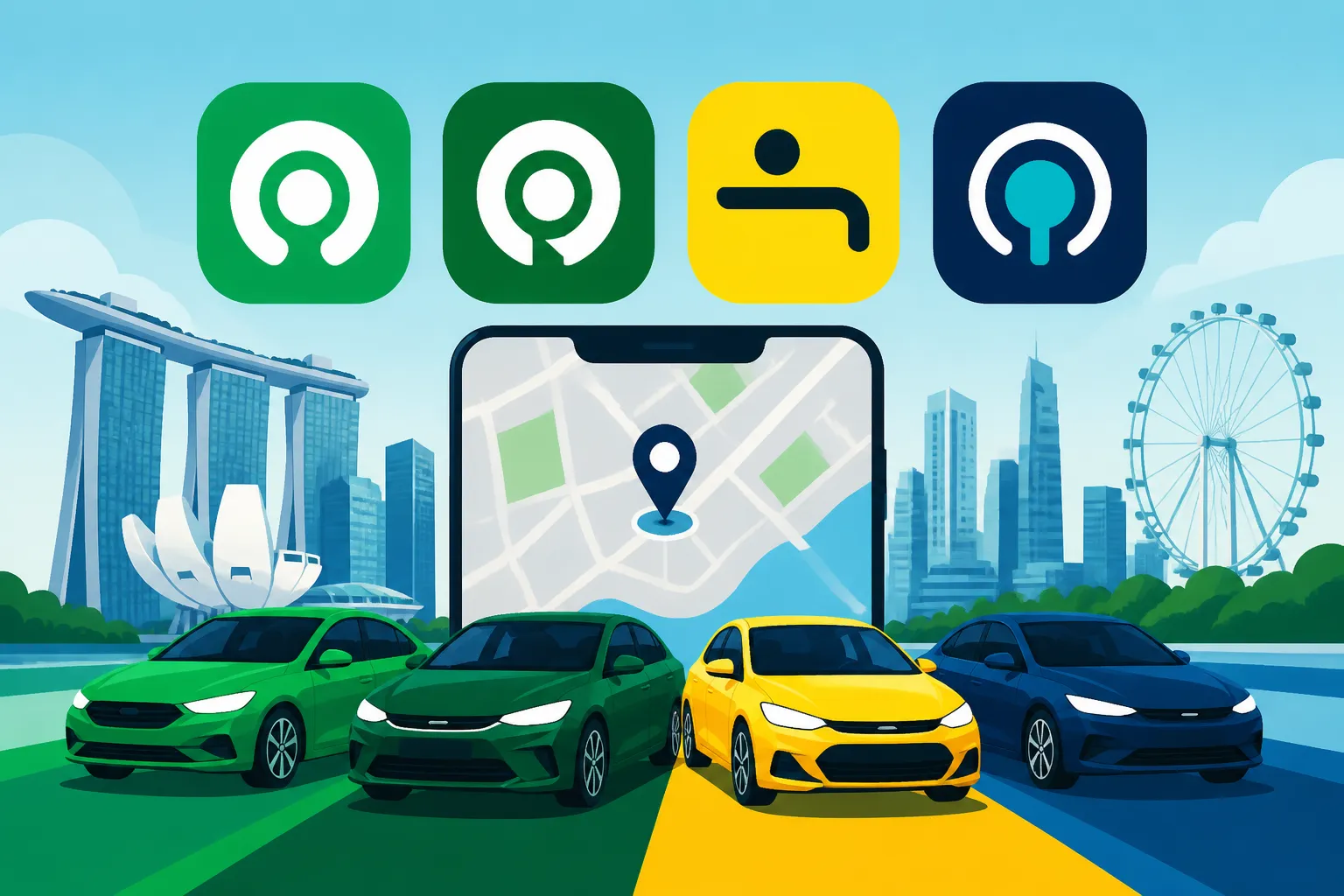
Alright, let's talk about getting around this little red dot! When you first land in Singapore, the public transport system is undeniably efficient, but sometimes, you just crave the convenience of a door-to-door ride without the hassle of navigating bus routes or MRT transfers, especially after a long day or with heavy shopping bags. This guide is going to deep-dive into the world of ride-hailing apps in Singapore, helping you understand the key players like Grab, Gojek, TADA, and CDG Zig, so you can choose the best option for your journey, every time.
The Big Players: Grab, Gojek, TADA, and CDG Zig
Singapore's ride-hailing scene is a competitive one, which is fantastic news for us, the riders! While traditional taxis are still very much a part of the landscape, the convenience and often lower costs offered by ride-hailing apps have made them incredibly popular with locals and expats alike. Each app has its own strengths, quirks, and loyal following, so let's break them down.
Grab: The Dominant Force
You simply cannot talk about ride-hailing in Southeast Asia without starting with Grab. They are, without a doubt, the behemoth in this market, offering a comprehensive suite of services that goes far beyond just getting you from A to B. Think of Grab as Singapore's super-app: it's not just rides; it's food delivery (GrabFood), grocery delivery (GrabMart), parcel delivery (GrabExpress), and even mobile payments (GrabPay). For many expats, Grab becomes an indispensable tool for daily life almost immediately.
Their dominance means you'll often find more drivers available on Grab, especially during off-peak hours or in less central areas where other apps might struggle. This translates to shorter waiting times, which can be a huge relief when you're in a rush or caught in a sudden downpour – a common occurrence in our tropical climate! The app interface is generally user-friendly, and the sheer volume of options, from budget-friendly GrabShare (if it's available) and JustGrab to premium GrabCar Premium and GrabExec, means there's usually a ride for every need and budget. Their GrabRewards loyalty program also lets you earn points on every ride and order, which can then be redeemed for discounts, partner vouchers, or even flight miles. It's truly a one-stop shop that many find hard to live without, becoming a central part of their daily life in Singapore.
Gojek: A Strong Contender
Gojek, originally from Indonesia, entered the Singapore market as a significant challenger to Grab. While not as omnipresent with ancillary services (they primarily focus on ride-hailing here), they've carved out a solid market share, particularly among those looking for an alternative or competitive pricing. Many savvy riders in Singapore will often check both Grab and Gojek simultaneously, especially during peak hours, to compare prices and availability.
Gojek's strength often lies in its competitive pricing during certain times or in specific areas. It’s not uncommon to find a Gojek ride slightly cheaper than a comparable Grab ride, or vice versa, depending on demand. Their user interface is clean and straightforward, making it easy to book a ride quickly. They also have various vehicle types, including GoCar and GoCar Premium, catering to different preferences. While they don't have the extensive super-app features of Grab in Singapore, their core ride-hailing service is reliable and often provides a much-needed alternative, preventing any single app from having a total monopoly on pricing or availability, which is definitely a win for us consumers!
TADA and CDG Zig: Niche Alternatives
Beyond the two giants, you'll find other players like TADA and CDG Zig, each offering something a little different. These aren't just minor apps; they cater to specific needs or preferences and can be lifesavers when the main apps are struggling with demand or surge pricing.
TADA differentiates itself by being a "zero-commission" platform, meaning drivers theoretically keep a larger portion of the fare compared to commission-based models. This can sometimes translate to more drivers on the platform during specific times or potentially more consistent pricing without aggressive surge multipliers. TADA offers various services, including regular rides and taxis, and is often praised for its transparent fare structure. If you're looking for a slightly different experience, or if Grab and Gojek are showing exorbitant prices, TADA is always worth checking. Many find their drivers to be particularly friendly, perhaps because they appreciate the different business model.
CDG Zig, on the other hand, is the digital arm of ComfortDelGro, Singapore's largest taxi operator. This app integrates both private hire vehicles and the iconic blue and yellow Comfort and CityCab taxis into one platform. What makes CDG Zig unique is its direct access to the massive fleet of metered taxis. While ride-hailing apps typically use dynamic pricing, ComfortDelGro taxis still operate on a metered fare system with surcharges (e.g., peak hour, late night, CBD area). This means that during extreme surge pricing on other apps, a metered taxi booked via CDG Zig might actually be cheaper, despite its own set of surcharges. It’s also often the go-to for airport taxi queues. When you’re at the airport and see a long line for regular taxis, often you can use CDG Zig to book one without the queue, or at least see the estimated fare if you were to hop into a metered one. It’s an essential app to have, especially if you prefer the traditional taxi experience or are looking for a fallback option.
Setting Up Your Ride-Hailing Apps in Singapore
Getting these apps ready for action usually involves a few common steps, but there can be some minor hurdles for newcomers. Don't worry, it's all part of the expat initiation! Having your phone set up correctly is the first step, so consider using an eSIM from providers like Airalo upon arrival to ensure you have data from day one.
Downloading and Initial Registration Hurdles
First things first, you'll need to download the apps from your respective app store (Google Play Store or Apple App Store). This is usually straightforward. The main hurdle for many new expats comes during the registration process, particularly when it asks for a local phone number. While some apps might allow you to register with your international number initially, having a local Singaporean SIM card makes things much smoother for verification codes, driver communication, and even linking to local payment methods later.
If you're just arriving, getting a local SIM card is one of the first things you should do. You can easily pick one up at Changi Airport or any convenience store once you’re here. Once you have that, the registration process for Grab, Gojek, TADA, and CDG Zig typically involves entering your mobile number, receiving a one-time password (OTP) via SMS for verification, and then setting up your profile. Make sure your name matches your passport or official ID, as this is standard practice. Sometimes, for security or compliance, they might even ask for a photo of your ID, so be prepared for that. Don't be surprised if the process feels a bit more rigorous than what you might be used to back home; Singapore is big on security and personal identification.
Payment Methods and Digital Wallets
This is where things can get a little interesting, especially if you're fresh off the plane without a local bank account or credit card. All these apps accept major international credit and debit cards (Visa, MasterCard, Amex), which is usually the easiest way to start. You simply link your card to the app, and you're good to go. However, be mindful of potential foreign transaction fees from your home bank if you're using an overseas card frequently.
Once you set up a local bank account, you'll find more seamless options. Grab, for example, has GrabPay, a built-in digital wallet that you can top up directly from your local bank account or even PayNow (Singapore's national peer-to-peer payment system). Using GrabPay often unlocks exclusive discounts and makes payments incredibly fast. Gojek also allows linking local debit cards and even offers promotions for specific card users. For those deep in the local financial ecosystem, understanding your bank and its digital payment systems, as explored in the "Banking and Finance for Expats in Singapore: Complete 2026 Guide," will be incredibly beneficial. Linking your credit card to these apps can also help you earn miles or cashback on your everyday transport, so it’s worth considering which card provides the best rewards for your spending habits.
Connecting Your Local SIM Card and Data
A reliable local SIM card with a solid data plan is non-negotiable for using ride-hailing apps effectively. Imagine trying to book a ride during a downpour, only for your overseas roaming data to flake out! It’s a nightmare. The moment you land, consider getting a local SIM card. Providers like Singtel, StarHub, and M1 offer various prepaid and postpaid options. You can read more about "Mobile Phone Plans: SIM-Only Contracts vs Handset Subsidies" to figure out the best fit for you.
Having a local number not only helps with app registration but also allows drivers to easily contact you if they can't find your exact pickup spot. Singapore drivers are generally efficient, but sometimes complex condo layouts or busy street corners require a quick call. If you're someone who is constantly on the move, especially if you're using services like Grab for more than just rides, a robust data plan is essential. For those who are still in the initial stages of relocation and might not have a permanent SIM card yet, using an eSIM from a provider like Airalo can be a fantastic stop-gap, providing immediate data access as soon as you land, allowing you to book your first Grab or Gojek to your accommodation without a hitch. This kind of planning makes the transition much smoother, especially when you're navigating a new city with all your belongings, as highlighted by relocation platforms like Sirelo.
Comparing Features: Fares, Car Types, and Booking Options
Understanding the nuances of each app goes a long way in optimizing your ride-hailing experience in Singapore. It’s not just about price; it’s about vehicle availability, specific services, and whether you need to book immediately or in advance.
Understanding Fare Structures and Surge Pricing
This is perhaps the most dynamic aspect of ride-hailing. Most apps operate on a dynamic pricing model, also known as "surge pricing," which adjusts fares based on demand and supply. When everyone is trying to get home at 6 PM from the Central Business District (CBD) on a rainy Friday, prices will inevitably shoot up. Conversely, during off-peak hours, you might snag a ride for a steal.
Grab and Gojek are notorious for their surge pricing during peak hours. You'll often see multipliers of 1.5x, 2x, or even higher, particularly when there's bad weather or major events. This is where checking multiple apps becomes your superpower. Sometimes, one app might have lower surge than the other, or TADA might offer a more consistent fare. CDG Zig, with its metered taxis, provides a unique alternative. While taxis have their own surcharges (airport, city area, midnight, peak hour), they don't experience the same dynamic surge multipliers as private hire cars. So, if Grab is quoting S$35 for a S$15 journey, a metered taxi might come out to S$20-S$25 with all its surcharges, making it the more economical choice. It’s a constant game of checking and comparing, which is why having all these apps downloaded is a must for any expat navigating Singapore.
Vehicle Options and Specialized Services
Each app offers a range of vehicle types to suit different needs, from solo commutes to family outings, or even larger groups.
Grab's offerings are perhaps the most diverse:
- JustGrab: This is their most common service, pairing you with either a private hire car or a regular taxi based on proximity and availability.
- GrabCar: Standard private hire cars.
- GrabCar Premium/GrabExec: For a more luxurious ride with higher-end vehicles and typically more experienced drivers. Great for business meetings or special occasions.
- GrabFamily: Cars equipped with child seats, essential for those with young children who might not want to rely on MRT or bus with a stroller.
- GrabAssist: For riders with mobility needs, with drivers trained to assist passengers with wheelchairs or walking aids.
- GrabShare: A carpooling option (though availability can vary).
Gojek typically offers:
- GoCar: Standard private hire cars.
- GoCar Premium: Higher-end vehicles for a more comfortable journey.
TADA provides:
- TADA Ride: Their standard private hire service.
- TADA Taxi: Integrating regular taxis.
- TADA Kids: For those travelling with children requiring a car seat.
CDG Zig is primarily focused on:
- Standard Taxi: The iconic blue and yellow Comfort and CityCab taxis.
- Premium Taxi (MaxiCab/Limousine): Larger vehicles for groups or more luxurious transport.
For families, services like GrabFamily or TADA Kids are invaluable, as standard ride-hailing cars are not always equipped with child seats, and the law requires young children to be in appropriate restraints. When planning a day out with the kids, factoring in "Family Health Guide: Maternity, Pediatrics, and Child Development" considerations means safety first, and these specialized options ensure that.
Pre-booking and Multi-Stop Journeys
Sometimes you need to plan ahead, especially for early morning flights or critical appointments. All major apps offer pre-booking services, though the lead time can vary.
- Grab: Allows pre-booking rides well in advance, usually up to 7 days ahead. This is a godsend for those incredibly early airport runs when you absolutely cannot risk waiting for a ride.
- Gojek: Also offers scheduled rides, giving you the peace of mind of having your transport sorted for a specific time.
- CDG Zig: Given its connection to the taxi fleet, it's also very reliable for pre-bookings, especially if you prefer a metered taxi.
For multi-stop journeys, all apps allow you to add multiple destinations before or even during your trip. This is incredibly convenient if you're dropping off friends, running multiple errands, or just want to make a quick stop at an ATM or convenience store. Always check the fare adjustment when adding stops, as it will naturally increase the total cost. When planning a complex itinerary, such as navigating a large hospital campus like those detailed in "Mount Elizabeth, Gleneagles, and Raffles: Premium Private Hospitals," pre-booking with multiple stops can save you a lot of hassle and stress.
When to Use Which App: Scenarios and Strategic Tips
Knowing which app to open at any given moment is a skill honed over time living in Singapore. It's about more than just price; it's about reliability, availability, and specific needs for that particular journey.
Rush Hour Commutes and Peak Demand
Ah, the daily grind! Singapore's peak hours are typically from 7 AM to 9 AM and 5 PM to 7 PM on weekdays. During these times, demand for ride-hailing services skyrockets, and so do the prices. Rainy weather during these periods makes it even worse. This is when your multi-app strategy becomes paramount.
Start by checking Grab and Gojek. You’ll often find one is significantly cheaper than the other, or has more drivers available. If both are showing exorbitant surge prices, quickly switch to TADA. Sometimes, TADA's base fares remain more stable, or you might find a driver more readily. As a last resort, or sometimes as a first resort if you’re particularly price-sensitive during peak times, check CDG Zig for a metered taxi. While taxis have surcharges, their fares don't dynamically multiply to the same extent as private hire vehicles, making them surprisingly competitive during extreme surge. If you're commuting from a busy area like Orchard Road or the CBD, consider walking a few blocks away from the immediate hotspot to a slightly less congested street for pickup; sometimes this can help mitigate surge pricing slightly, as drivers might be more willing to accept a booking from a slightly easier-to-access location. Remember, Singapore's "Public Transport in Singapore: MRT, Buses, and Commuting Hacks" are always a solid alternative during these times, even if less comfortable.
Late-Night Journeys and Airport Transfers
Getting around late at night or very early in the morning can be a different beast. Public transport options become limited, and that's when ride-hailing really shines. For airport transfers, especially if you're hauling luggage, a direct ride is often preferred over the MRT.
For late-night rides, Grab and Gojek generally have good coverage, though surge pricing can still apply, particularly after midnight when public transport options dwindle to specific NightRider buses. Again, comparing prices across apps is key. Sometimes, finding a driver might take a little longer than during the day, so factor in extra waiting time. CDG Zig is also a very reliable option for late nights; traditional taxis operate 24/7, and their late-night surcharge (typically 50% between midnight and 6 AM) is fixed, so you know what you’re getting into without unpredictable surge multipliers.
For airport transfers to and from Changi Airport, most expats rely heavily on Grab, Gojek, or CDG Zig. Pre-booking is highly recommended for early morning flights to avoid stress. If you're landing in Singapore and need a ride, you can typically find a Grab or Gojek easily from the dedicated pick-up points at each terminal. If you haven't sorted out a local SIM yet, ensure your eSIM from Airalo is active so you can book a ride as soon as you clear immigration. Taxis from the airport also have a fixed airport surcharge on top of the metered fare. Knowing your options for "Changi Airport Guide: Navigating Terminals and Jewel for Frequent Flyers" will make your travel experiences so much smoother.
Family Trips and Specific Accessibility Needs
Travelling with family, especially young children, adds another layer of consideration. As mentioned earlier, GrabFamily and TADA Kids are invaluable for ensuring your child is safely seated in a car seat, which is legally required for children under 1.35m. These services cost a bit more but provide essential peace of mind.
For those with specific accessibility needs, GrabAssist is an excellent service. Drivers are specially trained to assist passengers, and vehicles can accommodate mobility aids. While Singapore is generally very accessible, having a dedicated service like this makes a significant difference. If you have elderly family members or someone with temporary mobility issues, considering a GrabAssist ride can make their journey much more comfortable and dignified. When exploring options for "Senior Expat Healthcare: Managing Costs for Retirees and Older Dependants," thinking about their transportation comfort and safety is a natural extension of care.
For larger groups or when you have bulky items (e.g., luggage, sports equipment), apps like Grab and CDG Zig often offer larger vehicle options such as 6-seaters or even MaxiCabs. This is especially useful for airport runs with multiple suitcases or moving small items if you’re in the midst of settling into your new place, a task that platforms like Sirelo specialize in assisting with. Always specify your needs when booking to ensure the right vehicle is dispatched.
Payment, Promotions, and Troubleshooting Common Issues
Beyond booking the ride, managing payments, snagging discounts, and knowing how to handle those inevitable little glitches are all part of being a savvy ride-hailer in Singapore.
Maximizing Savings with Promotions and Loyalty Programs
This is where being a smart expat really pays off! Competition among these apps means they frequently offer promotions and discount codes to attract and retain users.
- GrabRewards: Grab has the most extensive loyalty program. Every dollar spent on Grab rides, GrabFood, GrabMart, or GrabExpress earns you points. These points accumulate and can be redeemed for discounts on future rides, partner vouchers (e.g., for food, shopping, entertainment), or even converted to airline miles. Keep an eye on the "Rewards" section of the app for flash deals and personalized offers.
- Gojek: Often sends out promotional codes via in-app notifications or email, especially for new users or during periods when they're trying to gain market share. Always check for active promotions before booking your ride.
- TADA: While not having a complex loyalty program, TADA occasionally partners with credit card companies or other businesses to offer discounts.
- CDG Zig: Being tied to ComfortDelGro, they sometimes have promotions with specific banks, particularly for cashless payments.
Many third-party apps and websites also aggregate promo codes. It's a good habit to quickly search for "Grab promo code Singapore" or "Gojek discount" before confirming your booking, especially for longer journeys. Combining these app-specific promotions with your credit card rewards can lead to significant savings over time. For more tips on budgeting and finding deals, check out resources on "Everyday Savings Apps: ShopBack, Fave, and Supermarket Loyalty Programs" which can sometimes extend to transport.
Dealing with Lost Items, Cancellations, and Disputes
Mistakes happen, and things get left behind. Here’s how to navigate common issues:
- Lost Items: All apps have a "Lost & Found" feature within their help section. If you realize you've left something in a Grab or Gojek, immediately go to your past rides, select the relevant trip, and look for an option to contact the driver or report a lost item. The apps facilitate direct communication with the driver for a short period after the trip ends. Act fast! Most drivers are honest, and if contacted quickly, they’ll usually be happy to return your item. There might be a small fee for the return trip, which is fair.
- Cancellations: You can usually cancel a ride shortly after booking without a penalty. However, if you cancel after a driver has been en route for a few minutes, or if they've already arrived at your pickup location, you will likely incur a cancellation fee. This fee compensates the driver for their time and fuel. Always double-check your booking before confirming to avoid accidental cancellations. If a driver cancels on you, you will not be charged, and you can simply book another ride.
- Disputes: If you have an issue with a driver (e.g., rude behavior, reckless driving, an unfair fare charge), all apps have customer support channels. Go to the "Help" or "Support" section, find the relevant ride, and report the issue. Provide as much detail as possible, including screenshots if available. The support teams are generally responsive and will investigate. Remember, customer service is crucial for trust, and these companies know that a quick resolution keeps riders happy.
Ensuring Your Safety as a Rider
Safety is paramount, and Singapore's ride-hailing services are generally very safe. However, a few best practices can enhance your security:
- Verify Your Ride: Before getting into any car, always check the license plate number against what is displayed in your app. Also, confirm the driver's name and the car model. Do not get into a vehicle that doesn't match your booking.
- Share Your Journey: Most apps have a "Share My Ride" or "Share ETA" feature. Use this to send your trip details and real-time location to a trusted friend or family member. This is especially useful for late-night solo journeys.
- Driver Ratings: After each trip, you'll be prompted to rate your driver and provide feedback. Use this opportunity honestly. Good ratings reward good drivers, and poor ratings help the platforms address issues and maintain service quality.
- Emergency Contact: Keep local emergency numbers handy. While ride-hailing incidents are rare, it's always good to be prepared. For emergencies, you can call 995 for an ambulance or fire brigade, and 999 for the police, as detailed in "Emergency Numbers: Calling 995 for Ambulance and 999 for Police."
By following these tips, you can enjoy the convenience and efficiency of Singapore's ride-hailing apps with confidence, making your daily life and adventures across the island much smoother.
Disclaimer
Please note that the information provided in this guide is for general informational purposes only and is subject to change. Ride-hailing app policies, fare structures, promotions, and regulatory guidelines in Singapore can be updated by the respective companies or government bodies like the Land Transport Authority (LTA) at any time. While we strive to keep this information accurate and current, it's always best to check the official apps or websites for the most up-to-date details.