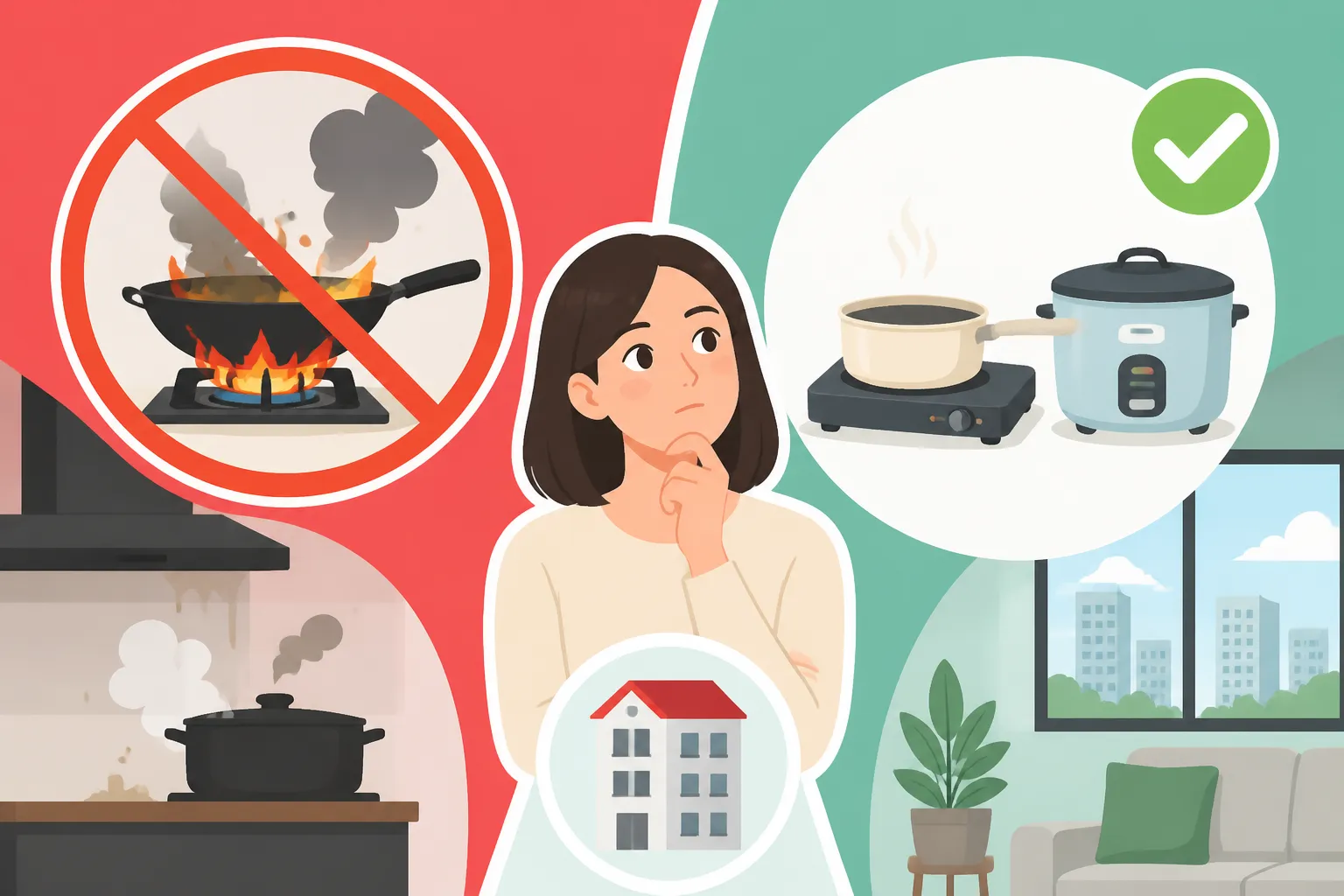
What Does “No Cooking” or “Light Cooking Only” Mean in HDB Rentals?
One of the most perplexing hurdles you might encounter when searching for a rental HDB flat in Singapore is the dreaded "no cooking" or "light cooking only" clause. It’s not just a casual suggestion from your landlord; it's a deeply rooted practice that can significantly impact your daily life, budget, and overall experience, leaving many expats scratching their heads about how to navigate this unique local quirk. This guide is here to demystify these clauses, explain why they exist, and offer practical advice to ensure your rental journey in Singapore is as smooth as possible, even without a fully functional kitchen.
Decoding the "No Cooking" Clause: What It Truly Means
When you stumble upon a rental listing or a tenancy agreement that explicitly states "no cooking," your first thought might be, "Is this for real?" Yes, my friend, it absolutely is. This isn't about landlords being finicky; it often stems from very practical concerns, and understanding their perspective can help you manage your expectations and search more effectively.
The Landlord's Rationale and Practical Concerns
For many HDB landlords, their flat is a significant asset, and they want to protect it from excessive wear and tear, especially in the kitchen. Traditional heavy cooking, common in many cultures (including some local ones!), can lead to grease build-up, lingering odors, stains on walls and countertops, and even increased pest activity. Imagine the smell of a heavily spiced curry permeating the entire flat, embedding itself into the cabinets and curtains – it's incredibly difficult to remove and can devalue the property for future tenants. They’re thinking about the next handover, the painting costs, and the deep cleaning required to get the place back to pristine condition.
Beyond the aesthetics, there's also the element of fire risk, particularly with certain cooking methods or if tenants are unfamiliar with Singaporean kitchen setups. Some landlords might also have had negative experiences with previous tenants who promised "light cooking" but then turned the kitchen into a full-blown culinary lab. Furthermore, in shared living situations, particularly with rooms for rent within an occupied HDB, the landlord might reside in the unit themselves and have cultural or religious dietary restrictions. For instance, a Muslim landlord might not want non-halal meat cooked in their kitchen, or a vegetarian landlord might object to meat preparation. These clauses are an attempt to safeguard their property and peace of mind.
The Strict Enforcement of "No Cooking"
When a tenancy agreement, which is a legally binding document, contains a "no cooking" clause, it’s not to be taken lightly. Ignoring it can lead to serious repercussions. Landlords and their agents are often quite vigilant, especially during routine inspections (which, yes, are a thing here!). If they discover evidence of cooking—whether it's residual smells, grease marks, or even finding cooking equipment not typically used for "light" preparation—they have grounds to act.
The consequences can range from stern warnings to deductions from your security deposit for cleaning and repairs, or even, in more severe cases, early termination of your lease. This is where understanding your Tenancy Agreements: The Diplomatic Clause and Breaking Your Lease becomes crucial, as breaching a fundamental term like a cooking clause can be considered a significant default. Some expats have reported having a portion of their initial rental costs: security deposits, stamp duty, and advance rent withheld because they fried a few eggs too many. It's a frustrating situation to be in, so it's always best to clarify exactly what "no cooking" means for that specific landlord before you put pen to paper. Some might be okay with a microwave, others might mean literally no food preparation beyond opening a packet of crisps.
"Light Cooking Only": Unpacking the Nuances
This is where things get a bit fuzzier, and frankly, it's the clause that causes the most confusion and potential for disagreement. "Light cooking only" is highly subjective, and what one person considers light, another might consider a full meal prep. It's a spectrum, and your interpretation might differ vastly from your landlord's.
What Does "Light Cooking" Really Entail?
In the Singaporean context, "light cooking" generally implies minimal use of heat and oil, with little to no strong odors or lingering residue. Think quick, clean, and easily dissipated.
Commonly Accepted "Light Cooking" Activities:
- Boiling Water: For instant noodles, tea, coffee, or simple pasta (if drained properly and no sauce is cooked).
- Reheating Food: Using a microwave, toaster oven, or air fryer.
- Toasting Bread: With a toaster or toaster oven.
- Preparing Salads: Chopping vegetables, mixing dressings.
- Simple Breakfast Items: Like cereal, yogurt, or fruit.
- Using a Rice Cooker: As long as it doesn't involve heavy frying or strong spices.
What's Usually Not Considered "Light Cooking":
- Deep Frying: Absolutely out. The oil splatters, the smell permeates everything, and the grease is a nightmare to clean.
- Stir-Frying: Even with an electric wok, it's often considered too heavy due to oil and strong smells.
- Heavy Stews, Curries, or Braises: Anything that involves simmering for long periods with potent spices is usually a no-go. Think about the aroma of belacan or durian – these are considered very strong and can linger for days.
- Grilling or Barbecuing: Even indoor electric grills are usually frowned upon.
- Extensive Baking: Unless it's a simple cake mix in a small oven, anything that produces strong food aromas for hours is likely to be problematic.
The key is to avoid anything that creates significant steam, smoke, oil splatters, or potent, long-lasting smells. If it requires scrubbing down surfaces afterward beyond a quick wipe, it's probably not "light."
The Imperative of Open Communication with Your Landlord
Given the ambiguity of "light cooking," proactive communication is not just recommended, it's essential. Do not assume your definition aligns with your landlord's. Before you even sign the Letter of Intent or the Tenancy Agreement, have a candid discussion with your agent, and ideally, the landlord themselves.
Ask very specific questions:
- "Am I allowed to boil pasta or eggs?"
- "Can I use an air fryer to cook frozen nuggets?"
- "Is a microwave permitted?"
- "What about a rice cooker?"
- "Are certain types of ingredients, like strong spices or specific meats, prohibited?"
Get these clarifications in writing, if possible. An email or even a WhatsApp message confirming the agreed-upon interpretation can serve as useful documentation should any dispute arise later when you are Getting Your Deposit Back: Navigating End-of-Lease Cleaning and Disputes. Some tenants move in, assuming they could cook simple stir-fries, only to be hit with complaints because the landlord considered even a mild garlic smell "heavy cooking." Don't leave it to chance; spell it out clearly. This upfront effort can save you a lot of grief and potential financial penalties down the line.
Adapting Your Expat Lifestyle to Kitchen Restrictions
Living in Singapore with limited cooking facilities might sound daunting, especially if you're used to whipping up gourmet meals at home. However, it's a very common reality for many expats, particularly those renting rooms or smaller HDB units. The good news is that Singapore is a food paradise, and adapting your lifestyle is often easier than you might think.
Embracing Singapore's Food Culture: Hawker Centres and Delivery
One of Singapore's greatest treasures is its unparalleled food scene. Hawker centres are ubiquitous, incredibly affordable, and offer a mind-boggling array of delicious local dishes. You can literally eat out for every meal and still barely scratch the surface of what's available. For many expats, the cost of living for a single expat or family with kids means that eating at hawker centers every day is a pragmatic, cost-effective, and delicious way to get by. A hearty meal can often be had for as little as S$5-S$8.
Beyond hawker centres, food courts in shopping malls provide air-conditioned comfort, and local coffee shops (kopitiams) offer a similar range. For those nights when you just can't face leaving the house, food delivery apps like GrabFood, Foodpanda, and Deliveroo are incredibly efficient. You can order almost anything, from local delights to international cuisine, right to your doorstep. This reliance on outside food means your grocery shopping habits will naturally shift – you’ll buy fewer raw ingredients and more ready-to-eat items. This could also be a good time to check out Where to Buy Halal, Kosher, or Gluten-Free Groceries to cater to specific dietary needs that might not be as readily available at all hawker stalls. Remember, staying connected with a good local SIM card or an eSIM from providers like Airalo when you first arrive makes navigating these apps and services a breeze.
Essential Appliances and Dietary Adjustments
If your rental comes with a "light cooking" clause, you'll want to invest in a few key appliances to make your life easier. These can often be found affordably at local electronics stores like Courts, Harvey Norman, or even online via Shopee and Lazada.
Recommended Appliances:
- Microwave Oven: Essential for reheating leftovers, frozen meals, or even cooking simple microwaveable dishes.
- Toaster/Toaster Oven: Great for breakfast, quick snacks, or even heating up small pastry items.
- Electric Kettle: For hot beverages, instant noodles, or boiling water for simple meal prep.
- Rice Cooker: If permitted, this is a lifesaver for making plain rice, which can be a base for many meals. Some modern rice cookers even have steamer functions.
- Air Fryer: This appliance has become incredibly popular for "light cooking." It allows you to "fry" items like chicken wings, vegetables, or frozen goods with minimal oil and much less mess and odor than traditional frying. Clarify with your landlord if an air fryer is acceptable.
- Instant Pot/Multi-Cooker: If space and power supply allow, these can be versatile for stews, soups, or even some pressure-cooked items with minimal fuss. Again, confirm with your landlord if this is within their definition of "light cooking."
Your dietary habits might also need an adjustment. You’ll find yourself eating less heavily spiced, oily, or fried food at home. Focus on fresh salads, sandwiches, pre-made meals, or quick-prep items. While it might seem restrictive at first, many expats find that they adapt quickly and even enjoy the convenience of Singapore's diverse culinary landscape.
Smart Strategies for Renting with Cooking Clauses
Navigating these cooking restrictions doesn't have to be a deal-breaker for finding your ideal HDB flat. With a bit of foresight and strategic planning, you can still find a comfortable home that suits your lifestyle.
Asking the Right Questions During Your Search
When you're viewing potential HDB rentals, don't be shy about asking direct questions regarding cooking. This is crucial during the initial stages of your Renting in Singapore: The Ultimate Guide for Expatriates (2026). The property agent or landlord might initially give a vague answer like "light cooking is fine," but it's your responsibility to push for specifics.
Key questions to ask:
- "What kind of cooking equipment is provided, if any?" (e.g., microwave, induction hob, gas stove).
- "What specific types of food preparation are not allowed?"
- "If I use an air fryer, is that acceptable?"
- "Are there any restrictions on ingredients, such as strong spices?"
- "How frequently do you expect inspections, and what do you look for in the kitchen area?"
It's also a good idea to assess the kitchen area itself. Is there adequate ventilation (an exhaust fan)? Is the countertop material easy to clean? Is there enough space for the appliances you plan to use? These visual cues can sometimes give you a better idea of the landlord’s actual expectations, regardless of what they say. For example, if there's no exhaust fan and the kitchen is tiny and enclosed, even "light cooking" might be challenging without causing odors to spread. If you're coordinating your move with international movers like those found on Sirelo, factor in these kitchen restrictions – perhaps it's best to leave the heavy-duty slow cooker or large food processor back home.
The Impact on Your Budget and Lifestyle Choices
Living with "no cooking" or "light cooking only" will undoubtedly impact your monthly budget. While hawker food is cheap, eating three meals a day, seven days a week, from outside sources will inevitably add up and likely exceed what you would spend on home-cooked meals. Consider creating a realistic Healthcare Budgeting in Singapore: Managing Out-of-Pocket Costs that accounts for this.
Financial Implications:
- Higher Food Expenses: Even at S$8 per meal, that's S$24 a day, or S$720 a month for one person. For a couple or family, this multiplies quickly.
- Appliance Purchases: You might need to buy a microwave, air fryer, or rice cooker.
- Delivery Fees: Convenience comes at a cost, with delivery fees and occasional minimum order requirements.
Lifestyle and Social Implications:
- Limited Home Entertainment: If you enjoy cooking for friends or hosting dinner parties, this clause will severely restrict that.
- Dietary Control: If you have specific dietary needs, allergies, or prefer organic/whole foods, relying solely on outside food can be challenging. Controlling ingredients, sugar, and oil content becomes harder.
- Convenience vs. Comfort: While convenient, eating out constantly might lose its charm after a while. You might miss the comfort and routine of a home-cooked meal.
Ultimately, you need to weigh these factors against the benefits of the HDB flat itself – location, rent, amenities, and overall condition. For some, the prime location near work or an MRT station (which you can Navigating the MRT Network: Transfer Lines and Rush Hour Reality effortlessly) makes the cooking restriction a worthwhile trade-off. For others, particularly families or those passionate about cooking, it might be a deal-breaker. Be honest with yourself about your priorities before committing to a lease.
Here's a handy table to help you distinguish between the typical interpretations of these clauses:
| Feature | "No Cooking" (Strict Interpretation) | "Light Cooking Only" (Common Interpretation) |
|---|---|---|
| Acceptable Actions | Reheating with microwave (if allowed), instant coffee/tea. No stove use. | Microwave, toaster, electric kettle, rice cooker, air fryer (confirm with landlord). Minimal oil. |
| Prohibited Actions | Any form of stove cooking, deep frying, stir-frying, simmering. | Deep frying, heavy stir-frying, strong-smelling spices (e.g., belacan, durian), prolonged cooking. |
| Landlord's Main Concern | Property cleanliness, odor prevention, minimal wear and tear, fire risk. | Odor control, grease prevention, ease of cleaning, property maintenance. |
| Typical Tenant Impact | Reliance on outside food/delivery. Higher food budget. | Reliance on outside food for complex meals. Need for specific appliances. |
| Common Settings | Rooms for rent within shared flats, very small units, landlords residing in the unit. | Most HDB flat rentals where a kitchen is present but regulated. |
| Appliances Allowed | Kettle, mini-fridge (if not provided). | Microwave, toaster, kettle, rice cooker, air fryer (subject to landlord). |
| Risk of Dispute | Lower, as it's clearer. | Higher, due to subjective interpretation. Requires clear communication. |
Disclaimer
The information provided in this guide is for general informational purposes only and does not constitute legal or professional advice. While we strive to provide accurate and up-to-date content, rental laws and practices in Singapore can change, and individual circumstances vary. Always consult with a qualified property agent, legal professional, or the relevant Singaporean authorities (e.g., Council for Estate Agencies) for advice tailored to your specific situation before entering into any tenancy agreement.