Certificate of Entitlement (COE): Why Cars Are Exorbitantly Expensive
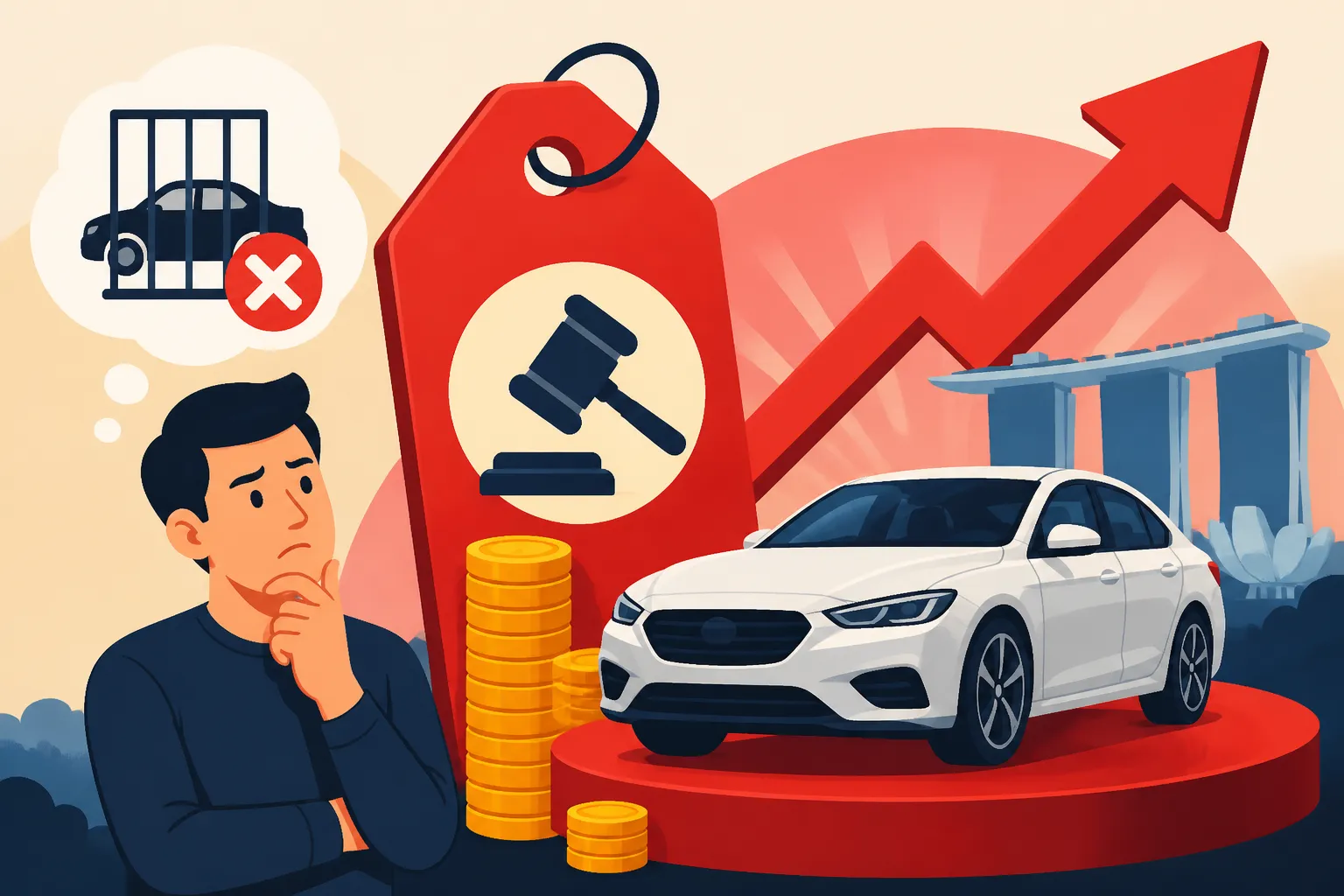
You’ve just landed in Singapore, probably still reeling from the sticker shock of renting an apartment or the price of a decent craft beer. But nothing, and I mean nothing, prepares newcomers quite like the jaw-dropping cost of buying a car here. It’s not just expensive; it’s astronomically, laughably, impossibly pricey, often making even luxury vehicles in other major cities look like bargains. This guide is going to strip away the mystery and dive deep into the Certificate of Entitlement (COE), the primary culprit behind Singapore's insane car prices, helping you understand why it exists and what it truly means for your expat life on the Little Red Dot.
What Exactly is the Certificate of Entitlement (COE)?
So, you want a car in Singapore? That's lovely. But before you even think about the car itself – the make, model, colour, features – you first need to bid for the right to own a car. That right is embodied in the Certificate of Entitlement, or COE. Think of it as a golden ticket, a ten-year lease on the space your car will occupy on Singapore's roads. Without it, you simply cannot register a vehicle. This isn't just another tax; it's a fundamental pillar of Singapore's urban planning, designed to manage traffic congestion and land scarcity in a country that's literally bursting at the seams.
The government implemented the COE system back in 1990 because, let's face it, with limited land, you can't just let everyone own a car. If they did, Singapore would be one giant, permanent traffic jam. The COE acts as a rationing mechanism, ensuring that only a limited number of new vehicles hit the road each year. It’s a very Singaporean solution: efficient, pragmatic, and undeniably effective, even if it leaves most of us expats scratching our heads and sighing deeply at the price tag.
The Core Concept: Quotas and Ownership Rights
At its heart, the COE system is about supply and demand, carefully manipulated by the government. Every quarter, the Land Transport Authority (LTA) announces a quota for new COEs based on vehicle de-registrations over the preceding period and the target growth rate of the vehicle population. This quota is then divided into various categories, primarily by vehicle type and engine capacity. It's a zero-sum game: for every car that gets de-registered (scrapped or exported), a new COE becomes available, creating a tightly controlled ecosystem.
What you're really buying with a COE is the legal right to own and use a vehicle in Singapore for a period of ten years. It’s not about the car's value, but the right to its footprint on the island. Imagine paying a substantial fee just for the privilege of owning a coffee machine that occupies a certain amount of countertop space – that's somewhat analogous to what the COE represents, but on a much grander, more expensive scale. This lease on road space ensures that vehicle growth is always within manageable limits, preventing the kind of gridlock seen in many other densely populated cities.
How the Bidding System Works
The COE is acquired through a public bidding exercise that takes place twice a month. It's an electronic auction, and anyone who wants to buy a new vehicle or renew an existing COE has to participate. Dealerships typically handle the bidding on behalf of their customers, but you can also bid directly if you’re brave enough to navigate the system yourself. Each bidding round opens on the first and third Monday of the month and lasts for three days. It’s a nail-biting process, especially when you’ve set your heart on a car and are praying the COE premiums don’t spike.
The process is rather simple, yet intensely competitive. Bidders submit their reserve prices, and at the end of the bidding period, the COE is awarded to the highest bidders, down to the last available certificate in that category. The "cut-off price" or "Quota Premium (QP)" is the lowest successful bid within that category. Everyone who successfully bid at or above this QP pays this exact amount. This means if you bid $100,000 and the QP turns out to be $90,000, you pay $90,000. But if you bid $89,999, you get nothing, and your dream of a new car is put on hold until the next bidding exercise. It's a dynamic, volatile system, and COE prices can swing wildly from one bidding cycle to the next, influenced by everything from economic forecasts to new car model launches.
The Categories of COE and What They Mean for Your Wallet
The COE system isn't a one-size-fits-all situation; it's divided into several categories, each with its own quota and, crucially, its own fluctuating price. This stratification adds another layer of complexity – and cost – to the already daunting process of car ownership in Singapore. Understanding these categories is essential, as it directly impacts what kind of vehicle you can afford and even how your COE might appreciate or depreciate over time.
For an expat, particularly one who might be accustomed to driving a larger vehicle back home, these categories can be a rude awakening. You might find that the car you considered "standard" in your home country falls into a premium category here, pushing its price well beyond what you'd ever imagined. This is why many expats opt for smaller, more efficient cars, or simply forgo car ownership altogether.
Different Vehicle Types, Different Prices
There are five main categories for COEs in Singapore, labelled A through E:
- Category A (Cars up to 1600cc & 130 bhp): This is typically for smaller, less powerful cars. Think compact sedans like a Honda City or a Toyota Altis. Historically, this category has had slightly lower premiums than Category B, as it caters to a broader segment of the population looking for more economical vehicles. However, with rising affluence, even these "mass market" car prices can be eye-watering.
- Category B (Cars above 1600cc or 130 bhp): This is for larger, more powerful, and generally more luxurious cars. If you're eyeing an Audi, BMW, Mercedes, or even a larger Japanese SUV, it will likely fall into this category. The premiums here are almost always higher than Category A, reflecting the higher purchasing power of those who can afford these vehicles. This is often where expat families, needing more space, find themselves looking, only to be met with a significant financial barrier.
- Category C (Goods Vehicles and Buses): This category is for commercial vehicles. Businesses, logistics companies, and public transport operators bid here. While vital for the economy, these COEs generally don't concern the average expat looking for personal transport.
- Category D (Motorcycles): Unsurprisingly, this is for motorcycles. Motorcycle COEs are significantly cheaper than car COEs, which is why you see a good number of bikes on the road, often used by delivery riders or individuals looking for a more affordable form of personal transport.
- Category E (Open Category): This is the wild card, a category that can be used for any vehicle type, but it's predominantly used for Category B cars. The premiums here are often the highest because it's essentially an uncapped bidding free-for-all. Buyers with deep pockets who missed out on their preferred category, or those buying ultra-luxury cars, often turn to Category E. This category can also be particularly volatile, as successful bids here can sometimes influence premiums in other categories.
The differences in premiums between these categories can be substantial, sometimes tens of thousands of dollars. For instance, in a recent bidding exercise, a Category A COE might fetch around S$100,000, while a Category B COE could easily exceed S$130,000, and Category E could be even higher. These figures are not static; they fluctuate every two weeks, turning the act of buying a car into a high-stakes gamble.
The Open Category (Category E) and Its Impact
Category E, the Open Category, is a fascinating beast in the COE landscape. It exists to provide flexibility, allowing COEs to be used for any vehicle type not falling into Categories C or D. In practice, however, it’s almost exclusively dominated by luxury cars that would otherwise fall into Category B. Why? Because the supply is smaller and the demand from buyers of high-end vehicles, who are often less price-sensitive, is consistently strong.
The impact of Category E on overall car prices cannot be overstated. When premiums in Category B are particularly high, some buyers might try their luck in Category E, hoping for a better deal. However, this often pushes up Category E prices further, creating a cycle where all car COE categories remain elevated. This dynamic effectively sets a high baseline for anyone aspiring to car ownership, regardless of whether they're buying a mass-market sedan or a premium SUV. It highlights the deeply ingrained philosophy of car rationing in Singapore: if you want the ultimate convenience of private transport, you're going to pay a very, very hefty premium for it.
Why COE is So Expensive: Understanding the Driving Factors
The exorbitant cost of COEs isn't just arbitrary; it's a direct consequence of Singapore's unique circumstances and deliberate policy choices. It's a perfect storm of land scarcity, economic prosperity, and a clear government strategy to manage urban living. As an expat, understanding these underlying factors can help you contextualize the frustration and even appreciate the rationale, however painful the wallet hit might be. It’s not just about making money for the government, although that’s certainly a byproduct; it’s about making Singapore livable.
The narrative around COE often focuses on the price, but rarely on the "why." Back home, the cost of a car might be primarily driven by manufacturing, brand, and features. Here, the biggest chunk of the price tag is tied to an invisible, intangible right – a right that Singapore prioritizes above all else to maintain its urban efficiency and green spaces. This is a crucial distinction for anyone trying to wrap their head around the local automotive market.
Limited Supply, High Demand: Singapore's Land Scarcity
This is the primary and most fundamental reason for the COE system and its high costs. Singapore is a small island nation, one of the most densely populated countries in the world. With a land area of just over 700 square kilometers, there's simply not enough space for everyone to own a car, park it, and drive it without causing perpetual gridlock. If you've ever felt the squeeze on the MRT during rush hour, imagine that level of congestion on every road, all the time.
The government maintains a strict cap on the total number of vehicles that can be on the road at any given time. This cap is periodically reviewed, but the overarching principle remains: vehicle population growth must be minimal, if not zero. When new COEs are issued, it’s largely to replace older vehicles that have reached the end of their 10-year COE lifespan and have been de-registered. This creates a finite supply of COEs, which, when combined with a constant demand from a growing and affluent population, naturally drives prices sky-high. It's a classic economic principle: scarce resources, high demand, exorbitant prices. The alternative, according to policymakers, would be a city suffocated by traffic, pollution, and wasted time – a scenario Singapore is determined to avoid.
Economic Prosperity and Disposable Income
Singapore's remarkable economic success plays a significant, albeit indirect, role in COE prices. As one of the wealthiest nations globally, with high average incomes and a strong job market, a substantial portion of the population has the disposable income to afford luxury goods – including cars, even with the COE. This includes a large expatriate community, many of whom come from countries where car ownership is commonplace and much more affordable.
This widespread affluence translates into persistent demand for cars, regardless of their already inflated price tag. People see car ownership as a status symbol, a necessity for convenience, or simply a well-deserved indulgence after years of hard work. When you have a large pool of individuals and families who can and are willing to pay high prices for a COE, it keeps the bidding competitive and the premiums elevated. The desire for a personal vehicle, despite the excellent public transport system, is deeply ingrained in many cultures, and Singapore is no exception. This affluent demand acts as a constant upward pressure on COE premiums.
Government's Strategy: De-incentivizing Car Ownership
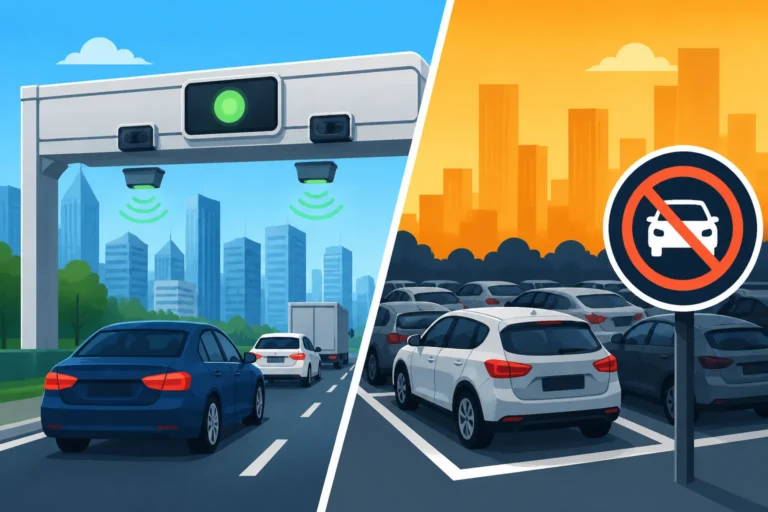
Beyond land scarcity, the high COE is a deliberate policy tool used by the Singaporean government to actively discourage car ownership. It’s part of a broader strategy to encourage the use of its world-class public transportation system and to promote sustainable urban living. The message is clear: if you must own a car, you will pay a significant premium for that privilege. This approach is integrated with other disincentives, like high Electronic Road Pricing (ERP) charges, expensive parking, and hefty road taxes, all designed to make private car usage less attractive and more costly.
This strategy serves multiple purposes. Firstly, it ensures roads remain relatively clear and free-flowing, especially during peak hours. Secondly, it reduces carbon emissions and air pollution, contributing to Singapore’s green city initiatives. Thirdly, it frees up valuable land that would otherwise be dedicated to roads and parking lots for other purposes, such as housing, parks, and essential infrastructure. For most expats, especially those used to driving everywhere, the public transport system here is a revelation. New arrivals are often advised to give it a solid try; you’ll be amazed at how efficient and clean it is. You might even find yourself using an eSIM from a brand like Airalo to keep connected on the go, without needing your own car.
The Lifespan of a COE and What Happens Next
So, you’ve navigated the bidding, secured your COE, and bought your dream car (or at least, your Singapore-budget car). Congratulations! But remember, that COE comes with a timer. It’s a 10-year certificate, and that decade flies by faster than you think. What happens when that clock runs out? Well, you have a couple of choices, each with its own financial implications. This post-10-year decision is another critical aspect of car ownership here that many first-time expats aren’t aware of.
Unlike in many countries where a car's lifespan is mostly dictated by its mechanical condition, in Singapore, the legal right to even have the car on the road has a hard expiry. This planned obsolescence mechanism is another government lever to control vehicle population and encourage modernization of the fleet.
The 10-Year Cycle: Renewal or De-registration
When your COE reaches its 10-year expiry date, you basically have two main options:
-
Renew Your COE: If your car is still in good condition and you want to keep it, you can opt to renew its COE for another 5 or 10 years. To do this, you pay the Prevailing Quota Premium (PQP). The PQP is essentially the moving average of the COE prices for your vehicle category over the previous three months. It's a transparent system, designed to reflect current market rates.
- 5-year renewal: This is often chosen if the car is older and you’re not sure you want to commit for another full decade. However, there's a catch: after a 5-year renewal, you cannot renew it again. The car must be de-registered when that period is up. You also forfeit any Preferential Additional Registration Fee (PARF) rebate (more on this below).
- 10-year renewal: If your car is still a trusty steed and you plan to keep it long-term, you can renew for another 10 years. This also requires paying the PQP, and you still forfeit the PARF rebate. After this second 10-year period, you can theoretically renew again, but by then, most cars are reaching the end of their practical lifespan.
-
De-register Your Car: If you decide not to renew, or if your car has reached its maximum lifespan after a 5-year renewal, you must de-register it. This means the car can no longer be legally driven on Singapore roads. You can then sell it to a scrapyard, export it, or cannibalize it for parts. Upon de-registration, you may be eligible for rebates, which brings us to the next point.
This 10-year cycle creates a continuous churn in the COE market. Old cars exit, new COEs become available, and the bidding process continues. It's a meticulously managed system that ensures a relatively modern vehicle fleet and constantly reinforces the scarcity principle, which underpins the entire exorbitant cost structure.
The Preferential Additional Registration Fee (PARF) Rebate and Its Value
When you first buy a brand new car in Singapore, you pay a multitude of taxes, including the Additional Registration Fee (ARF), which can be a huge sum. The government offers a consolation prize for de-registering your car before its 10-year COE runs out: the Preferential Additional Registration Fee (PARF) rebate. This rebate is a percentage of the ARF you originally paid, and its value depreciates over the first 10 years of the car's life.
Here's how it generally works:
- De-register within 5 years: You get the highest PARF rebate, often around 75% of the ARF paid. This incentivizes owners to de-register relatively new cars, potentially freeing up COEs sooner.
- De-register between 5 and 10 years: The rebate progressively decreases, reaching a minimum of 50% by the end of the 9th year.
- De-register after 10 years or after a 5-year COE renewal: No PARF rebate. This is why if you renew your COE for another 5 or 10 years, you essentially "cash out" your PARF rebate – you're choosing to keep the car, and thus giving up the potential rebate.
The PARF rebate is a significant factor in the depreciation of cars in Singapore. It means that while cars are expensive to buy, they retain some value up to a point, often much more than in countries without such a system. However, this value quickly diminishes after the 5-year mark, and by the time a car is 10 years old, its value is almost entirely dependent on its scrap metal worth or export potential, as there’s no PARF rebate left to claim. This complex calculation of upfront cost, COE premium, and potential PARF rebate makes financial planning for car ownership a serious undertaking in Singapore.
Beyond COE: Other Costs That Make Car Ownership Astronomical
Just when you think you've wrapped your head around the COE, you realize that it's only one part of the financial labyrinth that is car ownership in Singapore. The COE is indeed the biggest hurdle, but there are numerous other fees and taxes that stack up to create a truly mind-boggling total cost. For an expat thinking about getting a car, you need to factor in all these layers of expenses, or you'll be in for a very rude shock.
It's not just the purchase that's expensive; it's the entire lifecycle. Every aspect of car ownership, from registration to driving to parking, is subject to levies designed to reinforce the scarcity and disincentive message.
Additional Registration Fee (ARF) and Excise Duty
Once you’ve successfully bid for your COE, you haven't bought your car yet. First, you have to pay the Additional Registration Fee (ARF). This is a tax levied on the Open Market Value (OMV) of your vehicle. The OMV is essentially the cost of the car, insurance, and freight from the country of export, before any local duties and markups are added. The ARF is calculated on a tiered basis, and it can quickly escalate:
- The first S$20,000 of OMV is taxed at 100%.
- The next S$30,000 (from S$20,001 to S$50,000 OMV) is taxed at 140%.
- Any amount above S$50,000 OMV is taxed at a staggering 180%.
So, if your car has an OMV of S$60,000, you're looking at (S$20,000 * 100%) + (S$30,000 * 140%) + (S$10,000 * 180%) = S$20,000 + S$42,000 + S$18,000 = S$80,000 in ARF alone! This is before the COE is added. This progressive taxation structure heavily penalizes luxury vehicles with high OMVs, making them exponentially more expensive.
On top of the ARF, there's also an Excise Duty, typically 20% of the OMV. This is similar to a customs duty on imported goods and adds another significant chunk to the initial cost. When you combine the COE, ARF, and Excise Duty, the total price of a car in Singapore can easily be 4 to 5 times its equivalent price in Europe, North America, or even Australia. This is why a "basic" Toyota Altis can cost well over S$100,000, and a mid-range BMW could set you back S$300,000 or more.
Road Tax, Insurance, and Electronic Road Pricing (ERP)
The costs don't stop after the initial purchase. Owning a car in Singapore means an ongoing stream of expenses:
- Road Tax: This is an annual tax that you pay to the LTA for the privilege of driving your car on public roads. It's calculated based on factors like engine capacity and age of the vehicle. The larger the engine, the higher the road tax. Older cars (over 10 years old) also incur a progressively higher surcharge, another disincentive to keep older vehicles on the road. For example, a 1.6L car might cost around S$700-800 per year, but a 2.5L car could easily be S$1,500-$2,000 or more.
- Car Insurance: Like anywhere else, you need comprehensive insurance. Given the high value of cars here, insurance premiums can be substantial, especially for newer drivers or those with a poor driving record. You can expect to pay anywhere from S$1,000 to S$3,000 or more annually, depending on your No-Claim Discount (NCD), vehicle type, and driver profile.
- Electronic Road Pricing (ERP): Singapore uses a highly efficient, gantry-based system to charge motorists for using certain roads during peak hours or in congested areas. The charges vary based on location, time of day, and congestion levels. You'll need an In-vehicle Unit (IU) to automatically deduct these fees from a stored-value card (like an EZ-Link card) or directly from your bank account via a linked payment system. If you commute frequently through ERP zones, these charges can add up significantly, often hundreds of dollars a month. Check out our guide on Electronic Road Pricing (ERP) and Parking Scarcity in the CBD for more details on how this system impacts your daily commute.
These recurring costs alone can easily amount to several thousand dollars a year, turning car ownership into a constant drain on your finances, well beyond the initial purchase price.
Maintenance, Parking, and Fuel Costs
And then there are the everyday operational costs that add insult to injury:
- Maintenance and Servicing: While Singapore roads are generally well-maintained, tropical humidity can take its toll on vehicles. Regular servicing, air-conditioning checks, and replacing wear-and-tear parts are essential. Dealership servicing can be expensive, and even independent workshops are not cheap. Expect to budget at least S$500-S$1,000 per year for routine maintenance, with major services or unexpected repairs costing significantly more.
- Parking: Parking in Singapore, particularly in popular areas and the CBD, is notoriously expensive. HDB (public housing) carparks offer cheaper seasonal parking for residents, but visitor parking can add up. Private condo parking is usually included in your rental or maintenance fees, but if you drive to work or to malls, you'll pay hourly rates that can easily hit S$2-S$5 per hour. A day out shopping or dining could easily run you S$20-$30 in parking fees.
- Fuel: Petrol prices in Singapore are among the highest globally, thanks to taxes and duties. While fuel efficiency is decent for many Japanese cars, filling up a larger SUV can be a painful experience for your wallet. Expect to pay around S$2.80 to S$3.20 per liter for 95-octane petrol (as of early 2024), making every trip a conscious decision of cost versus convenience. Our guide on The Costs of Maintaining a Car: Road Tax, Insurance, and Petrol delves deeper into these recurring expenses.
All these factors combine to make owning a car in Singapore not just a luxury, but a truly extravagant one. For many expats, the sheer financial outlay makes it an untenable option, leading them to embrace the highly efficient public transport system instead.
Is Owning a Car in Singapore Ever Worth It? (A Realistic Look)
After going through all those figures, it’s easy to feel disheartened and conclude that car ownership in Singapore is utterly impossible. For many, it truly is. But for some, particularly certain types of expats or those in specific life stages, a car might just be a justifiable expense. It’s a deeply personal decision, and it’s important to weigh the undeniable costs against the very specific benefits it might offer to your lifestyle here.
This isn’t a universal “yes” or “no” answer; it's a careful calculation of priorities, convenience, and financial comfort. It also involves a realistic assessment of Singapore’s superb alternatives.
The Trade-offs: Convenience vs. Cost
Let's be brutally honest: the biggest advantage of having a car in Singapore is convenience and comfort.
- Convenience: Imagine being able to run errands, drop kids off at school, go grocery shopping at multiple locations, or take spontaneous weekend trips without coordinating with bus schedules or surge pricing on Grab. For families with young children, especially those needing car seats, a private vehicle can feel like a godsend. Similarly, for expats who frequently visit remote industrial parks for work, or those who enjoy exploring more out-of-the-way nature spots, a car offers unparalleled freedom. There's no denying that the sheer ease of point-to-point travel, especially with luggage or children in tow, is a major draw.
- Comfort: On a scorching hot, humid day, stepping into your air-conditioned car beats waiting at a bus stop or jostling on a crowded MRT. The privacy of your own space, the ability to listen to your own music, and not having to worry about others are subtle but significant comforts.
However, this convenience comes at a staggering financial cost that far outweighs the comfort benefits for most people. The money saved by not owning a car could easily fund multiple overseas holidays, private school fees, or a significantly nicer apartment. It's a luxury that, for many, simply doesn't make financial sense when juxtaposed against the alternatives.
Alternatives to Car Ownership for Expats
Singapore is built for a life without a private car. Seriously.
- Public Transport: Singapore boasts one of the world's best public transport systems. The MRT (Mass Rapid Transit) is extensive, clean, air-conditioned, and incredibly efficient, covering most of the island. Buses complement the MRT network, reaching virtually every corner. Fares are affordable, and with apps like SimplyGo, tapping your credit card or phone for travel is seamless. For a single expat or a couple, relying solely on public transport is not just feasible, it's often preferable. Check out our comprehensive guide on Public Transport in Singapore: MRT, Buses, and Commuting Hacks to truly understand its benefits.
- Ride-Hailing Services: Apps like Grab, Gojek, and TADA are ubiquitous and highly reliable. While peak hour surge pricing can be painful, the cost of a few Grab rides a day pales in comparison to the total monthly cost of owning a car. For impromptu trips, late nights, or when carrying groceries, these services are a lifesaver. Our article on Ride-Hailing Apps: Grab, Gojek, TADA, and CDG Zig Explained can help you navigate these options.
- Car-Sharing and Rental Services: For those occasional needs – a weekend getaway to Malaysia, moving bulky items, or a day trip to explore Singapore's less accessible spots – car-sharing platforms like BlueSG (electric cars) or GetGo offer cars on demand. You pay by the minute or hour, plus mileage, and it’s significantly cheaper than owning a vehicle. Explore options like How to Rent a BlueSG Electric Car or GetGo for Weekend Trips for more flexibility.
- Taxis: Traditional taxis are still widely available and can be flagged down or booked via apps. They offer a comfortable, convenient option, especially for shorter distances or when you prefer not to use ride-hailing apps.
For new expats navigating the city, even having a reliable data connection is key. Consider getting an eSIM from a service like Airalo to ensure you're always connected, whether you're taking the MRT or hailing a ride.
When a Car Might Make Sense for Your Lifestyle
Despite all the arguments against it, a car genuinely makes sense for a specific subset of expats:
- Families with Multiple Young Children or Special Needs: Managing multiple car seats, strollers, and the general chaos of young children on public transport, especially in the tropical heat, can be incredibly taxing. For families needing to transport several kids to different schools or activities, or those with children requiring specialized medical appointments, a car can transition from a luxury to a near-necessity. Also, if you’re living in a location that is less well-served by public transport, such as some parts of Woodlands near the American School, or if you frequently have to travel between far-flung locations, a car can offer practical benefits.
- Individuals with Specific Work Requirements: Some jobs require frequent travel to remote industrial areas, construction sites, or client locations that are not easily accessible by public transport. If your company provides a car allowance that substantially covers the costs, or if your role genuinely benefits from the flexibility of a private vehicle, it might be a worthwhile investment.
- Avid Cross-Border Travelers: If you frequently drive to Malaysia for weekend trips, a car provides unparalleled freedom. While public buses and trains connect to Johor Bahru, having your own vehicle for deeper exploration into Malaysia can be a significant advantage. Just remember the administrative hurdles of Converting Your Foreign Driver's License at the Traffic Police HQ if you plan to drive.
- High Net Worth Individuals for Whom Cost is Not a Primary Concern: For those whose financial situation allows them to absorb the exorbitant costs without batting an eyelid, a car is simply a preferred mode of transport, offering the ultimate comfort and status.
Before making any decision, especially if you're planning a full move, do your research. Platforms like Sirelo can help you plan your international move, including assessing what to bring and what to leave behind, which might include your car from back home, as shipping it to Singapore often isn’t financially viable given local regulations and costs. Ultimately, for the vast majority of expats in Singapore, the public transport and ride-hailing options are so good, and the cost of car ownership so immense, that opting for a car is rarely the most practical or financially savvy choice. However, understanding the COE system and all its associated costs is crucial to making an informed decision that suits your unique situation in Singapore.
Disclaimer
The information provided in this article is intended for general informational purposes only and does not constitute financial, legal, or immigration advice. While efforts have been made to ensure accuracy and provide up-to-date information as of the last update, policies and regulations in Singapore, particularly concerning COE, vehicle taxation, and immigration, are subject to change by relevant authorities (e.g., LTA, MOM, ICA, IRAS). Readers are strongly advised to consult official government sources (such as the LTA website for COE information), professional financial advisors, legal experts, or immigration consultants for personalized advice tailored to their specific circumstances before making any decisions related to car ownership, financial planning, or relocation in Singapore. Reliance on any information in this article is solely at your own risk.