Buying Curtains and Blinds: Understanding Blackout Requirements in Condos
Moving into a new condo in Singapore often comes with a whirlwind of excitement, paperwork, and the surprising realization that even seemingly simple things, like choosing curtains, can become a complex administrative and cultural negotiation. This guide will walk you through the nuances of buying curtains and blinds in Singapore, focusing specifically on the common "blackout" requirements that often catch expats off guard, ensuring you can create a comfortable home without unnecessary stress or deposit disputes.
The Unique Challenges of Window Coverings in Singapore Condos
When you first arrive in Singapore, you might be picturing tastefully decorated windows with light, airy drapes, or sleek, modern blinds. However, the reality of living in a tropical city-state, especially in a condo, quickly shifts that perception. Window coverings here aren't just about aesthetics; they're about practicality, privacy, climate control, and often, stringent landlord expectations.
Battling the Tropical Sun and Heat
Singapore's equatorial sun is relentless. It's not just bright; it radiates an intense heat that can quickly turn your beautifully appointed apartment into an oven if not properly managed. This isn't just about personal comfort; sustained sun exposure can damage furniture, fade carpets, and significantly drive up your electricity bill as your air conditioner struggles to cope. Many landlords, especially those who’ve rented to sun-damaged furniture victims before, are acutely aware of this. They understand that proper window treatments are a form of property protection. So, while you might dream of sheer curtains, the practical reality often demands something much more robust to block out the harsh rays.
Ensuring Privacy in High-Density Living
Singapore is a city of high-rises, and while the views can be spectacular, they often come with a trade-off: proximity to your neighbors. Many condos, especially those in denser areas, are built close enough that you can easily see into other units, and they can see into yours. This isn't necessarily intrusive, but it certainly necessitates a greater focus on privacy. Whether it's shielding your family from curious glances or simply enjoying your evening without feeling like you're on display, adequate window coverings become an essential boundary. This is particularly true for ground-floor units or those facing communal facilities like pools or playgrounds, where visibility can be even higher.
Landlord Expectations and Lease Agreements
This is where many expats hit a snag. Unlike some other countries where window coverings are often seen as a tenant's decorative choice, in Singapore, they are frequently a core component of the rental agreement. Many units, even "unfurnished" ones, will come with basic curtains or blinds already installed. However, if the unit is completely bare or if the existing treatments are deemed insufficient by the landlord (or, more commonly, by the lease agreement itself), you'll be on the hook to install them. The key phrase to look out for, and the subject of many expat woes, is the "blackout" requirement. It's not just a suggestion; it’s a non-negotiable term for many landlords, baked right into your Tenancy Agreements. If you’re in the process of moving in, make sure you're conducting the Handover Inventory and Defect Check diligently to document existing conditions.
Decoding the "Blackout" Clause: More Than Just Darkening Your Room
The term "blackout" in a Singapore rental agreement carries significant weight. It's often misunderstood, leading to disputes and unexpected costs for departing tenants. It's not just about getting a good night's sleep, though that's certainly a benefit!
What "Blackout" Really Means for Your Condo
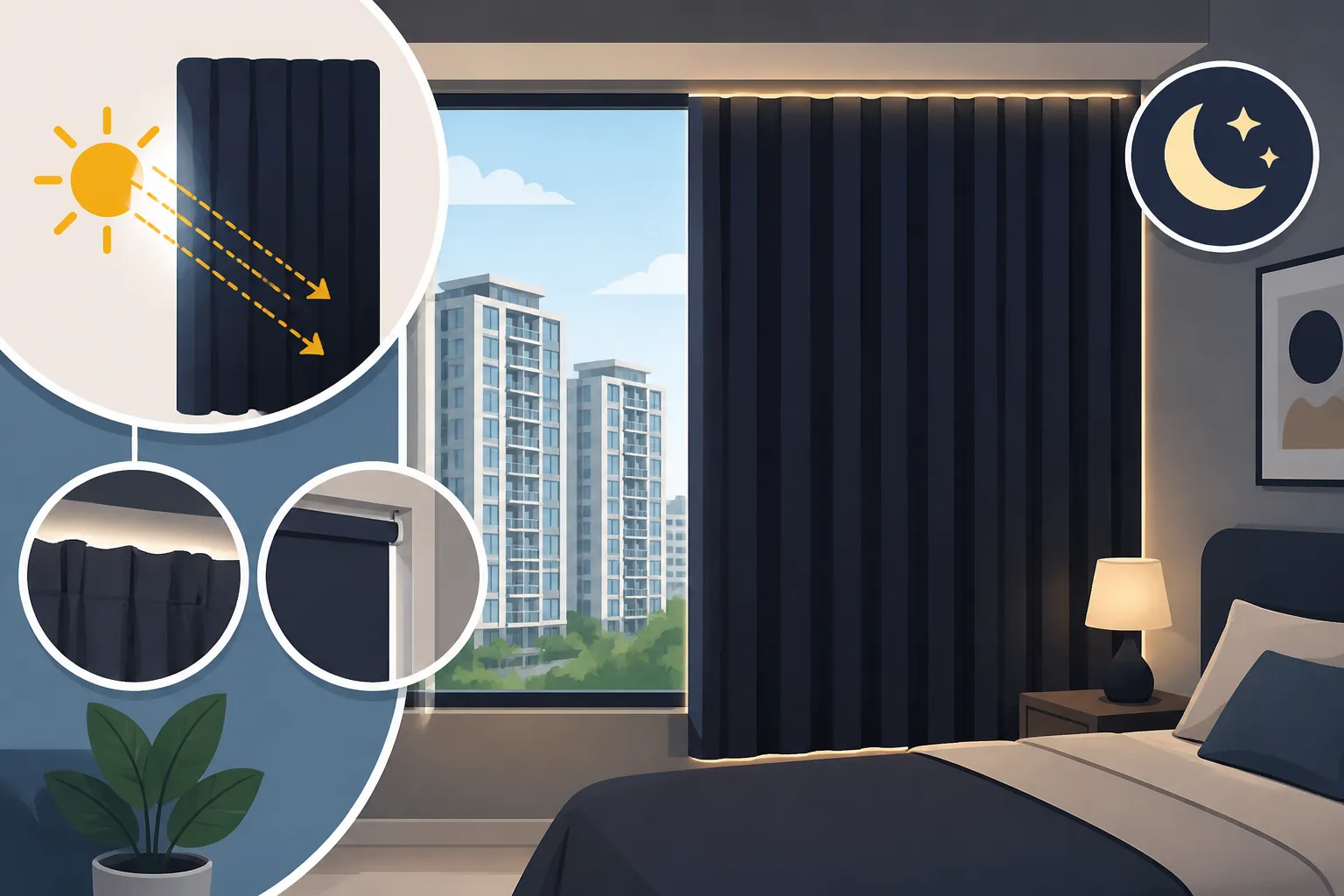
When a landlord specifies "blackout curtains" or "blackout blinds," they generally mean window coverings that block out at least 90-95% of external light. This isn't just about the fabric; it's also about the fit. Gaps at the sides, top, or bottom that allow significant light leakage might be considered non-compliant. The primary reasons behind this strict requirement are:
- Property Protection: As mentioned earlier, intense UV rays can quickly damage wooden flooring, expensive artwork, and upholstered furniture. Blackout coverings act as a shield, preserving the landlord's assets.
- Energy Efficiency: By blocking heat transfer, blackout treatments help keep the apartment cooler, reducing the strain on air conditioning units and potentially lowering electricity bills for tenants (and indirectly protecting the landlord's appliances).
- Tenant Comfort: While often driven by landlord interests, deep down, they also want happy tenants. Blackout curtains provide superior light control, which is fantastic for shift workers, parents with young children who need naps, or anyone who simply prefers a truly dark room for sleep.
- Maintaining Property Value: A unit with well-maintained, functional window coverings is more attractive to future tenants and helps the property retain its value.
It’s crucial to clarify with your landlord or agent exactly what their definition of "blackout" entails if it's not specified. Is it strictly about light blockage, or do they have aesthetic preferences (e.g., color, material) too? This clarity upfront can save you a lot of grief down the line, especially when it comes to getting your deposit back. When you're calculating your Initial Rental Costs, don't forget to budget for these essentials.
Tenant Obligations and Potential Pitfalls
If your lease agreement mandates blackout window coverings and the unit doesn't have them, the responsibility usually falls on you, the tenant, to install them. This means:
- Financial Outlay: You'll bear the cost of purchasing and installing the curtains or blinds. Prices can vary wildly depending on the size of your windows, the type of material, and the installer you choose. This isn't a small expense, especially for a full apartment.
- Aesthetic Alignment: While you pay for them, the landlord might have specific requirements regarding the appearance or type. They might insist on neutral colors, a specific style (e.g., roller blinds over heavy drapes), or even a particular vendor. Always get these details in writing.
- Installation Restrictions: You might need approval for drilling into walls or window frames. Ensure your installer is experienced in condos and understands how to avoid damage to the property, which could result in deductions from your security deposit.
- Removal and Reinstatement: This is the big one. What happens when you move out? Generally, if you installed the window coverings, you are expected to remove them and "reinstate" the property to its original condition. This means filling holes, painting, and ensuring there's no damage. Some landlords might allow you to leave them behind, especially if they are high quality and meet their requirements, but never assume this. Get it in writing. Neglecting this can lead to significant deductions from your security deposit, a common issue expats face when Getting Your Deposit Back: Navigating End-of-Lease Cleaning and Disputes.
When you're comparing rental options and checking whether a unit is Fully Furnished vs Partially Furnished, pay close attention to the window treatment situation. What seems like a minor detail can quickly become a major cost.
Your Options for Curtains and Blinds: A Practical Guide
Now that you understand why blackout is so important, let's look at the different types of window coverings available in Singapore and their suitability for expat living.
Common Types of Window Coverings
You'll find a range of options, each with its own advantages and disadvantages in the Singapore context:
- Blackout Curtains: These are often the go-to for maximum light and heat blockage. They typically consist of a heavy, opaque fabric, often with a special lining.
- Pros: Excellent for total darkness, good insulation against heat and noise, wide range of colors and textures available, can add a soft, luxurious feel to a room.
- Cons: Can be bulky, collect dust easily, require professional cleaning, and might not always fit perfectly to block all light around the edges. They can also feel a bit heavy in a small space.
- Blackout Roller Blinds: These are fabric blinds that roll up neatly into a cassette at the top of the window. When unrolled, they offer a sleek, modern look.
- Pros: Very effective at blocking light if custom-fitted, space-saving, easy to clean (just wipe down), modern aesthetic, relatively durable.
- Cons: Can sometimes have slight gaps at the sides, letting in slivers of light. Less insulating than heavy curtains against noise.
- Venetian Blinds (Aluminum or Wood): Made of horizontal slats that can be tilted to control light and privacy, or fully raised.
- Pros: Excellent light control and privacy, durable, easy to clean. Wooden ones can add warmth to a room.
- Cons: Not ideal for blackout (light will always seep through the slats), can be noisy when wind blows, slats can bend or break, dust can accumulate on individual slats. Generally not suitable if a strict blackout is required.
- Roman Blinds: Fabric blinds that fold into soft pleats when raised.
- Pros: Elegant and softer look than roller blinds, good insulation if blackout-lined, wide range of fabrics.
- Cons: Can be more expensive than roller blinds, not as effective as curtains for full blackout around the edges, can collect dust.
- Day and Night (Combi) Blinds: These clever blinds combine two layers of fabric – one sheer, one opaque – allowing you to switch between light filtering and privacy/blackout with a single mechanism.
- Pros: Versatile, offering both light and privacy options, sleek design.
- Cons: More expensive, still not 100% blackout due to the fabric layering and potential gaps.
When considering your options, think about the practicalities of your day-to-day life. Do you need absolute darkness for sleep, or is significant dimming enough? What's your budget like for these often-overlooked household essentials? And remember, if you need to coordinate with vendors, having reliable mobile data through an eSIM provider like Airalo can be a lifesaver for making calls and checking reviews while you're out shopping.
Where to Purchase and Install
Singapore offers numerous options for buying and installing window coverings:
- Budget-Friendly Options (DIY or Semi-DIY):
- IKEA: A popular choice for expats. They offer a range of ready-made curtains and roller blinds, including blackout options. You'll likely need to do the measuring and installation yourself, or hire a handyman. The biggest challenge here is often finding sizes that perfectly fit condo windows, which can vary greatly.
- Online Marketplaces (Taobao, Shopee, Lazada): You can find incredibly competitive prices here, especially if you're comfortable with measuring yourself and dealing with international shipping or local sellers. Be very careful with product descriptions and reviews, especially for blackout effectiveness. Installation is typically DIY or requires hiring an independent handyman.
- Mid-Range to High-End Options (Full Service):
- Specialty Curtain/Blind Shops: These are abundant across Singapore. Companies like The Curtain Boutique, mc.2, or Budget Blinds Singapore offer custom-made solutions, professional measurement, and installation. This is generally the best route if your lease mandates specific blackout levels and you want a hassle-free experience. They will come to your home, measure accurately, help you select materials, and install everything.
- Department Stores: Stores like BHG or Takashimaya often have sections for custom curtains and blinds, offering quality products and services, though often at a higher price point.
When choosing a vendor, always ask for a quote that includes measurement, fabrication, and installation. Don't be shy to compare prices from a few different places. You can even find local craftspeople who specialize in custom drapery, giving you unique options. If you’re coordinating your overall move to Singapore, remember that services like Sirelo can help you find reliable movers who might even have recommendations for local home setup services.
Installation, Maintenance, and End-of-Lease Considerations
The journey with your curtains and blinds doesn't end with installation. There are ongoing considerations that are especially important for expats in Singapore.
Professional Installation vs. DIY
While DIY might save you money upfront, professional installation is almost always recommended for custom-fit blackout blinds and curtains, especially in a rental property.
- Accuracy: Professionals take precise measurements, ensuring a snug fit that maximizes blackout effectiveness and minimizes light leakage – crucial for meeting landlord requirements.
- Damage Control: They know how to properly drill into different wall types (e.g., concrete vs. drywall) with minimal damage, reducing your risk of deposit deductions later.
- Safety: Installing large, heavy curtains or blinds on high windows can be tricky and potentially dangerous without the right tools and expertise.
- Guarantees: Reputable installers often offer warranties on their products and workmanship, giving you peace of mind.
If you choose to DIY or hire a general handyman, make sure they are aware of any specific landlord requirements and are skilled in carpentry and installation. It's always a good idea to take photos before, during, and after installation for your records. This can be invaluable if you face disputes when you move out.
Keeping Your Window Coverings Clean and Undamaged
Singapore's humidity and dust can be surprisingly harsh on fabrics. Regular maintenance is key to keeping your window coverings in good condition throughout your tenancy.
- Dusting: Regularly vacuum or dust curtains and blinds to prevent buildup. Dust accumulation can degrade fabric over time and contribute to indoor allergens.
- Spot Cleaning: Address spills or stains immediately with appropriate cleaning solutions for the fabric. Always test in an inconspicuous area first.
- Professional Cleaning: Heavy drapes and delicate blinds often benefit from professional cleaning every 1-2 years. Factor this into your budgeting in Singapore: Cost of Living Benchmarks for Expats. Remember, if you neglect this and they are returned dirty, your landlord might charge you for professional cleaning upon move-out.
- Humidity Management: In humid climates, mold can be a concern. Ensure good air circulation, especially behind curtains, and regularly check for any signs of mildew. This ties into the broader theme of Tropical Weather Prep: Managing Mold, Humidity, and Monsoon Rains.
The Dreaded Move-Out: Deposit Protection
When your lease is nearing its end, the condition of your window coverings will be scrutinized. This is where many expats lose a chunk of their security deposit.
- Review Your Lease: Re-read your tenancy agreement carefully. It will specify your obligations regarding the curtains/blinds. Does it say they must be professionally cleaned? Must they be removed?
- Professional Cleaning: If the lease requires professional cleaning, hire a reputable service and keep the receipt as proof.
- Removal and Reinstatement: If you're required to remove the items you installed, ensure the walls are properly patched and painted to match the original condition. This process often involves contacting a handyman or a painter. Document everything with photos before, during, and after removal.
- Negotiation: If the window coverings you installed are high quality and the landlord expressed satisfaction, you might be able to negotiate leaving them behind in exchange for a full deposit refund or a small compensation. Get this agreement in writing!
Navigating the complexities of security deposits and end-of-lease terms is a common expat challenge. Being proactive and meticulously documenting everything, from your initial Moving In: Conducting the Handover Inventory and Defect Check to your move-out photos, can save you a lot of hassle and money. Remember, companies like Sirelo, which help with relocation logistics, also have resources that might guide you through this sometimes-tricky process.
In Singapore, even something as seemingly straightforward as buying curtains becomes part of the intricate dance of expat life. Understanding the nuances, especially the pervasive "blackout" requirement in condos, will not only help you create a comfortable and private living space but also protect your wallet from unexpected deductions when it's time to move on.
Disclaimer
The information provided in this guide is for general informational purposes only and does not constitute legal, financial, or real estate advice. While every effort has been made to ensure accuracy, regulations and market conditions in Singapore can change rapidly. Expats should always consult with qualified professionals, such as real estate agents, legal advisors, or financial consultants, for advice tailored to their specific situation.