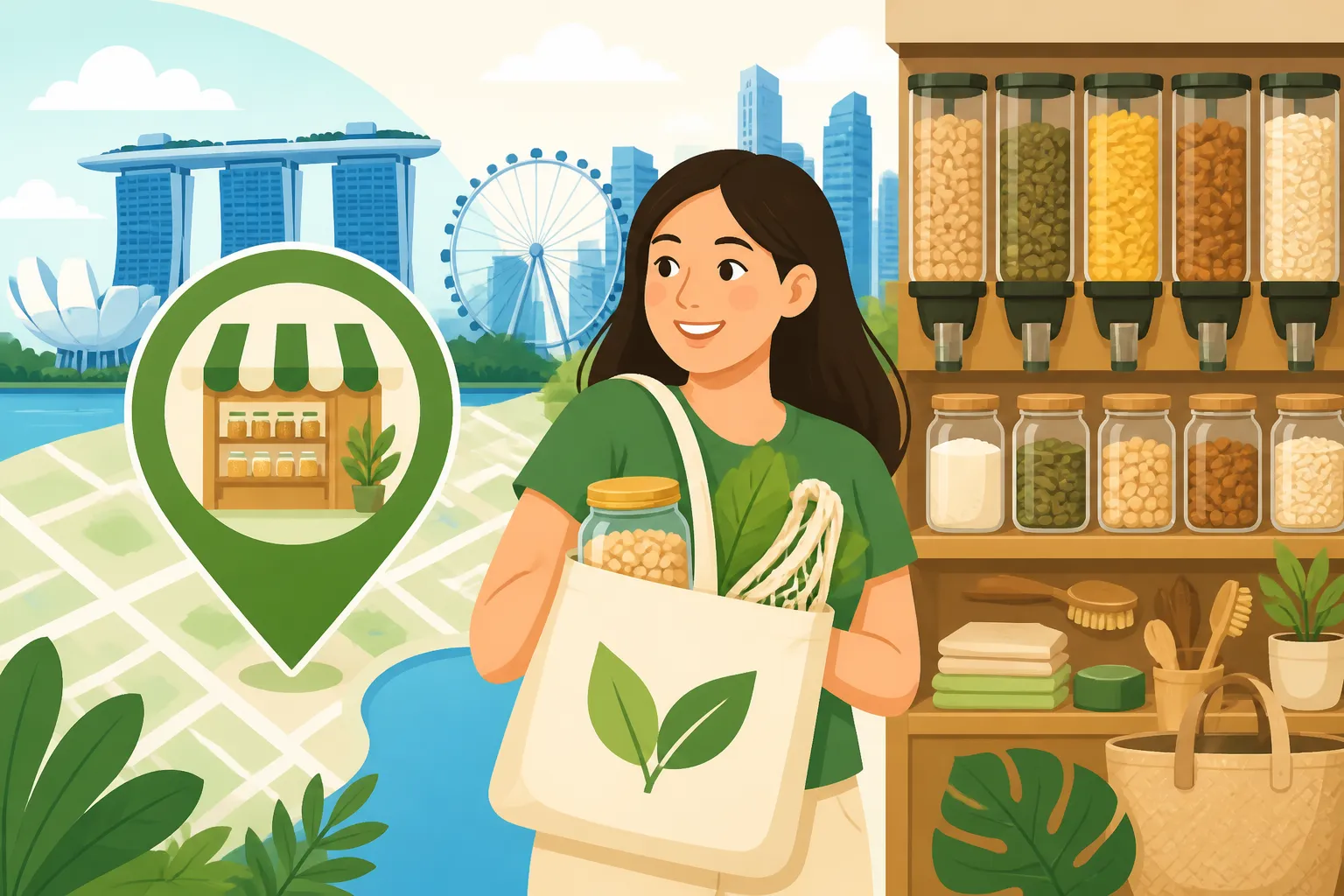
Where to Find Eco-Friendly and Bulk Food Stores in Singapore
When you first land in Singapore as an expat, the sheer convenience and abundance can be a bit overwhelming, but also, let's be honest, the amount of plastic packaging can be a real shock. Many of us arrive from places with more mature eco-conscious retail scenes, and trying to find options to reduce our environmental footprint here can feel like a treasure hunt. This guide is here to cut through the confusion and point you directly to the best eco-friendly and bulk food stores across the Lion City, helping you shop sustainably without the stress.
Why Eco-Friendly and Bulk Shopping is a Game-Changer in Singapore
Living in a new country often means adjusting to new norms, and while Singapore is incredibly efficient and modern, its approach to waste can sometimes feel a bit behind, especially when you're used to robust recycling programs back home. You'll quickly notice that almost everything, from a single apple at the supermarket to your hawker centre takeaway, comes wrapped in plastic. This can be a significant point of frustration for many expats who are actively trying to reduce their waste and live more sustainably.
Singapore, like many rapidly developing nations, faces a mounting waste challenge. The Semakau Landfill, its only landfill, is projected to run out of space by 2035. This reality has spurred the government and various local initiatives to push for a "zero waste" nation. As residents, our daily choices at the grocery store have a direct impact on this goal. Opting for bulk and eco-friendly shopping isn't just a personal preference; it's a way to actively contribute to the city's sustainability efforts.
Beyond the environmental impact, there's a practical side, too. Singapore is notoriously expensive, and while the upfront cost of some organic or eco-friendly items might seem higher, buying in bulk can actually be a smart budgeting strategy in the long run. Think about it: you're only paying for the product, not the fancy packaging that often contributes to the price tag. For those who cook regularly or have specific dietary needs, bulk purchasing allows you to control quantities, experiment with new ingredients without committing to a large, pre-packaged amount, and often get better value. If you're keen on keeping your living costs down, especially with things like your monthly grocery bill for a couple shopping at FairPrice, exploring bulk options can really make a difference.
Finally, it's about making your home truly yours. Setting up utilities, Wi-Fi, and managing your Singapore household involves more than just plugging things in; it’s about creating a lifestyle. And for many of us, that lifestyle includes being mindful consumers. When you're new to the country, platforms like Sirelo can offer broader guidance on getting settled, but for the specific nuances of sustainable living, a community-focused approach to shopping is invaluable.
Navigating Singapore's Dedicated Eco-Friendly and Bulk Food Stores
So, where do you actually find these magical places that let you fill your own containers? The eco-friendly and bulk food scene in Singapore is growing, albeit niche. It's not as mainstream as your typical supermarkets like Cold Storage or Sheng Siong, but there are some absolute gems worth seeking out. You'll find a mix of dedicated bulk stores, organic grocers that incorporate bulk options, and even some online platforms catering to the mindful consumer.
Dedicated Zero-Waste and Bulk Retailers
These are the places that truly champion the "bring your own container" philosophy. They usually have a wide array of dry goods, from grains and nuts to spices and even liquids like oils and vinegars.
- Scoop Wholefoods Australia: This is probably one of the most well-known names in the bulk food scene here, and for good reason. Originally from Australia, Scoop has a fantastic range of organic and conventional wholefoods, snacks, baking ingredients, superfoods, and even cleaning supplies. They have multiple outlets across Singapore, including popular spots like Paragon and Great World. You bring your own containers, weigh them before filling, then fill them up and pay by weight. It’s a very satisfying experience. Their variety is extensive, and while some items might feel pricier than regular supermarket options, the quality is often superior, and you're buying exactly what you need.
- The Source Bulk Foods: Another Australian import, The Source Bulk Foods also offers a vast selection of pantry staples, from flours and pastas to granolas and sweets. They emphasize organic and natural products, and their stores are typically bright and inviting. They have locations at Cluny Court and Great World, making them accessible to different parts of the island. Just like Scoop, the drill is simple: tare your container, fill, and pay. They often have helpful staff who can guide you if you're new to bulk shopping.
- UnPackt: A local pioneer, UnPackt was one of Singapore's first zero-waste grocery stores. Located in the heartlands, it has a more community-focused vibe. They offer a curated selection of dry goods, personal care items, and household necessities in bulk. What makes UnPackt stand out is its commitment to local sourcing where possible and its educational workshops on sustainable living. It's not just a shop; it's a hub for the eco-conscious. It's a fantastic example of a business driven by passion and a strong environmental mission.
Organic and Health Food Stores with Bulk or Sustainable Options
While not exclusively bulk, many organic and health food stores are expanding their offerings to include more sustainable choices, often featuring small bulk sections or a strong emphasis on eco-friendly packaging for their pre-packaged goods.
- Little Farms: Known for its premium fresh produce, meats, and gourmet groceries, Little Farms is a popular choice for expats seeking high-quality ingredients. While most of their items are pre-packaged, they have been steadily introducing more sustainable options. You might find a small bulk section for nuts or granola, or an array of eco-friendly household cleaning products in refillable bottles. They also stock a great selection of organic wines and dairy alternatives. Check out their various locations, including my personal favourite at River Valley, which has a lovely cafe.
- SuperNature: Another stalwart in the organic and natural food scene, SuperNature, located at Paragon, offers a wide range of organic groceries, supplements, and eco-friendly home care products. Similar to Little Farms, their bulk offerings might be more limited to specific dry goods or perhaps a refill station for certain household liquids, but their commitment to natural and responsibly sourced products aligns perfectly with an eco-conscious lifestyle. They often have knowledgeable staff who can help you navigate their extensive product range.
- Food for Thought: While primarily a cafe and restaurant, Food for Thought at the National Museum has a small retail section that often carries artisanal products, some organic produce, and occasionally bulk items like coffee beans or grains. It's less of a full grocery store and more of a place to discover unique, ethically sourced products.
Online Platforms and Specialty Deliveries
Sometimes, getting to a physical store isn't feasible, especially if you're living in one of the further-flung neighborhoods or juggling a busy schedule. Online options are emerging, though true zero-waste bulk delivery is still finding its footing.
- Online Grocers (e.g., RedMart, FairPrice Online): While these giants mostly offer pre-packaged goods, you can find larger "bulk" packs of staples like rice, pasta, toilet paper, and detergents that reduce individual packaging waste. It's not zero-waste in the purest sense, but it's a step up from buying many small items. They are also incredibly convenient, offering home delivery across the island. Just be mindful of all the plastic bags your order comes in – though many now offer bag-free delivery options if you opt for it.
- The Zero Ways: This online store focuses specifically on zero-waste products, including personal care, home cleaning, and some pantry items. While it's not a full bulk food grocery, it complements your bulk food shopping by offering refill options for soaps, detergents, and sustainable alternatives for everyday items, all delivered to your door.
- Smaller Local Deliveries: Keep an eye out for local Facebook groups or community initiatives. Sometimes, smaller, independent sellers or cooperatives offer bulk produce or specific dry goods for delivery, especially in areas like the East Coast. Building community and making friends and adjusting to Singapore life is key here, as these groups are often how you find out about these hidden gems.
Here's a quick comparison of some popular options:
| Store Name | Primary Offerings | Typical Price Point | Bring Your Own Container (BYOC) | Locations |
|---|---|---|---|---|
| Scoop Wholefoods Australia | Grains, nuts, spices, superfoods, snacks, cleaning supplies (organic & conventional) | Mid-High | Yes | Paragon, Great World, Paya Lebar Quarter |
| The Source Bulk Foods | Grains, nuts, seeds, flours, pastas, granolas, confectionery (organic & natural) | Mid-High | Yes | Cluny Court, Great World |
| UnPackt | Dry goods, personal care, household items (curated, local focus) | Mid | Yes | Jalan Kuras (Sembawang Hills Estate) |
| Little Farms | Fresh produce, organic groceries, some bulk nuts/granola, eco-friendly household | High | Limited bulk, strong on eco-packaged | Multiple across Singapore (River Valley, Tanglin, etc.) |
| SuperNature | Organic groceries, supplements, eco-friendly home care | High | Limited bulk, strong on eco-packaged | Paragon |
Practical Tips for Bulk Shopping in Singapore
- Prepare Your Kit: Always have reusable bags. For bulk shopping, bring an assortment of clean, empty containers (jars, cloth bags, Tupperware) of different sizes. Many stores also sell reusable containers if you forget.
- Tare Your Containers: Most dedicated bulk stores will have scales for you to "tare" (weigh) your empty containers before you fill them. This ensures you only pay for the product. Don't be shy to ask staff for help if you're unsure.
- Start Small: Don't feel pressured to overhaul your entire pantry at once. Start by replacing one or two items you use frequently, like rice or oats, with bulk options. See how it fits into your routine and budget.
- Check Store Policies: While most bulk stores are BYOC friendly, it's always good to double-check their specific guidelines, especially for liquids or certain unique items.
- Getting There: Many of these stores are accessible by Singapore's excellent public transport system. For tips on navigating the MRT, buses, and commuting hacks, check out our guide on Public Transport in Singapore: MRT, Buses, and Commuting Hacks.
Beyond Food: Embracing a Broader Eco-Conscious Lifestyle
While finding bulk food is a great start, a truly eco-friendly lifestyle in Singapore extends beyond your pantry. There are so many ways to reduce your environmental impact in other areas of your life, from household items to fashion.
Household Refills and Sustainable Products
Just like bulk food, you can find refill stations for many household and personal care items, drastically cutting down on plastic waste in your bathroom and laundry room.
- The Zero Ways & The Sustainability Project: These online platforms, as well as some physical eco-stores, offer a wide range of refillable options for dish soap, laundry detergent, shampoo, conditioner, and body wash. They sell reusable bottles, or you can bring your own for refills at their physical locations or pop-up events.
- Local Pharmacies (e.g., Watsons, Guardian): While not strictly bulk, these pharmacies are increasingly stocking eco-friendlier versions of household products, often with concentrated formulas or packaging made from recycled materials. It's a small step, but every choice helps.
- DIY Cleaning: Many expats also embrace making their own cleaning products using simple ingredients like vinegar, baking soda, and essential oils – readily available in bulk from stores mentioned earlier. It's cost-effective and completely chemical-free.
Second-Hand and Pre-Loved Shopping
One of the best ways to be sustainable is to extend the life of existing items. Singapore has a thriving second-hand market, particularly online.
- Carousell: This app is Singapore's ultimate marketplace for pre-loved goods. You can find everything from furniture and electronics to clothes and books. It’s perfect for setting up your home without buying everything new, especially when you're just starting out and might need to adjust your housing situation, whether it's renting in Singapore or looking for something more permanent. I've found incredible deals on kitchenware and even gently used appliances. It's also a great place to sell items you no longer need.
- Thrift Stores & Charity Shops: While less common than in some Western countries, there are a growing number of thrift stores run by charities like the Salvation Army or independent vintage shops, especially in areas like Haji Lane and the more eclectic parts of the city. These are great for unique finds and reducing your fashion footprint.
- Furniture Shopping: Beyond Carousell, look for specific second-hand furniture stores or online groups dedicated to furniture exchange. This can be a huge money-saver when setting up your new apartment, as the cost of furniture shopping in Singapore can add up quickly.
Reducing Food Waste
No matter how sustainably you shop, if you're throwing food away, it defeats the purpose.
- Meal Planning: Planning your meals for the week can drastically reduce food waste. Only buy what you know you'll consume.
- Composting (Limited Options): True composting in Singapore for individual households is challenging due to the climate and lack of municipal programs. However, some community gardens or private initiatives might accept food scraps. Look into local expat groups or community pages for updates.
- Creative Leftovers: Get creative with your leftovers! Those wilting vegetables can become a soup or stir-fry. Even the parts you might usually discard, like vegetable peels, can be used to make broths.
- Hawker Centres and Portion Sizes: When eating out, especially at hawker centres, consider portion sizes. Don't over-order, and if you do, ask to pack the leftovers. Remember, Singapore has strict laws against littering, so being mindful of your waste extends to dining out too. For more on the costs of eating at hawker centers, check out How Much Does It Cost to Eat at Hawker Centers Every Day?
Cultivating a Sustainable Expat Life: Community and Resources
Adjusting to a new country involves finding your rhythm, and for many expats, that includes finding like-minded individuals who share their values. Singapore has a vibrant, if sometimes understated, community of eco-conscious individuals and groups.
Joining Green Communities and Groups
- Facebook Groups: Search for "Zero Waste Singapore," "Sustainable Singapore," or "Expat Eco Living Singapore" on Facebook. These groups are incredible resources for tips, store recommendations, exchange of ideas, and even organizing group buys for bulk items not easily found elsewhere. They're also a great way to find friends and build community when you're new to the city.
- Workshops and Events: Keep an eye on local event listings (e.g., Eventbrite, community centres) for workshops on sustainable living, DIY products, or even clothing swaps. Organizations like Terra Village or Zero Waste SG frequently host educational events.
- Farmers Markets: While not strictly bulk, farmers' markets like The Local Farm by Gardenasia often feature local producers selling fresh produce with minimal packaging. It's a great way to support local agriculture and reduce the carbon footprint of your food.
Leveraging Technology and Information
Having reliable access to information can make your sustainable journey much smoother. Whether you're trying to find a new store or double-check an address, a good mobile data plan is essential. For instance, when you're out and about exploring new areas or checking store hours, having a reliable eSIM from providers like Airalo ensures you stay connected without fumbling with physical SIM cards. It’s just another way to streamline your expat life.
The Singapore government's National Environment Agency (NEA) also provides resources and information on recycling, waste management, and sustainability initiatives. While not always directly relevant to bulk shopping, understanding the broader context of Singapore's environmental goals can be empowering.
Ultimately, embracing an eco-friendly and bulk shopping lifestyle in Singapore might require a bit more effort than you're used to, but the rewards are immense. You'll reduce your waste, potentially save money, and connect with a community that shares your passion for a greener future. It's a journey, not a destination, and every small step you take contributes to making Singapore, and your life here, more sustainable.
Disclaimer
The information provided in this guide is intended for general informational purposes only and does not constitute professional advice. While we strive to ensure accuracy, details such as store locations, offerings, and policies may change. It is always advisable to verify information directly with businesses and consult official government sources for the most current regulations.