Preventing Cockroaches, Ants, and Lizards in a Tropical Home
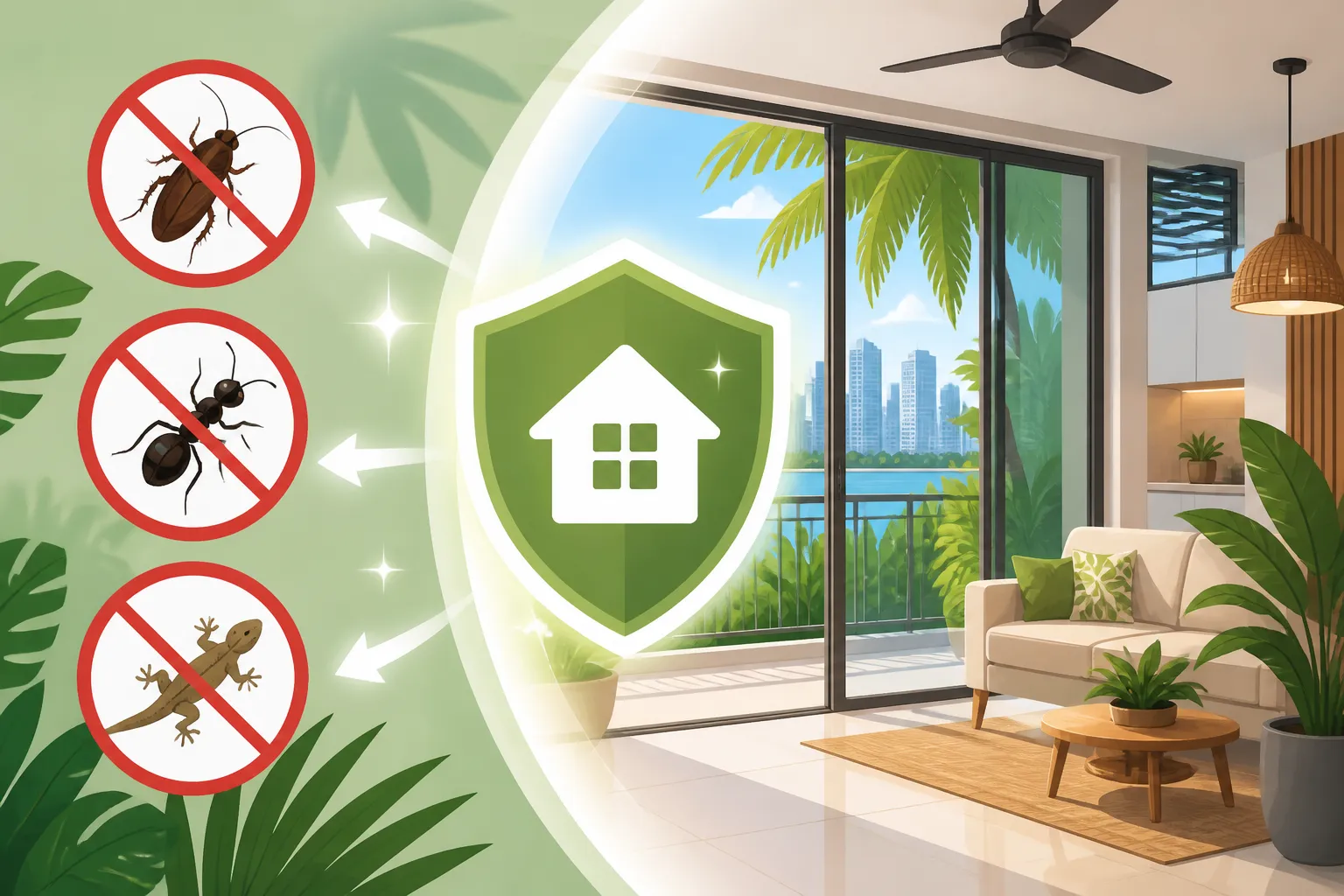
Ah, the joys of living in a tropical paradise like Singapore! Palm trees, balmy nights, delicious hawker food… and the unwelcome surprise of finding a cockroach scurrying across your kitchen floor, ants marching across your counter, or a gecko giving you a fright as it clings to the wall. It’s a common expat frustration, a rite of passage even, to discover that while the city is impeccably clean, nature always finds a way. This comprehensive guide is here to walk you through understanding, preventing, and tackling these persistent critters in your Singapore home, helping you reclaim your peace of mind and your pantry.
Understanding Your Unwanted Housemates in Singapore
Living in a warm, humid climate means sharing your space with various creatures, some more welcome than others. While Singapore is famous for its strict cleanliness, the tropical environment is inherently hospitable to insects and small reptiles. Knowing your enemy, so to speak, is the first step in effective pest management.
The Persistent Cockroaches
These aren't your average temperate climate roaches; Singapore's cockroaches are often the larger, more robust American or German varieties, sometimes with wings, which adds a whole new level of terror for the uninitiated. They thrive in warm, dark, and damp environments and are notoriously resilient. You often find them scurrying in kitchens, bathrooms, and utility areas, especially at night. Their presence usually indicates easy access to food scraps, water sources, and undisturbed hiding spots. The sheer speed and sudden appearance of a cockroach can send shivers down anyone's spine, and let's not even talk about the flying ones.
It’s easy to feel defeated when you spot one, especially after meticulously cleaning your home. Remember, it’s not necessarily a reflection of your cleanliness standards; rather, it's a testament to their survival skills and the local climate. They can slip through incredibly small cracks, hitchhike in grocery bags, or even come up through drains. Their quick breeding cycles mean a single sighting can quickly escalate if not addressed promptly. Don't underestimate their ability to find even the smallest crumb or drip of water.
The Sneaky Ants
Ants in Singapore are a constant battle, from tiny sugar ants to larger varieties. They appear seemingly out of nowhere, forming intricate trails towards any source of sustenance – a stray crumb on the floor, a drop of juice, or an open sugar bowl. They are master scouts, with one venturing forth to find food and then leaving a pheromone trail for its colony to follow. This is why you often see them in a relentless line once they’ve discovered a food source.
The most common complaints usually involve kitchen infestations, but ants can appear anywhere food is present or moisture is abundant, even in bedrooms if you're snacking. Their sheer numbers and persistence can be incredibly frustrating. One minute your counter is clean, the next, it's a bustling highway of tiny invaders. Understanding that they are driven by the need for food and water for their colony is key to disrupting their routes and discouraging them from setting up camp in your home.
The Harmless But Startling Lizards Geckos
Ah, the geckos! These small, often translucent lizards are probably the most common reptiles you’ll encounter indoors. They cling to walls, ceilings, and even windows, usually at night, waiting patiently for a mosquito or other small insect to fly by. While they are completely harmless to humans and actually help keep insect populations down, their sudden movements, chirping sounds, or tendency to drop from the ceiling can be quite startling, especially if you’re not used to them.
Many expats develop a love-hate relationship with geckos. On one hand, they’re natural pest controllers, diligently munching on mosquitoes, moths, and even tiny ants. On the other hand, they can leave behind droppings that resemble tiny black pepper flakes, and their occasional "fall" from a high wall can be truly terrifying. They are a natural part of the Singapore ecosystem, and trying to eradicate them completely is often futile and unnecessary. The goal with geckos is usually management rather than eradication, focusing on making your home less attractive to their insect prey.
Your First Line of Defense: Prevention Strategies
The old adage "prevention is better than cure" rings especially true when it comes to tropical pests. A proactive approach will save you countless headaches and significantly reduce the need for more aggressive measures. It's about making your home as unwelcoming as possible to these uninvited guests.
Kitchen & Food Management: The Golden Rules
Your kitchen is ground zero for most pest invasions because that's where the food is! Meticulous food storage and waste management are paramount. Always store food in airtight containers, especially cereals, sugar, flour, and pet food. Don't leave fruit out on the counter uncovered for too long. A quick wipe-down of all surfaces after cooking and eating should become second nature. Even a tiny sticky patch from a spilled drink can be an open invitation for ants.
When it comes to waste, never leave dirty dishes in the sink overnight. Scrape food scraps directly into the bin and rinse plates immediately. Use a kitchen bin with a tight-fitting lid and empty it daily, sometimes twice a day if you're cooking a lot. For expats new to the city, navigating options for Garbage Disposal in HDBs and Condos: Trash Chutes and Recycling Bins is an essential part of keeping your home pest-free. The humid climate means food waste decomposes quickly, emitting attractive smells that draw pests from far and wide.
Sealing Entry Points: Fortifying Your Home
Pests don't magically appear; they come from somewhere. Identifying and sealing off entry points is a critical step. Inspect your home thoroughly, paying close attention to cracks in walls, gaps around pipes under sinks, and spaces around door and window frames. Simple caulk can work wonders for small cracks. For larger gaps, consider steel wool or expanding foam, especially in areas where pipes enter walls. Weatherstripping around doors and windows can also deter ants and small cockroaches.
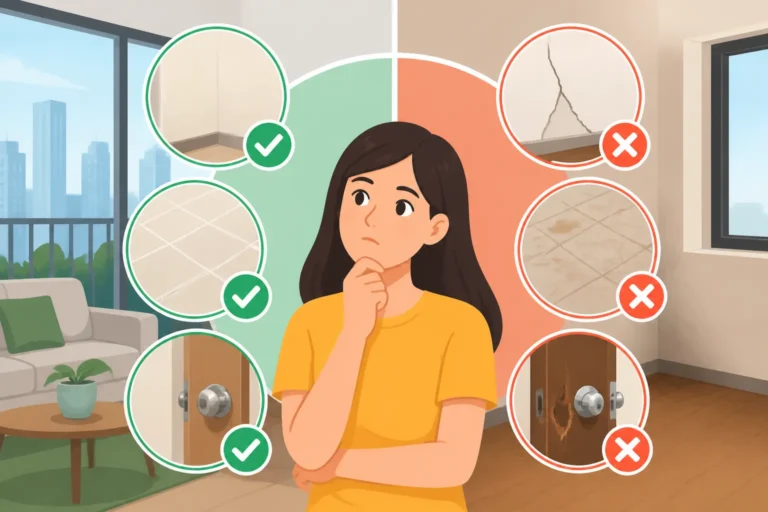
Don't forget the drains! Cockroaches are notorious for crawling up through floor traps and sink drains. Regularly pour boiling water down your drains to flush out any lurking insects or eggs. You can also use drain covers with fine mesh. When you're Renting in Singapore: The Ultimate Guide for Expatriates (2026), a thorough inspection during your initial Moving In: Conducting the Handover Inventory and Defect Check can highlight potential entry points that your landlord might need to address, ensuring you start with a pest-resistant environment.
Moisture Control: Drying Out Their Preferred Habitat
Humidity is Singapore's middle name, and pests absolutely love it. Cockroaches, in particular, are drawn to damp, dark places. Fix any leaky faucets or pipes immediately. Ensure there’s no standing water anywhere, including plant saucers or air-conditioner drip trays. Keeping your bathrooms and kitchens dry is crucial; wipe down wet surfaces after use and ensure good ventilation.
Consider using dehumidifiers, especially in wardrobes and storage areas, to reduce overall humidity levels. Small moisture absorbers, often called "Thirsty Hippos," can be strategically placed in cabinets and closets. These simple tools, as detailed in guides like How to Use Dehumidifiers and "Thirsty Hippos" to Prevent Closet Mold, don't just protect your belongings from mold; they also make your home less inviting for moisture-loving pests. Ensure your air conditioning is regularly serviced, as leaks can create perfect breeding grounds. This is also where knowing your Aircon Servicing and Minor Repair Clauses: What Tenants Must Pay comes in handy for managing your lease.
Tactical Pest Control: When Prevention Isn't Enough
Sometimes, despite your best efforts, pests still find their way in. When prevention alone isn't cutting it, it's time to consider more direct intervention. There's a range of options, from DIY solutions to calling in the cavalry.
DIY Solutions and Natural Repellents
For minor infestations, you can often tackle the problem yourself. For ants, follow their trails back to the entry point and apply ant baits. These baits are designed to be carried back to the nest, eliminating the colony. Cleaning surfaces with a vinegar solution or spraying areas with peppermint oil can also act as a deterrent. For cockroaches, sticky traps can give you an idea of where they're active, while boric acid powder (used with extreme caution and out of reach of children/pets) can be effective in cracks and crevices.
When dealing with a particularly persistent ant trail, you can often disrupt their pheromone path by wiping the area with strong soap and water. For geckos, since they’re largely beneficial, most DIY methods focus on humane deterrence rather than elimination. Essential oil sprays (like peppermint or citronella), placing eggshells (they mimic predator eyes), or just reducing insect populations (their food source) can encourage them to move along. Remember, while DIY methods can be effective for small issues, they often require consistency and patience.
Professional Pest Control Services
When things get out of hand, or if you're dealing with a serious infestation, it's time to call in the professionals. Singapore has numerous reputable pest control companies that specialize in tropical pests. They can identify the source of the problem, implement targeted treatments (sprays, gels, fogging), and provide long-term solutions. Many expats find regular pest control visits, perhaps quarterly, to be a worthwhile investment, especially in ground-floor units or older properties.
Before hiring, ask for references, compare quotes, and ensure they are licensed and use safe, approved chemicals. Discuss their approach, especially if you have children or pets. Companies like Rentokil or PestBusters are well-known, but many smaller, local businesses also offer excellent services. Remember, pest control is a specialized field, and professionals have the tools and expertise to tackle even the most stubborn infestations. When moving to Singapore, especially if you're trying to compare options and pricing, resources like Sirelo can help you find suitable local moving services who might also have insights into local home care practices, potentially including pest control.
Here’s a quick comparison of DIY vs. Professional Pest Control:
| Feature | DIY Pest Control | Professional Pest Control |
|---|---|---|
| Cost | Low (cost of sprays, baits, traps) | Moderate to High (service fees, regular contracts) |
| Effectiveness | Good for minor, isolated issues; requires consistency | Highly effective for moderate to severe infestations; long-term solutions |
| Effort | High (research, application, repeat treatments) | Low (they do the work); requires scheduling appointments |
| Safety | Variable (depends on chemicals used, application) | High (trained professionals, certified chemicals, safety protocols) |
| Knowledge | Basic understanding of common pests | Expert knowledge of pest biology, behavior, and eradication |
| Time | Immediate action possible, but slow results | Scheduled appointments, but usually faster, more permanent results |
| Pest Type | Best for ants, small cockroaches, occasional geckos | Best for severe cockroach, ant, termite, or rodent problems |
Dealing with Lizards Geckos Humanely
As mentioned, geckos are more allies than enemies. If their presence genuinely bothers you, try to reduce their food source by diligently controlling other insects like mosquitoes and flies. Ensure your windows and doors have screens if you keep them open, which helps with both geckos and other bugs. You can also try making your home less appealing to them by using strong, natural repellents like essential oils (peppermint, citronella) or even mothballs in areas where they frequent, though be mindful of the strong scent.
If you find a gecko trapped or simply want it out, gently coax it into a box or onto a piece of cardboard and release it outdoors. They are very sensitive creatures, and harsh chemicals should be avoided. Sometimes, accepting them as part of the tropical landscape is the easiest solution. After all, a gecko diligently hunting down mosquitoes might just be saving you from itchy bites!
Maintaining a Pest-Free Home Long-Term
Keeping your Singapore home genuinely pest-free isn't a one-off task; it's an ongoing commitment. It involves establishing routines, understanding your responsibilities, and sometimes, learning to live with the occasional, unavoidable critter.
Regular Cleaning and Decluttering Routines
Consistency is key. Regular, thorough cleaning, not just surface wiping, will drastically reduce pest appeal. Vacuum under furniture, clean behind appliances, and wipe down pantry shelves. Don't forget often-overlooked spots like the inside of your trash bin and under the sink. A cluttered home provides endless hiding spots for cockroaches and ants. Regularly declutter, especially in storage rooms, closets, and under beds. The less undisturbed space you offer, the less inviting your home will be.
Even when you're traveling, it's wise to ensure your home is clean and dry. Consider placing some "Thirsty Hippos" and asking a trusted friend or neighbor to check on your home regularly. For expats who travel frequently, staying connected via international eSIMs from providers like Airalo can be a lifesaver, allowing you to easily communicate with house sitters or coordinate with pest control services if an issue arises while you're away.
Landlord Responsibilities and Lease Agreements
Understanding your tenancy agreement is crucial, especially regarding pest control. Many leases, particularly in condos, stipulate that the tenant is responsible for general pest control, while the landlord might be responsible for structural issues that attract pests (like major leaks or cracks in the building fabric). Make sure you thoroughly understand clauses related to Tenancy Agreements: The Diplomatic Clause and Breaking Your Lease and what's expected of you and your landlord when it comes to maintenance and repairs.
If you identify a pest problem originating from a building defect, such as a persistent leak attracting cockroaches, or unsealed pipe entries that are a building-wide issue, it's important to document it and communicate with your landlord or managing agent promptly. They may be obligated to fix the structural problem. Being clear about these responsibilities from the outset, perhaps during your initial discussions or when you first moved in, can prevent disputes down the line. Remember, finding reputable removalists through platforms like Sirelo can also provide access to advice from experienced professionals who understand the nuances of managing property in Singapore.
Community Efforts and What You Can't Control
Sometimes, pest issues aren't just about your individual unit; they can be a community-wide problem. In HDBs and condos, effective pest control often requires the cooperation of all residents and the management. If you notice a persistent problem that seems to affect multiple units, it's worth raising it with your building management committee. They might be able to implement common area treatments or conduct inspections.
Despite all your efforts, living in Singapore means you might occasionally encounter a critter. A stray cockroach might still find its way in, or a gecko might decide your wall is the perfect hunting ground. The key is to manage these encounters without letting them overwhelm you. Embrace the tropical reality, take your preventative steps, and know when to call for backup. It’s all part of the unique expat experience in this vibrant city.
Disclaimer
The information provided in this guide is for general informational purposes only and does not constitute professional advice. While we strive to offer accurate and up-to-date information, local regulations, pest control methods, and product availability can change. Always consult with qualified professionals for specific pest control issues or legal advice regarding tenancy agreements. The mention of specific brands is for contextual illustration and not an endorsement.