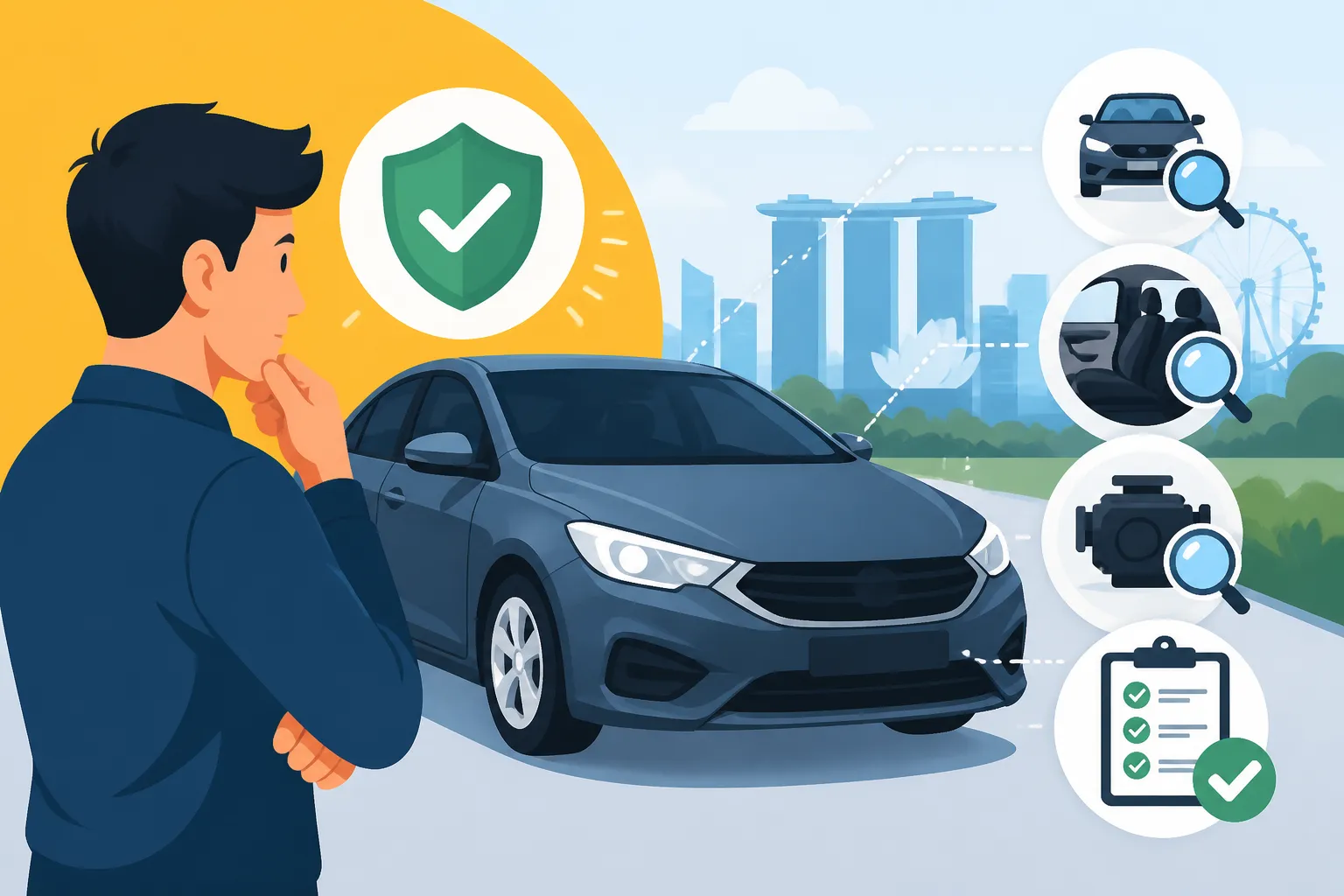
Buying a Second-Hand Car on Sgcarmart: What to Look Out For
Moving to Singapore, you quickly realize that owning a car here isn't just a luxury; it's practically a national sport for your wallet. The upfront costs are staggering, and for many expats, the idea of forking out a small fortune for a brand-new vehicle is simply out of the question. This guide is for those of us navigating the often-confusing, sometimes frustrating, but ultimately rewarding world of buying a second-hand car on Sgcarmart, giving you the insider tips to avoid pitfalls and drive away with a good deal.
Decoding the Singapore Second-Hand Car Market: Why It's Unique
So, you've landed in Singapore, probably sweating a bit, and you're already thinking about how to get around. Public transport here is phenomenal, truly world-class, but let's be real – sometimes you just want the freedom of your own wheels, especially if you have a family or live in an area that's not directly on an MRT line. The sticker shock of new cars, thanks to our infamous Certificate of Entitlement (COE), pushes almost everyone towards the used car market. But this isn't like buying a used car back home; Singapore has its own set of rules and quirks that can catch even seasoned drivers off guard.
The Elephant in the Room: COE and Depreciation's Grip on Value
The Certificate of Entitlement (COE) is the single biggest factor influencing car prices in Singapore, new or used. Think of it as a bidding war for the right to own and use a vehicle for 10 years. These prices fluctuate wildly, and when you buy a second-hand car, you're essentially buying the remaining COE life on that vehicle. A car might be physically sound, but if its COE is expiring in two or three years, its resale value will plummet, and you’ll either have to scrap it or fork out for a new COE. It’s a harsh reality, but understanding this fundamental mechanism is crucial to making an informed decision. This also impacts the true cost of ownership, far beyond the initial purchase price. For a deeper dive into these initial costs, you might want to read our comprehensive guide on Buying a Car in Singapore: COE, Insurance, and Hidden Costs.
Adding to the COE conundrum is Singapore's relentless depreciation. Cars here depreciate at an alarming rate, often losing a significant portion of their value each year. This is partly due to the high COE, the dense urban environment, and the sheer cost of maintenance and road tax. Unlike many other countries where certain models hold their value well, here, almost everything depreciates aggressively, particularly after the 5-year mark. When you're looking at a used car, you're not just buying a vehicle; you're buying a depreciating asset with a ticking clock on its COE.
Road Tax, Insurance, and Ongoing Maintenance Realities
Beyond the purchase price, you need to budget for the annual road tax, which is calculated based on the car's engine capacity. Bigger engines mean substantially higher road tax, a factor that drives many to opt for smaller, more efficient vehicles. Then there's insurance. As an expat, especially if you don't have a long driving history in Singapore, your insurance premiums might be higher initially. It’s always wise to get a few quotes before committing to a purchase.
And finally, maintenance. While cars are generally well-maintained in Singapore due to strict inspection regulations, older cars will inevitably need more work. Think about common issues like air-conditioning compressors struggling in the tropical heat, or wear and tear on suspension from navigating our many speed bumps. Factor in regular servicing, occasional repairs, and the cost of parking, and you'll quickly see that the true cost of car ownership extends far beyond the price tag on Sgcarmart. This ongoing expense needs to be factored into your broader Healthcare Budgeting in Singapore: Managing Out-of-Pocket Costs for example, as medical bills combined with car costs can really add up.
Your Sgcarmart Strategy: From Browsing to Shortlisting
Sgcarmart is the undisputed king of used car listings in Singapore. It’s where everyone goes, whether you’re a seasoned local buyer or a wide-eyed expat. Navigating its extensive listings efficiently is key to finding a gem amidst the vast sea of options. Don't just dive in headfirst; have a strategy. Knowing what to look for, and more importantly, what to look out for, will save you a lot of time and potential heartache.
Mastering Sgcarmart's Filters and Identifying Promising Leads
When you first land on Sgcarmart, the sheer number of listings can be overwhelming. But fear not, the filtering system is your best friend. Start by setting your budget, then consider the car type you need – sedan, SUV, hatchback, etc. Crucially, pay close attention to the remaining COE. Many expats opt for cars with 3-5 years of COE left, striking a balance between initial cost and utility before facing the next COE decision. You can filter by make, model, year of manufacture, mileage, and even specific features like parking sensors or panoramic sunroofs.
Look for listings with clear, multiple photos, showing both the interior and exterior, and ideally, under the hood. A seller who takes the time to upload good quality pictures often indicates someone who cares about their vehicle. Read the descriptions carefully – sometimes sellers are upfront about minor issues, which can be a sign of honesty. If the description is vague, or just a string of generic buzzwords, it might be worth a closer look, but proceed with caution. The more detailed and transparent the listing, the better.
Dealer vs. Direct Owner: Weighing Your Options
Sgcarmart features listings from both used car dealerships and direct owners. Each has its pros and cons.
Used Car Dealerships:
- Pros: Dealers often have a wider selection, may offer financing options, and sometimes provide short warranties or after-sales support. They handle all the paperwork, making the process smoother for expats unfamiliar with local regulations. Many reputable dealers have established reputations to maintain.
- Cons: Prices are generally higher than buying direct from an owner, as dealers need to cover their overheads and make a profit. Their incentives might not always align with your best interests, and some less scrupulous dealers are known for adding hidden fees or pushing unnecessary extras. Always ask for a full breakdown of costs.
Direct Owners:
- Pros: You can often negotiate a better price directly with the owner, cutting out the middleman. You get a chance to speak to the person who has actually driven and maintained the car, potentially gaining more insight into its history and quirks. It can be a more transparent transaction if the owner is honest.
- Cons: The biggest drawback is that you're largely on your own for due diligence and paperwork. There's no warranty, and recourse for post-purchase issues can be limited. You might encounter more "lemon" cars, so a thorough inspection is paramount. Scheduling viewings can also be trickier, as it depends on the owner's availability.
For those unsure about the process, starting with a reputable dealer can provide a sense of security. However, if you're confident in your ability to assess a car and manage paperwork, a private sale might offer better value. If you decide to go with a private owner, ensure all communication is clear and documented. Before you even think about driving, remember to convert your Converting Your Foreign Driver's License at the Traffic Police HQ so you're legally ready for the road.
Spotting Red Flags in Listings and Communication
This is where your inner detective needs to shine. Certain red flags should make you pause.
Online Listing Red Flags:
- Poor or generic photos: If a car looks too good to be true, or the photos are blurry, from stock image sites, or don't show enough detail, be wary.
- Vague descriptions: Lack of specifics about mileage, service history, or why the car is being sold.
- Unrealistic pricing: Prices significantly below market value often indicate a scam or a hidden problem.
- Pressure tactics: Phrases like "urgent sale" or "must go this week" can be genuine, but also used to rush buyers into a bad decision.
- Reluctance to share VIN/registration details: This makes it impossible to conduct background checks.
Communication Red Flags:
- Refusal to allow independent inspection: A seller who won't let you get a Pre-Purchase Inspection (PPI) is hiding something.
- Evasiveness about service history: While not everyone keeps meticulous records, a complete blank slate is suspicious.
- Insistence on cash-only deals: While some private sellers prefer this, be cautious of anything that seems to bypass standard financial channels.
- "Car is for my friend/relative" stories: While possible, it adds another layer of distance between you and the actual owner/decision-maker, making due diligence harder.
Remember, if a deal feels off in your gut, it probably is. There are plenty of other cars on Sgcarmart. No need to rush into a bad situation.
The Critical Inspection and Negotiation Phase
You've found a promising lead on Sgcarmart – great! Now comes the truly critical part: inspecting the vehicle in person and getting it checked by a professional. This isn’t the time to be shy or rush. This phase is about protecting your investment and ensuring you’re not buying someone else’s problem. It’s also where your negotiation skills come into play, especially when dealing with private sellers.
What to Check During Your Initial Physical Inspection
When you arrive for the viewing, take your time. Don't let the seller rush you.
- Exterior: Walk around the car multiple times. Look for uneven panel gaps, mismatched paint, or signs of accident repair. Are there major dents, scratches, or rust spots? Check the tires – are they evenly worn? Uneven wear can indicate alignment issues.
- Interior: Check for excessive wear and tear on seats, steering wheel, and pedals, which might contradict the stated mileage. Test all electronics: windows, air conditioning (crucial in Singapore!), radio, wipers, lights, and indicators. Are there any strange smells (smoke, mold, dampness)?
- Engine Bay: With the engine off and cool, check fluid levels (oil, coolant, brake fluid). Look for any obvious leaks or corrosion. If possible, ask the seller to start the engine cold so you can listen for any unusual noises.
- Underneath the Car: If you can safely get a peek, look for any signs of major rust, leaks, or damage to the exhaust system.
- Documentation: Ask to see the car’s logbook (Vehicle Registration Card), service records, and any past inspection reports. Verify the VIN on the documents matches the car. A complete service history, especially from authorized dealerships or reputable workshops, is a huge plus. This paper trail tells a story about the car's life.
This initial check helps you weed out obvious problems. Don't forget that using your phone for navigation and communication will be key once you're driving. Having a good data plan from a provider like Airalo can ensure you're always connected, whether for GPS or getting in touch with a mechanic.
The Absolute Necessity of a Pre-Purchase Inspection (PPI)
Even if you're a mechanically inclined person, a Pre-Purchase Inspection (PPI) by an independent, trusted workshop is non-negotiable when buying a used car in Singapore. This is your best defense against buying a lemon. A good PPI will involve putting the car on a hoist, checking the engine, transmission, suspension, brakes, electrical systems, and looking for accident damage that might not be visible to the untrained eye. Workshops specializing in PPIs are readily available. Common ones include STA Inspection or VICOM, but independent workshops often offer more detailed assessments.
A PPI costs a few hundred dollars, but it can save you thousands in unexpected repair bills. If the seller refuses to allow a PPI, walk away. Seriously. It’s a huge red flag. The report from the PPI will give you a comprehensive understanding of the car's condition, highlighting any urgent repairs needed, potential future issues, and even confirming if the mileage is likely genuine. This report is also a powerful tool for negotiation.
Your Test Drive Checklist: Feeling Out the Vehicle
A test drive is more than just a quick spin around the block; it's your chance to truly experience the car.
- Engine Start: Listen for any unusual noises (grinding, squealing, knocking).
- Acceleration: Does the car accelerate smoothly? Any hesitation or loss of power?
- Brakes: Test the brakes at different speeds. Does the car pull to one side? Is the pedal spongy or does it feel firm? Any grinding or squealing?
- Steering: The steering should feel tight and responsive, not loose or vague. Drive at different speeds and note how it handles corners.
- Suspension: Drive over some speed bumps and uneven roads. Listen for clunks, squeaks, or excessive bounciness.
- Transmission: If it's an automatic, does it shift gears smoothly without jerking or slipping? For manual, is the clutch smooth, and do gears engage easily?
- Dashboard Warnings: Check if any warning lights stay on after starting the car or appear during the drive.
- Driving Conditions: Try to replicate your typical driving conditions – stop-and-go traffic, open road, even a short stint on the expressway if possible.
Don’t be afraid to take your time during the test drive. Pay attention to how the car feels, sounds, and handles. If anything feels off, note it down and discuss it with the PPI mechanic. If you're coming from another country and planning a big move, services like Sirelo can help coordinate your vehicle shipment or give advice on buying local, providing useful resources.
Finalizing the Deal: Paperwork, Payment, and Peace of Mind
You've found the perfect used car, the inspection went well, and you've had a successful test drive. Congratulations! Now, let’s talk about sealing the deal. This last stage involves navigating the administrative requirements set by the Land Transport Authority (LTA), arranging payment, and getting your insurance sorted. It's important to cross every 't' and dot every 'i' to ensure a smooth and legal transfer of ownership.
Navigating LTA Regulations and Transfer of Ownership
The transfer of vehicle ownership in Singapore is handled by the Land Transport Authority (LTA). Both buyer and seller must be present, or they can appoint agents with valid authorization. The process is generally straightforward and can often be done online via the One.Motoring portal, provided both parties have Singpass accounts.
Key steps:
- Agreement on price: Once you’ve agreed on the final price, it’s good practice to sign a Sales Agreement (Memorandum of Understanding) detailing the price, vehicle details, and the date of transfer. This protects both parties.
- Payment: Discuss the payment method. For private sales, bank transfers are common. Ensure the funds are cleared before the transfer of ownership. For dealers, they will guide you through their payment processes.
- Online Transfer: Log in to One.Motoring. The seller initiates the transfer, and you, as the buyer, will need to accept it within a certain timeframe. The LTA typically charges a transfer fee, which is usually paid by the buyer.
- Insurance: You must have valid insurance coverage for the car before the ownership transfer is completed. The LTA will verify this during the online process. Make sure your policy starts on the day of transfer.
It's absolutely crucial that the transfer of ownership is legally completed. Don’t drive the car away with just a handshake; if anything happens, you won’t be covered.
Financing Your Purchase and Securing the Right Insurance
Unless you’re paying cash upfront, you’ll likely need financing. Singaporean banks offer car loans, but terms can vary for expats, especially if you don't have a local credit history. Some dealerships also offer in-house financing, but always compare rates. It's wise to get an in-principle approval for a loan before you start seriously looking at cars, so you know your budget. For more details on this, check out our guide on Getting a Personal Loan or Car Loan as an Employment Pass Holder.
For insurance, as mentioned, this is a must. Get multiple quotes from different insurers (e.g., NTUC Income, FWD, Budget Direct) to compare prices and coverage. Factors like your age, driving experience, the car’s model, and its COE value will all influence your premium. Be honest about your driving history – lying will invalidate your policy. Consider comprehensive coverage, especially for your first car here, as it protects against a wider range of incidents. Getting your insurance sorted is a critical component of your Insurance Planning: Life, Disability, and General Insurance Needs.
Negotiating the Price and What to Expect Post-Purchase
Negotiation is an art, and in Singapore, it’s common. Used car prices often have a bit of wiggle room. Armed with your PPI report, you can leverage any identified issues to negotiate a lower price. If the car needs new tires soon, for instance, factor that cost into your offer. For private sellers, you generally have more room to haggle than with established dealerships. Aim for a fair price that reflects the car’s condition, remaining COE, and market value. Don’t be afraid to make a reasonable counter-offer.
Once the deal is done, and the car is legally yours, remember to update your address with MOM and ICA if your new car means you’ve moved locations to accommodate parking. Also, plan for your first service. Even if the PPI was clean, it’s good to have your trusted mechanic give it a once-over soon after purchase to establish a baseline for future maintenance. You'll soon realize that while the upfront cost of a car is high, the convenience for family life, school runs, or just exploring the island on weekends can be invaluable. This decision plays a significant role in your Moving to Singapore with Family: Maids, Childcare, and Lifestyle.
| Aspect | New Car (Brand New COE) | Used Car (Remaining COE) |
|---|---|---|
| Initial Cost | Very High (COE + OMV + ARF + GST + Dealers Profit) | Lower (COE value depreciated based on remaining years) |
| Depreciation | Steepest in the first 3-5 years | Already depreciated, but continues with COE expiration |
| COE Renewal | Not applicable until 10 years | Option to renew after current COE expires (Prevailing Quota Premium) |
| Maintenance | Generally lower initially, covered by warranty | Varies greatly based on age, mileage, and service history |
| Insurance | Often lower due to newer safety features | Can be higher for older models or without local driving history |
| Financing | Longer loan terms available, often better rates | Shorter loan terms, potentially higher interest rates |
| Availability | Custom order possible, latest models | Dependent on market availability, specific models/specs limited |
| Peace of Mind | Full manufacturer warranty, no prior owner issues | Potential for hidden issues, reliance on PPI |
Disclaimer
The information provided in this guide is for general informational purposes only and does not constitute professional advice. While we strive to provide accurate and up-to-date information, the Singaporean automotive market, laws, and regulations (especially COE, taxes, and import rules) are subject to change. It is highly recommended that you consult with relevant authorities like the Land Transport Authority (LTA), financial advisors, and insurance providers for specific, personalized advice before making any car purchase decisions. We are not responsible for any losses or damages incurred as a result of relying on this information.