What Constitutes “Fair Wear and Tear” in a Singapore Apartment?
One of the biggest anxieties for expats leaving a rental apartment in Singapore, myself included, is the dreaded security deposit negotiation. After pouring your heart and soul (and a good chunk of change!) into making a place your home, the thought of an unreasoning landlord clawing back your deposit for every tiny scuff can be infuriating. This guide will walk you through what "fair wear and tear" truly means in a Singapore apartment, helping you understand your rights and prepare for a smooth handover.
The Battle for Your Security Deposit: Understanding Fair Wear and Tear
Ah, the security deposit. That big lump of cash you handed over at the start of your tenancy, often two months' rent, that hangs over your head like a tropical storm cloud as your lease draws to a close. Landlords here can be incredibly particular, and many expats have war stories about unreasonable deductions. The key to protecting yourself, and your wallet, lies in understanding the concept of "fair wear and tear." It's not just a legal term; it's a common-sense principle that often gets lost in translation, especially in a fast-paced rental market like Singapore's.
What Exactly Is "Fair Wear and Tear"?
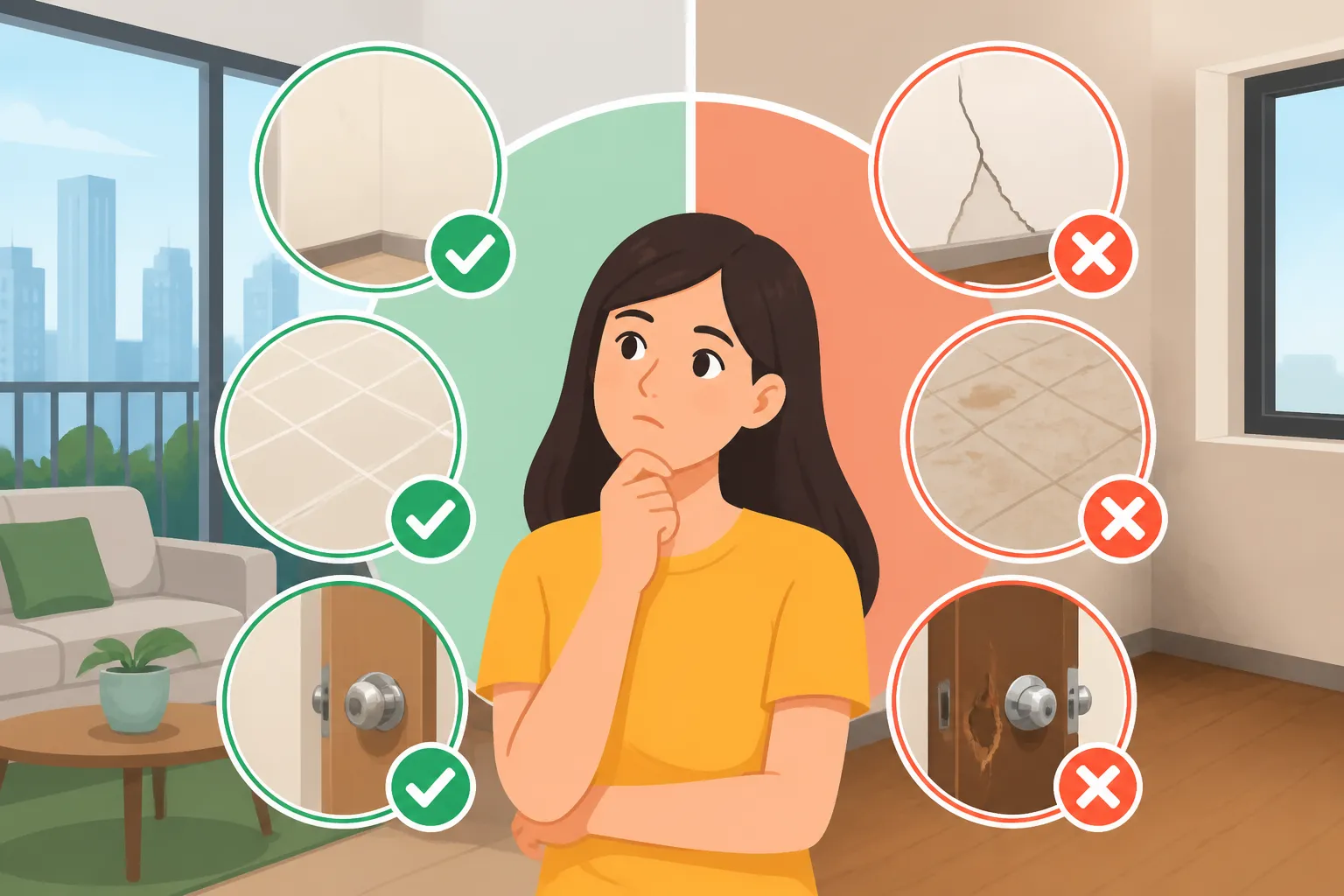
Simply put, "fair wear and tear" refers to the natural and unavoidable deterioration of a property and its contents over time due to normal use and the passage of time. Think of it as the gradual aging of a home. Floors get walked on, walls might have a faint mark from where a picture hung, and appliances naturally age. These are things that would happen to any property, regardless of who lives in it. It’s the cost of doing business as a landlord, really. The Residential Tenancies Act in many countries outlines this, and while Singapore doesn't have a specific overarching act just for residential tenancies in the same way, the principles of common law and the standard clauses found in most tenancy agreements generally uphold this idea.
For instance, if you lived in your apartment for two years, the paint might look a little duller, or there might be some minor scuffs on the skirting boards. That's wear and tear. If you installed some really cool lights using proper hooks that leave tiny, easily spackled holes, that's generally considered fair wear and tear. What's not fair wear and tear? A gaping hole in the wall, a deep scratch on the parquet floor from dragging heavy furniture without protection, or a wine stain that has seeped deep into the carpet because you didn't clean it promptly. These are damages, and that's where the landlord can (and will) charge you.
Differentiating Damage from Deterioration
This is where the rubber meets the road, and often where disputes arise. Landlords, understandably, want their property back in pristine condition, but that's often an unrealistic expectation for a property that's been lived in for years. As an expat, you’re usually paying a premium, and you expect to be treated fairly, not nickel-and-dimed for every perceived imperfection.
Let's break it down with some concrete examples.
Fair Wear and Tear (Landlord's Responsibility):
- Faded paintwork: Exposure to sunlight, humidity, and general aging will fade paint over time. A landlord cannot typically charge you for repainting if the fading is uniform and not due to specific damage like crayon marks or excessive grime.
- Minor scuffs on walls: From furniture being moved carefully, or just everyday bumps that don't chip the plaster.
- Worn carpet or flooring: High-traffic areas naturally show more wear. If the carpet is threadbare in the hallway after several years, that's expected. However, a specific burn mark is not.
- Loose door handles or hinges: These wear out with regular use.
- Reduced effectiveness of appliances: An old air conditioner might not cool as efficiently, or a washing machine might develop a slight rattle after years of service. If you maintained them properly (more on this below), this is usually wear and tear.
- Small chips or cracks in tile grout: This is natural with building movement and moisture.
Damage (Tenant's Responsibility, Deductible from Deposit):
- Large holes or deep gouges in walls: From aggressive picture hanging, accidental impacts, or moving furniture carelessly.
- Stains on carpets, upholstery, or curtains: Wine spills, pet accidents, ink marks – especially if they could have been cleaned but weren't.
- Broken windows or mirrors: Unless caused by a natural disaster.
- Missing items: If the inventory lists a specific vase or set of cutlery, and it’s gone, you'll be charged.
- Burn marks: On countertops, floors, or furniture.
- Blockages due to misuse: Clogged drains from hair buildup or flushing inappropriate items.
- Pet damage: Scratches from claws on doors or floors, urine stains, or lingering pet odours, if not explicitly allowed and accounted for in the contract.
The age and quality of the fittings matter significantly. A high-end, brand-new apartment will have a different standard of 'wear and tear' than an older, more basic HDB flat. Your tenancy agreement should also specify what is considered damage and what is your responsibility, so make sure you've read it meticulously. I cannot stress enough how important it is to Understanding Employment Contracts: Notice Periods and Non-Competes as if you signed it, you’re bound by it.
Common Areas of Dispute in Singapore Rentals
Navigating the rental landscape in Singapore, especially when it comes to the end of your lease, can feel like walking through a minefield. There are certain elements in almost every Singaporean apartment that tend to become hotbeds for dispute when it’s time to get your security deposit back. Knowing these common pitfalls can help you prepare.
The Aircon Dilemma: Servicing, Mold, and Malfunctions
Ah, the air conditioning units in Singapore. They're not just a luxury; they're a necessity for survival in this humid climate. This also makes them a prime target for landlords seeking to deduct from your deposit. Most tenancy agreements will explicitly state your responsibility to service the aircon regularly – typically every 3 months. If you don't have proof of these services (receipts!), you're in for a fight.
Scenario: You’ve lived in your condo for three years. The aircon was working fine when you moved in, but now it's blowing less cold, and there's a slight musty smell. You've had it serviced every three months as per the contract.
- Fair Wear and Tear: If the unit is old (say, 5+ years) and has been properly serviced, reduced efficiency might be considered wear and tear. The landlord would be responsible for major repairs or replacement if it's past its reasonable lifespan. Mild, easily cleanable surface mold inside the vents is also often considered fair wear and tear, given Singapore's humidity.
- Damage/Tenant Responsibility: If the filter is visibly choked with dust, you haven't serviced it, and there's black mold growing due to neglect, that's on you. If the technician reports that a specific part failed due to your misuse (e.g., constantly running it at absurdly low temperatures causing excessive strain), that could be a deduction. The crucial point here is proof. Keep those aircon servicing receipts like they're gold. Sometimes, even if you’ve been diligent, a landlord might try to claim for "deep cleaning" or "chemical washing" beyond the standard service. This is often where Aircon Servicing and Minor Repair Clauses: What Tenants Must Pay comes into play – know your clause!
Paint, Walls, and Humidity: The Tropical Challenge
Singapore's climate is brutal on interiors. The constant humidity, combined with sunlight, can lead to issues that are often wrongly attributed to tenant neglect. Walls are another common area for deposit disputes.
Scenario: You've hung some family photos and a small piece of art using those easy-remove adhesive strips. When you take them down, there's a slight discolouration or a tiny bit of paint peeled off.
- Fair Wear and Tear: Minor discolouration from sunlight exposure (where furniture or art blocked the light) is generally wear and tear. Small, easily repairable holes from picture hooks (if sparingly used) are also often considered fair wear and tear. If you lived there for three years, and the walls look a bit duller overall, that’s just aging.
- Damage/Tenant Responsibility: If your child decided to become a Picasso on the living room wall, or you dragged furniture, leaving huge scrapes, that’s damage. Deep holes that require substantial plastering, or widespread heavy marks that indicate neglect, will likely be deducted. Furthermore, if you failed to adequately ventilate the apartment and significant mold growth (beyond a superficial, wipeable surface patch) occurred, especially in bathrooms or closets, landlords might try to claim this as tenant damage. Using items like "Thirsty Hippos" and knowing How to Use Dehumidifiers and "Thirsty Hippos" to Prevent Closet Mold can genuinely help mitigate such risks and prove your due diligence.
Flooring, Fixtures, and Furniture: Everyday Life's Toll
The items you interact with most frequently – floors, light fixtures, and furniture – are naturally going to show signs of life.
Scenario: You have a beautiful parquet floor. After two years, there are some light scratches where dining chairs have moved, despite felt pads. A kitchen cabinet hinge is a bit loose.
- Fair Wear and Tear: Light, superficial scratches on floors from normal movement of furniture, especially in high-traffic areas, are generally wear and tear. A loose cabinet hinge or a light fixture that's a bit wobbly due to age, but still functional, falls into this category. The wearing down of wooden floor lacquer in pathways is also a classic example of fair wear and tear.
- Damage/Tenant Responsibility: Deep gouges in the flooring from dropping something heavy, chips in tiles from impact, or a broken cabinet door are damages. If the furniture provided was new and now has significant stains, tears, or structural damage (beyond a bit of wobble from aging), you could be charged. The landlord expects you to use the property as a "reasonable tenant" would. This includes treating the provided furniture with care.
It's about the extent of the deterioration and whether it could have been prevented by reasonable care and maintenance on your part. It's a fine line, but one you need to be ready to argue for.
Proactive Steps to Protect Your Deposit
The best offense is a good defense, especially when it comes to your security deposit. You don't want to find yourself scrambling at the last minute, trying to prove your innocence. Experience shows that thorough documentation and clear communication are your best friends in Singapore's rental market.
Document Everything: The Importance of a Detailed Inventory
This is perhaps the most critical step you can take. When you first move into an apartment, you're usually buzzing with excitement, eager to unpack. But hold your horses! Take your time with the inventory.
- Move-In Condition: Before you even bring your luggage in, dedicate a few hours to thoroughly inspect the entire apartment. Take high-resolution photos and videos of everything. Document every single scratch, chip, stain, crack, dent, and faded patch, no matter how small. Pay special attention to high-traffic areas, bathrooms, kitchen countertops, and appliances. Photograph the interior of cabinets, oven, fridge, and washing machine. If your Moving In: Conducting the Handover Inventory and Defect Check didn't capture every detail, create your own supplementary record.
- Compare with Inventory List: Your tenancy agreement will usually come with an inventory list provided by the landlord or agent. Go through it line by line. If it says "newly painted walls" but you see scuffs, document it. If it says "no stains on sofa" but there's a faint mark, highlight it. Make sure your agent acknowledges these discrepancies in writing.
- Timestamp Everything: Ensure your photos and videos are timestamped. This proves the condition of the apartment before you even started living there. Store these on a cloud service or external hard drive; you do not want to lose them.
- Utility Meter Readings: Take photos of the utility meters (electricity, water) on your move-in day. This prevents disputes over initial consumption.
- Signing Off: Never sign an inventory or handover form that claims everything is perfect if it isn't. Insist on amendments. If your agent pushes back, send an email detailing your observations and attach your photos as proof, ensuring it's on record. This is especially vital given the pressure sometimes exerted by agents to rush the process.
Communication is Key: Addressing Issues During Your Tenancy
Don't wait until the last month of your lease to report issues. Proactive communication can save you a world of trouble and expense down the line.
- Reporting Maintenance Issues: If an appliance breaks down, a pipe leaks, or a light fixture stops working, report it to your landlord or agent immediately in writing (email is best, WhatsApp with a screenshot of the chat saved is also acceptable). Document when you reported it and what the issue was. This proves you weren't negligent. Most tenancy agreements have clauses about who pays for repairs. Typically, for minor repairs below a certain amount (e.g., S$150 or S$200), the tenant is responsible. Anything above that, or major structural issues, falls to the landlord. Understanding these clauses is paramount.
- Documenting Repairs: When repairs are done, keep records of the repairman's visit, what was fixed, and who paid. If you pay for an aircon service, keep the invoice. If the landlord's contractor fixes something, note the date and what was replaced or repaired.
- Unexpected Damage: Accidents happen. If you accidentally spill red wine on the carpet, clean it immediately and professionally. If the stain persists, inform your landlord or agent. It’s better they know from you first, rather than discovering it at handover. Transparency can often lead to a more reasonable solution.
- Consider a Check-In with Your Agent: A few months before your lease ends, consider asking your agent for a pre-exit walkthrough. This isn't always offered, but it can be beneficial. It allows them to point out any concerns they have, giving you time to rectify genuine issues before the final handover pressure is on.
Handover Day: What to Expect and How to Prepare
The final handover can be nerve-wracking, but with preparation, you can navigate it confidently. Before this crucial meeting, make sure to get all your affairs in order, including settling your utility bills. You might need to contact SP Group to terminate your accounts – it’s part of a smooth Preparing Your Apartment for Handover: The Move-Out Checklist.
- Professional Cleaning: Most tenancy agreements in Singapore stipulate that the apartment must be professionally cleaned at the end of the lease. Don't skimp on this. Get a reputable cleaning company, keep the receipt, and ensure they do a thorough job, especially in bathrooms and kitchens. This helps prevent landlords from deducting for "excessive grime." Remember, "clean" and "pristine" are two different things, but a professional clean sets a good baseline.
- Aircon Servicing: Ensure your last aircon servicing is done just before handover, and again, keep the receipt.
- Minor Repairs: If there are any minor, clear damages that are undeniably your responsibility (e.g., a broken lightbulb, a small crack you know you caused), it might be better to fix them yourself (or hire someone) before handover. This shows goodwill and can be cheaper than having the landlord's contractor do it at an inflated price.
- Be Present and Calm: Attend the handover inspection yourself. Bring your copy of the inventory list and your move-in photos/videos. Be polite but firm. If the landlord or agent points out something they deem as damage, refer to your documentation. Explain clearly if it's fair wear and tear.
- Don't Sign Immediately: If they present you with a list of deductions, do not sign it on the spot if you disagree. Take it away, review it, and consult with someone if necessary. Insist on a clear, itemised breakdown of any proposed costs. Sometimes, agents will try to pressure you, but you have the right to review.
- Returning Keys: Ensure all keys, access cards, and fobs are returned. Document this.
Remember, the goal is to leave the apartment in a condition that reflects normal living, accounting for the natural aging of materials and fittings. If you follow these steps, you'll be in a much stronger position to get your full security deposit back.
When Negotiations Fail: Understanding Your Recourse
Even with all the preparation in the world, sometimes you still hit a wall. You've documented everything, you've been reasonable, but your landlord insists on unreasonable deductions from your security deposit. It's frustrating, certainly, but not without recourse in Singapore.
Small Claims Tribunal and Mediation
Singapore has a dedicated avenue for resolving these kinds of disputes: the Small Claims Tribunal (SCT). This is designed to be a relatively informal and cost-effective way to resolve minor civil disputes, including landlord-tenant issues.
- Eligibility: The claim limit is generally S$20,000, or up to S$30,000 if both parties agree. Most security deposit disputes will fall within this limit. You must file your claim within one year from when the cause of action arose (i.e., from when the dispute about the deposit started).
- The Process:
- File Your Claim: You'll need to submit a Statement of Claim online via the Community Justice and Tribunals System (CJTS). You'll detail your dispute, the amount you're claiming (the withheld deposit), and provide all your evidence (tenancy agreement, photos, communication logs, receipts).
- Mediation: The SCT process usually starts with mandatory mediation. A tribunal officer will sit down with you and your landlord (or their representative) to try and reach a mutually agreeable settlement. This is often the most effective step, as it avoids a full hearing. During mediation, both parties can present their case and the mediator will guide the discussion towards a compromise. Many cases are resolved at this stage.
- Hearing: If mediation fails, the case proceeds to a hearing before a Tribunal Magistrate. Here, you'll formally present your evidence and arguments, and the Magistrate will make a decision. The proceedings are less formal than a court trial, and you typically represent yourself (legal counsel isn't usually allowed for claims under S$5000).
- Evidence is King: To succeed at the SCT, your documentation is paramount. Your timestamped move-in photos, move-out photos, communication with the landlord/agent, professional cleaning receipts, and aircon servicing records will be your most powerful tools. This is where all that diligent prep work pays off. Having a clear timeline of events and supporting evidence for each point you're making will be crucial. This is why when disputes arise, knowing How to Fight an Unfair Deposit Deduction at the Small Claims Tribunal can be a lifesaver.
Seeking Professional Advice
While the SCT is designed for self-representation, sometimes the situation is more complex, or you simply need guidance.
- Legal Aid/Consultation: For more complicated cases, or if the amount is substantial, you might consider getting a legal consultation. While a lawyer can't represent you at the SCT, they can advise you on the strength of your case, help you prepare your documents, and guide you through the process. Some law firms offer initial consultations at a reasonable fee.
- Property Agent Assistance: Sometimes, a good property agent can act as an informal mediator. If you used an agent, or even if your landlord used one, they might be willing to help facilitate a discussion, especially if they value their reputation. However, remember their primary loyalty is to their client (the landlord, in most cases), so their help may be limited.
- Community Support: Don't underestimate the power of expat communities. Groups on Facebook or forums can offer insights from others who have gone through similar experiences. While not legal advice, it can provide emotional support and practical tips on navigating specific challenges. For general concerns, sites like Sirelo offer resources for those relocating internationally, which often include advice on rental agreements. Even if it's not Singapore-specific, general principles of tenant rights can be useful.
It's natural to feel overwhelmed, but remember that you have rights as a tenant in Singapore. With proper preparation and understanding of the available avenues, you can fight for your fair share of that security deposit.
Disclaimer
The information provided in this guide is for general informational purposes only and does not constitute legal advice. While efforts have been made to ensure accuracy, the laws and regulations in Singapore, especially concerning rental agreements and disputes, can be complex and may change. It is always recommended to consult with a legal professional or the relevant authorities (e.g., Small Claims Tribunal) for advice pertaining to your specific situation. The author and publisher are not liable for any actions taken or not taken based on the information provided herein.