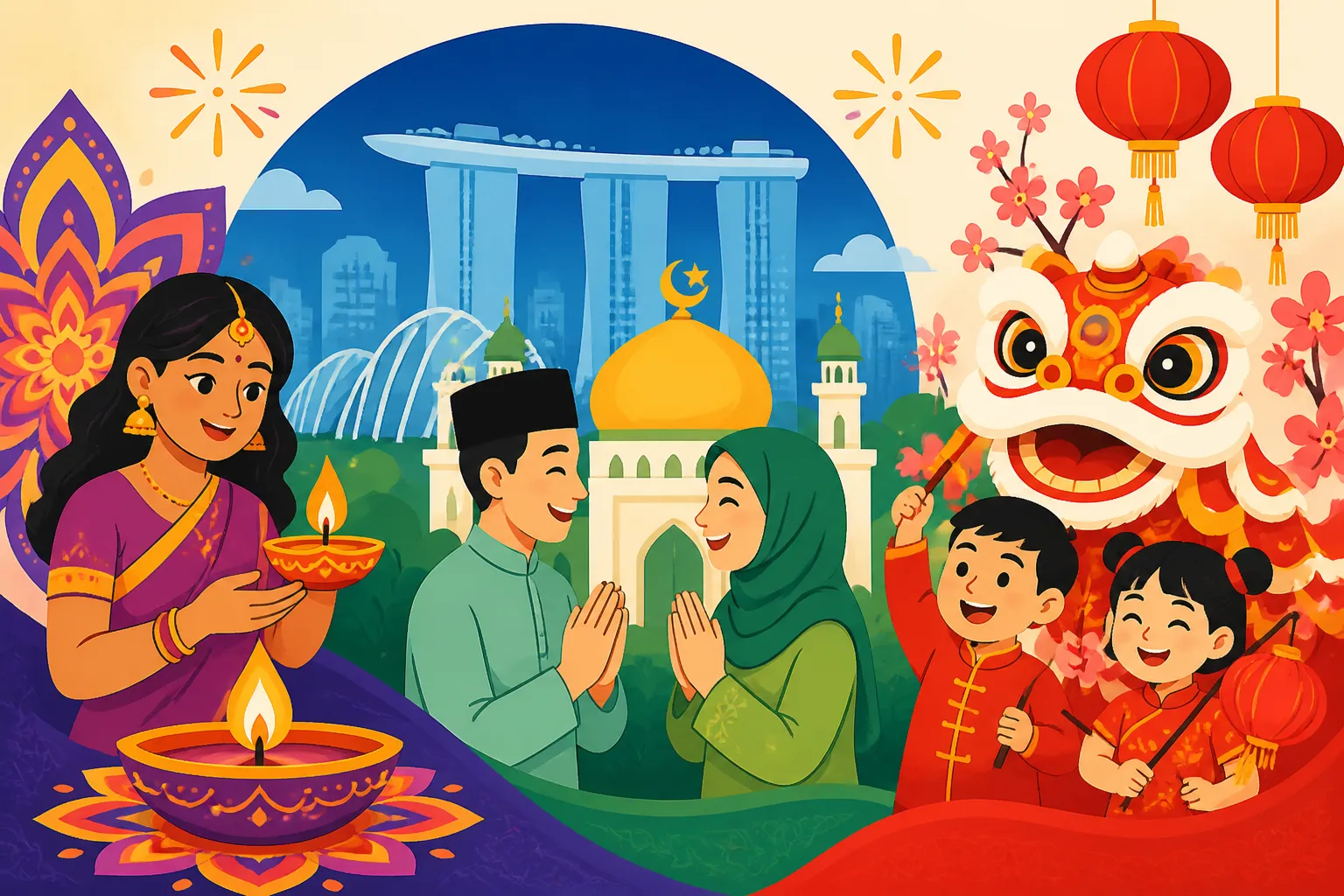
Public Holidays in Singapore: Deepavali, Hari Raya, and Lunar New Year
Moving to Singapore, you’ll quickly realise that the rhythm of life here isn't just set by the work week and standard Western holidays. This little red dot thrives on a vibrant, multicultural calendar, and navigating the nuances of Deepavali, Hari Raya, and Lunar New Year can be a delightful, albeit sometimes confusing, experience. This guide will walk you through these significant public holidays, helping you understand their cultural importance, practical implications, and how you, as an expat or visitor, can best immerse yourself in the festive spirit.
Embracing Singapore's Multicultural Holiday Tapestry
When you first arrive in Singapore, you might notice the national calendar is packed with days off that aren't quite like Christmas or Easter back home. This isn't just a quirk; it’s a reflection of the nation’s incredibly diverse population. Singapore is a melting pot of Chinese, Malay, Indian, and Eurasian communities, each bringing their rich traditions and spiritual observances to the fore. These public holidays are more than just a break from work; they are vibrant windows into the soul of each community, offering unique insights into their faith, history, and customs.
Unlike many Western countries that tend to focus on a dominant cultural or religious narrative for their national holidays, Singapore actively embraces and officially recognises a multitude of faiths. This means that a Hindu festival, a Muslim celebration, and a Chinese traditional holiday all hold equal weight as public holidays, ensuring that every major community has their significant days honored. It’s a beautiful testament to the country’s commitment to harmony and mutual respect, though it can occasionally feel like the city is perpetually in a state of festive joy or recovering from it! The energy during these times is palpable, a mix of preparations, celebrations, and the occasional rush as everyone gets into the spirit.
A Calendar Unlike Any Other
The truly unique aspect of Singapore's public holiday schedule is its deep roots in various cultural and religious calendars. While we all rely on the Gregorian calendar for our daily lives, many of the most significant holidays, such as Deepavali, Hari Raya Puasa, Hari Raya Haji, and Lunar New Year, are actually determined by lunar cycles. This means their dates shift each year when viewed against the familiar Gregorian calendar, which can definitely throw a wrench in your long-term planning if you're used to fixed dates.
For instance, the Lunar New Year always falls on the first day of the Chinese lunar calendar, but on the Gregorian calendar, this can be anywhere from late January to mid-February. Similarly, the dates for Hari Raya Puasa and Hari Raya Haji are based on the Islamic lunar calendar, while Deepavali follows the Hindu lunisolar calendar. This annual fluctuation requires a bit more foresight than simply marking down December 25th for Christmas. You’ll find yourself constantly checking the official public holiday calendar from the Ministry of Manpower (MOM) to ensure you're up to date.
Practically speaking, these shifting dates mean that school breaks, travel plans, and even business closures need to be checked and re-checked annually. What was a long weekend one year might be a mid-week break the next. However, this fluid calendar also keeps things exciting, ensuring that the festive spirit is spread throughout the year, rather than being concentrated in just one season. It’s an ongoing lesson in adaptability, which, let's be honest, is a huge part of the expat experience in Singapore!
Deepavali: The Dazzling Festival of Lights
If you happen to be in Singapore around October or November, you're in for a treat with Deepavali, also known as Diwali. This is the Hindu festival of lights, a joyous and vibrant celebration that symbolises the triumph of light over darkness, good over evil, and knowledge over ignorance. It's a time for spiritual reflection, family gatherings, and an explosion of colour and light that truly transforms parts of the city.
Illumination, Prosperity, and New Beginnings
Deepavali marks the beginning of the Hindu New Year for many, and it's a period steeped in tradition and symbolism. Families typically start their day with an oil bath, seen as a ritual cleansing. New clothes are donned, and homes are meticulously cleaned and decorated with intricate rangoli designs (colorful patterns made on the floor using rice flour, colored sand, or flower petals). The exchange of traditional sweets and snacks, often homemade, is a central part of the celebration, as is visiting relatives and seeking blessings from elders. It's a deeply spiritual time, with prayers offered to various deities for prosperity and well-being.
The epicentre of Deepavali celebrations in Singapore is undoubtedly Little India. In the weeks leading up to the holiday, the entire precinct is transformed into a breathtaking spectacle. Serangoon Road and its surrounding lanes are adorned with thousands of twinkling lights, elaborate arches, and festive decorations that depict traditional motifs and Hindu deities. The air becomes thick with the scent of jasmine, spices, and delicious Indian food, while shops overflow with vibrant saris, gold jewelry, flower garlands, and special Deepavali sweets. The atmosphere is nothing short of magical, drawing in not just the Indian community but visitors from all walks of life.
Experiencing Deepavali's Richness as an Expat
As an expat, Deepavali offers a fantastic opportunity to dive headfirst into one of Singapore's most captivating cultural celebrations. The absolute must-do is to visit Little India. Go in the evenings during the weeks leading up to Deepavali to witness the magnificent street light-up. It's truly a sight to behold, perfect for stunning photos and simply soaking in the joyous ambiance. Wander through the Deepavali Bazaar, usually set up along Campbell Lane and Hastings Road, where you can find everything from traditional lamps and decorations to intricate henna art and delicious street food.
Don't be shy to sample the array of Indian sweets and snacks on offer. From ladoo and gulab jamun to savory murukku, your taste buds are in for a delightful adventure. Consider visiting one of the beautiful Hindu temples, such as the Sri Veeramakaliamman Temple or Sri Mariamman Temple, during the festive period. While observing the prayers, remember to dress modestly (shoulders and knees covered) and remove your shoes before entering. Many temples also host special cultural performances and events, providing deeper insight into the festival's traditions.
Beyond Little India, keep an eye out for Deepavali-themed events at cultural centers or even in shopping malls. Many communities organize open houses or cultural showcases that welcome non-Hindus. It’s a wonderful chance to learn, engage, and appreciate the rich tapestry of Singaporean society. Just remember that it's a significant religious holiday, so observe with respect and an open heart, and you'll undoubtedly gain a memorable experience.
Hari Raya: Feasting, Forgiveness, and Family Bonds
Hari Raya refers to two major Islamic festivals celebrated in Singapore, both of which are public holidays: Hari Raya Puasa and Hari Raya Haji. These holidays are deeply significant for the Malay-Muslim community, marking important milestones in the Islamic calendar and fostering strong bonds of family, community, and faith. They offer a contrasting yet equally rich cultural experience compared to Deepavali or Lunar New Year.
Hari Raya Puasa (Eid al-Fitr): Breaking the Fast and Seeking Forgiveness
Hari Raya Puasa, known internationally as Eid al-Fitr, is a joyous occasion that marks the end of Ramadan, the Islamic holy month of fasting. After a month of spiritual reflection, self-discipline, and devotion, the breaking of the fast is a celebration of gratitude, forgiveness, and new beginnings. It’s a day for Muslims to thank Allah for the strength and perseverance to complete the fast.
The day typically begins with special early morning congregational prayers at mosques. Following this, a central tradition is Maaf Zahir Batin, where individuals seek forgiveness from family members and friends, symbolising a fresh start. The highlight for many is the visiting of relatives and friends, often involving "open houses" where guests are welcomed with an abundance of traditional Malay dishes. Think rendang (spicy beef or chicken stew), lontong (compressed rice cakes in coconut gravy), satay, and an array of colourful kueh-kueh (traditional cakes and pastries). These gatherings are vibrant, filled with laughter, storytelling, and the strengthening of family ties.
In the weeks leading up to Hari Raya Puasa, the Geylang Serai Market and Village become a hive of activity, especially with the iconic Geylang Serai Light-Up and Bazaar. This night market is a spectacle of dazzling lights, tantalising food stalls (selling both traditional and modern takes on Malay delights), and vendors offering traditional clothing, handicrafts, and home decorations. It's a must-visit for its lively atmosphere, although be prepared for crowds!
Hari Raya Haji (Eid al-Adha): The Festival of Sacrifice
Occurring about 70 days after Hari Raya Puasa, Hari Raya Haji (or Eid al-Adha) is another significant public holiday for the Muslim community. This festival commemorates Prophet Ibrahim's (Abraham's) immense faith and willingness to sacrifice his son as an act of obedience to God. It also coincides with the annual Hajj pilgrimage to Mecca, making it a particularly important time for global Muslim solidarity.
Compared to the boisterous celebrations of Hari Raya Puasa, Hari Raya Haji is generally observed with more solemnity and reflection. The day also begins with special congregational prayers at mosques, followed by sermons. A key ritual is the korban (sacrifice), where livestock such as sheep, goats, or cows are ritually slaughtered, and the meat is then distributed to the poor and needy, symbolising charity and sharing with the less fortunate. This act reinforces the spirit of community and compassion.
While families still gather and share meals, the emphasis is often more on religious devotion and charitable giving. There isn't the same level of widespread public festivity or large-scale bazaars as for Hari Raya Puasa, making it a quieter, more introspective holiday for the community. For expats, it might pass with less obvious fanfare, but its significance remains profound for those who observe it.
Mindful Participation and Cultural Respect
For expats and visitors, it’s essential to approach both Hari Raya celebrations with cultural sensitivity and respect. If you’re in Singapore during Ramadan, the month leading up to Hari Raya Puasa, be mindful of those who are fasting. While Singapore is generally tolerant, it's considered polite to avoid eating or drinking conspicuously in public in front of fasting individuals. Many eateries might still be open, but some might only serve takeaway or begin operations later in the day.
If you're fortunate enough to be invited to a Hari Raya open house, it's a wonderful opportunity to experience the warmth of Malay hospitality. Dress modestly, covering shoulders and knees, and be prepared to remove your shoes before entering homes. While it's not strictly necessary, bringing a small token gift like a box of dates or kueh is a thoughtful gesture, but the emphasis is truly on fellowship and sharing. Saying "Selamat Hari Raya" is a simple and appreciated greeting.
Understanding these holidays allows you to appreciate the rich cultural fabric of Singapore even more. They are deeply personal and religious observances for the Malay-Muslim community, and respectful observation, whether from a distance or through participation, enhances your experience of living in this diverse nation.
Lunar New Year: A Spectacle of Red and Gold
Of all the public holidays in Singapore, Lunar New Year, often referred to simply as Chinese New Year (CNY), is arguably the most widely celebrated and impactful, leading to a vibrant atmosphere but also significant disruptions. It typically falls in late January or February, marking the start of the new year in the traditional Chinese lunisolar calendar. This isn't just a single day off; it often translates into a multi-day festive period that transforms the entire city.
The Grandest Celebration and Its Customs
Lunar New Year is a time of immense cultural significance, focused on family reunion, good fortune, and ushering in prosperity for the coming year. Preparations begin weeks in advance with intense "spring cleaning" to sweep away bad luck. Homes are then adorned with red and gold decorations, believed to bring happiness and wealth. On Chinese New Year's Eve, families gather for a grand reunion dinner, which is often considered the most important meal of the year. This meal symbolises togetherness and completeness.
Over the actual holiday, core customs include the giving and receiving of ang pow (red packets), which contain crisp new banknotes, symbolising good wishes and luck, especially to children and unmarried adults. Visiting elders and relatives is paramount, and greetings like "Gong Xi Fa Cai" (wishing you prosperity) are exchanged universally. Oranges and tangerines, symbolising gold and good fortune, are often brought as gifts. The belief is that positive actions and interactions during this period set the tone for the entire year, so every effort is made to maintain harmony and joy. You'll hear plenty of well-wishes and see families bustling from one house to another, sharing meals and laughter.
Navigating the CNY Festive Frenzy
While Lunar New Year is a magnificent spectacle, it also brings with it significant practical implications for everyone living in Singapore. Be prepared for many businesses, especially smaller local shops, traditional hawker stalls, and even some clinics, to close for several days, often up to a week. This means that if you're not planning to participate in family feasts, finding places to eat or shop can be a challenge, particularly on the first two days of the holiday. Planning ahead for things like Grocery Shopping: FairPrice, Cold Storage, Sheng Siong, and Wet Markets becomes absolutely crucial in the weeks prior.
You'll also notice a mad rush at banks in the weeks leading up to CNY, as everyone scrambles to get crisp new banknotes for their ang pow. Transport can also be crowded, especially around popular festive areas like Chinatown. If you're considering dining out, booking well in advance is essential, as popular restaurants fill up quickly. Similarly, if you're planning a short getaway out of the country, expect higher flight and accommodation prices and fully booked services.
Despite these minor inconveniences, the atmosphere is utterly unique. It’s a fascinating time to witness the city's transformation, from the quiet solemnity of the first morning to the joyous bustle of family visits. Just remember that patience and forward planning are your best friends during this period.
Immersing Yourself in the Lunar New Year Spirit
For expats, Lunar New Year is an unmissable cultural experience. The best way to embrace it is to head to Chinatown in the weeks leading up to the holiday. The area is transformed with elaborate street light-ups, festive markets selling all sorts of traditional snacks, decorations, and clothing. You can feel the excitement building with each passing day. Try traditional goodies like bak kwa (barbecued sweet and savory pork jerky, often expensive but highly sought after), pineapple tarts, and love letters.
Don't miss the major public events that are usually organised. The River Hongbao, typically held at the Floating Platform at Marina Bay, features stunning lantern displays, cultural performances, and a massive fireworks show. The Chingay Parade, a spectacular street parade showcasing diverse cultural groups from Singapore and beyond, is another highlight, though its timing can sometimes fall after the actual CNY public holidays. If you're invited to a reunion dinner or an open house, embrace the opportunity! Learning a few simple greetings like "Gong Xi Fa Cai" or "Xin Nian Kuai Le" (Happy New Year) will be greatly appreciated. And if you dare, participate in the yusheng (prosperity toss) – it’s loud, messy, and a whole lot of fun!
Strategic Planning Around Singapore's Public Holidays
One of the first lessons you learn as an expat in Singapore is the importance of planning around public holidays. These aren't just single days off; they often create long weekends, which locals seize as prime opportunities for travel or family gatherings. Missing the memo can lead to frustration, from fully booked restaurants to crowded transportation.
The Art of Advance Booking and Preparation
The golden rule for public holidays in Singapore is: plan, plan, plan! As soon as the official calendar for the year is released, mark down the dates. If you’re dreaming of a quick escape, whether it’s a local staycation or exploring Weekend Getaways from Singapore: Bintan, Batam, and Johor Bahru, book your flights and accommodations months in advance. Prices surge, and availability plummets, especially for popular destinations. The same goes for dining out; if you have a favorite restaurant in mind for a festive meal, reserve your table early.
Anticipate service disruptions. While essential services largely remain operational, many smaller businesses, boutique shops, and even some neighborhood clinics might operate on reduced hours or close entirely. If you rely on specific services, check their holiday schedules. Stocking up on groceries and household essentials a few days before a major holiday, especially Lunar New Year, can save you a last-minute scramble. Online delivery services also experience heavy demand and longer lead times during these periods, so plan your orders accordingly.
Public Transport and Cross-Border Considerations
Singapore’s public transport system, including the MRT and buses, is incredibly efficient, but even it can get stretched during public holidays. While services generally operate, schedules might be adjusted (e.g., Sunday schedules), and certain routes to popular festive areas can become incredibly crowded. Checking the latest updates on the SMRT or SBS Transit apps, or through services like Google Maps, is always a good idea. For a deeper dive into getting around, check out Public Transport in Singapore: MRT, Buses, and Commuting Hacks.
If your long weekend plans involve crossing the Causeway or Second Link into Malaysia, be prepared for immense traffic jams. Thousands of Singaporeans head north for quick getaways, and many Malaysian workers residing in Singapore return home to their families. This can turn a typically short drive into an hours-long ordeal. Factor in significant extra travel time if you’re driving or taking a bus across the border. And if you're venturing out of Singapore for a quick getaway, remember to sort out your data roaming; a prepaid eSIM from Airalo can save you a world of hassle and keep you connected without relying on public Wi-Fi. It’s always better to be proactive than reactive when it comes to holiday travel.
Maximizing Your Holiday Time and Connectivity
These public holidays are fantastic opportunities to explore Singapore itself or use the extra time off for regional adventures. Instead of automatically flying off, consider a "staycation" and explore different neighborhoods you haven't visited before, or dive into Singapore’s incredible culinary scene. Many museums and attractions offer special programming during holiday periods, which can be a fun way to learn more about the local culture. When you’re off gallivanting to Malaysia or Indonesia for a quick break, don't forget to sort out your data, a local eSIM from Airalo can be a real lifesaver, keeping you connected without breaking the bank on roaming charges. It’s about leveraging that precious extra time off wisely.
Keep an eye on local event listings from places like the National Arts Council or the Singapore Tourism Board. They often compile comprehensive guides to festive activities, cultural performances, and family-friendly events leading up to and during the holidays. It’s an ideal time to engage with local communities and deepen your understanding of Singaporean life. For example, Changi Airport itself is a destination, and Changi Airport Guide: Navigating Terminals and Jewel for Frequent Flyers can help you plan a day of exploration there, even if you’re not flying anywhere. Remember to submit your SG Arrival Card (SGAC): Why You Must Submit It 3 Days Before Flying when you return from your short regional trip!
| Public Holiday | General Timing | Key Traditions / What to Expect | Tips for Expats / Visitors |
|---|---|---|---|
| Lunar New Year | Jan/Feb (2 days) | Family reunion dinners, ang pow, visiting, red decor, some closures. | Visit Chinatown for light-ups. Pre-book food/travel. Many businesses close. |
| Hari Raya Puasa | Apr/May (1 day) | Breaking fast, forgiveness, open houses, traditional Malay food. | Visit Geylang Serai Bazaar for lights/food. Dress modestly if invited to homes. |
| Deepavali | Oct/Nov (1 day) | Festival of Lights, prosperity, rangoli, Indian sweets, new clothes. | Explore Little India for lights/bazaar. Try Indian sweets. Visit temples respectfully. |
| Hari Raya Haji | Jun/Jul (1 day) | Festival of Sacrifice, prayers, korban ritual, charity. | Quieter observance. Respectful reflection. Less public festivities. |
Cultural Sensitivity and Etiquette
Living in Singapore means embracing a multicultural experience that is both enriching and, at times, requires a bit of an adjustment to local norms. Public holidays are a prime example where understanding and demonstrating cultural sensitivity can significantly enhance your experience and your integration into the local community.
Respectful Engagement with Local Traditions
Singapore prides itself on its racial and religious harmony, and mutual respect is a cornerstone of society. When a community celebrates a religious or cultural holiday, it’s not just a day off; it’s a sacred or deeply traditional observance. As an expat, approaching these periods with an open mind and respectful attitude is paramount. Avoid making light of religious practices or cultural customs that you may not fully understand. Instead, treat them as learning opportunities.
When visiting places of worship, such as temples, mosques, or churches, during festive periods (or any time, for that matter), always observe the appropriate dress code. This typically means covering your shoulders and knees. Remember to remove your shoes before entering temples or mosques. While Singapore is incredibly welcoming, it’s always a good idea to observe how locals behave before actively participating in very specific rituals, especially if you’re unsure. This immersion into local customs is a huge part of the expat journey, and for those planning a big move, resources beyond shipping and logistics are invaluable – many find sites like Sirelo surprisingly helpful for bridging the gap between practical moving advice and cultural acclimatization, allowing for a smoother transition into such a diverse society.
Greetings, Gestures, and General Conduct
A little effort to learn basic greetings for each holiday goes a long way. A sincere "Selamat Hari Raya" (for Malay-Muslim festivals), "Happy Deepavali," or "Gong Xi Fa Cai" (for Lunar New Year) will be genuinely appreciated and shows your willingness to connect. When visiting homes or engaging with locals, remember that common Singaporean etiquette still applies – for instance, always observe queue etiquette, avoid pointing with your feet, and generally maintain a polite demeanor. While Singapore is famously tolerant, it’s always wise to remember that there are Strict Laws: Chewing Gum, Littering, Jaywalking, and Smoking Zones in place to maintain public order and cleanliness, so these should be adhered to during busy festive periods too.
It's also worth noting the nuances of gift-giving during these times. For Lunar New Year, ang pow are specific, but for other holidays, if you’re invited to a home, a small gift of food or flowers is generally well-received. However, the true gift is often your presence and sincere well-wishes. This level of cultural understanding, from grand celebrations to subtle social cues, is what truly enriches your life here. Many expats find the sheer density of different cultures a fascinating aspect of Singapore, and these holidays are the perfect time to experience that richness firsthand. This engagement with local traditions is fundamental to feeling at home, and many comprehensive moving resources, like those offered by Sirelo, often go beyond mere logistics to include advice on cultural integration, helping new arrivals navigate these delightful intricacies from the moment they consider their relocation.
Disclaimer
The information provided in this guide is for general informational purposes only and is subject to change. While every effort has been made to ensure accuracy, details regarding holiday dates, specific traditions, and public services can vary. Always consult official Singapore government websites (e.g., Ministry of Manpower for public holidays) and local news for the most up-to-date information before making any plans.