HIV Regulations for Work Passes: What Foreigners Must Know
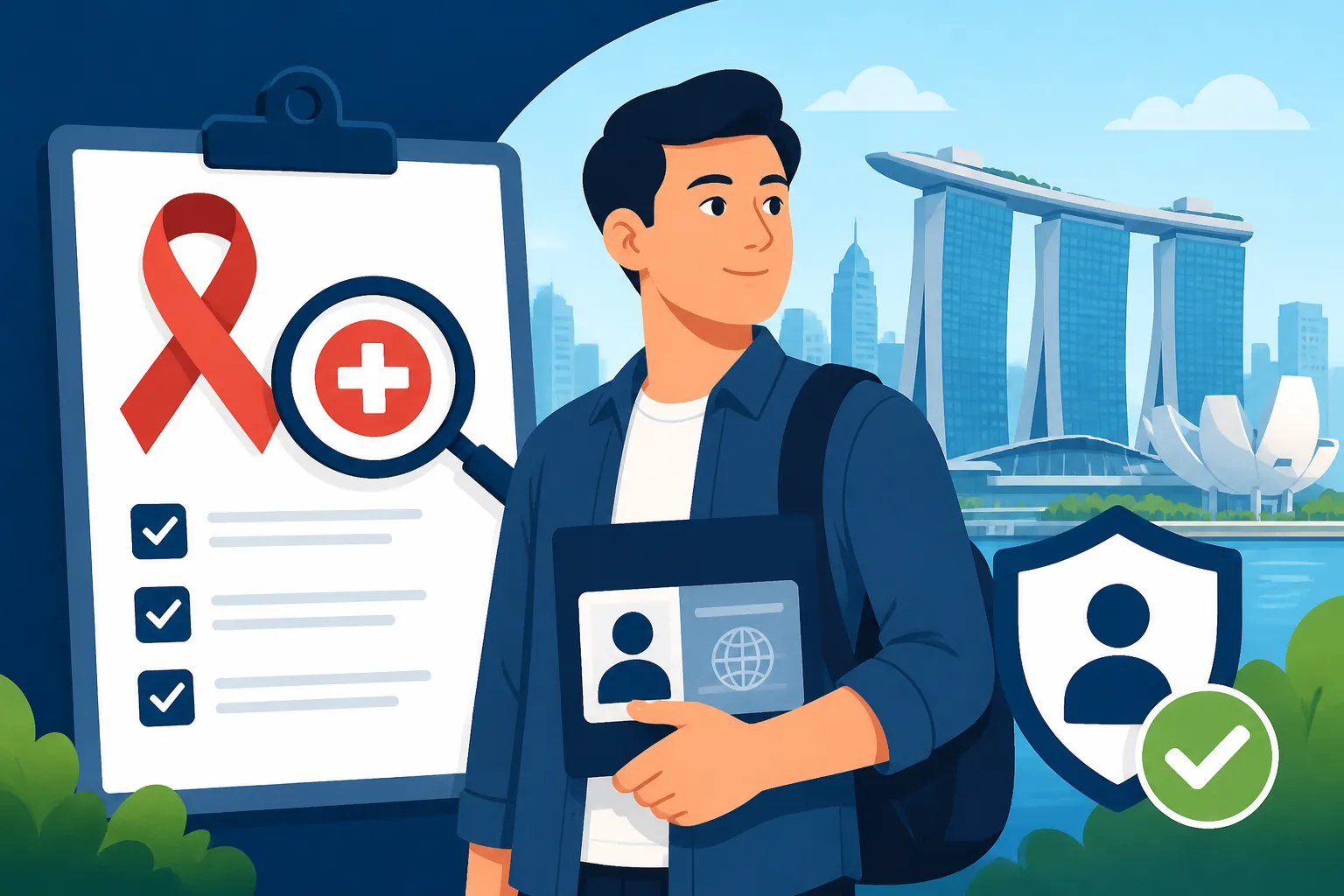
The mandatory medical checkup for a Singapore work pass is often the most nerve-wracking part of the relocation process, especially when you are navigating the complexities of health screenings for sensitive conditions. I remember sitting in a quiet clinic off Orchard Road, clutching my IPA letter with sweaty palms, wondering if any tiny health anomaly would derail my entire move. This guide provides a detailed breakdown of the HIV regulations for work passes, helping you understand exactly how the system works for foreigners.
The Landscape of Mandatory Medical Screenings in Singapore
When you first receive your In-Principle Approval (IPA) from the Ministry of Manpower (MOM), it usually comes with a condition: you must pass a medical examination before your actual work pass can be issued. This is a standard procedure designed to protect public health in a densely populated city-state. For many expats, this is the first real encounter with the efficiency—and the strictness—of the Singapore Healthcare System for Expats: Complete 2027 Guide.
The medical examination typically includes a physical exam, a chest X-ray to screen for tuberculosis, and a blood test. The blood test is specifically designed to screen for syphilis and HIV. While this can feel incredibly intrusive, it is a universal requirement for almost all long-term pass categories, including the Employment Pass (EP), S Pass, and various Work Permits.
Historically, Singapore maintained a very rigid stance on HIV, but the regulations have evolved. It is worth noting that the fear surrounding these tests often outweighs the current reality for many professionals. However, the stakes remain high because your legal right to stay in the country is directly tied to the results of these Mandatory Medical Examinations for Employment Passes and PR Applications.
Distinguishing Between Pass Types and HIV Policy
It is crucial to understand that not all work passes are treated equally when it comes to HIV regulations. The Ministry of Manpower and the Ministry of Health (MOH) apply different criteria based on the type of pass you are applying for. This distinction is one of the most confusing aspects of moving here, and getting it wrong can lead to significant distress.
For those on an Employment Pass (EP) or the Overseas Networks & Expertise (ONE) Pass, the policy is generally more nuanced. In the current 2026 regulatory environment, testing positive for HIV does not automatically lead to the rejection of an EP or the immediate cancellation of an existing one. The government recognizes that individuals with HIV can live long, productive lives and do not pose a threat to public health through casual contact in a professional setting.
However, for S Pass holders and those on Work Permits (typically in the construction, manufacturing, or domestic work sectors), the rules are significantly more stringent. Generally, if a Work Permit holder or an S Pass holder tests positive during the initial screening or a renewal, they may be deemed "unfit for work," which leads to the cancellation of the pass and a requirement to leave Singapore. If you are unsure which category your role falls into, you should review the differences between EP vs S Pass vs ONE Pass: Which Work Visa Is Right for You? to understand the administrative protections associated with each.
The Clinic Experience: What to Expect During the Test
When you go for your medical checkup, you have the choice of using a private clinic or a larger health screening center like Raffles Medical or Fullerton Health. Most expats opt for private clinics because the wait times are shorter and the environment feels a bit more personal. You will need to bring your passport, a copy of your IPA letter, and a recent passport-sized photograph.
The blood draw is usually quick, but the waiting period for results can be agonizing. Typically, results are ready within two to five working days. If the clinic finds anything that requires further investigation, they will contact you directly. It is important to realize that the clinic has a legal obligation under the Infectious Diseases Act to report positive HIV results to the Ministry of Health. This is not a matter of "doctor-patient confidentiality" in the way you might be used to in the US or Europe; public health reporting is mandatory in Singapore.
While you are waiting for these results and settling into your new life, many expats find that their initial coverage is a bit thin. This is where having a flexible plan like SafetyWing can be useful, especially for those who are in the "transition phase" between arriving and getting their full corporate insurance active. It provides a safety net while you are navigating the Medical Checkup for EP Application: X-Rays and Blood Tests Explained.
Confidentiality and the Infectious Diseases Act
A major concern for anyone undergoing these tests is who will find out about the results. In Singapore, the MOH maintains a confidential registry of HIV-positive individuals. Access to this registry is strictly controlled and is used for public health monitoring and ensuring that individuals receive proper care.
From a workplace perspective, your employer is generally notified whether you are "fit" or "unfit" for work. They are not typically given a detailed breakdown of your blood results unless there is a specific reason that impacts your ability to perform your duties or if you are in a highly specialized field like healthcare. However, because a positive result for an S Pass or Work Permit holder leads to an "unfit" status, the employer will inevitably know that a health issue has caused the pass to be denied.
If you are concerned about your status before you even apply for a work pass, it is highly recommended to seek anonymous testing first. There are several clinics in Singapore that offer anonymous STD Testing in Singapore: Confidentiality and Clinic Options. Knowing your status beforehand allows you to make informed decisions about your career move without the pressure of a government-mandated report hanging over your head.
Comparison of Health Screening Requirements by Pass Category
To make this easier to digest, I’ve put together a table showing how the medical requirements and HIV policies generally apply across different foreigner categories in 2026.
| Pass Category | HIV Testing Required? | Consequence of Positive Result | Renewal Requirements |
|---|---|---|---|
| Employment Pass (EP) | Yes | Case-by-case; generally allowed to work if stable | Often not required for renewals unless specified |
| S Pass | Yes | Pass typically canceled; required to leave | Required every two years |
| Work Permit | Yes | Pass canceled; immediate repatriation | Required every two years |
| Dependant’s Pass | No | N/A (unless applying for a Work Pass later) | N/A |
| Permanent Residency (PR) | Yes | Heavily scrutinized; may lead to rejection | N/A (during application) |
Managing Health Costs and Insurance for Chronic Conditions
If you are an EP holder living with HIV in Singapore, your next major hurdle is the cost of medication and care. Singapore is not a "cheap" place for healthcare if you aren't a citizen or PR. Expats do not have access to the heavy subsidies that locals enjoy at public hospitals. Antiretroviral therapy (ART) can be expensive, and you will need to budget for regular viral load tests and consultations with infectious disease specialists.
Most local corporate insurance plans have strict exclusions for pre-existing conditions, which often include HIV. This can leave you with significant out-of-pocket expenses. This is why many high-net-worth expats or those in senior roles look toward international providers like Cigna Global. These types of premium international plans often offer more robust options for chronic condition management, provided you disclose your status during the underwriting process. Navigating these Healthcare Budgeting in Singapore: Managing Out-of-Pocket Costs is essential to ensuring your move is financially sustainable.
Furthermore, if you are managing a condition, you need to be aware of the rules regarding Bringing Prescription Medication into Singapore: HSA Approval Rules. You cannot simply ship a year's supply of meds to your new condo; there are specific limits and documentation requirements you must follow to avoid issues with Customs.
Mental Health and Community Support
The emotional weight of navigating immigration while managing a sensitive health condition is immense. Singapore can feel like a very clinical and judgmental place when you are looking at it through the lens of MOM regulations. It is vital to find a support system.
The Action for AIDS (AfA) Singapore is a fantastic non-governmental organization that provides support, advocacy, and resources for people living with HIV. They understand the specific hurdles that foreigners face and can provide guidance on everything from finding an expat-friendly doctor to dealing with the stress of pass renewals.
Living here can sometimes feel isolating, especially when you are worried about your legal status. It is worth telling newcomers that your mental well-being is just as important as your physical health. Don't hesitate to reach out for professional help. There are many counselors who specialize in expat issues, and they can be a lifeline when you’re dealing with the pressure of a new job and health concerns. You can find more information on Mental Health in Singapore: Counseling, Psychiatry, and Expat Support to help you build a resilient mindset.
Practical Steps If You Are Already in Singapore
If you are already here on a work pass and you receive a new diagnosis, do not panic. The first thing you should do is consult with a specialist at the National Centre for Infectious Diseases (NCID) or a private hospital like Mount Elizabeth. They can help you stabilize your health and explain how your status affects your current pass.
For those on an EP, the focus should be on maintaining "fitness for work." As long as you are adherent to your treatment and your viral load is suppressed, you are generally able to continue your employment. It is also a good time to review your long-term insurance needs. While SafetyWing is excellent for nomads and those between jobs, a more permanent solution like Cigna Global might be necessary for long-term clinical care in the city.
Always keep a thorough record of your medical history. If you ever decide to apply for PR, you will need to demonstrate that you are not a "burden" on the healthcare system. This means showing that you are successfully Managing Chronic Conditions: Diabetes and Hypertension Care for Expats and have the financial means to cover your own care.
Final Thoughts for the Transition Period
Moving to Singapore is a life-changing opportunity, but it requires a high degree of administrative "compliance." The HIV regulations are a part of that reality. By staying informed, seeking support from organizations like AfA, and ensuring you have the right insurance coverage from the start, you can navigate these hurdles successfully.
Make sure you have a clear Expat Health Checklist for the First 30 Days in Singapore to ensure you don't miss any critical deadlines. Singapore rewards those who are prepared and organized. While the rules may seem daunting at first, thousands of foreigners live healthy, successful lives here every day, contributing to the vibrant fabric of this "Little Red Dot."
Disclaimer
This guide is for informational purposes only and does not constitute legal or medical advice. Regulations regarding work passes and health requirements in Singapore are subject to change by the Ministry of Manpower (MOM) and the Ministry of Health (MOH). Always consult with a qualified immigration specialist or a healthcare professional regarding your specific situation.