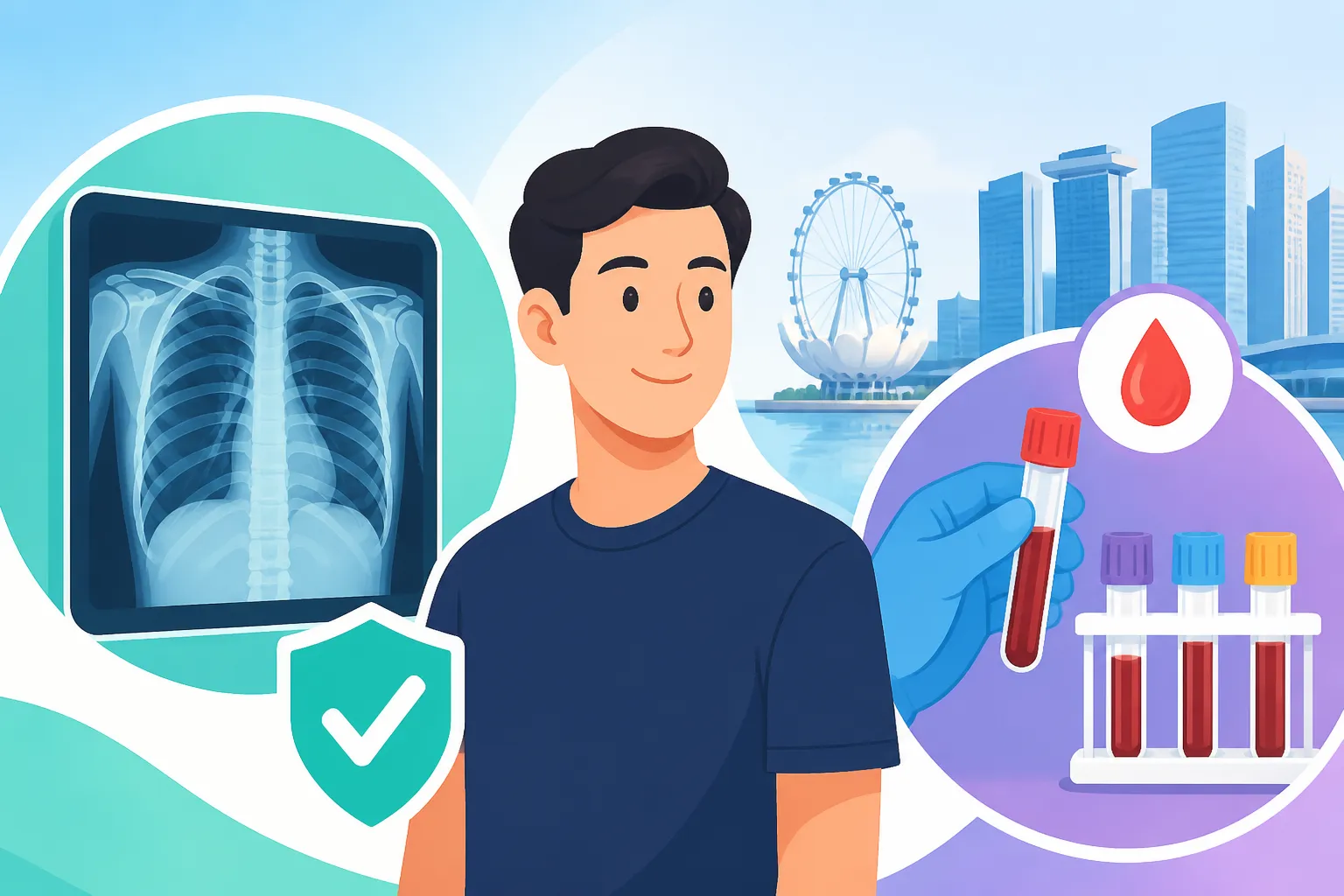
Medical Checkup for EP Application: X-Rays and Blood Tests Explained
Moving to Singapore for a new career is an exhilarating milestone, but the administrative hurdle of the mandatory medical examination can feel like a cold splash of water. I remember sitting in a sterile clinic in Tanjong Pagar, clutching my passport and sweating over whether a past bout of pneumonia would show up on my X-ray. This guide provides an exhaustive breakdown of the Medical Checkup for EP Application: X-Rays and Blood Tests Explained so you can navigate the process with total confidence.
Understanding the Purpose of the Ministry of Manpower Medical Exam
The medical examination required by the Ministry of Manpower (MOM) is not a comprehensive health screening designed to evaluate your general fitness or cholesterol levels. Instead, it is a targeted public health measure. Singapore maintains a very strict stance on infectious diseases to protect its compact population. When you receive your In-Principle Approval (IPA) letter, it will clearly state if a medical checkup is required. For the vast majority of Employment Pass (EP) applicants, this is a standard prerequisite before the physical pass can be issued.
Historically, the focus has remained on two primary health threats: Tuberculosis (TB) and Human Immunodeficiency Virus (HIV). You aren't being judged on your BMI or your eyesight here. The government wants to ensure that newcomers are not unknowingly bringing active, communicable diseases into the workplace or the community. If you have already started looking into your long-term health strategy, you might have noticed that Singapore Healthcare System for Expats: Complete 2027 Guide emphasizes how these initial screenings are just the first step in a very organized medical landscape.
It is important to note that you must complete this examination within two weeks of your arrival in Singapore, or as specified in your IPA. While you can technically do the checkup in your home country, I strongly advise against it. The MOM has very specific formatting requirements for the medical report, and many foreign clinics fail to use the exact wording required, leading to rejected applications. Doing it locally at a recognized clinic is much faster and ensures the paperwork is "Singapore-ready."
The Blood Test: What Is Being Screened
The blood test for an EP application is specifically designed to screen for HIV. In Singapore, an HIV-positive status can lead to the rejection of a work pass application and, in many cases, a requirement to leave the country, though policies are subject to periodic review based on the specific sector of employment. When you arrive at the clinic, the phlebotomist will draw a small vial of blood. You do not typically need to fast for this specific test because it is not checking for glucose or lipids.
I recall my first time going through this; I was worried that because I hadn’t fasted, the results might be skewed. However, for an HIV screening, your last meal has no impact on the accuracy. The results are usually processed using an ELISA test, and if that shows any reactivity, a more specific confirmatory test is conducted. It is a standard procedure that takes less than five minutes.
For those who are concerned about their broader health profile or are managing existing conditions, it is worth looking into Managing Chronic Conditions: Diabetes and Hypertension Care for Expats once your pass is approved. While those conditions won't affect your EP approval, they are important for your long-term wellbeing in the tropics. If you are still in the transition phase and haven't secured local corporate coverage, having a flexible plan like SafetyWing can be a lifesaver for any non-EP related medical issues that crop up during your first few weeks.
The Chest X-Ray: Screening for Tuberculosis
The second major component of the medical checkup is the chest X-ray. This is used to look for signs of active Tuberculosis (TB). TB remains a significant public health concern in many parts of Asia, and Singapore is vigilant about preventing outbreaks. You will be asked to change into a medical gown and stand against a digital X-ray machine. The radiologist will ask you to take a deep breath and hold it for a few seconds.
If your X-ray shows "shadows" or "scarring," don't panic immediately. Old infections, even those you weren't aware of, can leave permanent marks on the lungs. However, the MOM requires the radiologist to certify that there is no evidence of active TB. If the results are inconclusive, the doctor may require a sputum test or a follow-up consultation with a specialist. This can delay your pass issuance, so it is best to be upfront about any history of lung issues.
Many expats find that the speed of these clinics is impressive. You are often in and out of the X-ray room in less than ten minutes. Because these facilities handle thousands of Mandatory Medical Examinations for Employment Passes and PR Applications every month, the workflow is highly optimized. If you are used to the slower pace of healthcare in Europe or North America, the "factory" feel of an EP medical center can be surprising, but it is highly efficient.
Choosing the Right Clinic and Managing Costs
You have several options for where to complete your medical exam. Most expats head to large healthcare groups because they have dedicated "visa screening" departments. These clinics are well-versed in the specific forms required by the MOM.
| Clinic Type | Estimated Cost (SGD) | Pros | Cons |
|---|---|---|---|
| Private Medical Groups (Fullerton, Raffles) | $60 – $120 | Fast turnaround, highly professional, online booking. | More expensive than neighborhood GPs. |
| Neighborhood GP Clinics | $45 – $75 | Lower cost, often located near residential areas. | May take longer to get results; less "polished" service. |
| Specialized Screening Centers | $50 – $90 | Specialized in work passes; very efficient. | Can be very crowded during peak hours. |
I personally went to a Raffles Medical clinic for my first renewal because they have an integrated app that notifies you the moment your results are ready. However, if you are looking to save a few dollars, a local GP in a HDB estate can perform the same tests for a fraction of the price. Just ensure they have an X-ray facility on-site, otherwise, you’ll have to travel to a second location for the imaging, which is a massive headache in the Singapore heat.
When budgeting for these initial costs, remember that many employers will reimburse the medical checkup fee, but not all. It is worth checking Healthcare Budgeting in Singapore: Managing Out-of-Pocket Costs to see how this fits into your overall relocation budget. If you are moving with a high-tier executive package, companies like Cigna Global often provide comprehensive support that may even include these entry-level screenings as part of a broader health assessment.
Step-by-Step Logistics: What to Bring and What to Expect
On the day of your appointment, you must bring your original passport and a printed copy of your IPA letter. The clinic cannot proceed without these documents as they need to verify your identity for the official MOM report. You will also be given a specific Medical Examination Form (often attached to your IPA) which the doctor must sign and stamp.
- Registration: You’ll present your documents and pay the fee upfront.
- Consultation: A brief interview with a doctor where they might check your blood pressure and ask about your medical history.
- The Blood Draw: A quick needle prick for the HIV test.
- The X-Ray: You’ll head to the radiology department for the chest scan.
- Completion: The clinic will tell you when the results will be ready—usually within 2 to 3 working days.
Some clinics offer an "express" service where you can get results within 24 hours for an additional fee. This is incredibly helpful if you are on a tight timeline to get your physical card and open a bank account. Once the results are out, the clinic may upload them directly to the MOM system, or they may give you a hard copy to pass to your HR department. Always ask for a copy for your own records; you’ll find it useful for future Expat Health Insurance in Singapore: Public vs Private Coverage applications.
What Happens if the Results Are Abnormal?
The most common source of anxiety for expats is the "what if" scenario. If your blood test or X-ray shows something abnormal, the clinic is legally obligated to inform you. An abnormal result does not always mean an automatic rejection. For example, if your X-ray shows an anomaly that is not TB, the doctor will simply note it. However, if the screening confirms a condition that is on the MOM's restricted list, your EP application will likely be denied.
In the event of an inconclusive result, you may be referred to a specialist. This is where having robust international coverage becomes vital. While the initial EP checkup is cheap, a follow-up with a specialist at a place like Mount Elizabeth or Gleneagles can cost hundreds of dollars. Plans from Cigna Global are designed for exactly these moments, ensuring that if a routine checkup turns into a diagnostic journey, you aren't paying for it entirely out of pocket.
For those navigating these hurdles, I’ve found that transparency with your HR department is key. They have seen these situations before and can often provide guidance on the Medical Checkup for PR: What Conditions Can Cause a Rejection? process if you plan to stay in Singapore long-term. Remember, the system is designed to be fair but firm on public health safety.
Final Preparation Tips for a Smooth Experience
To ensure your medical checkup goes as smoothly as possible, there are a few "pro-tips" I've gathered over the years. First, wear clothes that are easy to change out of. You'll be asked to remove your shirt and any jewelry for the X-ray, so avoid complex outfits or heavy necklaces. Second, stay hydrated. It makes the blood draw much easier for the nurse and reduces the chance of a "faint" feeling afterward.
If you are currently on any prescription medication, bring the bottles or a doctor's note with you. While most medications won't interfere with the HIV or TB tests, the doctor may ask about them during your consultation. For more information on bringing your existing supplies, check out Bringing Prescription Medication into Singapore: HSA Approval Rules. It’s also a good idea to have your travel insurance details handy. While SafetyWing is excellent for transit and initial arrival, ensure you know where your coverage ends and your local EP-linked benefits begin.
Lastly, try to schedule your appointment for a Tuesday or Wednesday. If you go on a Friday, the weekend can delay your lab results, meaning you won't get your EP processed until the following week. In the fast-paced world of Singapore business, those few days can make a difference in your onboarding timeline.
Summary of Key Points for EP Applicants
Navigating the medical checkup is a rite of passage for every expat in the Little Red Dot. By understanding that the focus is strictly on HIV and TB, you can strip away much of the "test anxiety" that many newcomers feel. The process is a testament to Singapore's efficiency: you go in, get poked, get scanned, and a few days later, you are one step closer to your physical green card.
Whether you choose a high-end clinic or a local GP, the most important thing is ensuring the paperwork is flawless. Keep your IPA letter safe, bring your passport, and don't be afraid to ask the clinic staff for a status update if your results take longer than three days. Once this hurdle is cleared, you can focus on the more exciting parts of your move, like exploring the hawker centers or finding the perfect condo in your new neighborhood.
Disclaimer
This guide is for informational purposes only and does not constitute professional medical or legal advice. Immigration policies and medical requirements in Singapore are subject to change by the Ministry of Manpower (MOM) and the Immigration & Checkpoints Authority (ICA). Always refer to the official government websites or consult with a qualified immigration specialist for the most current regulations regarding work pass applications and medical examinations.