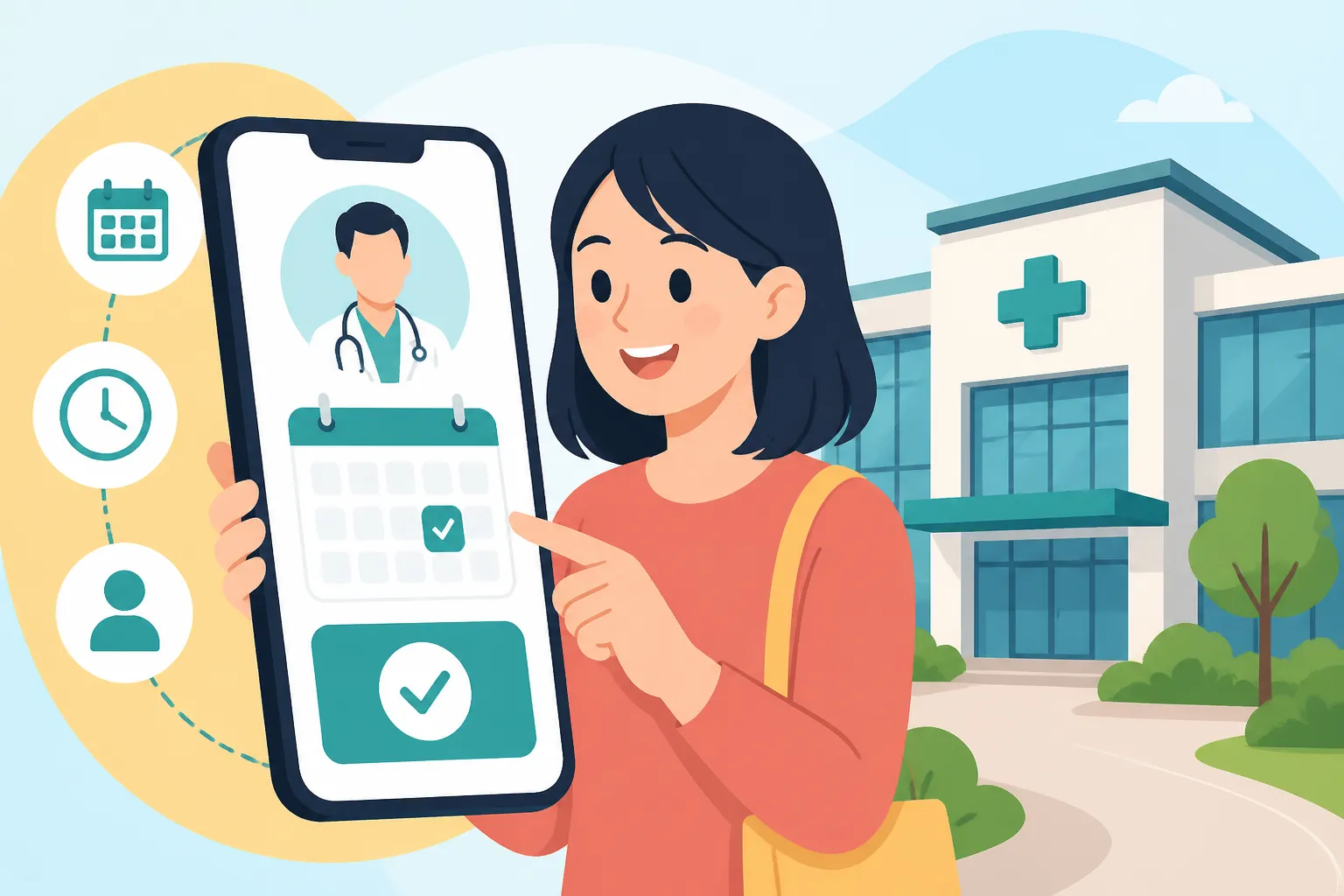
How to Book an Appointment at a Singapore Polyclinic Using the App
Walking into a private clinic in Singapore for a simple cough and walking out $120 lighter is a rite of passage every expat dreads. I remember the sticker shock of my first "minor" visit to a clinic in Orchard; it felt like I was paying for the marble floors rather than the medicine. This guide breaks down how to bypass those premium costs by using the HealthHub app to book a Singapore polyclinic appointment effectively.
Understanding the Role of Polyclinics in Singapore
Polyclinics are the backbone of the Singaporean primary healthcare system. They are large, government-run "one-stop" healthcare centers that provide everything from general consultations and vaccinations to dental care and diagnostic services like X-rays and blood tests. For a newcomer, the scale can be intimidating. Unlike a small, cozy private GP clinic where the receptionist knows your name, a polyclinic can feel a bit like an airport terminal—busy, efficient, and highly digitized.
The primary reason expats choose polyclinics is cost-effectiveness. While foreigners do not receive the heavy subsidies that Singapore Citizens and Permanent Residents enjoy, the base consultation rates and medication costs are often more transparent and lower than those at high-end private clinics. Furthermore, if you need a referral to a specialist at a public hospital, going through a polyclinic is the standard path. Even if you have premium coverage from Cigna Global, utilizing the polyclinic for routine check-ups or initial screenings can help manage your annual limits or deductibles.
Another factor is the comprehensive nature of these facilities. If you go to a private GP and they suspect you need an X-ray, they might have to refer you to a separate imaging center. At a polyclinic, you often just walk down the hall. This integration is a lifesaver when you are juggling a busy work schedule or managing Family Health Guide: Maternity, Pediatrics, and Child Development requirements.
Getting Ready: Prerequisites for Foreigners
Before you even think about downloading the app, you need to have your administrative ducks in a row. The Singapore healthcare system is deeply integrated with your digital identity. You cannot simply "guest" your way into a polyclinic appointment through the app; you need a verified profile.
The Singpass Requirement
Your first step is ensuring your Singpass is active. This is the common password and login system for all government services in Singapore. If you have just arrived on an Employment Pass or S Pass, you must wait for your physical card to be issued and then register for Singpass. Without it, the HealthHub app will not allow you to access the booking module. Many expats try to use their passport number to log in, only to get frustrated. Save yourself the headache and get your Singpass sorted first.
Understanding the Three Clusters
Singapore’s polyclinics are divided into three "clusters" based on geography. When you use the app, you will notice these names frequently:
- SingHealth Polyclinics: Primarily serves the East and Central regions (e.g., Bedok, Tampines, Outram).
- National University Polyclinics (NUP): Primarily serves the West (e.g., Queenstown, Clementi, Jurong).
- National Healthcare Group Polyclinics (NHGP): Primarily serves the North and Central-West (e.g., Toa Payoh, Woodlands, Ang Mo Kio).
Knowing which cluster your neighborhood falls into is vital because each has slightly different slot release timings and interface nuances within the app.
Step-by-Step Guide to Booking via the HealthHub App
The HealthHub app is the "super-app" for healthcare in Singapore. It stores your lab results, vaccination records, and, most importantly, the appointment module. Here is the realistic, boots-on-the-ground process for securing a slot.
Navigating the Interface
Once you log in via Singpass, look for the "Appointments" icon on the home screen. Do not be confused by the various "Health Blogs" or "Rewards" tabs. Once in the appointment section, you will see an option to "Book New Appointment." This is where the challenge begins. You will be asked to select the type of service. For a standard fever, cold, or general check-up, select "General Consultation."
You will then be prompted to choose your preferred polyclinic. The app usually detects your location, but you can manually search. A pro tip from someone who has lived here a decade: don't just look for the one closest to your front door. Sometimes, a polyclinic two MRT stations away might have an earlier slot. If you are looking for Choosing a Primary Care Physician (GP) in Singapore, remember that in a polyclinic, you will usually see whichever doctor is available, though the care standards are very consistent.
The Midnight Refresh Strategy
Securing a same-day or next-day appointment can feel like trying to buy front-row concert tickets. Slots for the next day typically release at specific times—usually 10:00 PM or midnight, depending on the cluster. If you log in at 2:00 PM on a Tuesday, you will likely see "No Slots Available." I have spent many nights at 11:59 PM, thumb poised over the screen, ready to refresh. If you are unwell and cannot find a slot, you might need to check out 24-Hour Clinics in Singapore: After-Hours Medical Care Guide instead of waiting for a polyclinic.
Managing Family Members
One of the best features of the app is the "Relationship Link." You can add your children or elderly parents as dependants. This allows you to book appointments on their behalf using your own Singpass login. This is incredibly useful for managing the National Childhood Immunisation Schedule: What Your Child Must Have, as you can see their past records and upcoming needs in the same interface where you book their consultation.
Cost Comparison: Polyclinics vs. Private GP Networks
To understand why it is worth the effort to navigate the app, you need to look at the numbers. As a foreigner (Non-Resident), you pay the highest tier of fees, but these are still often "at cost" compared to the "for-profit" model of private centers.
| Feature | Polyclinic (Foreigner Rate) | Private GP (Clinic) | High-End Private (Orchard/CBD) |
|---|---|---|---|
| Consultation Fee | S$55 – S$68 | S$35 – S$95 | S$120 – S$250 |
| Wait Time | 1-3 Hours | 15-45 Minutes | 5-20 Minutes |
| Lab Tests | Lower (Subsidized Base) | Market Rate | Premium Rate |
| Medication | Regulated | Markup varies | High Markup |
While the polyclinic consultation fee might look similar to a suburban private GP, the real savings are in the medication and diagnostic tests. If you have SafetyWing for your travel-related medical needs or a local corporate plan, always check if your insurance requires you to visit a "Panel Clinic" to avoid out-of-pocket expenses. If you are paying cash, the polyclinic is almost always the winner for the total bill. For more details on this, see Polyclinics vs Private Clinics: Waiting Times and Cost Differences.
Practical Tips for Your First Visit
Booking the appointment is only half the battle. The physical experience of a Singapore polyclinic is a marvel of social engineering and bureaucracy.
The Triage Process
When you arrive, do not just sit down. You must "check in" at a kiosk or a counter. You will need your physical FIN card (or digital Singpass IC). The system will issue you a queue number. In many polyclinics, there is a "triage" station where a nurse will take your temperature and blood pressure before you even see the doctor. This helps the doctors move through patients faster. If you are there for something urgent but not life-threatening, be prepared to explain your symptoms clearly and concisely. If it is a life-threatening crisis, skip the polyclinic and refer to Emergency Numbers: Calling 995 for Ambulance and 999 for Police.
The Pharmacy Queue
After your consultation, you don't just leave. You will be directed to the pharmacy area. Your "prescription" is sent electronically from the doctor’s computer to the pharmacy. You will have to wait for your number to appear on a screen again to pay and collect your meds. This is where Pharmacies and Medication in Singapore: Prescriptions and OTC Rules come into play—polyclinics usually dispense exactly the number of pills you need for your recovery, which keeps costs down.
Managing Wait Times
Even with an appointment, "Singapore time" in a public medical setting can be unpredictable. An appointment at 10:30 AM means you will likely be seen between 10:45 AM and 11:30 AM. Bring a book, make sure your phone is charged, or use the time to catch up on Healthcare Budgeting in Singapore: Managing Out-of-Pocket Costs strategies. The efficiency is high, but the volume of patients is simply massive.
When to Choose Private Care Over Polyclinics
As much as I advocate for the polyclinic system, it is not always the right choice. There are times when the "expeditious" route of private care is worth the premium.
- Time Sensitivity: If you have a high-stakes meeting at 11:00 AM and wake up with a sore throat at 8:00 AM, a private GP will get you in and out in 20 minutes. The polyclinic is a half-day commitment.
- Specialist Referrals for Expats: If you go to a polyclinic and get a referral to a specialist, you will be seen at a public hospital as a "Private Patient" (because you are a foreigner). However, the wait time for that first specialist appointment can be weeks or even months. If you have Expat Health Insurance in Singapore: Public vs Private Coverage, you are often better off getting a referral from a private GP to a private specialist, where you can be seen within 48 hours. Use the guide on Specialist Referrals: Do You Need a GP Before Seeing an Expert? to decide which path fits your urgency.
- Language and Continuity: While almost all doctors in polyclinics speak excellent English, you rarely see the same doctor twice. If you have a complex or chronic condition and want a doctor who remembers your history, a private GP is a better investment.
Troubleshooting and Common App Issues
The HealthHub app is great until it isn't. I’ve had my fair share of "System Maintenance" messages right when I needed to book a slot for a spiking fever.
- The "No Slots" Loop: If the app shows nothing, try calling the cluster’s central appointment line. Sometimes they have "last-minute" cancellations that haven't updated in the app's cache yet.
- Singpass Login Issues: If your Singpass is acting up, check if you have updated the app recently. The Singapore government updates its security protocols frequently, and an outdated app version is the most common cause of login failure.
- Wrong Cluster: If you moved from Jurong to Katong, make sure you update your address in the app. The system sometimes restricts your booking options based on your registered residential address to manage regional loads.
For those who are tech-averse, there is a dedicated guide on Using the HealthHub App as a Foreigner with Singpass that goes into the nitty-gritty of the digital setup.
Emergency Situations and the App
It is crucial to remember that the polyclinic app is for non-emergencies only. If you are experiencing chest pains, severe breathlessness, or heavy bleeding, do not open your phone to check for a polyclinic slot. Polyclinics are not equipped for major trauma or acute cardiac events. In those cases, you need to head straight to an A&E. You can learn about the differences in Emergency Medical Care in Singapore: Ambulances and A&E Wards to ensure you make the right call in a crisis. Calling 995 is for emergencies, while 1777 is for non-emergency medical transport—knowing the difference can save you a very expensive bill.
Health & Medical Disclaimer
The information provided in this article is for informational and educational purposes only and is not intended as medical advice. Healthcare regulations, app interfaces, and polyclinic fees in Singapore are subject to change by the Ministry of Health (MOH) and the respective healthcare clusters. Always consult with a qualified healthcare professional for medical diagnosis and treatment. While we strive to provide accurate and up-to-date information, readers should verify specific booking procedures and costs directly with the HealthHub portal or official Singapore government websites. Use of the mentioned insurance brands or medical facilities should be based on your individual needs and policy terms.


