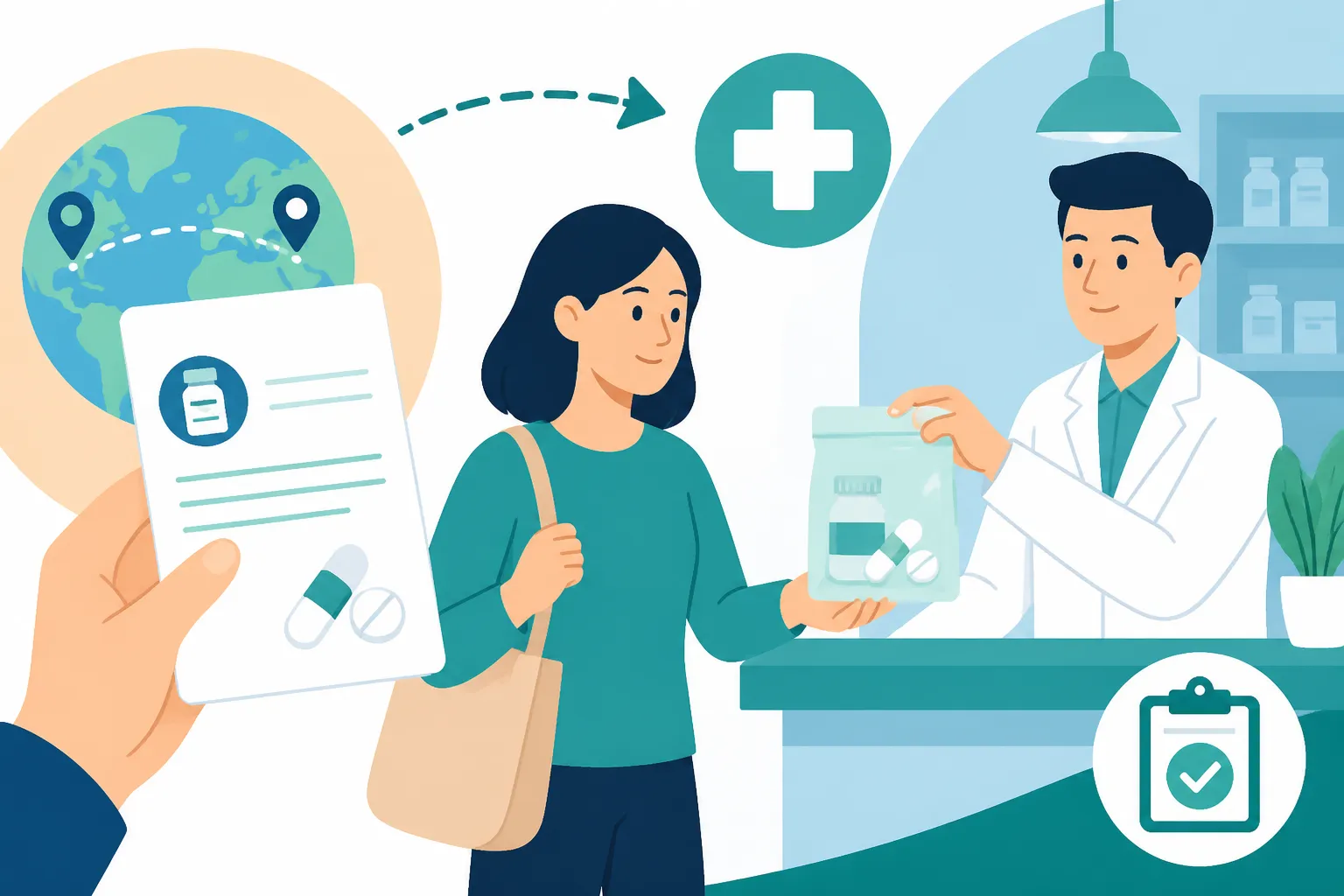
How to Refill a Foreign Prescription at a Singapore Clinic
Moving to a new country involves a mountain of paperwork, but few things are as stressful as realizing your essential medication is running low and your home-country prescription is useless at the local pharmacy. I remember the sinking feeling of being told my European script wasn't "legal tender" here. This guide explains how to navigate Singapore’s strict medical regulations to refill your foreign prescriptions.
Why You Can’t Use a Foreign Prescription Directly
One of the first things you realize after landing at Changi is that Singapore is a land of rules, and the Health Sciences Authority (HSA) takes medication very seriously. In many countries, you might be able to hand over a prescription from a doctor back home to a pharmacist and get your pills. In Singapore, this is a non-starter. By law, pharmacists in Singapore can only dispense prescription-only medicines (POM) if the script is issued by a doctor registered with the Singapore Medical Council.
This isn't just about red tape; it’s about accountability. The Singapore government ensures that every prescription dispensed within its borders is vetted by a locally licensed professional who understands the local drug concentrations, brand names, and legal limits. Even if you have a digital copy or a physical letter from your world-renowned specialist in London or New York, a local pharmacist at Singapore Pharmacies: Guardian, Watsons, and Hospital Dispensaries will politely decline to fill it.
Furthermore, many medications that are common elsewhere might be classified as controlled substances here. This includes certain sleep aids, ADHD medications, and strong painkillers. The strictness is meant to prevent drug abuse, but for an expat just trying to manage a chronic condition, it can feel like an unnecessary hurdle. Validating this frustration is important: yes, it is an extra step, and yes, it will cost you a consultation fee, but once you understand the rhythm of the local system, it becomes much easier to manage.
The Step-by-Step Process to Localize Your Prescription
To get your medication refilled, you essentially need to "convert" your foreign script into a Singaporean one. This requires seeing a local doctor. While it might seem like a waste of time if you already have a diagnosis, it is a mandatory part of the Expat Health Checklist for the First 30 Days in Singapore.
Step 1: Gather Your Medical Documentation
Before you book an appointment, gather everything related to your condition. A physical copy of your foreign prescription is helpful, but a formal medical report from your home doctor is better. This report should include your diagnosis, the specific dosage, how long you have been on the medication, and any recent blood test results or clinical notes.
If your medication has a specific brand name, make sure you know the generic (chemical) name. Brand names vary wildly by region. For example, what you call "Ventolin" back home is the same here, but other specialized medications might have completely different names in Southeast Asia. Having the generic name allows the local doctor to find the exact equivalent in the Singapore Monthly Index of Medical Specialities (MIMS).
Step 2: Choose the Right Type of Clinic
For routine medications like birth control, blood pressure pills, or basic asthma inhalers, a General Practitioner (GP) is sufficient. You can find these clinics in almost every HDB estate or shopping mall. If you are looking for a more personalized experience, you can spend time Choosing a Primary Care Physician (GP) in Singapore who has experience working with the expat community and understands international brand equivalents.
However, if you require specialized medication—such as biologics for autoimmune issues or psychotropic drugs for mental health—a GP may not be comfortable or even legally allowed to write the script. In these cases, you will likely need a referral to a specialist. This is where having comprehensive coverage from providers like Cigna Global becomes essential, as specialist consultation fees in private hospitals can be significantly higher than a standard GP visit.
Step 3: The Consultation and Issuance
During your consultation, the doctor will review your history and may perform a brief physical exam. They aren't trying to question your home doctor’s expertise; they are establishing a patient-doctor relationship so they can legally take responsibility for the prescription. Once satisfied, they will issue a local prescription.
In Singapore, most clinics have their own in-house dispensary. This means you can often walk out of the consultation room and pick up your medicine at the front desk. If the clinic doesn't stock your specific drug, they will give you a paper script to take to a major pharmacy or a hospital outpatient dispensary.
Comparing Medication Costs and Sourcing Options
The cost of medication in Singapore can be a surprise. While some generics are quite affordable, "innovator" drugs (the original brand-name versions) can be pricey because Singapore imports almost all its pharmaceuticals.
| Medication Category | Availability in SG | Typical Sourcing Method |
|---|---|---|
| Common Generics (Metformin, Statins) | High | Any GP Clinic or Polyclinic |
| Chronic Specialty Drugs (Biologics) | Moderate | Specialist Clinics/Public Hospitals |
| Controlled Psychotropics (ADHD) | Restricted | Registered Psychiatrists only |
| Oral Contraceptives | High | GP Clinics or Women’s Health in Singapore clinics |
If you are on a budget, you might consider visiting a Polyclinic, though wait times are much longer for foreigners. Private clinics are faster but charge a premium for the convenience. For those who are here on a short-term basis or are digital nomads, having a plan like SafetyWing can provide a safety net for unexpected medical needs, though standard "refills" for pre-existing conditions often fall under out-of-pocket expenses unless you have a specialized chronic care rider.
Handling Controlled Substances and ADHD Medication
If your foreign prescription is for ADHD medication (like Ritalin or Concerta) or certain benzodiazepines, the process is significantly more rigorous. These are strictly regulated by the HSA. You cannot simply walk into a neighborhood GP for these.
You will almost certainly need to see a psychiatrist. It is highly recommended to book this appointment well in advance, as waitlists for English-speaking psychiatrists in the private sector can be weeks long. When you do see the doctor, they are required to keep meticulous records of these prescriptions. You may also find that the dosage limits per prescription are shorter—for instance, they might only be allowed to give you a 30-day supply at a time, requiring monthly visits until "stability" is proven.
Before you even move, you should check Bringing Prescription Medication into Singapore: HSA Approval Rules. If you are bringing more than a three-month supply of any medication, you must apply for an import permit online through the HSA website. This is a crucial step to avoid having your medication confiscated at customs.
Using Technology for Refills and Consultations
Singapore is a digital-first city, and the healthcare sector is no exception. Once you have seen a local doctor once and established your treatment plan, you may not need to visit the clinic in person for every single refill.
Many expats use Telehealth in Singapore: Using Apps for Consultations and Prescriptions. Apps like WhiteCoat, Doctor Anywhere, or ManaDr allow you to have a video consultation with a Singapore-registered doctor. If it is a simple refill of a non-controlled medication that they have previously prescribed or can verify via your uploaded medical records, they can issue a digital prescription and even have the medication delivered to your home or office within three hours.
This is a lifesaver when you are busy balancing a new job and family life. However, keep in mind that telehealth doctors have limitations; they generally will not prescribe "high-risk" medications or anything requiring a physical diagnostic test. For your first conversion of a foreign script, an in-person visit is always the best and most reliable route.
Insurance Claims and Out-of-Pocket Management
One of the biggest pain points for expats is the realization that their company insurance might not cover "maintenance" medication or the "administration fee" for converting a script. If you are covered by a high-end international plan like Cigna Global, you likely have a smoother path to reimbursement for specialist visits and chronic medications.
However, many "local" expat packages have high deductibles for outpatient care. You should learn How to Claim Medical Expenses from International Insurance Providers early on. Usually, you will need to pay the clinic upfront using a credit card or GrabPay, then submit a scanned copy of the itemized invoice (which must show the medication name and the doctor's consultation fee separately) to your insurer.
For those traveling or between jobs, SafetyWing offers a flexible option for medical emergencies, but for long-term chronic medication management, you’ll want to ensure your primary health policy includes an "Outpatient" and "Prescribed Drugs" module. Always check if your clinic is "in-network" for your provider to minimize the paperwork. If you find yourself needing care late at night, look for 24-Hour Clinics in Singapore: After-Hours Medical Care Guide to avoid the much higher costs of an A&E (Emergency Room) visit just for a prescription.
Final Advice for New Arrivals
Don't wait until you have two pills left to start this process. The system here is efficient, but it does not accommodate "emergency" refills for foreign scripts without a local consultation. Start by researching Pharmacies and Medication in Singapore: Prescriptions and OTC Rules to see if your medication is even sold in the country. Sometimes, a specific brand isn't registered in Singapore, and your doctor will need to find the closest alternative or apply for a special "Named Patient" import, which can take weeks.
If you are struggling with the transition or finding it difficult to navigate the healthcare landscape while managing a chronic condition, don't hesitate to seek Psychiatric and Expat Support. Relocation stress can exacerbate physical symptoms, and having a local medical team you trust makes the "Little Red Dot" feel a lot more like home. Lastly, always keep a photo of your original foreign script on your phone; it’s the best starting point for a conversation with any local GP.
Managing the Cost of Long-Term Care
As you settle in, you might find that the cost of private healthcare adds up. Many expats eventually look into Understanding Corporate Health Insurance vs Personal Medical Plans to fill the gaps. While your employer's plan might cover the basics, a personal plan from a provider like Cigna Global can ensure that even if you change jobs, your access to your specific brand of medication and your preferred specialist remains uninterrupted.
Singapore’s healthcare is world-class, but it is a "user-pays" system for foreigners. By being proactive, gathering your documents, and utilizing telehealth where appropriate, you can ensure that your health remains a priority without the stress of running out of vital medicine. SafetyWing also remains a solid choice for those who are transitioning between residencies or waiting for their permanent employment pass to be issued.
Medical Disclaimer
This article is for informational purposes only and does not constitute professional medical or legal advice. Always seek the advice of a qualified healthcare provider in Singapore regarding any medical condition or the legal requirements for prescription medications. Regulations regarding the importation and dispensing of drugs are subject to change by the Health Sciences Authority (HSA).