Noise Complaints and Neighbor Etiquette: Dealing with Renovation Noise
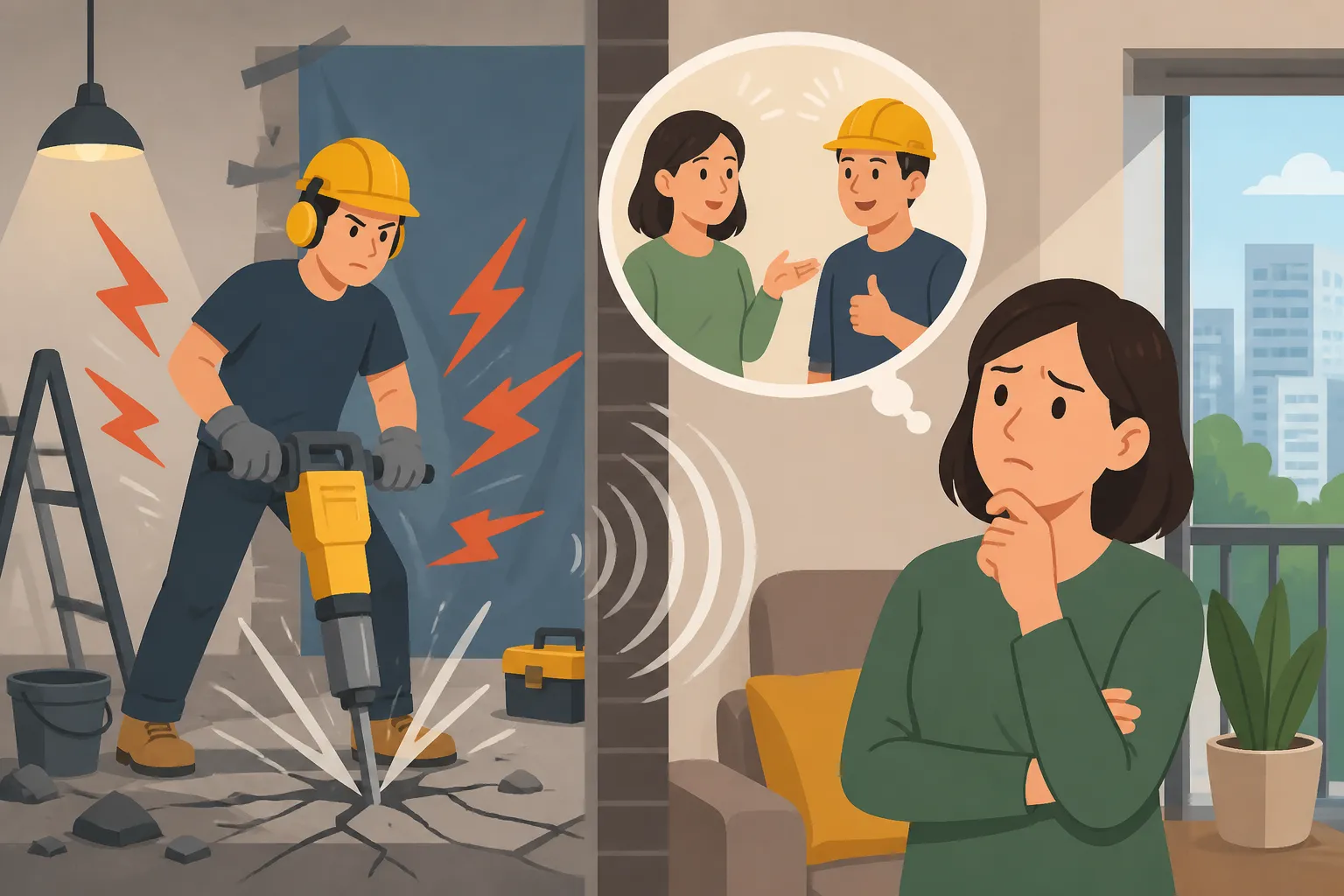
Ah, the sweet symphony of drilling, hammering, and general construction chaos that starts precisely at 9 AM on a Saturday. If you’ve been an expat in Singapore for any length of time, you’ve likely experienced the unique frustration of renovation noise. It’s a common rite of passage, turning your serene condo into a construction zone and testing the limits of your patience. This guide is here to walk you through Singapore’s regulations, common etiquette, and practical steps to navigate renovation noise and other neighbourly disturbances, helping you restore some peace to your tropical haven.
Understanding Singapore's Noise Regulations and What's Acceptable
When you first move to Singapore, you quickly learn about the high-rise living environment, whether it's an HDB flat or a private condominium. With such close proximity to neighbours, noise, especially from renovations, becomes a very real part of daily life. The good news is that Singapore has regulations in place, but navigating them requires understanding the nuances of local rules and cultural norms. It's not always a straightforward "call the police" situation.
Permissible Renovation Hours and Days
One of the biggest sources of contention is when work is allowed to happen. Singapore's National Environment Agency (NEA) and housing authorities like the Housing & Development Board (HDB) and individual condominium management bodies (MCSTs) have specific guidelines, and they can vary. Generally, loud renovation works are restricted to certain hours and days to minimise disturbance, especially in residential areas. These rules are designed to give residents a reasonable expectation of quiet during evenings, nights, and public holidays.
For HDB flats, general renovation works are typically allowed between 9 AM and 6 PM, Monday to Saturday. Noisy works like drilling or hacking are even more restricted, often limited to specific blocks of hours within that timeframe and usually forbidden on Sundays and public holidays. This is a big one to remember, as it’s a common flashpoint. Imagine planning a relaxing Sunday brunch at home only to be greeted by the incessant sound of a jackhammer next door. It’s incredibly frustrating, and these rules are there to prevent such scenarios, though unfortunately, they are not always perfectly adhered to.
Private condominiums, while often having similar restrictions, might have slight variations depending on their own By-Laws, which are set by the Management Corporation Strata Title (MCST). Your condo’s management office will have a copy of these By-Laws, often posted on notice boards or available through a resident portal. It's always a good idea to check these specific rules, as they can sometimes be more stringent than the general NEA guidelines. For instance, some condos might have an earlier cutoff for loud work or even completely prohibit noisy renovations during school holiday periods. Knowing these details beforehand can save you a lot of grief and provide a solid basis for any conversation you might need to have.
Noise Limits and Enforcement Bodies
Beyond just the timing, there are also general noise limits, though these are harder to measure and enforce for transient renovation noise. The NEA regulates environmental noise and can get involved if noise levels are deemed excessive and prolonged. However, for domestic disturbances, especially in residential buildings, the primary enforcement usually falls to the building management (for condos) or the HDB (for HDB flats) in the first instance. If the noise constitutes harassment or a breach of peace, then the Singapore Police Force (SPF) might get involved, but they generally prefer neighbours to try and resolve issues amicably first.
It's important to understand that Singapore operates on a principle of encouraging neighbourly understanding. While rules exist, the first port of call is usually a polite interaction rather than an immediate escalation. This can be a cultural adjustment for many expats who might be used to more direct or formal complaint procedures in their home countries. The emphasis here is on maintaining harmony within the community. So, while you might feel like calling every authority under the sun, a measured and stepwise approach is often more effective and leads to a better long-term outcome.
Identifying the Source and Taking Initial Steps
When the drilling starts, your first reaction might be a surge of irritation. However, before you march over with an angry scowl, taking a few calm, practical steps can often resolve the issue without further conflict. Identifying the source and making initial, polite contact is crucial in Singapore. Remember, preserving "face" and maintaining respectful relationships are highly valued here.
Locating the Noise Origin
Sometimes, renovation noise can echo and travel in confusing ways within high-rise buildings, making it difficult to pinpoint exactly where it's coming from. Before you approach anyone, try to accurately identify the source. Walk around your apartment, listen from the corridor, or even take a quick stroll around your block or floor if you live in an HDB. Look for signs of work, like open doors, workers coming and going, or renovation notices pasted in the lift lobby or common areas. Many MCSTs or HDB blocks require residents to put up notices of upcoming renovations, indicating the unit number, expected duration, and permitted work hours. These notices are invaluable and often your first clue.
If you’re struggling to pinpoint the exact unit, don’t hesitate to contact your building’s security or management office if you live in a condo. They often have records of approved renovation permits and can tell you which units are undergoing work. For HDB dwellers, a quick chat with a friendly neighbour might reveal the information. Having the correct unit number before you act is important, as accusing the wrong neighbour can escalate tensions unnecessarily. This initial reconnaissance helps you gather facts and approach the situation from an informed position.
Gentle Communication and Neighbourly Courtesy
Once you’ve identified the source, the next step is often a gentle, direct approach. In many cultures, this might mean a confrontational knock on the door, but in Singapore, a softer touch is often more effective. If the noise is truly excessive or outside permitted hours, a polite conversation with your neighbour or their contractor can work wonders. You might say something like, "Excuse me, I'm from unit [your unit number], and I've noticed quite a bit of noise from your renovation. I understand renovations can be loud, but it seems to be going on outside the allowed hours, and it's quite disruptive for my family." Be specific about the time and type of noise if possible.
It's best to approach this with empathy rather than accusation. Most people don't intentionally set out to disturb their neighbours. Contractors might be pushing to finish work, or new expats might simply be unaware of the local regulations. A friendly reminder, explaining the impact the noise is having on you (e.g., "my child is trying to nap," or "I'm working from home"), can be very persuasive. You can even mention that you noticed their moving company, perhaps even a service found through a platform like Sirelo, seemed well-organized, and maybe they just overlooked the specific noise rules. Offering solutions, such as suggesting they check the building's specific renovation hours or proposing a quieter activity during sensitive times, can also foster goodwill. Sometimes, a simple, polite conversation is all it takes to resolve the issue.
Formal Channels for Addressing Persistent Noise Issues
While direct communication is always the preferred first step in Singapore, sometimes it doesn't quite work out. Perhaps the noise persists, or the neighbour isn't receptive to your polite requests. When amicable solutions fail, it's time to consider more formal channels. It’s crucial to know who to contact, especially since the process differs slightly depending on whether you live in an HDB flat or a private condominium.
Engaging Condo Management (MCST)
If you live in a private condominium, your Management Corporation Strata Title (MCST) office is your primary point of contact for neighbour disputes, including renovation noise. The MCST is responsible for enforcing the estate’s By-Laws, which usually include strict rules about renovation timings and conduct. When you submit a complaint to them, provide specific details: the date, time, duration of the noise, the nature of the noise (drilling, hammering, loud music), and the unit number. Keeping a log of these incidents can be incredibly helpful for the management team.
The MCST will typically investigate your complaint. This might involve sending a letter to the offending unit, conducting their own checks, or reminding the owner/contractor of the permitted hours. They have the authority to issue warnings, impose fines (if the By-Laws allow), or even halt renovation works if there are severe breaches. Often, the mere involvement of the MCST is enough to prompt compliance. They are usually keen to maintain peace and order within the estate, as prolonged disputes can affect the community as a whole. Remember to follow up if you don't hear back or if the problem continues. Persistence, coupled with documentation, is key.
HDB and Community Dispute Resolution
For those residing in HDB flats, the process is slightly different as there isn't a central "management office" in the same way a condo has. If direct communication with your neighbour doesn't resolve the renovation noise issue, you can approach the HDB branch office that manages your estate. They can advise you on the regulations and may intervene by sending a letter or talking to the flat owner. Like MCSTs, HDB aims to facilitate neighbourly harmony and will often try to mediate disputes.
If the issue remains unresolved, or if the noise is particularly egregious and disruptive, you might consider reaching out to your grassroots leaders, such as your Member of Parliament (MP) or the Community Mediation Centre (CMC). The CMC provides a platform for neighbours to resolve disputes amicably through mediation, a non-confrontational approach that is highly encouraged in Singapore. This is a voluntary process, but it can be highly effective because it brings both parties together with a neutral third-party mediator to find a mutually agreeable solution. For serious and persistent issues that cross the line into harassment or public nuisance, the police (Singapore Police Force) can be contacted, especially if the noise occurs late at night or involves abusive behaviour. They generally advise pursuing mediation first for neighbourly disputes, reserving their direct intervention for more serious breaches of peace.
Documenting Your Case
Regardless of whether you're dealing with condo management or HDB, thorough documentation is your strongest asset. Keep a detailed log:
- Dates and times: When did the noise start and end?
- Type of noise: Was it drilling, hacking, loud music, shouting?
- Impact: How did it affect you (e.g., couldn't work, woke up baby, disturbed sleep)?
- Actions taken: What steps have you already taken (e.g., spoken to neighbour, informed management)?
- Evidence: If safe and reasonable, capture recordings (audio or video, with timestamps) of the noise. Be mindful of privacy laws, but objective evidence of loud, disruptive noise can be powerful.
This meticulous record-keeping not only helps present a clear and credible case but also demonstrates your earnest efforts to resolve the problem. It shows you're not just complaining without evidence, which gives your complaint more weight with authorities. When you're new to Singapore, staying connected and knowing how to quickly share these details is important; an eSIM from providers like Airalo can ensure you always have data to upload evidence or contact officials, especially if your local SIM is still being sorted.
| Situation | First Step | Second Step (if unresolved) | Third Step (if persistent/severe) |
|---|---|---|---|
| HDB Flat | Polite conversation with neighbour | Inform HDB branch office / Engage grassroots leaders | Community Mediation Centre (CMC) / Singapore Police Force (for severe cases) |
| Private Condo | Polite conversation with neighbour / Contractor | Inform Condo Management (MCST) with documented evidence | Small Claims Tribunals (for damage/nuisance) / Singapore Police Force (for severe cases) |
| Public Place | Not applicable for renovation noise | Report to National Environment Agency (NEA) for general noise | Singapore Police Force (for public disturbance) |
Proactive Measures and Maintaining Community Harmony
Living in a densely populated city like Singapore means being considerate of others is paramount. While you might be frustrated by a noisy neighbour, remember that at some point, you might also be the one making some noise, perhaps during your own renovation or a lively gathering. Taking proactive steps and fostering positive neighbourly relations can go a long way in preventing future conflicts.
Communicating Your Own Renovation Plans
If you're planning your own renovation, the best approach is proactive communication. Inform your neighbours well in advance of any noisy works. A simple notice slipped under their door, posted in the lift lobby, or a friendly chat can make a huge difference. Include details like the estimated start and end dates, the hours when loud work will occur, and a contact number for any urgent concerns. Many condo managements require such notices anyway, but going the extra mile with a personal touch can build goodwill. It sets a precedent for how you expect to be treated and demonstrates your awareness of the impact your activities might have.
Consider offering a small apology in advance for the inevitable disruption, perhaps even a plate of cookies or a small token of appreciation. This small gesture, though not strictly necessary, can soften the blow of impending noise and make neighbours more understanding and forgiving. When you're moving in or out, remember to respect the common areas and keep noise to a minimum, especially during restricted hours. If you're using professional movers, some, possibly even those recommended through platforms like Sirelo, might offer advice on local etiquette for large deliveries or moves to minimise disruption. This forethought fosters a positive community spirit from the get-go.
Building Good Neighbourly Relationships
Singapore places a high value on community (kampung spirit), even in modern high-rise buildings. Taking the time to get to know your neighbours can be incredibly beneficial. A friendly "hello" in the lift, offering help with groceries, or simply being present and approachable can lay the groundwork for better conflict resolution should issues arise. It’s much easier to have a conversation about noise with someone you know, even if only casually, than with a complete stranger. When you have a positive relationship, a neighbour is more likely to be receptive to your concerns and vice versa.
Consider joining your condo's residents' committee or participating in community events. This not only helps you build a support network as an expat but also gives you a platform to understand common issues and contribute to solutions. A strong community bond can make the occasional disturbance more tolerable and disagreements easier to resolve amicably. Remember that living in close quarters means shared spaces and shared responsibilities. Embracing this communal aspect can turn potential frictions into opportunities for connection.
Dealing with Other Common Noise Issues
Renovation noise might be a significant culprit, but it's certainly not the only source of disturbance you might encounter in Singapore's residential settings. From late-night parties to barking dogs, living in close proximity means navigating a variety of sounds. Understanding how to approach these other common noise issues with the same measured and empathetic approach can help maintain your sanity and good neighbourly relations.
Parties, Music, and Entertainment Noise
Singaporeans, like many others, enjoy hosting gatherings and parties. However, loud music, boisterous conversations, or late-night karaoke sessions can quickly become a nuisance, especially in the wee hours. Unlike renovation noise, which is typically confined to daytime, entertainment noise can often spill into the night, directly impacting sleep and peace. The general expectation is that noise should be kept to a minimum after 10:30 PM, particularly if it's audible outside your unit.
If you're experiencing excessive noise from a party, the initial steps remain the same: try to identify the source and, if comfortable, make a polite approach. A friendly knock on the door and a gentle request to lower the volume can often resolve the issue. If you're hesitant to approach directly, or if the noise persists, your condo management or HDB branch office is the next point of contact. For severe, recurring, or late-night disturbances that genuinely constitute a breach of peace, the Singapore Police Force can be called, but they generally appreciate residents attempting self-resolution or mediation first. Remember, the goal is often not to shut down the fun entirely, but to ensure it respects others' right to peace and quiet.
Pet Noise, Children's Play, and General Living Sounds
Pets, particularly dogs, can be a source of noise complaints, especially if they bark incessantly when left alone. Similarly, children's joyful (or sometimes not-so-joyful) cries and boisterous play can travel easily through thin walls or open windows. While these are often considered "normal" living sounds and part of family life, persistent or excessive noise can still become a nuisance. It's important to distinguish between reasonable living sounds and genuine disturbances. You wouldn't want to complain about a baby crying, but a dog barking for hours on end is a different story.
When addressing pet or children's noise, extreme sensitivity is required. Owners and parents can be very defensive. A gentle conversation focusing on the impact of the noise rather than accusing them of being bad pet owners or parents is crucial. For instance, "I've noticed your dog barks quite a bit during the day, and it makes it hard for me to concentrate while working from home. Would you be open to exploring some solutions?" This non-confrontational approach is more likely to yield positive results. Condo management (for private estates that allow pets) or HDB can also be approached if the issue persists. They may offer mediation or remind residents of guidelines regarding pet ownership or noise levels. For instance, some condos have specific rules on pet control, and certain dog breeds are not allowed in HDB flats. Being aware of Are Pets Allowed in HDB Flats? Approved Dog Breeds List can also help you understand the local context.
Everyday Rules and Etiquette
Singapore is famous for its strict rules and fines, many of which aim to keep the environment clean and orderly. While noise regulations are generally enforced, there are also unwritten rules of etiquette that contribute to the overall peace of mind. Things like hanging laundry on bamboo poles without dripping water onto the unit below, keeping common corridors clear, or even the practice of "chope-ing" (reserving) hawker centre tables with tissue packets, all contribute to the unique social fabric. Understanding these nuances of Everyday Rules and Etiquette: Fines, Laws, and Social Norms can help you blend in and avoid inadvertently causing friction with your neighbours.
From avoiding littering to being mindful of your rubbish disposal schedule, these seemingly small actions accumulate to create a harmonious living environment. As an expat, immersing yourself in these local customs demonstrates respect and a willingness to integrate, which can also make your neighbours more tolerant of any unintentional transgressions you might make. Ultimately, navigating noise complaints and neighbour etiquette in Singapore is about finding a balance between asserting your right to peace and quiet, and contributing to a respectful and understanding community.
Navigating the Legal Landscape of Nuisance Claims
While mediation and polite conversation are Singapore's preferred methods for dispute resolution, sometimes, despite all efforts, an issue escalates to a point where legal remedies might be considered. This is a rare step for noise complaints, but it's important to understand the avenues available should your situation become extreme. Singapore's legal system provides frameworks for civil disputes, including those arising from persistent nuisance.
Community Disputes Resolution Tribunals (CDRT)
For intractable neighbour disputes, including persistent noise, Singapore has the Community Disputes Resolution Tribunals (CDRT). This specialized tribunal was established specifically to deal with disputes between neighbours that cannot be resolved through mediation or other informal means. It's a more formal step than mediation but less adversarial than going to a full civil court. You can file a claim at the CDRT if you've made reasonable attempts to resolve the dispute, for instance, through mediation at the Community Mediation Centre, and the issue remains.
The CDRT can issue various orders, such as an order for a party to stop a nuisance, an order to pay damages (though less common for noise unless actual damage or significant loss is proven), or even an order to attend mediation or counseling. The goal of the CDRT is to resolve disputes and foster harmonious living, not just to assign blame. This means they often look for practical solutions. While it's a legal route, it still maintains an emphasis on resolving community issues rather than punitive measures. Expats often feel lost when navigating such legal specifics, but knowing this tribunal exists can be reassuring for extreme situations.
Legal Advice and Small Claims Tribunal
For more complex cases, or if you believe the nuisance has caused you demonstrable financial loss (e.g., you had to move out temporarily, or your property value was affected, though these are high bars for mere noise), you might consider seeking legal advice. A lawyer specializing in property or civil disputes can assess your case and advise on the best course of action. This is generally reserved for situations far beyond a noisy renovation, perhaps involving harassment or deliberate, malicious disturbance.
The Small Claims Tribunals typically handles claims up to S$20,000 (or S$30,000 with mutual consent) arising from contracts or torts, and while nuisance claims can fall under its purview, it's more commonly used for issues like Getting Your Deposit Back: Navigating End-of-Lease Cleaning and Disputes with landlords or defective goods. For neighbour disputes, the CDRT is usually the more appropriate forum. Engaging legal counsel can be expensive, so it’s a decision that shouldn't be taken lightly and only after all other less formal routes have been exhausted.
Navigating Tenant vs. Owner Responsibilities
A common issue for expats is that they are often tenants, not owners. This can complicate noise complaints, as the responsibility for resolving the issue might lie with the landlord. If your landlord is unresponsive, or if the noise is a breach of your tenancy agreement's "quiet enjoyment" clause, you might have recourse through them. It’s always good practice to keep your landlord informed of any ongoing disputes, especially if they escalate.
For instance, if your neighbour’s renovation noise consistently goes beyond the permitted hours, and the condo management isn't resolving it, your landlord might be the one to apply pressure or even take legal action on behalf of the property. Knowing Renting in Singapore: The Ultimate Guide for Expatriates (2026) can help you understand your rights and responsibilities in such situations, ensuring you know when to lean on your landlord for support. Remember, while you are the affected party, the property owner also has an interest in maintaining the peace and value of their investment.
Disclaimer
The information provided in this guide is for general informational purposes only and does not constitute legal or professional advice. While we strive to provide accurate and up-to-date information, regulations and procedures in Singapore can change. It is always recommended to consult with the relevant authorities (e.g., HDB, MCST, NEA, CMC, or legal professionals) for advice specific to your situation.