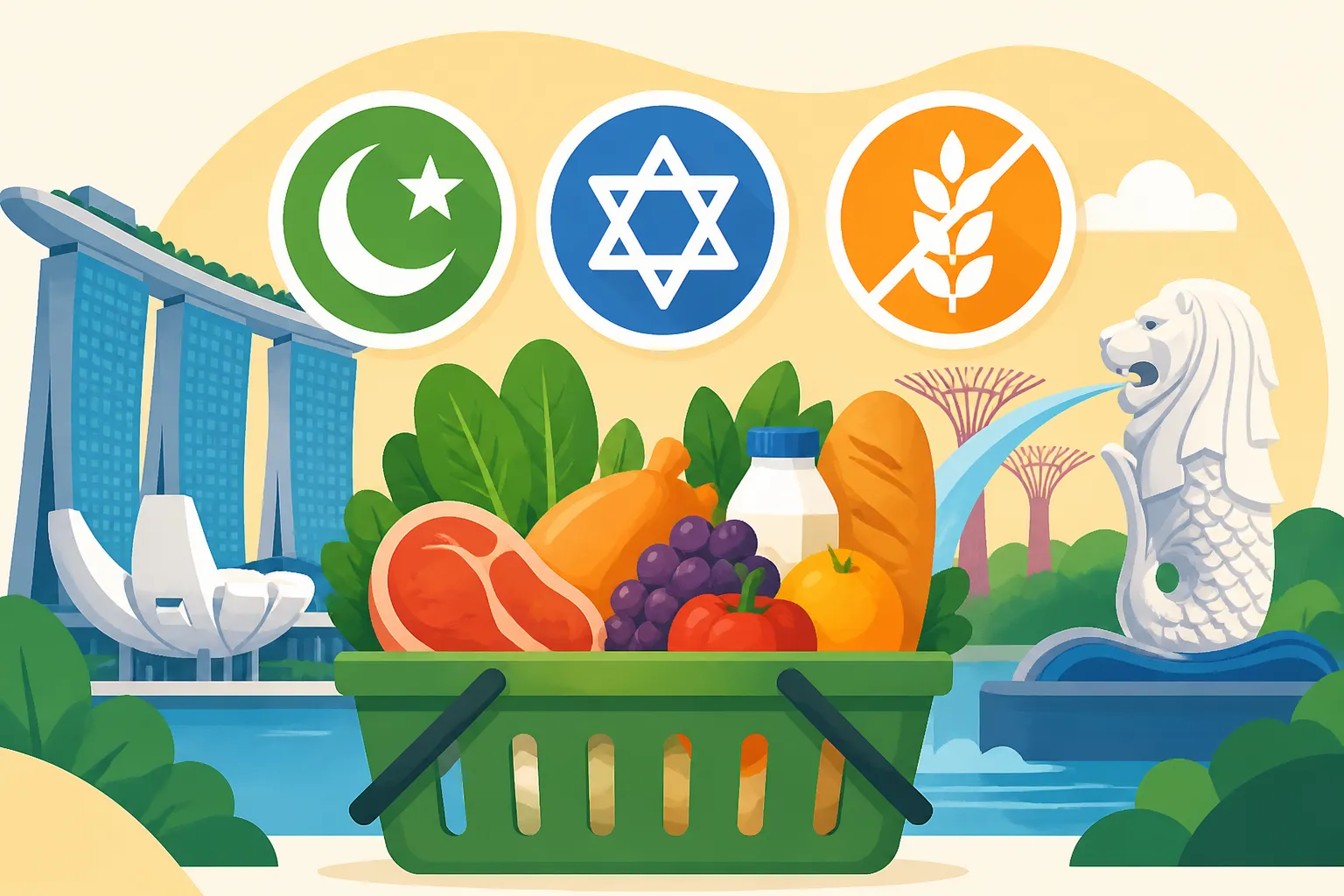
Where to Buy Halal, Kosher, or Gluten-Free Groceries
Moving to a new country like Singapore is exhilarating, but let’s be real, finding the specific groceries that cater to your dietary needs can feel like a treasure hunt. You’re navigating new supermarkets, different brands, and sometimes, unfamiliar languages on labels. It’s enough to make you long for your familiar grocery store aisle back home! This guide is here to cut through that confusion, helping you confidently locate Halal, Kosher, and Gluten-Free products across the Lion City, making your culinary life here a whole lot easier and less stressful.
Navigating Halal Grocery Options in Singapore
For many expats, especially those from Muslim-majority countries or simply those seeking Halal-certified products, finding suitable food items is a top priority. Singapore, with its significant Malay-Muslim population, has a robust system for Halal certification, overseen by the Islamic Religious Council of Singapore (MUIS). This means you’ll often find a good selection, but knowing where to look specifically will save you a lot of time and effort.
Dedicated Halal Supermarkets and Specialty Stores
While not as numerous as regular supermarkets, Singapore does boast a few dedicated Halal butchers and specialty grocers that are absolute gems for those seeking specific cuts of meat or harder-to-find Halal ingredients. These smaller shops often carry an impressive array of fresh Halal poultry, beef, and lamb, along with Halal-certified processed meats, sausages, and deli items that might not be as readily available in larger chains. Visiting these stores can be a delightful experience, allowing you to connect with local proprietors and discover unique products.
Beyond fresh meats, you’ll also find specialty Halal frozen foods, baked goods, and even some imported Halal snacks and condiments. Some notable examples include smaller neighbourhood grocers in areas with larger Malay communities, or even dedicated Halal online stores that offer delivery services right to your doorstep. Always look for the official MUIS Halal logo, which is a green stamp with "Halal" written in Jawi script, ensuring that the product adheres to Islamic dietary laws from preparation to packaging. This certification extends beyond food to even non-food items like cosmetics and pharmaceuticals, so it’s a comprehensive system.
Mainstream Supermarkets with Halal Sections
The good news is that you don't always have to go out of your way to find Halal products; most major supermarket chains in Singapore have made significant strides in catering to the diverse dietary needs of their customers. You'll find that large outlets of Grocery Shopping: FairPrice, Cold Storage, Sheng Siong, and Wet Markets, especially FairPrice Xtra and FairPrice Finest, often feature dedicated Halal sections. These sections are usually clearly marked, making it easy to spot a wide range of Halal meats, dairy, snacks, and ready-to-eat meals.
These mainstream stores carry many local and international brands that have obtained MUIS Halal certification. This includes everything from pantry staples like cooking oils, pasta, and sauces, to frozen pizzas and ice creams. You'll want to get into the habit of scanning product labels for that distinctive MUIS Halal logo. While an item might seem Halal by its ingredients, the certification ensures that the entire supply chain, from sourcing to processing, meets the stringent requirements. Many online grocery platforms, such as FairPrice Online and RedMart, also allow you to filter products by "Halal certified," streamlining your shopping experience even further. This is incredibly helpful when you're stocking up the fridge and pantry for a family, especially when considering the Cost of Living for an Expat Family with Kids: School, Housing, and Car and wanting to make sure your budget stretches while meeting dietary needs.
Sourcing Kosher Products in Singapore
Finding Kosher products in Singapore can be a bit more of a niche pursuit compared to Halal, mainly due to the smaller size of the Jewish community here. However, with a little know-how and by tapping into community resources, you can certainly find what you need. It requires a slightly different approach than simply walking into any supermarket, but it’s entirely manageable once you know the ropes.
Dedicated Kosher Suppliers and Community Resources
The primary hub for Kosher life in Singapore revolves around the Jewish community, particularly the Maghain Aboth Synagogue and its associated facilities. These are often the first and best places to inquire about Kosher food availability. You'll find that organizations like The Jewish Welfare Board of Singapore play a crucial role in supporting the community’s dietary needs, often facilitating the import of Kosher meat and other specialty items directly. It’s not uncommon for the community to organize bulk orders or have specific days when fresh Kosher meat is available, so connecting with them is invaluable.
Another key resource is the Deli Hub, located at the Jacob Ballas Centre. This establishment is specifically known for offering Kosher meals and products, making it a reliable spot for cooked food and some packaged goods. For fresh Kosher meat, it’s a different ballgame. Due to the high cost and logistical complexities of importing and certifying fresh Kosher meat, it’s not something you’ll find on every street corner. Most fresh Kosher meat is imported frozen or in specific batches by the community. You might also find some imported Kosher wines, certain cheeses, and specialty items like matzah during Passover in these dedicated community-focused outlets. It’s a testament to the community’s resilience and organization that these resources exist to maintain traditional dietary practices.
Importing and Online Options for Kosher Foods
Given the limited local availability of certain Kosher products, many members of the Jewish community rely on importing items or leveraging online international retailers. While major supermarkets might occasionally stock a handful of internationally certified Kosher items – think specific brands of cereals, juices, or canned goods that bear a prominent Kosher symbol (like OU, OK, Kof-K, or Star-K) – a full range of Kosher products is generally not found there. You might have some luck in the international aisles of larger Cold Storage outlets or high-end grocers like Little Farms, which specialize in imported goods.
For those planning to live in Singapore long-term, establishing a network for importing certain staples directly or through communal efforts can be a practical solution. There are online platforms that ship international groceries, though you'll need to factor in shipping costs and customs regulations. For those specific items that are hard to find, such as certain cheeses or traditional holiday foods, planning ahead and potentially coordinating with other community members for larger orders can make it more economical. Always double-check expiry dates for imported goods, especially for items that have travelled a long way! When setting up your home, it's worth considering the best storage methods to Preventing Cockroaches, Ants, and Lizards in a Tropical Home, which is essential for all groceries, especially specialty items.
Finding Gluten-Free Groceries in Singapore
The awareness and availability of gluten-free (GF) products in Singapore have surged dramatically over the past decade, making it much easier for those with coeliac disease, gluten sensitivity, or simply a preference for a GF diet. What used to be a frantic search is now a relatively straightforward shopping experience, albeit often with a slightly higher price tag. You'll find options ranging from dedicated health food stores to increasingly well-stocked aisles in mainstream supermarkets.
Specialty Health Food Stores and Organic Markets
If you’re serious about your gluten-free diet and want the widest selection, specialty health food stores and organic markets are your best friends in Singapore. Stores like Scoop Wholefoods, The Source Bulk Foods, Little Farms, and Ryan's Grocery are absolutely fantastic for their extensive range of GF products. These establishments often stock a premium selection of GF breads, pastas, flours, baking mixes, cereals, snacks, and ready meals from both local and international brands. You'll frequently find specialty items like GF sourdough, artisanal crackers, and unique ingredients for cooking and baking that cater to a gluten-free lifestyle.
What’s great about these stores is not just the variety, but also the staff who are often more knowledgeable about dietary restrictions and can guide you. They understand the importance of avoiding cross-contamination and ensure that their products are clearly labelled. When you're just settling in, it might seem daunting to find these specific stores, but they are often clustered in expat-friendly neighbourhoods or accessible via online delivery. Beyond pure GF, these stores also often carry other allergy-friendly or organic options, so you can tick multiple boxes with one visit.
Gluten-Free Aisles in Major Supermarket Chains
You'll be pleased to know that Singapore’s major supermarket chains have stepped up their game considerably when it comes to stocking gluten-free items. Chains like NTUC FairPrice (including FairPrice Finest and Xtra), Cold Storage, and Giant now typically feature dedicated "Free From" or "Gluten-Free" aisles. These sections are usually well-organized and clearly signposted, making it much simpler to find your GF staples without having to scrutinize every single label in the store.
In these aisles, you can expect to find a good selection of common gluten-free alternatives, such as corn pasta, rice pasta, GF bread loaves, crackers, cookies, and even some GF sauces and seasonings. Popular international brands that specialize in GF products are increasingly available. While the selection might not be as exhaustive as a dedicated health food store, it's often sufficient for daily needs, offering convenience and competitive pricing for many items. It's always a good practice, even in designated GF aisles, to Wet Market Etiquette: How to Buy Fresh Seafood and Produce Like a Local, but also to carefully read labels to ensure there are no hidden gluten-containing ingredients or "may contain" warnings if you have severe sensitivities. This careful approach also extends to understanding how to use Everyday Savings Apps: ShopBack, Fave, and Supermarket Loyalty Programs to help manage the often higher cost of specialty dietary products.
General Tips for Navigating Dietary Needs in Singapore's Grocery Scene
Whether you're looking for Halal, Kosher, or Gluten-Free options, a few overarching strategies can make your grocery shopping experience in Singapore much smoother. It’s all about being informed, utilizing available tools, and connecting with the right communities.
Reading Labels and Understanding Local Certifications
This cannot be stressed enough: become a diligent label reader. In Singapore, clear labelling is generally standard, but specific certifications are key. For Halal products, the official MUIS Halal logo is your trusted friend. It's universally recognized and indicates adherence to strict Islamic dietary laws. For Kosher, look for internationally recognized symbols such as OU, OK, Kof-K, or Star-K on imported goods. These symbols signify that the product has been certified by a reputable Kosher certifying agency. For gluten-free items, look for explicit "Gluten-Free" declarations and certifications on packaging, especially from reputable brands known for their GF lines.
It’s also crucial to understand ingredient lists. Some items may naturally be free from gluten or animal products but might not carry a formal certification, especially in smaller, local brands. For severe allergies or sensitivities, always be cautious about "may contain" warnings, indicating potential cross-contamination during manufacturing. Being proactive in checking ingredients and understanding certification ensures peace of mind and safety for your dietary requirements. This kind of detailed scrutiny can sometimes feel like a chore, but it becomes second nature over time, much like learning to navigate the local public transport system.
Online Grocery Shopping and Delivery Services
One of the biggest boons for expats with specific dietary needs in Singapore is the prevalence and efficiency of online grocery shopping and delivery services. Platforms like FairPrice Online, RedMart (Lazada's grocery arm), Cold Storage Online, and even GrabMart offer incredible convenience. Most of these services have advanced search filters that allow you to specify dietary preferences, including "Halal," "Organic," or even specific allergy-friendly categories. This means you can browse thousands of products from the comfort of your home, apply your filters, and have your groceries delivered right to your door.
This is particularly useful if you live further from specialty stores or simply want to save time. You can often schedule deliveries for specific time slots, which is great for busy expat schedules. For those tricky-to-find items, online platforms sometimes have a wider array of imported goods that might not be stocked in every physical store. Remember to check for minimum order values for free delivery and factor in any delivery fees. It's a game-changer for efficient meal planning, especially if you’re also exploring How Much Does It Cost to Eat at Hawker Centers Every Day? versus preparing meals at home.
Connecting with Expat and Local Communities
Don’t underestimate the power of community! Expat groups on social media platforms like Facebook are invaluable resources for hyper-local information. Search for "Singapore expats Halal," "Singapore Kosher," or "Singapore gluten-free" groups. Members often share tips on newly discovered stores, specific products, deals, and even home-based businesses offering specialty foods. These communities can provide practical advice that you won’t find in official guides, often including personal recommendations for smaller, independent grocers or even restaurants that cater well to specific diets.
Similarly, connecting with local community centers or religious organizations can open doors to information about where to find specific ingredients, particularly for Kosher foods. Word-of-mouth recommendations are golden in Singapore. People here are generally friendly and helpful, especially when it comes to food! If you’re ever unsure, don’t hesitate to ask store staff or other shoppers, as many Singaporeans are very familiar with diverse dietary needs. This communal knowledge can significantly ease your adjustment, just as learning about local customs can help you feel more at home in Singapore overall.
Here's a quick reference table to help you find your way:
| Dietary Need | Primary Shopping Locations | Key Identifiers/Tips |
|---|---|---|
| Halal | NTUC FairPrice (Finest/Xtra), Giant, Cold Storage, Local Malay/Muslim Grocers, Online Retailers (FairPrice Online, RedMart) | MUIS Halal logo (green stamp), dedicated aisles in supermarkets, ask staff. |
| Kosher | Maghain Aboth Synagogue, Jacob Ballas Centre (Deli Hub), Specialist Importers, Limited international aisles in Cold Storage/Little Farms | OU, OK, Kof-K, Star-K symbols, community networking, look for imported goods. |
| Gluten-Free | Scoop Wholefoods, The Source Bulk Foods, Little Farms, Ryan's Grocery, NTUC FairPrice (Finest/Xtra), Cold Storage, Giant | "Gluten-Free" label/certification, "Free From" aisles, read ingredient lists carefully. |
Disclaimer
The information provided in this guide is for general informational purposes only and is based on typical availability and common practices in Singapore. Product availability, store offerings, and certification statuses can change. We recommend always checking product labels, confirming with store staff, and verifying certifications to ensure they meet your specific dietary requirements. For medical or severe allergy concerns, please consult with a healthcare professional.