Why You Should Never Eat or Drink on the MRT (Fines Explained)
Ah, the Singapore MRT. It’s truly a marvel of modern public transport, isn’t it? Clean, efficient, and connecting pretty much every corner of this little island. But if you’re new to Singapore, or even if you’ve been here a while but haven't paid close attention, there’s one golden rule that can catch even the most seasoned expat off guard: absolutely no eating or drinking within the fare-paid areas of the MRT. This isn't just a polite suggestion; it's a strict regulation backed by hefty fines, and understanding why it exists will save you both money and embarrassment.
The Strict Truth: What's Banned and Why
For many of us coming from other parts of the world, grabbing a coffee or a quick snack on public transport is just part of the daily grind. Back home, it’s not uncommon to see someone munching on a sandwich or sipping a soda on the train. So, when you first arrive in Singapore and encounter the ubiquitous "No Food and Drink" signs, it might seem a bit overzealous. But trust me, this rule is deeply ingrained in Singapore's ethos of cleanliness and order, and it's enforced with surprising diligence.
The Letter of the Law: Eating, Drinking, and More
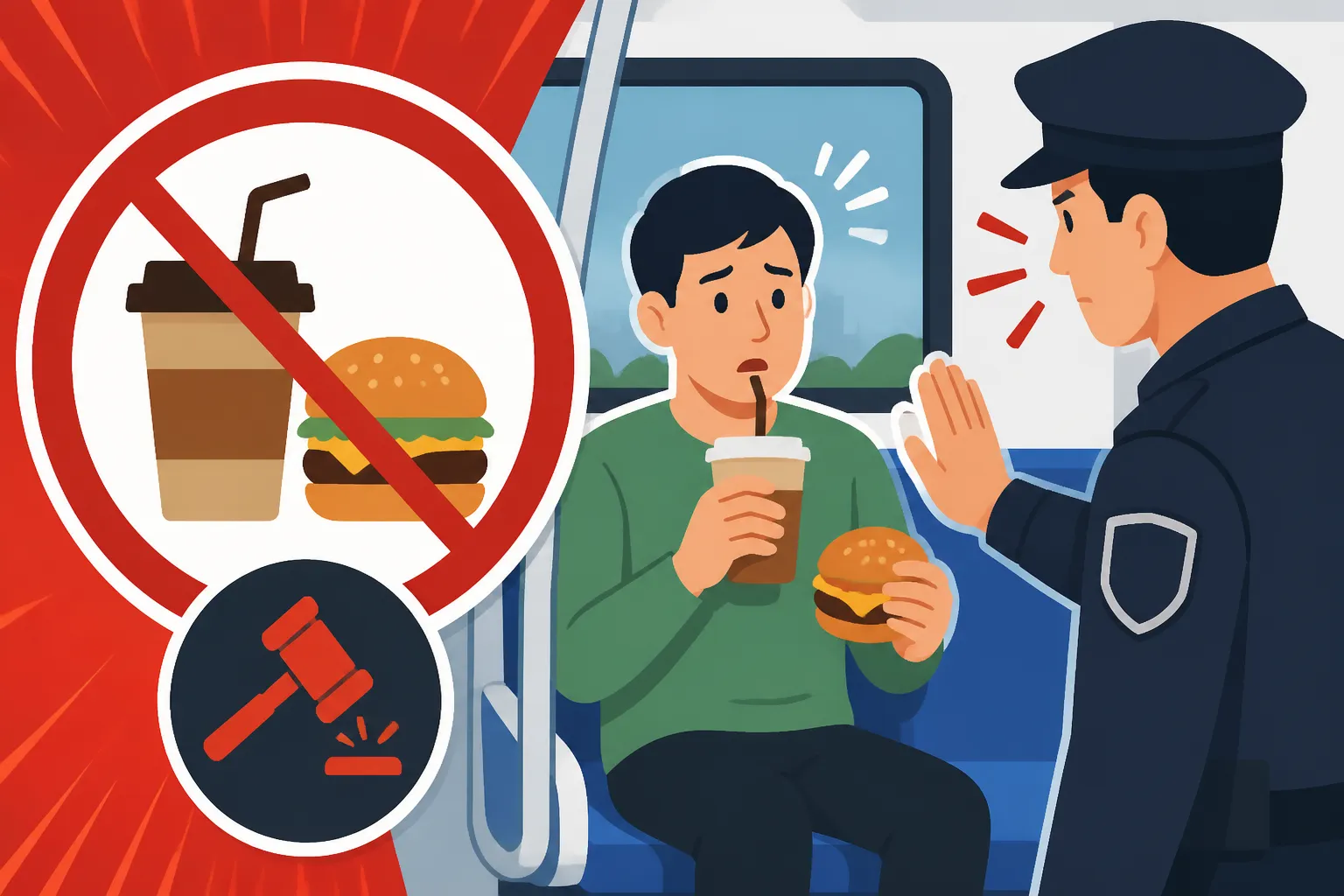
Let's cut right to the chase: The fine for eating or drinking in the MRT's fare-paid areas is a cool S$500. Yes, you read that right – five hundred Singapore dollars for a simple sip of water or a quick bite of a granola bar. This isn't a parking ticket; it's a significant deterrent. The rule applies to anything that could be considered consuming food or beverages. This includes, but is not limited to:
- Actual meals: Sandwiches, salads, hawker centre takeaways.
- Snacks: Chips, biscuits, fruit, candy.
- Beverages: Coffee, tea, juices, even plain water (though this is often a grey area, which we'll delve into).
- Chewing Gum: Singapore has famously strict rules regarding gum. While it's not illegal to possess gum (unless it's illicitly imported for sale), chewing gum on the MRT is strictly prohibited. If caught, you’re not just breaking the no-food rule; you're also potentially facing a littering fine if you dispose of it improperly.
Imagine you’re rushing to work, perhaps a bit late, and you bought a coffee from a cafe just outside the station. You take a quick sip as you tap your card and head through the fare gates, thinking nothing of it. Suddenly, a polite but firm MRT staff member or even a plainclothes officer steps forward, and before you know it, you're explaining yourself and potentially facing that S$500 fine. It's a jolt to the system and a very expensive lesson. This strictness is a core part of the Everyday Rules and Etiquette: Fines, Laws, and Social Norms you'll encounter here.
Beyond Cleanliness: The Deeper Reasons
While the obvious reason for the ban is to maintain Singapore's legendary cleanliness, there are several deeper, practical reasons why the rule is so rigorously enforced:
- Pest Control: Singapore is a tropical country. Food crumbs and spilled drinks are an open invitation to pests like rats, cockroaches, and ants. Keeping food out of the MRT system helps prevent infestations, which could quickly spiral out of control in such a confined environment. Nobody wants to share their commute with a family of rodents.
- Maintaining Air Quality: The MRT carriages are enclosed spaces with air conditioning. Strong food odours, especially from pungent local dishes, could quickly become unpleasant for other commuters. By banning food, they ensure a generally neutral and pleasant atmosphere for everyone.
- Preventing Spills and Stains: Imagine a packed train during rush hour. A sudden jolt, and someone's coffee spills onto another passenger's work clothes or school uniform. This could lead to arguments, delays, and a mess that needs cleaning, disrupting the smooth flow of services. Spills on floors also create slip hazards.
- Hygiene and Public Health: In a post-pandemic world, the emphasis on public hygiene is even greater. Preventing food consumption minimizes the spread of germs and keeps high-touch surfaces cleaner for all passengers.
- Preserving Infrastructure: Sticky residue, grease, and stains can damage train seats, floors, and equipment over time, leading to higher maintenance costs and a diminished passenger experience.
It’s about collective responsibility. By adhering to this rule, we all contribute to a cleaner, safer, and more pleasant commuting experience for the millions who rely on the MRT daily. It’s a small sacrifice to ensure the system remains top-notch, something that's particularly appreciated when you're navigating the Public Transport in Singapore: MRT, Buses, and Commuting Hacks during peak hours.
Enforcement and Common Misconceptions
The rules on the MRT aren't just for show. Singapore takes its public transport very seriously, and maintaining a high standard of comfort and hygiene is paramount. This means enforcement is a real thing, not just an empty threat.
How You Might Get Caught
You might wonder how they actually catch people in such a busy system. Well, it's a multi-pronged approach:
- CCTV Surveillance: The entire MRT network, from platforms to carriages, is blanketed with CCTV cameras. These cameras aren't just for security; they also monitor for rule infringements, including eating and drinking. What might feel like a discreet snack to you could easily be captured on camera.
- Uniformed and Plainclothes Staff: You'll see plenty of uniformed station staff and transit enforcement officers. They are trained to observe and intervene when rules are broken. Additionally, there are plainclothes officers who blend in with regular commuters, making it impossible to spot them until they approach you.
- Public Reporting (Less Common, but Possible): While less frequent for minor infractions like eating, the public in Singapore is generally quite civic-minded. If someone sees a blatant disregard for the rules, they might report it to staff, though it's more likely the staff will have already spotted it themselves.
Let's say you're a tourist, jet-lagged after a long flight, and you grab a bottle of soda at Changi Airport Guide: Navigating Terminals and Jewel for Frequent Flyers. You enter the MRT station, take a big swig, and suddenly a staff member is there, courteously explaining the rule. While discretion might sometimes allow a quick, almost imperceptible sip of water, openly consuming anything is a clear breach, and staff are empowered to issue fines on the spot. They aren't trying to be mean; they're just doing their job, enforcing regulations that uphold the system's integrity.
The Grey Areas: Water, Sweets, and Medications
This is where it gets interesting and where expats often express frustration. "Even water?" is a common question. Technically, yes, even water is a "drink." However, there's a practical leniency applied by many staff members, especially for a quick, discreet sip of plain water, particularly if someone appears unwell or genuinely thirsty.
- Plain Water: If you're parched, a very quick, unostentatious sip from a water bottle (ideally hidden from view as much as possible) might go unnoticed or be tolerated. But making a show of drinking, especially from a fancy coffee cup or a large bottle, is a definite no-no. It's about discretion. Don't push it.
- Cough Drops and Sweets: A cough drop or a small hard candy (like a mentos or tic-tac) that dissolves in your mouth, particularly if used for a cough or to freshen breath, is generally tolerated. It's not usually considered "eating" in the same way a bag of chips would be. However, chewing gum or larger, more conspicuous sweets should be avoided.
- Medication: Taking essential medication with a small amount of water is, of course, allowed and understood to be a medical necessity. No one will fine you for that. The key here is the purpose and the size of the "item" being consumed.
The golden rule of thumb for these "grey areas" is: be discreet, be quick, and if in doubt, don't. It's better to wait until you're out of the fare-paid area. For instance, if you're feeling a bit peckish and reach for a small snack, just imagine if everyone did the same. The system would quickly lose its pristine condition. This is part of the Surviving Culture Shock: Directness, Kiasu Culture, and Fast Pacing that many expats experience when they first move here.
Navigating Food & Drink Around the MRT
So, you're hungry or thirsty, and you absolutely cannot eat or drink on the MRT. What's an expat to do? Singapore's urban planning is incredibly thoughtful, and conveniences are usually just a stone's throw away. It’s all about planning a little ahead.
Station Conveniences and Designated Areas
The good news is that most MRT stations, especially the larger interchange stations and those in shopping mall basements, are designed with this rule in mind. You don't have to go far to find a legitimate spot to enjoy your food or drink.
- Before the Fare Gates: This is your best friend. Many MRT stations have retail spaces, convenience stores, cafes, and even small food kiosks before you tap your card at the fare gates. These areas are not considered "fare-paid," so you are free to enjoy your coffee, a pastry, or a quick meal there. For example, major hubs like Dhoby Ghaut, Raffles Place, or Jurong East often have extensive underground malls or direct connections to shopping centers where you can easily find food and drinks.
- Shopping Mall Connections: Singapore is a mall-lover's paradise, and many MRT stations are directly integrated with shopping malls. You can step out of the fare-paid area, pop into a food court or a cafe, enjoy your meal, and then re-enter the MRT system when you're done. Just remember that once you've tapped out, you'll need to tap in again and pay for a new journey if you're not within a transfer window.
- Hawker Centres and Coffee Shops: Beyond the malls, Singapore is famous for its hawker centres. There’s almost always a hawker centre, coffee shop, or kopitiam within a short walking distance of most MRT stations. These are fantastic places to grab an affordable and delicious meal or drink. Embrace the local food culture! If you’re concerned about hygiene, you can always check out Food Poisoning in Singapore: When to See a Doctor vs Rest at Home for peace of mind, but generally, hawker centres are very clean.
The key takeaway is to factor in time for eating and drinking before or after your journey within the fare-paid zones. If you're transferring between lines at a large station and have some time, consider exiting the fare gates (if your fare allows for it without double charging) and finding a quick snack in the concourse. Otherwise, simply wait until you reach your destination.
Beyond the Station: Embracing Singapore's Food Culture
While the MRT rules might seem restrictive, they also subtly encourage you to engage with Singapore's vibrant food scene outside of transport. Instead of quickly chugging a drink on a train, you're prompted to pause and enjoy a fresh kopi or teh tarik at a local coffee shop, or indulge in a plate of chicken rice at a bustling hawker centre.
Consider it an opportunity to slow down, even just for a few minutes. Singapore's climate often means you'll welcome a chance to duck into an air-conditioned cafe or a shaded hawker stall. This is part of the charm of living here – the city is designed for these kinds of easy transitions from transport to dining, to shopping, and back again. When planning a Weekend Getaways from Singapore: Bintan, Batam, and Johor Bahru, you'll find similar cultural nuances in public transport, so practicing the Singapore way helps prepare you for regional travel too!
Real Consequences and Practical Advice
The S$500 fine for eating and drinking on the MRT is not trivial. For most, it represents a significant portion of their monthly grocery bill or even a utility payment. It's a penalty that can genuinely sting, making it a powerful deterrent.
| Infringement | Fine (SGD) | Notes |
|---|---|---|
| Eating or Drinking on MRT/Bus | S$500 | This is broadly interpreted. Includes most beverages (even water if not discreet/medical) and all food items. Chewing gum also falls under this. |
| Littering | S$300 | If your food waste or drink container is disposed of improperly (e.g., leaving it on a seat or floor), it’s an additional fine. This aligns with Singapore's general Strict Laws: Chewing Gum, Littering, Jaywalking, and Smoking Zones. |
| Smoking | S$1,000 | While highly unlikely to occur on the MRT, smoking on public transport or within any covered pedestrian area is strictly prohibited. |
| Vandalism/Misuse of Property | Up to S$5,000 | More severe, but important to note the consequences of causing damage related to food/drink (e.g., deliberately spilling to damage seats). |
| Failure to Pay Fare / Misuse of Card | Up to S$1,000 | Not directly food-related, but also a common infringement on public transport. Always ensure you have sufficient funds on your card or use Using SimplyGo: Tapping Your Credit Card or Phone for Bus and Train Fares correctly. |
The Financial and Logistical Impact of a Fine
Beyond the financial hit, receiving a fine can also be a significant hassle. You'll likely need to interact with the authorities, potentially diverting your time from work or leisure. For expats, this can be even more stressful as you navigate an unfamiliar legal system and language nuances, even if English is widely spoken. It's a far cry from the minor inconveniences you might expect for such an act in other countries.
Remember, Singapore's system prioritizes order and collective well-being. The fines aren't just about punishment; they're about reinforcing societal norms that contribute to a high quality of life for everyone.
Cultivating the "Singapore Way"
Embracing the "no eating or drinking on the MRT" rule is a small but significant step in adapting to life in Singapore. It reflects a broader cultural value placed on public cleanliness, shared responsibility, and efficient systems. Rather than viewing it as an arbitrary restriction, try to see it as a contribution to the remarkably clean, safe, and pleasant environment that Singapore offers.
Once you get used to it, planning your food and drink consumption around your commute becomes second nature. You'll quickly find yourself appreciating the spotless carriages and the lack of lingering food smells, realizing that these small rules add up to a truly world-class public transport experience. It’s all part of understanding the local way, from business etiquette in Singapore Workplace Culture: Etiquette, Hierarchy, and Communication to the simple rules of the train.
Disclaimer
Please note that while this guide provides comprehensive information, rules and regulations in Singapore can be updated. It is always advisable to refer to the official websites of the Land Transport Authority (LTA) or relevant government agencies for the most current and authoritative information. This guide is for general informational purposes only and does not constitute legal advice.