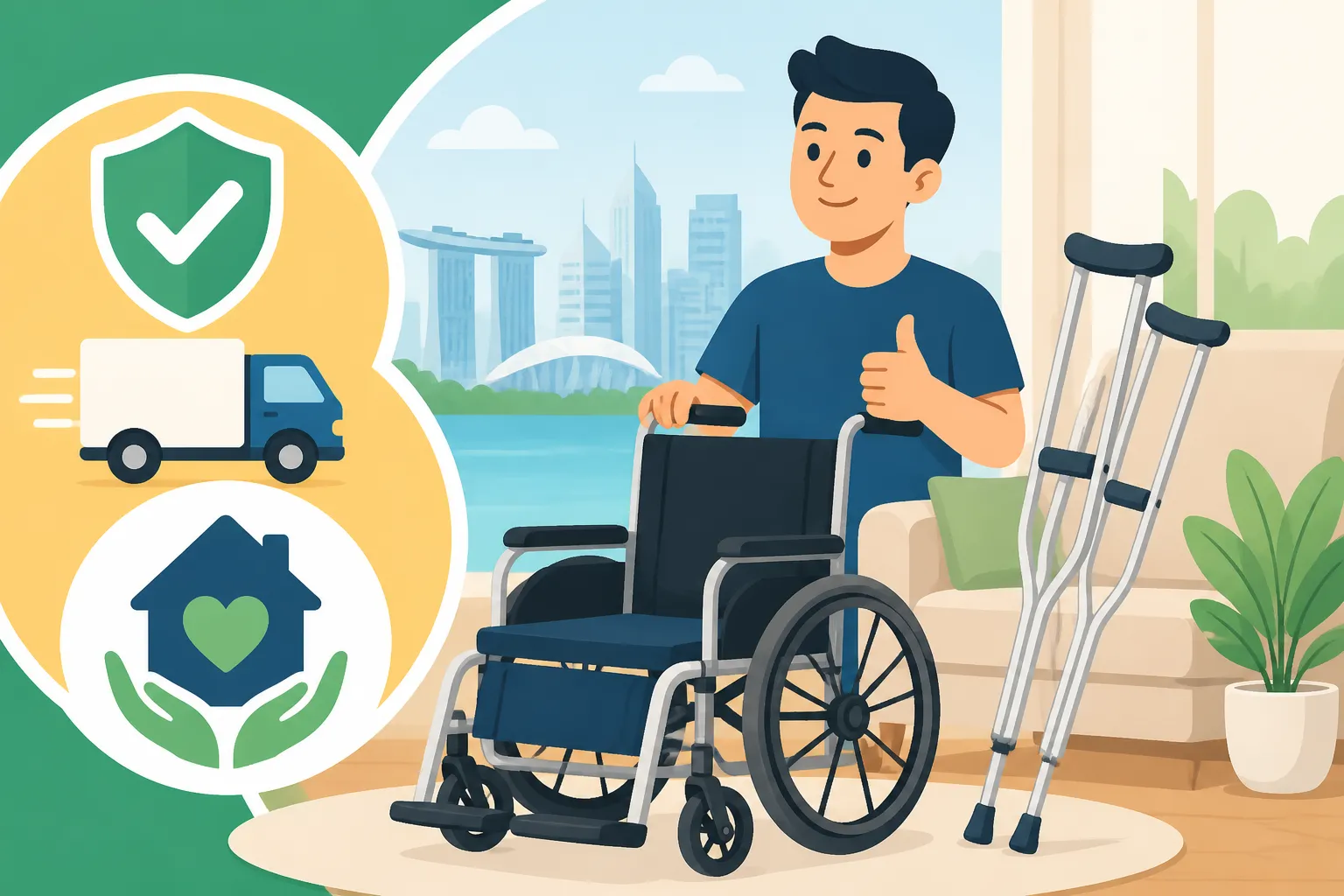
Buying Medical Equipment (Crutches, Wheelchairs) for Home Recovery
Navigating a sudden injury while living in a high-rise apartment in Singapore is a logistical nightmare that nobody warns you about. I remember the sheer panic when I tore my meniscus; suddenly, my beautiful but narrow condo hallway felt like a gauntlet and I had no idea where to find a wheelchair that wouldn't break the bank. This guide solves the "where, how, and how much" of acquiring medical equipment for your home recovery in the Lion City.
Navigating the Singapore Medical Equipment Market
The first thing you’ll realize when you need mobility aids in Singapore is that the market is surprisingly fragmented. You won't find a "one-stop-shop" for everything at your local neighborhood mall. Most expats start their journey in the pharmacies of Finding Medical Care: Hospitals, Polyclinics, and GP Networks. While hospital retail outlets are incredibly convenient—especially if you’ve just been discharged from Emergency Medical Care in Singapore: Ambulances and A&E Wards—they often carry a significant "convenience premium." You might pay 20% to 40% more for a pair of crutches at a private hospital than you would at a specialized warehouse.
If you have a few days to plan, I highly recommend looking at specialized medical supply hubs. Areas like Balestier and the industrial estates around Ubi are home to companies like RehabMart and The Golden Concepts. These showrooms allow you to actually test the equipment, which is vital because a wheelchair that looks great online might be far too wide for your HDB or condo doorway. If you are covered by a comprehensive plan like Cigna Global, you should check if they have a preferred list of providers, though in Singapore, you usually have the flexibility to buy from reputable retailers and seek reimbursement.
For those on a tighter budget or dealing with a very short-term injury (like a six-week fracture), the second-hand market is your best friend. Carousell is the go-to platform here. You can often find "like-new" wheelchairs and walkers from families who no longer need them. However, a word of caution: always inspect the rubber tips on crutches and the brakes on wheelchairs. In our humid climate, rubber can perish and become "gummy" or brittle if left in a storeroom for too long, which is a major safety hazard on the slick tiles common in Singaporean homes.
Essential Equipment for Home Recovery: What You Actually Need
When you’re first injured, the temptation is to buy everything the doctor mentions. But space is a premium in Singapore, and you don’t want your living room looking like a ward at Singapore General Hospital (SGH) and Public Hospital Access for Expats. Start with the basics: mobility aids. In Singapore, you generally choose between axillary (underarm) crutches and forearm crutches. Forearm crutches are often preferred by locals because they are easier to navigate in tight spaces like elevators and crowded MRT carriages.
If your recovery involves a long-term condition, such as Managing Chronic Conditions: Diabetes and Hypertension Care for Expats where mobility is permanently impacted, investing in a high-quality, lightweight aluminum wheelchair is non-negotiable. If you plan to continue using public transport, ensure the wheelchair is "SimplyGo" friendly—meaning it’s light enough for you or a caregiver to lift and meets the width requirements for bus ramps. For those with international coverage through providers like Cigna Global, these higher-end, ergonomic models are often partially or fully covered under the "Durable Medical Equipment" (DME) clause of your policy.
Beyond mobility, bathroom safety is the most overlooked aspect of home recovery. Singaporean bathrooms are notorious for being wet and slippery. A simple shower chair and a set of suction-cup grab bars can prevent a secondary injury. Just be careful with permanent fixtures if you are renting; always check your tenancy agreement before drilling into tiles. For medication management during this time, you can find basic pill organizers at Pharmacies and Medication in Singapore: Prescriptions and OTC Rules, but for high-end recovery equipment like hospital beds or oxygen concentrators, rental is almost always the better financial move.
| Equipment Type | Estimated Purchase Cost (SGD) | Estimated Weekly Rental (SGD) | Best For |
|---|---|---|---|
| Standard Aluminum Crutches | $35 – $60 | Not common | Short-term fractures (under 6 weeks) |
| Lightweight Manual Wheelchair | $180 – $450 | $30 – $50 | Post-surgery or long-distance mobility |
| Motorized Personal Mobility Aid | $1,200 – $3,500 | $100 – $150 | Long-term disability/Endurance issues |
| Adjustable Shower Chair | $45 – $90 | Not common | Post-hip or knee replacement |
| Hospital Bed (Manual/Electric) | $800 – $2,500 | $150 – $250 | Severe immobility/Palliative care |
Costs, Logistics, and Financial Planning for Recovery
The logistical side of medical equipment in Singapore can be tricky. Most specialized shops offer delivery, but if you're buying second-hand from Carousell, you'll likely need to arrange your own transport. Standard ride-hailing apps like Grab have a "GrabAssist" option specifically designed for passengers with mobility devices, which is a lifesaver if you need to transport a folding wheelchair and yourself to a follow-up appointment. For moving larger items like a hospital bed or a heavy-duty recliner, Lalamove or GogoX are the most efficient ways to handle the "last mile" delivery to your doorstep.
Managing the costs requires a strategic look at your Healthcare Budgeting in Singapore: Managing Out-of-Pocket Costs. Many expats assume their standard corporate insurance covers everything, but "Durable Medical Equipment" is often a separate sub-limit or an optional add-on. If you are using a more flexible, expat-focused plan like SafetyWing, you should keep all original receipts and a signed doctor’s memo stating the equipment is "medically necessary." This memo is the golden ticket to getting your claim approved. SafetyWing and similar providers usually require the diagnosis code to match the equipment prescribed, so don't leave the clinic without that paperwork.
If you are paying out-of-pocket, keep an eye on Out-of-Pocket Limits: Protecting Your Savings from Hospital Bills. Sometimes, it is actually cheaper to buy the equipment from a neighbor or a community group than to pay the "rental deposit" and "delivery fee" from a professional medical supply company. Also, don't forget about the "hidden" costs like replacement rubber tips for crutches or specialized cleaning solutions for seat cushions. These small expenses add up, especially if your recovery period stretches from weeks into months. For those with premium plans through Mount Elizabeth, Gleneagles, and Raffles: Premium Private Hospitals, check if the hospital’s concierge service can arrange the rental for you; they often have partnerships that include free delivery and setup within a 10km radius.
Finally, consider the "exit strategy" for your equipment. Once you're back on your feet, what do you do with a bulky walker in a 700-square-foot apartment? Many expats donate their equipment to local charities like the Red Cross or the Thye Hua Kwan Moral Charities. Not only does this clear your space, but it also helps those in the local community who may not have the same access to high-end insurance or personal funds. Navigating recovery is as much about mental space as it is physical mobility, and clearing out the "reminders" of your injury is a great way to celebrate your return to health while taking advantage of Public Transport in Singapore: MRT, Buses, and Commuting Hacks once again.
Medical Disclaimer
This guide is for informational purposes only and does not constitute professional medical or legal advice. Always consult with a qualified healthcare provider or a licensed physician before purchasing or using medical equipment. Equipment should be fitted and demonstrated by a professional to ensure safety and prevent further injury. The author and publisher are not responsible for any incidents arising from the use of the information or brands mentioned in this article. Check with your specific insurance provider regarding coverage and reimbursement eligibility for medical equipment.