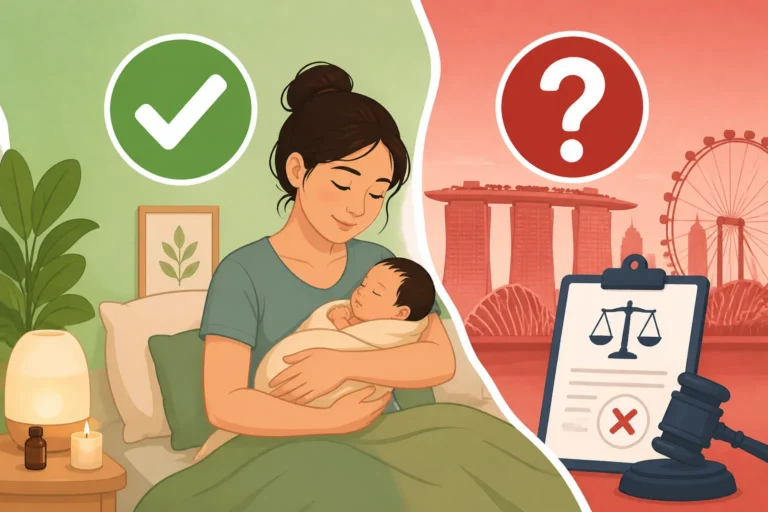
How to Get Prescribed Antidepressants or ADHD Medication
Navigating the mental healthcare system in a high-pressure environment like Singapore can feel like an impossible maze when you are already struggling with your internal balance. I remember sitting in my first small rental apartment, heart racing, wondering if bringing my regular meds would get me in trouble or if a local doctor would even listen. This guide solves exactly how to secure prescriptions for antidepressants or ADHD medication safely, legally, and without the unnecessary administrative stress.
Understanding the Regulatory Landscape for Psychiatric Meds
Before you even book an appointment, you need to understand that Singapore takes its "zero tolerance" reputation very seriously, even when it comes to legitimate medicine. The Health Sciences Authority (HSA) regulates every pill that crosses the border. While most common antidepressants like SSRIs (Lexapro, Zoloft, or Prozac) are widely available and relatively easy to obtain, ADHD medications—specifically stimulants like Ritalin, Concerta, or Vyvanse—fall under a much stricter category. These are considered controlled substances because of their potential for misuse.
If you are just arriving, your first hurdle is often the physical supply. You cannot simply ship a six-month supply of Concerta to your new office. You are generally allowed to bring a one-month supply of most medicines for personal use, but for anything categorized as a controlled drug, you must apply for an HSA permit at least ten working days before you land. If you fail to do this, you risk having your medication confiscated at Changi Airport, or worse, facing legal questioning. Understanding Bringing Prescription Medication into Singapore: HSA Approval Rules is the first step for any newcomer.
Once you are on the ground, your foreign prescription holds almost no weight at a local pharmacy. You cannot walk into a Guardian or Watsons with a script from London or New York and expect them to fill it. You must establish a relationship with a Singapore-registered physician who will then issue a local prescription. This process involves a formal consultation, a review of your medical history, and often a new diagnostic assessment, especially for ADHD.
Choosing Between Private Psychiatrists and Public Hospitals
One of the biggest shocks for expats is the price and speed of the healthcare system here. You have two main routes: the public system (Restructured Hospitals like IMH or SGH) and the private sector. The path you choose depends entirely on your budget and how much time you have.
The public route is significantly cheaper but can be a nightmare for someone in an immediate mental health crisis. To access subsidized rates, you usually need a referral from a polyclinic. However, as an expat, you aren't eligible for the same subsidies as citizens, so you might find yourself paying "non-resident" rates that aren't much lower than private clinics, while waiting three to five months for an appointment. If you are struggling with Workplace Burnout and Stress: Seeking Medical Leave for Mental Health, waiting a quarter of a year for a script isn't a viable solution.
Private psychiatrists, on the other hand, can usually see you within a week. In areas like Orchard or Novena, you will find world-class specialists who are very familiar with the expat experience. The downside? A single consultation can range from S$250 to S$500, and that doesn't include the cost of the medication itself. This is where having premium coverage like Cigna Global becomes a lifesaver. Without a robust policy, the monthly cost of ADHD stimulants and a therapy session can easily eat a S$700 hole in your monthly budget. For those on more flexible or short-term arrangements, SafetyWing provides a reliable safety net, though you must always check the specific terms regarding pre-existing mental health conditions.
The Step-by-Step Process for Getting Your Prescription
To get your meds, you need to follow a specific "Singaporean way" of doing things. Skipping steps only leads to more paperwork and frustration.
Step 1: Gather Your History
Do not show up empty-handed. Singaporean doctors are professionally cautious. If you are seeking ADHD medication, bring your original diagnostic report from your home country. If you are seeking antidepressants, a summary letter from your previous psychiatrist explaining your dosage, duration of treatment, and any side effects is essential. If you don't have this, the doctor may insist on a full re-evaluation, which can take multiple sessions and cost thousands of dollars.
Step 2: Book a Consultation
You can either visit a General Practitioner (GP) or go straight to a Psychiatrist. GPs can prescribe most common antidepressants, but they are often hesitant to manage long-term psychiatric care. For ADHD meds, most GPs are legally unable to prescribe stimulants; you must see a psychiatrist. If you are unsure where to start, Choosing a Primary Care Physician (GP) in Singapore is a good way to find a "gatekeeper" who can refer you to a trusted specialist.
Step 3: The Consultation and Diagnosis
Expect the first session to be thorough. The doctor will ask about your lifestyle, your stress levels in Singapore, and your history with the medication. Be honest about your needs. If you have been on the same dose of Lexapro for five years and it works, tell them. If you are looking for Mental Health in Singapore: Counseling, Psychiatry, and Expat Support, this is also the time to ask for a psychologist referral, as many psychiatrists in Singapore focus primarily on clinical "medication management" rather than talk therapy.
Step 4: Collecting Your Medication
In Singapore, most clinics have an in-house dispensary. You won't usually go to a separate pharmacy. After your consultation, you pay at the front desk and receive your meds right there. This is convenient but also means you pay the clinic's markup. Always ask for a detailed receipt so you can How to Claim Medical Expenses from International Insurance Providers later.
Comparison of Mental Health Care Options
| Feature | Public Hospitals (e.g., IMH, SGH) | Private Specialist Clinics |
|---|---|---|
| Wait Time | 2 to 5 months | 1 to 7 days |
| Consultation Cost | S$100 – S$200 (Non-resident) | S$250 – S$500+ |
| Medication Price | Generally lower / Hospital rates | Market rates / Higher markups |
| Privacy | High, but records are in the public hub | High, completely private |
| Continuity of Care | May see different doctors | Same doctor every visit |
Navigating the Challenges of ADHD Medication
Getting ADHD medication in Singapore is notoriously more difficult than getting antidepressants. Because stimulants are "controlled," the doctor has to keep meticulous records of every milligram dispensed to you.
There is often a "trial period" for new patients. Even if you were on a high dose of Adderall back home (note: Adderall is actually not available in Singapore; you will likely be switched to Ritalin or Concerta), the local doctor might start you on a lower dose to see how you adjust to the tropical climate and local lifestyle. This can be incredibly frustrating when you have a high-stakes job and need to focus. You have to play the game: take the lower dose, report back in two weeks, and gradually work with the doctor to find the right level.
Furthermore, supply chain issues occasionally hit the Red Dot. There have been months when Concerta was out of stock across half the island. During these times, having a good relationship with a private clinic is vital because they will often call around to other branches to find your supply. If you are worried about costs during these transitions, having a plan like Cigna Global ensures that you can afford the brand-name versions when the generics are unavailable.
Managing Costs and Insurance Coverage
The "out-of-pocket" culture in Singapore can be a shock. Many local corporate insurance plans have very low limits for mental health—some as low as S$500 per year, which won't even cover your first two visits. If you are currently negotiating a contract, you must Understanding Your Employer’s Medical Benefits Package Before Signing to see if psychiatric care is excluded.
For many of us, the solution is a personal international policy. Brands like SafetyWing are excellent for the younger, more mobile expat who needs basic coverage and the ability to see a doctor quickly. However, for long-term residents or those with families, Cigna Global offers the kind of comprehensive mental health modules that cover both the psychiatrist and the ongoing cost of medication.
Remember that most insurers have a "waiting period" for pre-existing conditions. If you are already on antidepressants when you sign up, they may not cover the costs for the first 12 to 24 months. This is why many expats choose to pay out-of-pocket for their mental health while using their insurance for everything else. It is a bitter pill to swallow, but it's the reality of Healthcare Budgeting in Singapore: Managing Out-of-Pocket Costs.
Transitioning from Foreign Prescriptions to Local Care
If you are just about to move, the best thing you can do is request a 3-month medical summary and a copy of your most recent blood tests or ECGs (often required before starting ADHD meds). When you arrive, don't wait until your last three pills to find a doctor. Start the process in your first week.
You should also check Pharmacies and Medication in Singapore: Prescriptions and OTC Rules to see if any of your other supplements or over-the-counter aids are restricted. For example, melatonin was once strictly prescription-only here, and while rules have relaxed, dosage limits still apply.
If you find yourself in an immediate crisis and your meds have run out, do not wait for a specialist appointment. Go to the A&E (Accident & Emergency) at a hospital like Mount Elizabeth or Gleneagles if you have good insurance, or the Emergency Services at the Institute of Mental Health (IMH). They can provide emergency stabilization and a short-term supply of medication. Knowing how Emergency Medical Care in Singapore: Ambulances and A&E Wards works can save your life in these high-stress moments.
Confidentiality and Workplace Concerns
A question I get asked constantly is: "Will my boss find out I'm on antidepressants?" In the private sector, medical confidentiality is strictly guarded. Your employer does not have a right to your specific medical records or the names of the medications you are taking. However, if you use the company's direct-billing insurance, the HR department might see that you visited a "Psychiatric Specialist," though they won't see the diagnosis.
If privacy is your utmost concern, paying cash at a private clinic and not claiming it through the company is the way to go. You can also look into Are Mental Health Records Confidential from Employers in Singapore? for a deeper dive into the legal protections available to you. Singapore is slowly becoming more progressive regarding mental health, but the "stigma" still exists in certain traditional industries, so being "kiasu" (careful/afraid to lose out) with your privacy is a common expat strategy.
Lastly, make sure you have your Singpass set up as soon as you get your FIN card. This allows you to use the HealthHub App as a Foreigner with Singpass, where you can track your appointments and sometimes even request prescription refills from certain public institutions. It's one of those digital perks that makes living in this futuristic city a little bit easier once you've jumped through the initial hoops.
Disclaimer
This guide is intended for informational purposes only and does not constitute professional medical or legal advice. Healthcare regulations and medication availability in Singapore can change frequently. Always consult with a qualified medical professional registered with the Singapore Medical Council and refer to the latest guidelines from the Health Sciences Authority (HSA) and the Ministry of Manpower (MOM) before making any decisions regarding your treatment or the importation of medication.