Accessing Support Groups and Hotlines for Expats in Distress
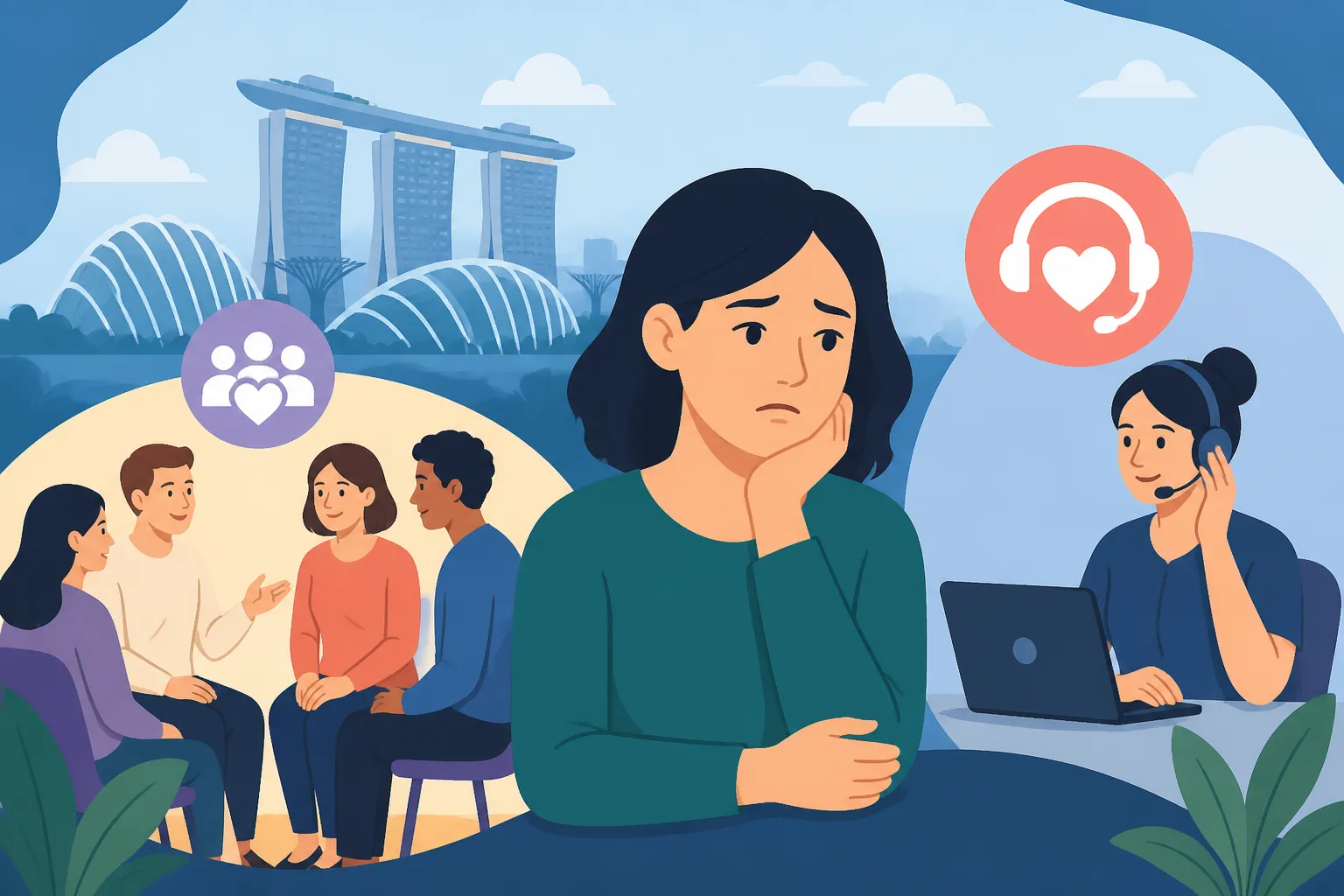
Moving to a hyper-efficient city like Singapore often feels like a dream until the "Expat Blues" hit and you realize your support system is thousands of miles away. I remember sitting in my first apartment in River Valley, surrounded by unpacked boxes and an overwhelming sense of isolation that no amount of fancy rooftop cocktails could fix. This guide provides a lifeline by detailing the specific hotlines, support groups, and professional networks available to foreigners navigating mental health crises or emotional distress in the Little Red Dot.
Immediate Crisis Intervention and Emergency Hotlines
When you are in the middle of an emotional tailspin, the last thing you want to do is navigate a complex government website. In Singapore, the primary resource for immediate, anonymous emotional support is the Samaritans of Singapore (SOS). They operate a 24-hour hotline that is specifically trained to handle suicide prevention and severe emotional distress. Unlike some general emergency lines, the volunteers here understand the unique pressures of the Singaporean lifestyle, including the high-intensity work culture and the specific "fish-out-of-water" feeling many expats experience.
If your distress is escalating into a psychiatric emergency where you or someone else might be at risk, you need to know the difference between the available emergency services. While most people instinctively think of the police, for medical and psychiatric crises, you should be looking at Emergency Numbers: Calling 995 for Ambulance and 999 for Police. Calling 995 will connect you with the Singapore Civil Defence Force (SCDF) paramedics who can transport you to the nearest hospital. For psychiatric-specific emergencies, the Institute of Mental Health (IMH) in Hougang has a dedicated 24-hour crisis helpline and an emergency room specifically for mental health.
It is worth noting that for non-life-threatening but urgent mental health situations, many private hospitals like Mount Elizabeth or Gleneagles offer a more discreet environment, though at a significantly higher price point. If you are covered by a comprehensive international plan like those offered by Cigna Global, these private A&E visits may be partially or fully covered, allowing you to bypass the often crowded public triage systems. For those who are between more permanent insurance solutions or are working as digital nomads, having a plan like SafetyWing can provide a necessary safety net for unexpected medical emergencies, ensuring that a mental health crisis doesn't lead to a financial one.
| Service Name | Phone Number | Focus Area | Operating Hours |
|---|---|---|---|
| Samaritans of Singapore (SOS) | 1-767 | Suicide Prevention & General Distress | 24/7 |
| IMH Mental Health Helpline | 6389-2222 | Psychiatric Crisis & Clinical Support | 24/7 |
| AWARE Helpline | 1800 777 5555 | Women’s Support & Trauma | Mon-Fri, 10am-6pm |
| National Care Hotline | 1800 202 6868 | Emotional Support & Anxiety | 24/7 |
| ComCare | 1800 222 0000 | Financial & Social Assistance | 24/7 |
Professional Counseling and Expat-Centric Therapy
Once the immediate crisis has passed, the real work of adjustment begins. Singapore has a robust private counseling sector that caters specifically to the international community. Many expats prefer private clinics because they employ internationally trained therapists who understand the nuances of the "trailing spouse" experience, third-culture kids, and the specific pressures of the Workplace Burnout and Stress: Seeking Medical Leave for Mental Health cycle that is so common in the local finance and tech hubs.
Centers like The Counseling Place or SACAC Counseling are well-known in the expat community for their diverse staff. You can often find therapists who speak multiple languages and have lived in the same regions you are from, which significantly lowers the barrier to effective communication. When searching for a provider, look into Finding English-Speaking and Internationally Trained Doctors to ensure that your therapist’s clinical approach aligns with what you would expect back home.
The cost of private therapy in Singapore can be steep, often ranging from S$180 to S$350 per hour. This is where your insurance coverage becomes critical. Before booking your first session, it is vital to understand Accessing Therapy in Singapore: Confidentiality and Insurance Coverage. Many corporate plans provided by local employers have very limited mental health buckets. If you find your local coverage lacking, supplemental international policies from Cigna Global are frequently used by long-term expats to ensure they have access to private psychiatric care without the massive out-of-pocket burden. For younger expats or those on shorter assignments, SafetyWing offers a flexible alternative that can help bridge the gap during your initial Expat Health Checklist for the First 30 Days in Singapore.
Specialized Support Groups and Community Networks
Sometimes, a professional therapist isn't what you need—you just need to talk to someone who has been where you are. Singapore has a variety of niche support groups that provide a sense of community that is often missing for newcomers. For women, AWARE (Association of Women for Action and Research) provides a helpline and support services that are invaluable for those dealing with marital distress, domestic issues, or workplace discrimination. They are deeply integrated into the local legal and social framework, making them a powerful ally if your distress is rooted in a specific situational conflict.
For those struggling with the unique isolation of being a trailing spouse, organizations like the American Women’s Association (AWA) or the Australia and New Zealand Association (ANZA) offer more than just social coffee mornings. They often have peer-led support subgroups for "New to Singapore" transitions, which can be a literal lifesaver during those first six months when the novelty of the tropical heat wears off and reality sets in. These groups help normalize the feelings of loss of identity that often accompany a move for a partner's career.
If your distress is linked to more clinical or long-term challenges, there are also dedicated groups for specific conditions. Club HEAL and Caregivers Alliance Limited (CAL) provide incredible support for those living with mental health conditions or for the family members supporting them. Navigating the Singapore Healthcare System for Expats: Complete 2027 Guide can be overwhelming when you are also managing a chronic mental health condition, and these peer groups offer the "inside track" on which doctors are the most empathetic and which A&E Departments: Triage Systems and Payment at Public vs Private Hospitals are best equipped for psychiatric admissions.
Navigating Workplace Stress and Legal Protections
A significant portion of expat distress in Singapore stems from the intense professional environment. The "always-on" culture can quickly lead to severe anxiety and depression. It is a common fear among foreigners that seeking help will get back to their employer and jeopardize their Employment Pass. It is important to know that while Singapore’s medical records are centralized via the National Electronic Health Record (NEHR), there are strict privacy laws governing who can access your psychiatric data.
If you find yourself needing to take time off due to mental health, you are legally entitled to use your paid sick leave, provided you have a valid Medical Certificate (MC) from a registered doctor. Many expats choose to visit a private General Practitioner (GP) first to discuss their symptoms. Understanding Expat Health Insurance in Singapore: Public vs Private Coverage is essential here, as some private clinics offer more discreet "Executive Wellness" checks that can include mental health screenings as part of a general physical, which can feel less stigmatizing for those worried about their professional reputation.
Furthermore, if your distress is caused by workplace harassment or unfair treatment, the Tripartite Alliance for Fair and Progressive Employment Practices (TAFEP) provides a framework for reporting and mediation. Knowing that you have rights as a foreign worker can significantly reduce the feeling of helplessness that often fuels emotional distress. Even if you are worried about the future of your role, having a robust international insurance policy like Cigna Global ensures that even if you lose your job and your corporate coverage, you can maintain your therapy and psychiatric appointments under a personal plan that isn't tied to your employer.
Digital Resources and Telehealth for Discreet Support
The landscape of mental health support in Singapore has shifted heavily toward digital-first solutions. This is particularly useful for expats who may live in smaller condo units or high-density HDB areas where they feel their privacy is limited. Telehealth apps such as WhiteCoat, Speedoc, and Doctor Anywhere now have dedicated mental health wings where you can speak with a psychologist or psychiatrist via a secure video link from the comfort of your home.
This digital approach is often the first step for many who are hesitant to walk into a clinic in neighborhoods like Orchard or Tanglin where they might bump into colleagues. These apps also allow for easier prescription management. If you are already on medication, you can often have your refills delivered to your door, though you should check the rules on Pharmacies and Medication in Singapore: Prescriptions and OTC Rules to ensure your specific medication is available locally.
For those who travel frequently for regional business, having access to global mental health support is a must. This is where SafetyWing shines, as it is designed for people who are constantly moving and need a "home base" for their medical needs that follows them across borders. Whether you are dealing with a panic attack in a hotel room in Jakarta or feeling the weight of loneliness in a service apartment in Singapore, digital resources ensure that a supportive voice is only a few taps away.
Regulatory and Legal Disclaimer
The information provided in this guide is for educational and informational purposes only and does not constitute medical, legal, or professional advice. Mental health situations can be complex and life-threatening; if you are in immediate danger, please contact local emergency services at 995 or go to the nearest Accident and Emergency department immediately. While every effort has been made to ensure the accuracy of the information provided, healthcare regulations and service availability in Singapore can change. Always verify the credentials of any healthcare provider and consult with a qualified professional regarding your specific health needs or insurance coverage details. The author and publisher are not liable for any actions taken based on the content of this article.