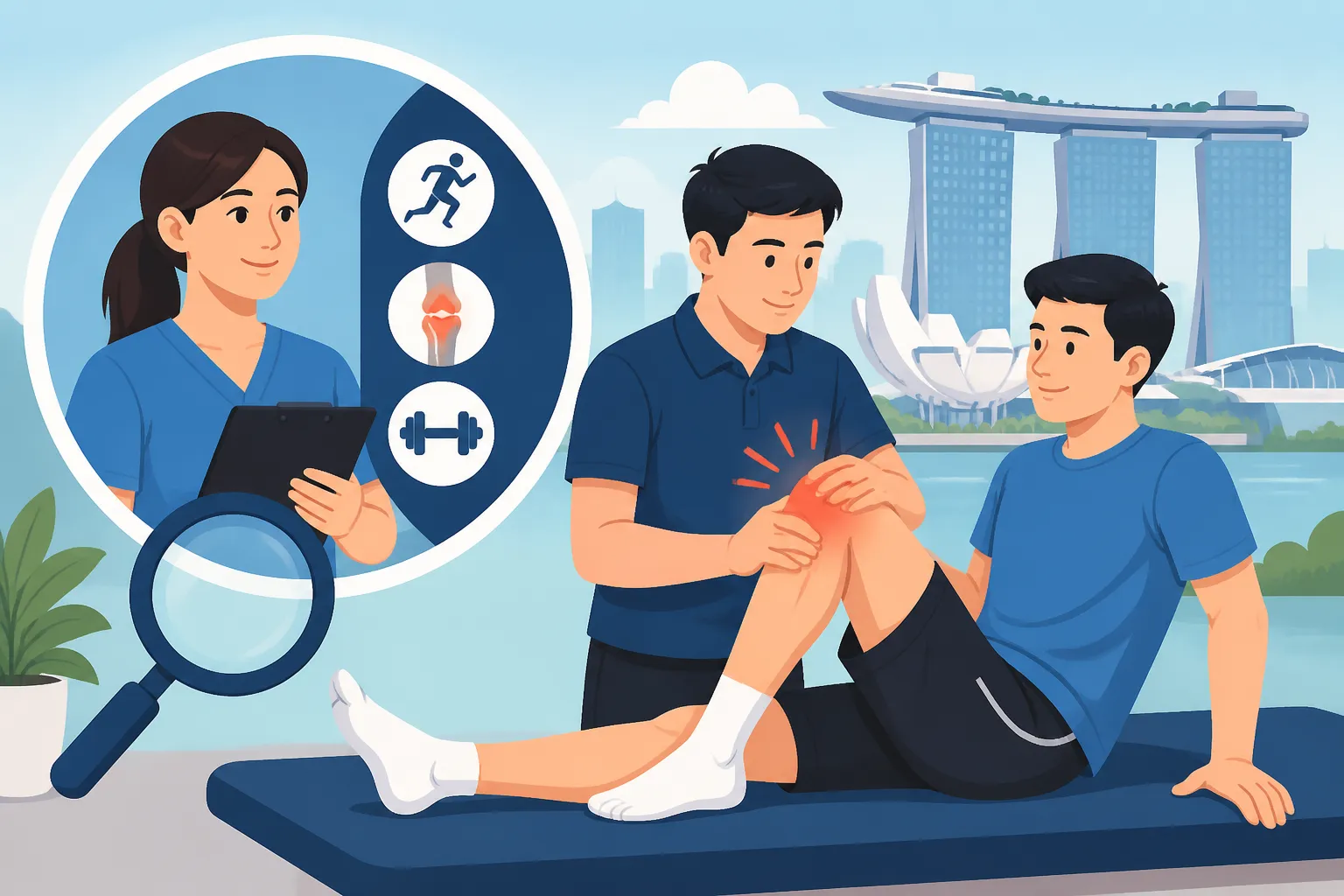
Finding an English-Speaking Physiotherapist for Sports Injuries
Nothing ruins a Saturday morning faster than hearing a sudden, sickening "pop" in your knee while jogging along the East Coast Park connector. I remember hobbling back to my condo three years ago, desperately googling clinics while trying to manage the swelling, only to realize I had no idea how the local system prioritized sports rehab. This guide solves that confusion, walking you through the steps to find a world-class, English-speaking physiotherapist in Singapore who understands your specific athletic goals.
The Importance of Finding a Sports-Specific Physiotherapist
While Singapore’s general medical standards are among the highest in the world, sports injuries require a different level of nuance than general geriatric or post-operative care. If you are an expat who spends their weekends cycling at Seletar or playing competitive football in an expat league, you need a clinician who speaks your language—both literally and figuratively.
In Singapore, English is the primary language of instruction and administration, so finding an English-speaking therapist isn't the challenge. The real task is finding one who can communicate complex biomechanical issues without a linguistic or cultural disconnect. You want someone who understands the "why" behind your training and isn't just going to tell you to "stop running for six months."
A specialized sports physiotherapist will focus on "Return to Play" protocols. They won't just treat the pain; they will look at your gait, your footwear, and your training load. This is vital in a city-state where the heat and humidity can drastically change how your body recovers from inflammation. When I dealt with my own torn meniscus, I realized that having a therapist who could explain the mechanics of the injury in plain English allowed me to stay mentally focused during the long months of rehab.
Navigating the Public vs Private Healthcare Divide
When you first get injured, you have two main paths in the Singapore Healthcare System for Expats: Complete 2027 Guide. Understanding these paths is crucial for both your recovery timeline and your wallet.
The Public Route via Polyclinics
If you are looking to save money and have a valid work pass, you could technically start at a government polyclinic. You would see a General Practitioner (GP) and request a referral to a physiotherapist at a public hospital like the Singapore General Hospital (SGH).
The pros are significant cost savings. The cons, however, are the wait times. You might wait weeks for an initial assessment, and you generally cannot choose your specific therapist. For an acute sports injury where early intervention is key, this delay can be frustrating. Furthermore, the public system is often stretched thin, meaning your sessions might be shorter and less frequent than what is required for high-performance sports rehab. You can learn more about this in our guide on Polyclinics vs Private Clinics: Waiting Times and Cost Differences.
The Private Clinic Advantage
Most expats in Singapore opt for private physiotherapy clinics. These are often located in the CBD, Orchard Road, or the Bukit Timah area. These clinics allow for same-day or next-day appointments, which is essential for managing acute trauma.
In a private setting, you get 1-on-1 attention for 45 to 60 minutes. Many of these clinics are founded by Australian, British, or American-trained therapists who are familiar with the specific sports common in the expat community, such as rugby, cricket, and triathlon training. If you have comprehensive coverage through a provider like Cigna Global, the costs of these premium private sessions are often largely covered, allowing you to focus on the exercises rather than the invoice.
Where to Look: Top Neighborhoods for Sports Physio
Singapore is small, but when you are on crutches, the "last mile" of your commute matters.
CBD and Raffles Place
For those working in finance or law, the CBD is home to high-end clinics that cater to the "white-collar athlete." These clinics often open as early as 7:00 AM to accommodate pre-work sessions. They are equipped with the latest technology, including shockwave therapy and AlterG anti-gravity treadmills.
Orchard and Tanglin
This area is the hub for private medical excellence. You will find many clinics located within or near Mount Elizabeth, Gleneagles, and Raffles: Premium Private Hospitals. These therapists often work closely with the city’s top orthopedic surgeons, making the transition from surgery to rehab seamless.
Bukit Timah and Novena
Bukit Timah is the heart of the "active expat" residential zone. Clinics here are often more spacious and may even have outdoor areas for running drills. Novena is another medical powerhouse, specifically the Novena Specialist Center, where you can find therapists specializing in pediatric sports injuries—essential if your child is injured during school sports.
Evaluating Qualifications and AHPC Registration
Before you book an appointment, you must verify that the therapist is registered with the Allied Health Professions Council (AHPC) in Singapore. This is the statutory board that governs the professional conduct and registration of physiotherapists.
What to Look For in a Bio
When browsing clinic websites, look for therapists who hold a "Sports Physiotherapy" specialization or are "Titleist Performance Institute" (TPI) certified if you are a golfer. Many English-speaking therapists in Singapore have degrees from the University of Queensland, Curtin University, or King's College London. This international training ensures they are up to date on global best practices for ACL reconstruction rehab, rotator cuff tears, and chronic lower back pain.
Language Nuances
While nearly everyone in the medical field speaks English, you should ensure the clinic’s administrative staff is also fluent and responsive. If you are coordinating with a provider like SafetyWing for a claim, you want a clinic that can provide detailed medical reports in clear English to avoid delays in reimbursement.
Understanding the Costs of Private Physiotherapy
Budgeting for rehab is a major part of Healthcare Budgeting in Singapore: Managing Out-of-Pocket Costs. Prices can vary significantly based on the seniority of the therapist and the equipment used.
| Service Type | Estimated Cost (SGD) | Duration |
|---|---|---|
| Initial Assessment (Principal Physio) | $220 – $280 | 60 mins |
| Follow-up Session | $180 – $230 | 45 mins |
| Senior/Lead Physiotherapist | $250+ | 45-60 mins |
| Specialized Tech (Shockwave/Dry Needling) | +$30 – $50 | Per session |
Most private clinics operate on a pay-and-claim basis. You will pay at the counter and then submit your receipt to your insurance. Ensure the receipt includes the therapist's AHPC registration number and a clear breakdown of the treatment provided. If you are worried about high costs, check if your plan has Out-of-Pocket Limits: Protecting Your Savings from Hospital Bills.
The Role of Insurance and Referrals
A common question among newcomers is: "Do I need a doctor's referral to see a physiotherapist?"
The answer depends on your insurance policy, not Singapore law. You can legally walk into any private physiotherapy clinic in Singapore without a referral. However, many insurance plans, including some tiers of Cigna Global, require a referral from a GP or an Orthopedic Specialist to "activate" your physiotherapy benefits.
If you bypass this step, you might find your claim rejected. It is generally advisable to visit a GP first to get a formal referral. Not only does this ensure your insurance is valid, but it also helps in Choosing a Primary Care Physician (GP) in Singapore who can oversee your holistic recovery. If you are an international traveler or a digital nomad using SafetyWing, double-check your policy wording regarding "chronic" vs "acute" injuries, as sports injuries often fall into a grey area if they are deemed repetitive strain.
What to Expect During Your First Appointment
Your first session is primarily diagnostic. A good English-speaking physiotherapist will spend a significant amount of time talking to you about your injury history, your workout routine, and your lifestyle.
The Physical Assessment
Expect to be moved around. The therapist will test your range of motion, muscle strength, and ligament stability. If you have had imaging done, such as an MRI or X-ray at one of the Mount Elizabeth, Gleneagles, and Raffles: Premium Private Hospitals, bring the digital reports or the CD with you.
The Treatment Plan
By the end of the first hour, you should have a clear roadmap. This should include:
- A diagnosis in plain English.
- The estimated number of sessions required.
- A "Home Exercise Program" (HEP).
- Clear milestones for when you can return to specific activities.
If a therapist suggests an indefinite number of sessions without clear goals, don't be afraid to ask for a second opinion. You have Managing Medical Disputes: Patient Rights and Filing Complaints as a framework, but usually, a simple, direct conversation about your expectations is enough.
Integrating Physical Therapy into Your Expat Life
Recovery in Singapore can be challenging due to the lifestyle. We walk a lot in MRT stations, deal with high humidity that can increase joint stiffness, and often have high-stress jobs that lead to poor posture.
Your physiotherapist should help you adapt. For instance, if you are struggling with a "desk job" related injury, they might suggest ergonomic changes for your home office. If you are training for the Singapore Marathon, they will likely discuss heat acclimatization and hydration strategies alongside your muscle rehab.
Many clinics also offer "Tele-physio" sessions. These are great if you are traveling for work but need to check in on your progress. It’s also a cost-effective way to ensure you are doing your exercises correctly without paying the full in-clinic fee. You can find more about these options in our guide on How to Claim Medical Expenses from International Insurance Providers.
Specialized Sports Injuries Common in Singapore
Given our climate and the popularity of certain sports, there are specific injuries that English-speaking physios here see most often.
- Padel and Tennis Injuries: With the explosion of Padel courts in Singapore, "Padel Elbow" and calf strains are becoming incredibly common.
- Cycling Biomechanics: Many expats take up road cycling. Issues with saddle height or cleat position often lead to chronic knee pain that requires a physio who understands bike fitting.
- Running Overuse: Training on concrete paths like the Rail Corridor can lead to shin splints and plantar fasciitis.
- Golf-Related Back Pain: The high number of golf enthusiasts in the expat community means many clinics specialize in rotational spinal mobility.
If your injury is severe, you might find that Specialist Referrals: Do You Need a GP Before Seeing an Expert? are necessary to get an MRI or a corticosteroid injection before physiotherapy can even begin.
Final Thoughts on Your Recovery Journey
Finding the right physiotherapist is about building a relationship. You need someone you can trust when they tell you to slow down, and someone who will cheer for you when you finally hit your personal best again. Don't settle for the first clinic you see on Google. Call them, ask about their experience with your specific sport, and ensure they accept your insurance, whether it's Understanding Corporate Health Insurance vs Personal Medical Plans or a private policy from Cigna Global.
Singapore offers some of the best physiotherapy in the world. By choosing an English-speaking specialist who understands the unique demands of the expat lifestyle, you are not just treating an injury—you are investing in your long-term health and mobility in the tropics.
Disclaimer
The information provided in this article is for informational purposes only and does not constitute medical advice, diagnosis, or treatment. Always seek the advice of a qualified healthcare provider with any questions you may have regarding a medical condition. Never disregard professional medical advice or delay in seeking it because of something you have read on this website.