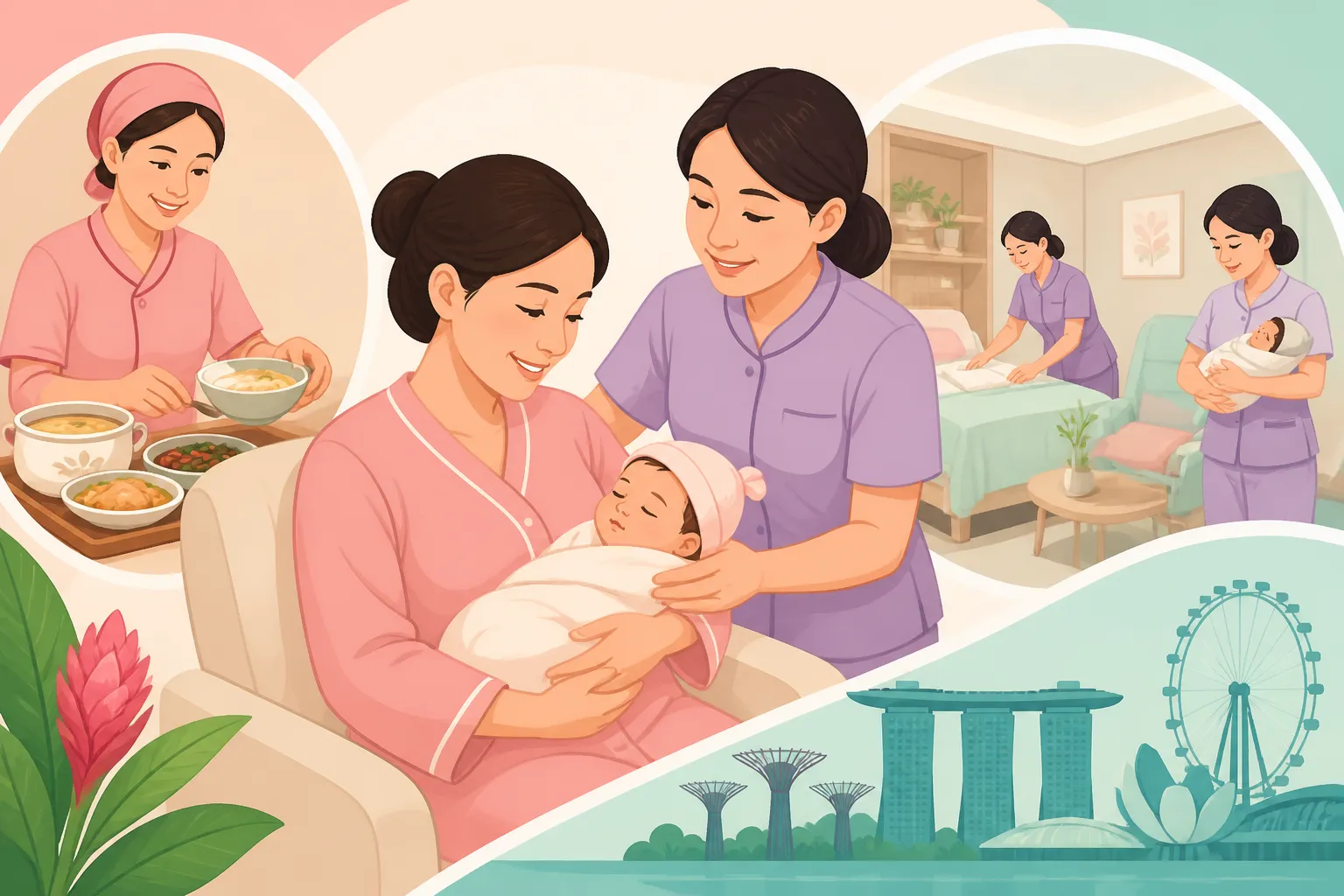
Postpartum Confinement Culture in Singapore: Nannies and Care Centers
The prospect of bringing a newborn home in a foreign country is daunting, especially in a fast-paced city-state like Singapore where family support might be thousands of miles away. I vividly remember the overwhelming silence of my condo after my first child was born, realizing that I had no idea how to navigate the "fourth trimester" without my own mother nearby. This guide explores the unique postpartum confinement culture in Singapore, helping you decide between hiring a specialized nanny or checking into a luxury care center to ensure your recovery is handled with expert care.
The Cultural Roots of Postpartum Confinement in Singapore
The concept of "confinement" is deeply embedded in Singapore’s multicultural fabric, drawing from Chinese, Malay, and Indian traditions. Known as Zuo Yue Zi in Mandarin, Pantang in Malay, and Jaappa in North India, the practice generally spans 28 to 40 days. The core philosophy is that the mother’s body has been "opened" and weakened by childbirth, leaving her vulnerable to "wind," cold, and long-term health issues like chronic backaches or early-onset arthritis.
In my early days here, I found it fascinating how even the most modern Singaporean mothers would strictly adhere to these rituals. It is not just about rest; it is about a highly structured regimen of diet, herbal baths, and physical restrictions designed to restore "Qi" and balance. For an expat, this can initially feel restrictive, but understanding the logic behind it helps you integrate these beneficial practices into your own recovery.
The Chinese Tradition and Zuo Yue Zi
The Chinese approach to confinement is perhaps the most visible in Singapore. It centers on the consumption of "heaty" foods to counteract the "cold" state of the womb after birth. You will likely encounter the pungent aroma of sesame oil, ginger, and red dates throughout your apartment building. The 28-day rule often includes a prohibition on washing hair or bathing with cold water, though modern interpretations allow for herbal sponge baths.
When you are planning your Maternity Care: Prenatal Packages, Birth Options, and Hospital Stays, it is worth discussing these cultural expectations with your OBGYN. Most doctors in Singapore are well-versed in these traditions and can help you strike a balance between traditional wisdom and modern hygiene. The goal is to ensure you are comfortable while respecting the restorative nature of the period.
Malay and Indian Confinement Rituals
Malay confinement, or Pantang, is famous for its elaborate body treatments. This often includes Jamu massages and the Bengkung (traditional belly binding) to help the uterus shrink and the abdominal muscles realign. The use of herbal pastes like Pilis on the forehead is common to prevent headaches and "wind" from entering the body. These services are often sought after even by non-Malay expats because of their effectiveness in physical body contouring.
The Indian tradition, particularly the South Indian Prasavam, involves specific Ayurvedic treatments and a diet rich in garlic, fenugreek, and cumin to aid lactation. Understanding these diverse options allows you to "pick and mix" the elements that resonate with your personal wellness goals. Whether you are looking for Women’s Health in Singapore: Gynecology, Screenings, and Contraception or specific postpartum physical therapy, Singapore offers a wealth of specialized knowledge.
Hiring a Confinement Nanny: The Traditional Choice
For many expats, hiring a confinement nanny is the most practical solution. These are typically experienced women—often from Malaysia or Singapore—who move into your home for 28 days to provide 24/7 care for both the newborn and the mother. This allows the father to return to work with the peace of mind that his wife is being fed, the baby is being watched, and the household is functioning smoothly.
I recall the first night our nanny arrived; she immediately took over the night feeds (if the mother is bottle-feeding or using expressed milk) so we could finally sleep. This level of support is transformative, but it does require adjusting to a stranger living in your personal space. You will need to provide a room or a dedicated sleeping area for the nanny, usually in the nursery.
The Role and Responsibilities of a Nanny
A confinement nanny is not a general domestic helper. Her primary duties are focused strictly on the mother and child. She will prepare specialized confinement meals (usually lunch, dinner, and a morning/afternoon tonic), brew herbal baths, wash the baby’s clothes, and handle all newborn care, including bathing and soothing. Some will also help with light laundry for the parents, but their priority is the "fourth trimester" recovery.
It is important to manage expectations early. If you have specific parenting styles, such as a desire for early sleep training or a strict breastfeeding-only approach, you must communicate this clearly. Many traditional nannies have very fixed ideas about baby care, and navigating these cultural differences requires patience and a "been-there" realistic approach to communication.
Legal Requirements and Work Permits
If you hire a nanny from Malaysia—which is very common due to their specialized training—you must apply for a temporary Work Permit through the Ministry of Manpower (MOM). This is a legal requirement that many newcomers overlook. You will also be responsible for paying the monthly foreign domestic worker levy, although it is pro-rated for the duration of her stay.
Ensuring your nanny is legally covered is vital. While she is in your home, you should also consider your overall household protection. Many expats use services like SafetyWing for their own travel and health needs, but for a live-in nanny, you must ensure you have the mandatory medical insurance required by MOM. You can find more details on managing these logistics in our guide on Hiring a Foreign Domestic Worker (Maid): Levies, Agencies, and Rules.
Postpartum Confinement Centers: The Modern Luxury Alternative
In recent years, Singapore has seen a boom in luxury confinement centers, such as Kai Suites, Singjoy, and My Queen. These facilities operate like a boutique hotel combined with a high-end medical clinic. Instead of a nanny moving into your guest room, you move into a private suite where a team of professional nurses and lactation consultants are available around the clock.
This is often the preferred choice for expats who value privacy and do not want a stranger living in their home. It also provides a "sanctuary" environment away from the distractions of household chores or older siblings. For those with high-pressure careers, these centers offer a seamless transition into parenthood with zero administrative burden.
Services and Amenities at a Center
A stay at a confinement center typically includes 24-hour nursing support for the baby, meaning you can choose to have the baby in your room or in the nursery when you need to sleep. They provide nutritionally balanced, chef-prepared meals that follow confinement principles but often with a modern, gourmet twist. Some centers even offer spa treatments, pelvic floor rehabilitation, and educational workshops for new parents.
When evaluating these centers, it is helpful to look into Maternity Hospital Tours: What to Look for When Choosing a Ward, as the experience is quite similar to a long-term stay in a premium maternity wing. The benefit here is the multidisciplinary approach—having a doctor or senior nurse on-site to spot issues like jaundice or mastitis before they become emergencies.
Comparing Costs and Booking Timelines
The main drawback of confinement centers is the cost. While a live-in nanny might cost between S$4,000 and S$6,000 for 28 days (plus food and levy), a luxury center can range from S$15,000 to over S$40,000 for a month-long stay. Because there are limited suites in the top-tier facilities, you often need to book 6 to 7 months in advance—sometimes even before you’ve completed your first trimester.
| Feature | Confinement Nanny (In-Home) | Confinement Center (Facility) |
|---|---|---|
| Average Cost | S$4,000 – S$6,500 | S$15,000 – S$45,000 |
| Privacy | Lower (Nanny lives in) | Higher (Private hotel-style suite) |
| Medical Support | Traditional experience | Professional nursing staff |
| Meals | Home-cooked traditional | Chef-prepared gourmet |
| Flexibility | High (in your own home) | Fixed (stay in facility) |
| Admin | Requires MOM Work Permit | None (inclusive) |
Managing Postpartum Wellness and Medical Needs
Regardless of whether you choose a nanny or a center, your medical recovery remains the priority. The transition from hospital to home is a critical time for monitoring both your physical healing and your mental state. In Singapore, the healthcare system is exceptionally robust, but it can be fragmented if you aren't sure who to call for specific postpartum issues.
During this period, having a reliable global health plan, such as those provided by Cigna Global, can be a lifesaver. While Expat Health Insurance in Singapore: Public vs Private Coverage often covers the delivery, the follow-up care for complications or specialized therapy may require additional out-of-pocket spending if not properly insured.
Mental Health and Expat Support
The "baby blues" are common, but for expats, the risk of postpartum depression (PPD) can be exacerbated by the lack of a familiar social circle. The isolation of confinement—staying indoors for 28 days—can be challenging. It is crucial to monitor your mood and seek help if you feel overwhelmed.
Singapore has excellent resources for this, and you can explore options in our guide on Mental Health in Singapore: Counseling, Psychiatry, and Expat Support. Many nannies are trained to spot the signs of PPD, but they are not medical professionals. If you find yourself struggling, don't hesitate to contact your GP or a specialized therapist who understands the unique stresses of the expat lifestyle.
Pediatric Care and Early Screenings
Within the first month, your baby will need several check-ups. If you have a confinement nanny, she will often accompany you to these appointments to help manage the diaper bag and soothing. If you are in a center, they sometimes have visiting pediatricians. You will need to establish a relationship with a clinic early to handle the National Childhood Immunisation Schedule: What Your Child Must Have.
Choosing the right doctor is a personal journey. Many expats prefer Finding English-Speaking and Internationally Trained Doctors who are familiar with the vaccine schedules of their home countries. This ensures that if you eventually relocate, your child’s medical records are easily transferable and meet international standards.
Practical Logistics and Financial Planning
The financial reality of having a baby in Singapore can be a shock. Beyond the hospital bill, the "hidden" costs of confinement care, pediatricians, and equipment add up quickly. It is advisable to treat confinement as an investment in the mother's long-term health rather than a luxury expense.
Using a comprehensive Family Health Guide: Maternity, Pediatrics, and Child Development can help you map out these costs. It is also wise to check if your corporate benefits include any "wellness" or "maternity" credits that can be applied to confinement services. While most standard insurance won't cover a nanny, some high-end plans from Cigna Global or similar providers may cover complications that occur during the postpartum weeks.
Sourcing and Interviewing Nannies
If you decide on a nanny, don't just hire the first one recommended on a Facebook group. Ask for "confinement-specific" references. You want to know if she is punctual, how she handles a crying baby at 3:00 AM, and most importantly, her attitude toward hygiene. Some traditional nannies may resist using sterilized equipment or following modern safe-sleep guidelines (like keeping the crib empty of pillows).
When interviewing, be clear about your household rules. If you have pets, ensure the nanny is comfortable with them. If you are a vegetarian, confirm she can cook nutritious meat-free confinement meals. This preparation prevents friction during a time when your hormones and stress levels are already peaked.
The "No-Bathing" Myth vs. Modern Reality
One of the biggest culture shocks for Western expats is the traditional rule against bathing or washing hair during confinement. In Singapore’s humid climate, this can feel like torture. However, modern confinement practices have evolved. Most nannies will now prepare a warm "Da Feng Ai" herbal bath (using dried herbs like lemongrass and ginger) which is believed to expel "wind" while allowing you to stay clean.
You don't have to follow every rule to the letter. Most Singaporean doctors agree that as long as you dry your hair immediately and avoid cold drafts from the air conditioning, showering is perfectly fine. The key is to find a balance that makes you feel recovered and refreshed. For more tips on navigating local norms, check out Everyday Rules and Etiquette: Fines, Laws, and Social Norms.
Navigating the Emotional Transition
The confinement period is as much about emotional transition as it is about physical healing. For an expat, this might be the first time you are truly "stuck" at home in Singapore, away from your usual office or social routine. Use this time to bond with your baby, but also to build your new support network.
There are numerous expat parent groups in Singapore where you can find others going through the same experience. Whether you are using SafetyWing to cover a quick trip back home or settling in for the long haul, building a community is essential. Postpartum care is the foundation of your journey into parenthood in the Red Dot; by choosing the right support system—be it a dedicated nanny or a luxury center—you set yourself up for a healthy, happy start with your new addition.
Don't forget to look ahead as well. Once the confinement period ends, you'll be navigating a new world of Pediatric Clinics: Childhood Vaccinations and School Medical Forms and perhaps even looking into long-term childcare options. Singapore is an incredible place to raise a family, provided you take the time to navigate its unique administrative and cultural hurdles with the right information.
Disclaimer
The information provided in this guide is for informational purposes only and does not constitute medical, legal, or financial advice. Postpartum care requirements vary significantly between individuals. Always consult with a qualified healthcare professional, such as your OBGYN or pediatrician, regarding your specific health needs and those of your newborn. For legal matters related to work permits and employment, refer to the official guidelines provided by the Ministry of Manpower (MOM) Singapore. External links to products like SafetyWing and Cigna Global are provided for convenience and do not imply a technical endorsement; users should conduct their own due diligence before purchasing insurance policies.