Senior Expat Healthcare: Managing Costs for Retirees and Older Dependants
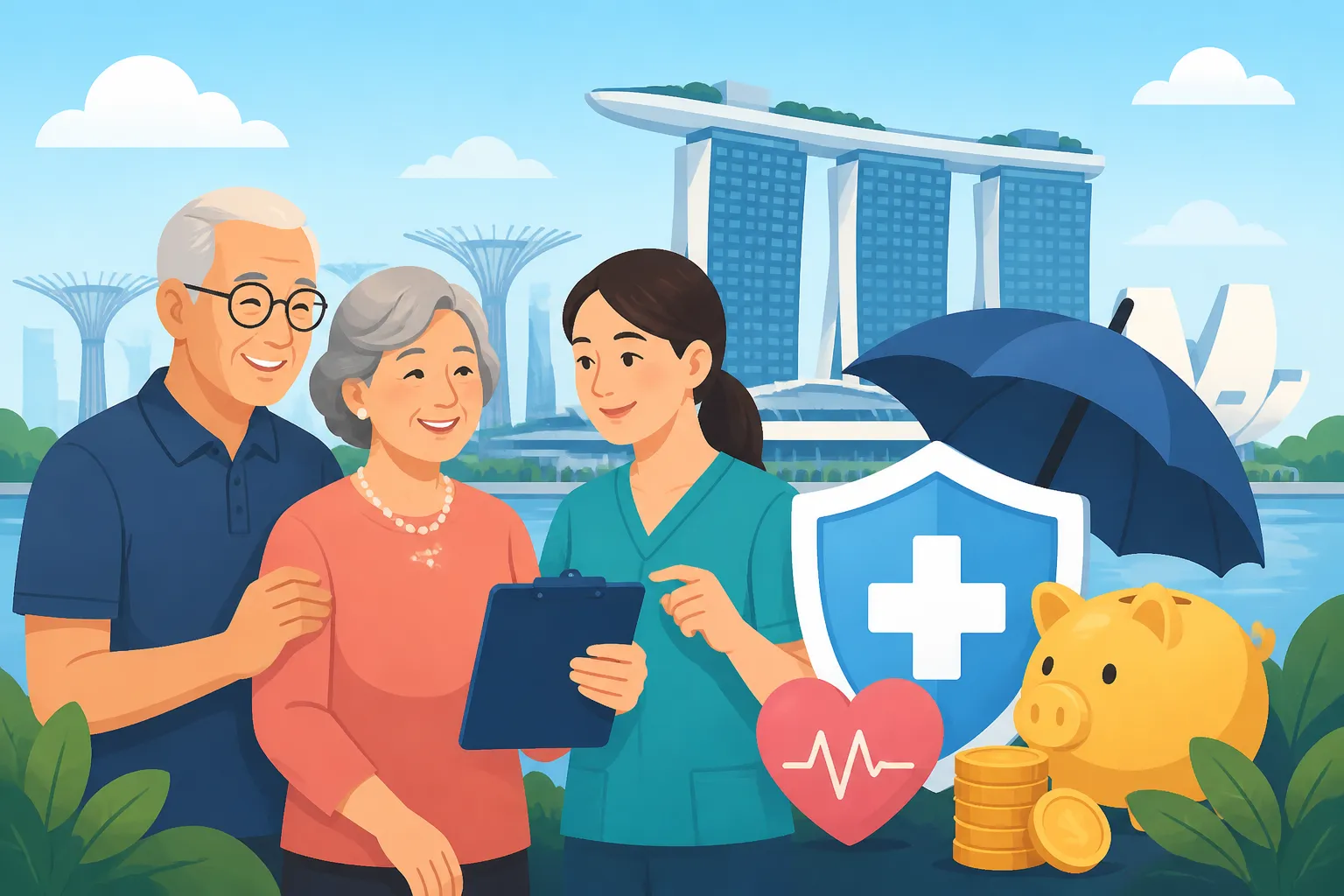
The most daunting aspect of long-term life in the Little Red Dot isn't the humidity or the cost of a car; it is the realization that the safety net we often take for granted back home simply doesn't exist for us here as we age. I remember the sinking feeling in my gut when I sat down to calculate the potential medical costs for my own mother who was visiting on a Long-Term Visit Pass, only to realize that one major health hiccup could wipe out a decade of savings. This guide is designed to dismantle the complexities of senior healthcare in Singapore, offering a realistic roadmap for retirees and those caring for older dependants to manage costs without sacrificing the quality of care.
The Reality of Aging in a High-Cost Medical Hub
Singapore is frequently ranked as having one of the best healthcare systems in the world, and while that is true, the "system" works very differently for a Singapore Citizen than it does for an expatriate. For seniors, the stakes are significantly higher because the risk of chronic illness or sudden acute episodes increases with every passing year. As an expat, you are essentially operating in a free-market healthcare environment where price transparency exists, but the "floor" for those prices is much higher than what locals pay.
Why the Public Subsidy Myth Does Not Apply to You
Many newcomers arrive thinking that the public hospital system will provide a low-cost alternative if things get tight. This is a dangerous misconception. In Singapore, public hospitals operate on a tiered subsidy system known as "Ward Classes." Citizens receive heavy subsidies for B2 and C-class wards, which are multi-bed, non-air-conditioned spaces. However, as a foreigner, you are almost always ineligible for these subsidies. Even if you choose a public hospital, you will be billed at the "Class A" or "Non-Subsidized" rate.
When you look at the Singapore Healthcare System for Expats: Complete 2027 Guide, you begin to see that the gap between a private room in a public hospital and a room in a private hospital isn't as wide as you might think for an expat. You are paying the market rate regardless. For a senior dependant, this means a three-day stay for something as routine as a respiratory infection can easily spiral into several thousand dollars, purely because the subsidized rates that keep costs low for locals are entirely out of reach for you.
The Hidden Inflation of Senior Care in Singapore
Medical inflation in Singapore typically outpaces general inflation, and for senior care, this is particularly pronounced. New technologies, expensive biological drugs for conditions like arthritis or cancer, and the high cost of specialist time mean that "managing costs" is a moving target. If you are a retiree living on a fixed pension or an expat supporting a parent, you have to account for a 7% to 10% annual increase in medical service costs.
Many expats are forced to relocate back to their home countries not because they wanted to leave, but because they could no longer afford the "senior premium." This inflation isn't just about hospital bills; it includes the cost of physiotherapy, specialized geriatric nutrition, and even the simple Choosing a Primary Care Physician (GP) in Singapore who understands senior-specific polypharmacy. Without a proactive strategy, the cost of living a healthy life in your 70s and 80s here can become an insurmountable hurdle.
Validating the Frustration of the Expat Senior
It is incredibly frustrating to have spent twenty years contributing to the Singapore economy, paying taxes, and building a life here, only to realize that the moment you stop working, you are viewed as a "medical liability" by the system. There is a specific cultural hurdle where the Singaporean model assumes family will take care of the elderly, backed by government-mandated Medisave accounts. As a foreigner, you have the family responsibility but none of the institutional backing. Acknowledging this "Expat Gap" is the first step in planning. You aren't imagining the difficulty; the system truly wasn't built with your retirement in mind.
Navigating the Private vs Public Divide for Seniors
The choice between a public and a private hospital is one of the most critical decisions you will make when managing a senior’s health. While public hospitals like Singapore General Hospital (SGH) or National University Hospital (NUH) are world-class, they operate under immense pressure. For an older person, the environment and the speed of care can significantly impact recovery outcomes.
Private Hospitals and the Premium for Speed
For many expats, Mount Elizabeth, Gleneagles, and Raffles: Premium Private Hospitals are the default choice. The reason isn't just "luxury"; it’s the speed of access to specialists. For a senior suffering from a potential cardiac issue or a neurological concern, waiting two weeks for a diagnostic scan in the public system—even as a private patient—is often unacceptable. Private hospitals allow you to see a specialist, get an MRI, and start a treatment plan within 24 to 48 hours.
However, this speed comes with a "senior surcharge" in the form of higher professional fees. Surgeons and consultants in private practice often have tiered pricing, and complex cases involving multiple comorbidities (common in seniors) can lead to daily bill sizes that look like mortgage payments. If you are using a provider like Cigna Global, these costs are often manageable because their plans are designed for high-limit private hospital access. Without that level of coverage, a stay at Mount Elizabeth Novena could quickly become a financial crisis for a retiree.
Public Hospitals for Complex, Long-Term Cases
Ironically, for the most complex cases—such as major trauma or advanced organ failure—the public hospitals are often better equipped. They have the largest Intensive Care Units and the most diverse range of on-site specialists. If an older dependant requires long-term stabilization, the daily "room and board" at a public hospital's Class A ward is generally lower than a private facility, even for foreigners.
The challenge lies in the administrative hurdles. You might find that Specialist Referrals: Do You Need a GP Before Seeing an Expert? are more rigidly enforced in the public sector. For an expat senior, the "private patient" route within a public hospital offers a middle ground: you get the expertise of the public system but pay higher rates to choose your specific consultant. It is a viable cost-saving strategy for surgeries that aren't time-sensitive, provided you are prepared for a slightly more "institutional" experience than the five-star hotel vibe of the private sector.
The Waiting Room Reality for Older Dependants
Seniors often struggle with the physical toll of long wait times. Public polyclinics, while efficient, can be crowded and noisy. For an 80-year-old with mobility issues, a three-hour wait for a blood test is a significant burden. This is where the cost-benefit analysis shifts. You might save $50 by going to a polyclinic, but the "cost" in terms of the senior's fatigue and the caregiver's time often makes a private GP a better choice. Balancing the Why Expats Are Excluded from MediShield Life and CPF Subsidies reality means accepting that "cheap" often comes with a physical price that seniors simply shouldn't have to pay.
Insurance Strategies for Retirees and Older Dependants
Insurance is the single most important tool for managing senior healthcare costs in Singapore. However, getting covered as a senior is notoriously difficult. Most local plans have "entry ages" that cut off at 65 or 75, and pre-existing conditions are almost universally excluded unless you have been on the same plan for decades.
The Transition from Corporate to Private Individual Plans
The "Insurance Cliff" is a real phenomenon for expats. Most corporate plans provided by employers are fantastic—until the day you retire or the day you leave the company. If you are 65 and trying to buy a new policy, you will likely face massive premiums or total exclusions for anything you’ve ever seen a doctor for. This is why Expat Health Insurance in Singapore: Public vs Private Coverage needs to be understood years before you actually retire.
The smartest move is to transition to a "portable" plan while you are still healthy. Providers like Cigna Global offer plans that can stay with you regardless of your employment status. If you wait until you have a chronic condition to look for senior-specific insurance, you will find yourself in a position where you are paying for insurance that covers everything except what you actually need. Some retirees spend $8,000 a year on premiums only to find out their hypertension and heart meds are "carved out" of the policy.
Evaluating High-End Global Providers for Seniors
When it comes to older dependants, you need more than just "emergency" cover. You need a policy that understands the nuances of aging. Cigna Global is often the gold standard here because of its modular approach. You can choose to include high-limit outpatient care, which is vital for seniors who need regular specialist visits and expensive diagnostic imaging.
For younger retirees or those who spend part of their year outside of Singapore, SafetyWing offers a more flexible, subscription-based model. While SafetyWing is often associated with digital nomads, their "Nomad Health" tier provides a robust alternative for those who don't want to be locked into a traditional, overly complex local insurance contract. It provides a level of agility that is often missing from the rigid, aging-unfriendly local market. Both brands offer the peace of mind that a sudden hospitalization won't lead to a call to the bank.
Understanding the Fine Print of Pre-existing Conditions
For a senior, the definition of a "pre-existing condition" can be incredibly broad. Did they have a "funny turn" five years ago? That might be used to exclude future neurological claims. When managing older dependants, you must be meticulously honest on applications but also seek out "CPME" (Continuous Personal Medical Exclusions) transfers if they are moving from a corporate plan. This allows them to carry over their "covered" status for existing conditions. Without this, you are essentially self-insuring for the most likely health events, which defeats the purpose of having Expat Health Insurance Portability: Keeping Coverage When You Relocate in the first place.
Managing Chronic Conditions and Out-of-Pocket Costs
Most senior healthcare spending isn't on dramatic surgeries; it's on the slow, steady drip of managing chronic conditions. Diabetes, hypertension, and high cholesterol are the "Big Three" in Singapore, and the costs of medication and monitoring add up quickly.
Strategies for Medication Procurement
One of the biggest shocks for expats is the cost of prescription medication. In many Western countries, medication for seniors is heavily subsidized or capped. In Singapore, you pay the market price. Managing Chronic Conditions: Diabetes and Hypertension Care for Expats requires a tactical approach to pharmacy spending.
Expats are often advised to ask their doctor for generic versions of drugs where possible. Many private specialists will default to expensive brand-name medications. Furthermore, if the senior is on long-term maintenance meds, it is often cheaper to get the prescription from a private specialist but fulfill it at a large hospital pharmacy or even via a reputable telehealth app that offers bulk delivery discounts. Don't just accept the price given at the clinic's front desk; it's usually the most expensive way to buy medicine.
The Role of Preventative Screenings
For seniors, an ounce of prevention is worth about $50,000 of cure in Singapore. Routine Comprehensive Health Screenings: Annual Medical Packages Explained are essential. These packages often include bone density scans, cardiac stress tests, and cancer markers. While the upfront cost of a "Gold" screening package (often $1,000 to $2,000) seems high, it is significantly cheaper than treating a Stage 3 illness that could have been caught at Stage 1.
Many private clinics offer "Senior Wellness" packages that bundle these tests at a discount. If you are managing an older dependant's health, schedule these for months when your cash flow is more stable. It’s also worth checking if your insurance (like Cigna Global) includes a "Wellness Benefit" that covers these annual checks. Utilizing these benefits is the most effective way to keep long-term costs down by avoiding acute hospitalizations.
| Service Type | Public (Class A) Cost Est. | Private Hospital Cost Est. | Insurance Coverage Priority |
|---|---|---|---|
| Specialist Consult | $150 – $250 | $250 – $600 | High (Outpatient) |
| Standard MRI | $800 – $1,200 | $1,500 – $2,500 | Medium |
| Day Surgery | $3,000 – $7,000 | $8,000 – $15,000 | Critical (Inpatient) |
| Chronic Meds (Monthly) | $100 – $300 | $200 – $500 | High (Maintenance) |
| Annual Screening | $500 – $1,500 | $1,200 – $3,000 | Wellness Benefit |
Long-Term Care, Nursing, and Home Support
As seniors age, the conversation often shifts from "curing" to "caring." Long-term care is where the Singapore expat experience becomes truly challenging, as the city-state’s infrastructure for nursing homes is primarily geared toward citizens, with very few private options for foreigners.
The Reality of Nursing Homes for Expats
If you are looking for a nursing home for a non-citizen dependant, be prepared for two things: high costs and long waitlists. Most high-quality private nursing homes in Singapore charge between $5,000 and $9,000 per month. Unlike the subsidized homes for locals, these facilities are essentially "assisted living" resorts. Because the supply of these beds is low, many expat families find themselves in a crisis when a senior can no longer live independently.
This is why Navigating Palliative and Hospice Care Options for Elderly Relatives should be researched long before they are needed. In many cases, the most cost-effective and culturally appropriate solution in Singapore is "Aging in Place"—staying at home with professional support. Singapore’s unique labor market allows for the hiring of a Foreign Domestic Worker (FDW) who can be trained as a caregiver, which is significantly cheaper than a nursing home, though it requires significant management and training on your part.
Hiring Specialized Caregivers and Nurses
For seniors with more complex needs—such as those recovering from a stroke or managing dementia—a standard FDW may not be enough. There are several agencies in Singapore that provide "Home Nursing" services. These are qualified nurses who visit for a few hours a day to administer medication, manage wound care, or provide physiotherapy.
The cost for a professional home nurse is usually around $25 to $50 per hour. While this adds to the Healthcare Budgeting in Singapore: Managing Out-of-Pocket Costs significantly, it is often the only way to avoid a permanent move to a care facility. Using a combination of a live-in helper for daily tasks and a visiting professional for medical needs is the "Singapore Strategy" for senior care. It keeps the senior in a familiar environment while keeping the costs at a fraction of a private nursing home's fees.
Palliative Care and Emotional Support
End-of-life care is a sensitive topic, but from a cost-management perspective, it is vital. Singapore has excellent palliative care organizations like HCA Hospice or Dover Park Hospice. While their primary mission is to serve the community, they do offer services to expats. Focusing on palliative care early can prevent "aggressive" and ultimately futile (and expensive) hospital interventions in the final months of life. It allows for a dignified, managed process that focuses on quality of life, which is often what seniors want more than another round of intensive testing.
Financial Planning and Legal Considerations
Managing senior health is as much about the "paperwork" as it is about the "pills." In Singapore, the legal framework for healthcare decision-making is robust, and if you don't have the right documents in place, the costs—both financial and emotional—can skyrocket during a crisis.
The Importance of the Lasting Power of Attorney (LPA)
I cannot stress this enough: every expat retiree or senior dependant in Singapore should have an LPA. This legal document allows the senior to appoint someone (usually a child or spouse) to make decisions on their behalf if they lose mental capacity. Without an LPA, if a senior has a stroke or develops dementia, their bank accounts (including the ones used to pay for their medical bills) can be frozen by the bank.
Navigating the Singapore courts to get "Deputyship" after someone has already lost capacity is a legal nightmare that can cost upwards of $10,000 in lawyer fees. Getting an LPA done while the senior is of sound mind costs a few hundred dollars. This is the ultimate "hidden" cost-saving measure. It ensures that you can access their insurance payouts and savings to pay for their Emergency Medical Care in Singapore: Ambulances and A&E Wards without delay.
Building a Medical "Sinking Fund"
Even with the best insurance from Cigna Global or SafetyWing, there will be out-of-pocket costs. Deductibles, co-pays, and "non-covered" items (like certain traditional therapies or mobility aids) add up. I recommend that expat families with senior dependants create a dedicated "Medical Sinking Fund."
This should be a liquid account containing at least $20,000 to $30,000. Why this amount? Because that is the typical "security deposit" a private hospital in Singapore will require at the point of admission if your insurance hasn't yet issued a Letter of Guarantee (LOG). Having this cash on hand prevents a stressful scramble during an emergency. It also gives you the "cash power" to negotiate better rates or pay for specialized treatments that insurance might initially dispute.
Estate Planning and the "Exit" Strategy
Finally, part of managing senior costs is knowing when Singapore is no longer the right place for care. For some expats, there comes a point where the cost of private care in Singapore exceeds the cost of a high-end facility in their home country, or even a neighboring country like Malaysia or Thailand.
As part of your long-term planning, research the costs of medical evacuation. If a senior's condition becomes chronic and requires 24/7 nursing that you can't provide at home, you need to know the logistics of moving them. Many international insurance plans include "repatriation" benefits. Knowing how to trigger these can save you six figures in the long run. Senior healthcare in Singapore is about playing the "long game"—being empathetic to the senior's needs while remaining cold-bloodedly realistic about the financial math.
Disclaimer
This guide is intended for informational purposes only and does not constitute medical, legal, or financial advice. Healthcare regulations, insurance terms, and medical costs in Singapore are subject to frequent changes. Always consult with a qualified medical professional, a certified financial advisor, or a legal expert specializing in Singaporean law before making significant healthcare or financial decisions for yourself or your dependants. Prices and brand offerings mentioned are based on market conditions as of 2026.