What Documents Do You Need to Bring to the A&E in Singapore?
Staring at a mounting fever or a sudden injury while the tropical humidity clings to you is a uniquely stressful experience for any foreigner. I remember the sheer panic of my first late-night dash to the emergency room here, frantically digging through my wallet while wondering if my home country’s ID would even be recognized. This guide clarifies exactly which documents you must have ready to ensure the Emergency Medical Care in Singapore: Ambulances and A&E Wards process is as seamless as possible.
Primary Identification for Residents and Visitors
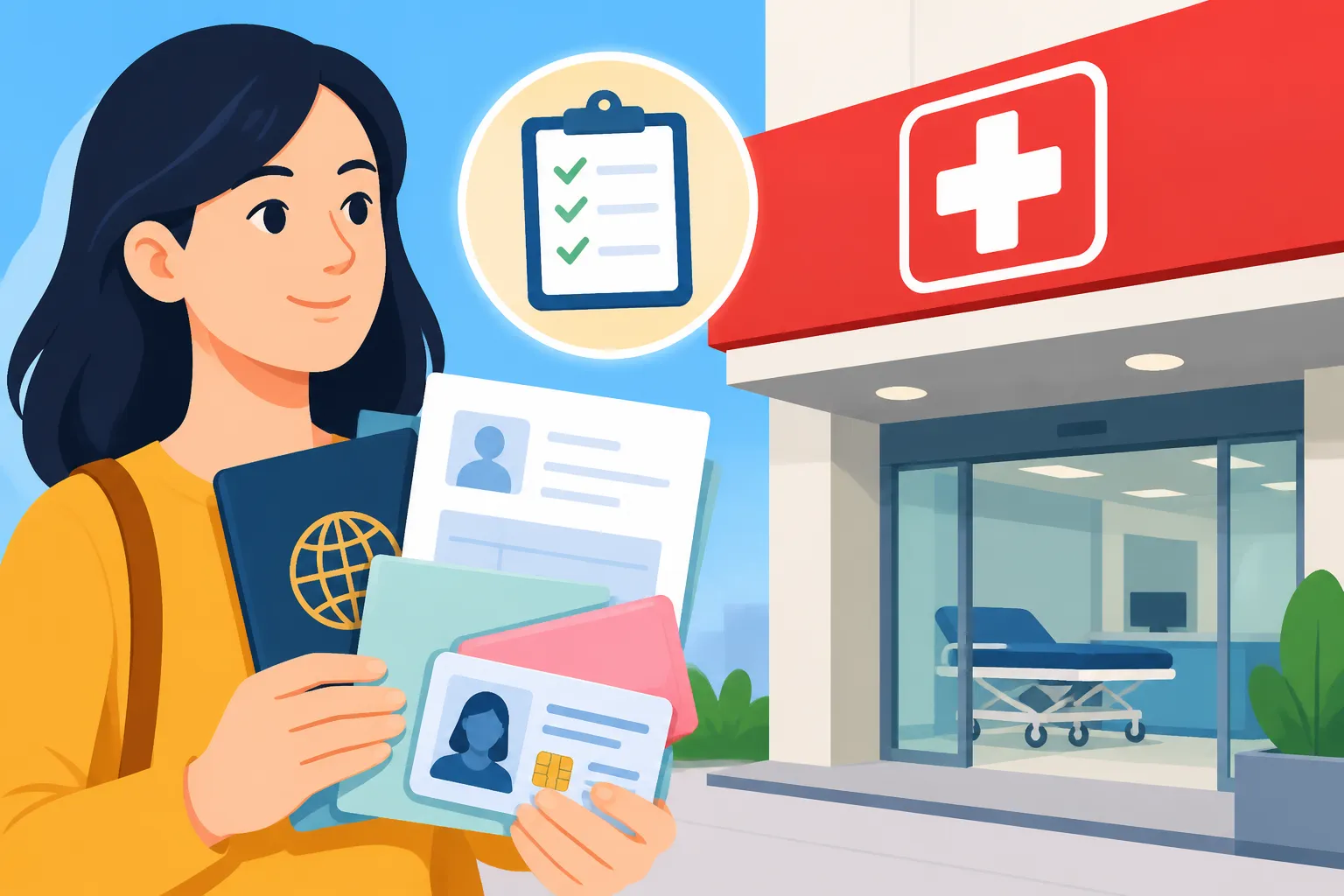
In Singapore, your identity is inextricably linked to your legal status, and the administrative staff at any Accident & Emergency (A&E) department will first ask for your identification before a doctor even sees you. For expatriates living here on a work pass, your Foreign Identification Number (FIN) is the most critical piece of data you possess. Whether you are at a public institution like Singapore General Hospital (SGH) and Public Hospital Access for Expats or a private facility, the registration process begins with this card.
If you are a resident, you must bring your physical Employment Pass (EP), S Pass, or Dependant’s Pass card. While Singapore has moved aggressively toward a digital-first society, having the physical card can save precious minutes if there are technical glitches with your phone or the hospital's scanning system. The staff uses this card to pull up your records in the National Electronic Health Record (NEHR) system, which tracks your visits across various healthcare providers in the country.
For tourists or short-term visitors who do not have a FIN, your original passport is mandatory. Photocopies are generally not accepted for official hospital registration because the hospital must verify your current visa status and entry date. This information is vital for billing purposes, as the rates for foreigners are significantly higher than those for citizens or Permanent Residents. Without your passport, you may face delays in registration, which is the last thing you want during a medical crisis.
Essential Insurance and Financial Verification
The cost of emergency care in Singapore can be staggering, especially if your condition requires stabilization or surgery. Hospitals need to know how the bill will be settled before you are admitted to a ward. If you have international coverage through providers like Cigna Global, you should always carry your digital or physical member ID card. This card contains your policy number and the international claims contact information that the hospital's finance department will need to verify your coverage.
If you are a frequent traveler or a digital nomad using a plan like SafetyWing, ensure you have a saved PDF of your summary of benefits on your phone. Most private hospitals, such as Mount Elizabeth, Gleneagles, and Raffles: Premium Private Hospitals, are accustomed to working with international insurers, but they will still require proof of active coverage. In many cases, if you cannot provide an immediate Letter of Guarantee (LOG) from your insurer, the hospital will ask for a credit card authorization or a substantial cash deposit.
A Letter of Guarantee is a document issued by your insurance company—be it Cigna Global or another provider—promising the hospital that the insurer will pay the bills directly. Without this, you might be expected to pay the entire bill upfront and seek reimbursement later. This is a common pain point for expats who assume their "gold-plated" insurance means they can just walk in and out. Always keep your insurer’s 24-hour emergency hotline saved in your contacts so you can trigger the LOG process the moment you arrive at the triage desk.
Medical History and Current Prescriptions
Once the administrative hurdles are cleared, the medical team needs to understand your clinical background. In the heat of an emergency, it is incredibly easy to forget the name of a specific medication or the exact dosage you take. It is wise to keep a "medical "cheat sheet" in your wallet or a dedicated folder on your smartphone. This should list any chronic conditions, previous major surgeries, and, most importantly, any drug allergies.
If you are already managing a condition, bringing your current medication bottles is highly effective. It allows the A&E doctors to see the exact brand and generic names, preventing potential drug interactions. This is especially important because Bringing Prescription Medication into Singapore: HSA Approval Rules can sometimes mean the brands you used back home have different names or strengths here. Showing the actual packaging eliminates any ambiguity during the fast-paced triage process.
Furthermore, if you have recently had blood tests or imaging done at a private clinic, bring those reports or have them accessible via the HealthHub app. While the NEHR system is comprehensive, it does not always capture every private lab result instantly. Providing these documents can prevent the hospital from running redundant—and expensive—tests, which is a major factor in Healthcare Budgeting in Singapore: Managing Out-of-Pocket Costs for those without full-claim insurance.
Documentation for Dependants and Minors
If you are rushing a child to the A&E, the documentation requirements become even more specific. In addition to the child’s Dependant’s Pass or passport, you should have a copy of their birth certificate. While the DP card usually suffices, some administrative situations—especially those involving legal guardianship or consent for surgery—may require proof of parental relationship.
It is also wise to have a record of your child’s immunization history. Singaporean schools and hospitals are very strict about vaccination records. If your child’s emergency is related to a high fever or a communicable disease, the doctors will want to know if they are up to date on their shots. This is a standard part of the Expat Health Checklist for the First 30 Days in Singapore that many newcomers overlook until they are standing in a hospital waiting room at midnight.
For those who have a live-in helper, ensure she knows where these documents are kept. If you are not home and an emergency occurs, your helper needs to be able to grab the "emergency folder" and head to the hospital. Many expats provide their helpers with a written letter of authorization, allowing them to seek medical treatment for the children in the parents' absence. This simple document can prevent legal and administrative bottlenecks during a crisis.
Digital Access and the Role of Singpass
The most powerful tool in your pocket is your Singpass app. For any expat with a valid work pass, Singpass serves as your digital identity. Many hospitals now accept the digital version of your IC or FIN card displayed within the app. Moreover, Singpass gives you access to the Using the HealthHub App as a Foreigner with Singpass portal, which contains your past lab results, vaccination records, and even some of your prescriptions.
However, do not rely solely on digital access. Phone batteries die, and hospital basements often have poor cellular reception. Having a physical backup of your FIN card and your insurance details from a provider like SafetyWing is a necessary redundancy. Many expats find themselves trying to load a digital insurance card while their phone sits at 2% battery—don't let that be you.
If you are a tourist, you will not have Singpass, so your physical passport and a printed copy of your travel insurance policy are non-negotiable. Even if you have a digital copy, a physical printout can be handed to the registration staff, allowing them to photocopy it and return it to you immediately, rather than you having to email it to a generic hospital inbox and wait for them to find it.
Comparison of Documentation Requirements by Hospital Type
The following table outlines the differences in what you might be asked for depending on whether you choose a public or private facility. While the medical care is excellent in both, the administrative expectations differ.
| Document Type | Public Hospital (e.g., SGH, NUH) | Private Hospital (e.g., Raffles, Gleneagles) |
|---|---|---|
| Primary ID | Physical FIN/Passport Required | Physical FIN/Passport Required |
| Singpass Digital ID | Widely Accepted | Accepted, but physical preferred |
| Insurance Proof | Necessary for billing tiering | Critical for avoiding large cash deposits |
| Letter of Guarantee | Often processed after admission | Preferred at point of registration |
| Credit Card | Required for co-pays | Required for deposit/authorization |
| Previous Records | Usually accessible via NEHR | Might need physical copies if from other private clinics |
Practical Preparation: The Emergency Grab-Bag
Living as an expat means you are often without the extended family support network you might have back home. This makes self-reliance crucial. I recommend creating an "A&E Envelope" that stays near your front door or in your safe. This envelope should contain a photocopy of all family members' passports and FIN cards, a printed copy of your insurance policy (including the claim form if your insurer requires a manual one), and a list of emergency contact numbers.
Include a "Notification of Coverage" from your insurance provider. If you are using Cigna Global, they often provide a summary page specifically designed for hospital admissions. Having this ready means you can focus on the medical emergency rather than digging through your email for policy numbers. It also helps the hospital staff feel more secure about the financial aspects of your care, which can sometimes lead to a smoother admission process.
Lastly, don't forget the "practical" documents. This includes a list of your home address and the nearest landmark in both English and local terms. If you are in a state of shock, even remembering your postal code can be difficult. Having it written down helps when you are filling out the myriad of forms required during the registration process.
Important Note on Emergency Medical Advice
This guide is intended for informational purposes and focuses on the administrative requirements of seeking emergency care in Singapore. It is based on the experiences of expatriates and the current operational standards of Singaporean medical facilities.
Disclaimer
The information provided in this article is for general informational purposes only and does not constitute professional medical or legal advice. While we strive to keep the information up to date and correct, policies regarding hospital admissions, insurance requirements, and immigration status in Singapore can change without notice. Always consult with your insurance provider and the specific medical institution for the most current requirements. In a life-threatening emergency, always dial 995 immediately.