Tropical Weather Prep: Managing Mold, Humidity, and Monsoon Rains
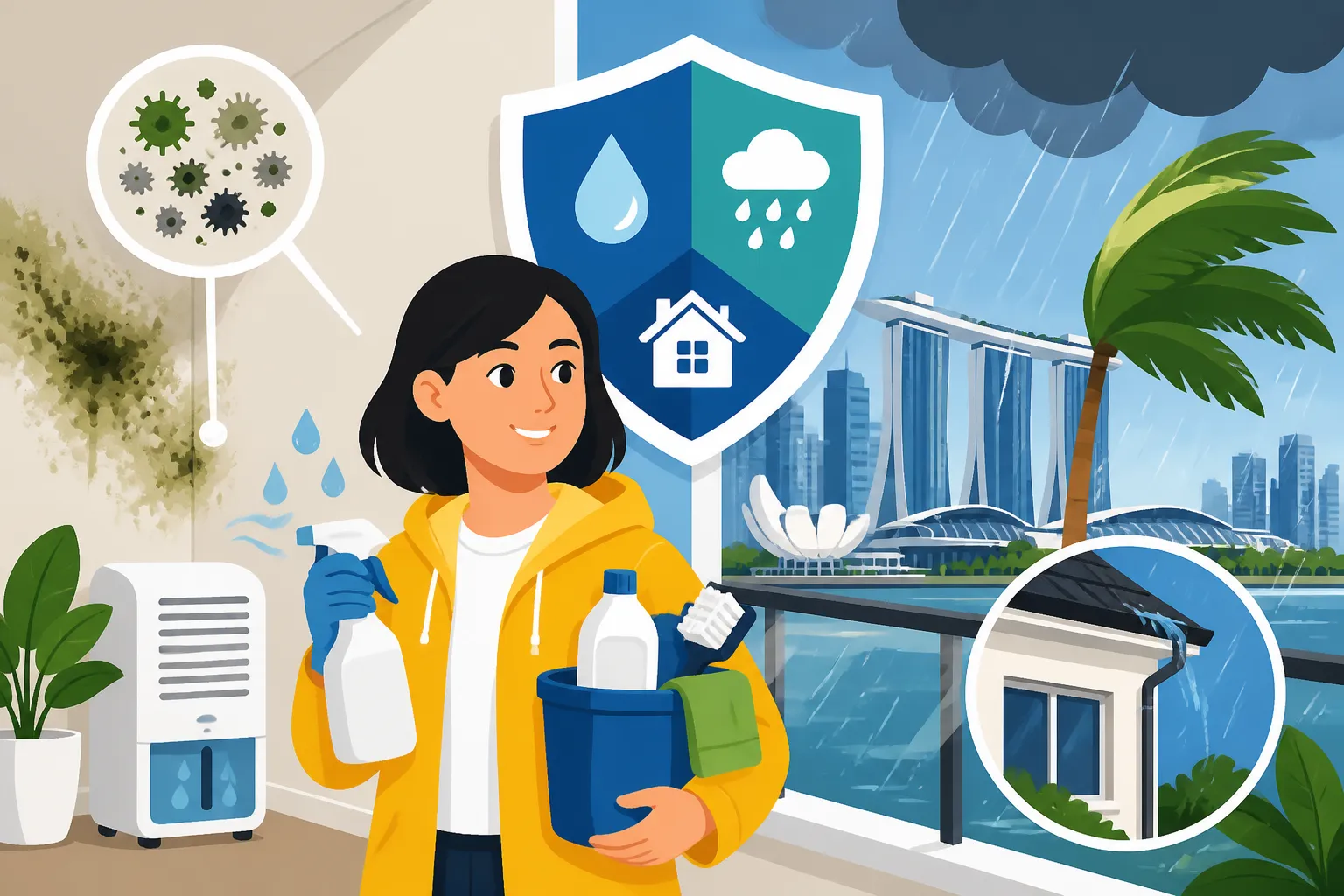
Stepping foot in Singapore, most expats are immediately struck by the heat. But soon after, they realize the real battle isn't just with the sun, it's with the relentless humidity, the sudden, torrential monsoon downpours, and the insidious enemy that thrives in both: mold. This guide is your expat-friendly survival manual, designed to help you understand, prepare for, and ultimately conquer the unique challenges of Singapore's tropical climate within your home.
Understanding Singapore's Climate and Its Challenges
Singapore sits almost directly on the equator, which means it experiences a tropical rainforest climate. This isn't just a fun fact; it dictates much of daily life here, especially how you maintain your home and well-being. The constant warmth combined with abundant moisture creates an environment unlike anything many expats have experienced before, and it comes with its own set of administrative and practical hurdles.
The Relentless Humidity and Its Effects
Ah, the humidity. You feel it the moment you step out of Changi Airport, a thick, warm blanket that clings to your skin. Singapore's relative humidity hovers around 80-90% all year round, day and night. While it contributes to the lush greenery the city is famous for, it can wreak havoc inside your home and on your personal items.
Imagine unpacking your cherished leather bag from home, only to find it covered in a fuzzy green patch a few weeks later. Or your favorite pair of shoes developing an unfamiliar smell. That's the humidity at work. It permeates everything, from clothing and upholstery to electronics and wooden furniture. Delicate items like books, musical instruments, and important documents are particularly vulnerable. Beyond material damage, high humidity can exacerbate respiratory issues like asthma and allergies, make skin conditions like eczema flare up, and just generally make your living space feel perpetually damp and a little bit sticky. It’s not just uncomfortable; it’s a constant battle for cleanliness and preservation.
Monsoon Seasons and Their Impact
While Singapore doesn't have distinct "dry" and "wet" seasons in the way some tropical countries do, it does experience two main monsoon periods: the Northeast Monsoon (roughly December to early March) and the Southwest Monsoon (roughly June to September). During these times, you can expect heavier, more prolonged rainfall, often accompanied by strong winds and thunderstorms.
A typical monsoon day might start bright and sunny, lulling you into a false sense of security, before a sudden, spectacular downpour hits in the afternoon. These aren't just drizzles; they are often torrential, capable of causing flash floods in low-lying areas, turning roads into temporary rivers, and disrupting public transport. You'll quickly learn the importance of having an umbrella everywhere you go and checking the weather radar before you head out. These intense rains contribute significantly to the overall dampness, making the fight against mold even more challenging. Even within a few hours, the air can become heavy with moisture, and any lingering dampness from the previous day's rain only compounds the problem.
The Silent Threat of Mold
This brings us to mold. The constant combination of warmth and moisture is mold's ideal breeding ground. It’s not just unsightly; it’s a silent, persistent threat to your health and home. Mold spores are microscopic and ever-present in the air, but in Singapore's climate, they find abundant opportunities to settle and flourish on almost any surface.
You'll find it creeping up bathroom grout, behind wardrobes, on the backs of picture frames, or even on forgotten shoes in the back of your closet. Mold often manifests as black, green, or white fuzzy patches and carries a distinctive musty odor. Beyond the cosmetic damage, mold can trigger allergic reactions, cause respiratory problems, and irritate the eyes, skin, and throat. For those with existing conditions or compromised immune systems, the health implications can be quite serious. Dealing with mold isn't just about cleaning; it's about understanding its root causes and implementing proactive measures to prevent its return.
Your First Line of Defense: Home Ventilation and Air Quality
Once you understand the enemy, you can equip yourself with the right tools. Your air conditioning unit, dehumidifiers, and good old-fashioned ventilation are your primary weapons against Singapore's pervasive dampness. It’s all about controlling the indoor environment to make it less hospitable for mold and more comfortable for you.
Mastering Your Air Conditioning and Dehumidifiers
Your air conditioner isn't just for cooling; it's a powerful dehumidifier. Most modern AC units in Singapore have a "dry" mode, often indicated by a water droplet icon. This mode runs the compressor at a lower speed, focusing on removing moisture from the air without significantly lowering the temperature. Using this mode for a few hours daily can make a noticeable difference in reducing indoor humidity. Aim for your home's relative humidity to be below 60% if possible – ideally in the 40-50% range for optimal comfort and mold prevention.
Beyond the AC, a portable dehumidifier is a worthy investment, especially for specific rooms or areas prone to dampness, like a walk-in wardrobe or a corner bedroom that doesn't get much sun. Brands like EuropAce, Novita, and even Xiaomi offer effective models. These machines literally pull water out of the air, collecting it in a reservoir that you'll need to empty regularly (sometimes daily!). Placing a dehumidifier in a problem area, especially after a particularly heavy rain or during the monsoon season, can dramatically reduce moisture levels and prevent mold growth. Remember, while they consume electricity, the cost is often far less than dealing with extensive mold damage or health issues down the line. To manage these additional utilities, you'll want to be familiar with how to manage your monthly bills, and if you haven't yet, check out Setting Up SP Group: Electricity, Water, and Refuse Collection Fees.
The Importance of Good Air Circulation
Even with AC and dehumidifiers, passive ventilation and air circulation are crucial. Stagnant air is a mold's best friend. In a landlocked home, this means strategically placed fans can work wonders. Ceiling fans, stand fans, or even small clip-on fans can help move air around, preventing moisture pockets from forming in corners or behind furniture.
When the outdoor humidity isn't excessively high (which, admittedly, isn't often), or immediately after a heavy downpour when the air feels clearer, consider opening windows and doors for a short period to allow for cross-ventilation. This can help "freshen" the air and release trapped moisture. However, be mindful that opening windows during a humid day will let more moisture in, so timing is key. It's often a delicate balance – you don't want to bring in more humidity, but you also don't want to seal your home completely and allow stale air to build up. For common rentals, you might want to learn more about Fully Furnished vs Partially Furnished: What to Expect in a Singapore Rental before choosing your home, as furniture choice can impact airflow.
Air Purifiers and Their Role
While air purifiers don't directly tackle humidity, they play a vital role in maintaining overall indoor air quality, which is intrinsically linked to a healthy, mold-free home. Mold spores, dust mites, and other allergens thrive in humid environments. An air purifier with a good HEPA filter can trap these microscopic particles, including airborne mold spores, before they settle and multiply.
During haze season, which sometimes affects Singapore due to forest fires in neighboring countries, an air purifier becomes even more indispensable. The fine particulate matter in haze can irritate respiratory systems, and a good purifier helps keep your indoor air breathable. Many expats find brands like Philips, Coway, or Dyson to be popular choices here. Regularly cleaning or replacing the filters is paramount to their effectiveness. For a deeper dive, read Buying an Air Purifier in Singapore: HEPA Filters for Haze Season to understand your options.
Combatting Mold and Mildew Everywhere
Mold is tenacious, but with consistent effort and the right approach, you can keep it at bay. It requires vigilance, a bit of elbow grease, and understanding where it loves to hide. The key is not just to clean it but to prevent its recurrence.
Identifying and Cleaning Mold Hotspots
Mold has its favorite haunts in Singaporean homes. Bathrooms are number one: damp towels, constantly wet floors, and steam from showers create a perfect breeding ground on grout lines, shower curtains, and even ceilings. Wardrobes are another major culprit, especially those built into walls or without sufficient ventilation. Any surface that isn't regularly exposed to light or air, like the back of furniture pressed against a wall, under rugs, or even inside shoe cabinets, can become a hotspot.
When you spot mold, don't panic, but act quickly. For small, superficial mold, a solution of white vinegar (undiluted) sprayed directly onto the mold, left for an hour, and then wiped clean can be effective. For more stubborn mold, particularly on non-porous surfaces like tiles, a diluted bleach solution (one part bleach to ten parts water) works well, but always test on an inconspicuous area first and ensure good ventilation. Avoid scrubbing dry mold, as this releases spores into the air. For fabric items, sunning them (if possible) after cleaning can help, but for serious infestations, professional cleaning may be necessary.
Protecting Your Valuables and Textiles
Your cherished belongings are particularly susceptible to humidity and mold. Leather goods, from bags to shoes, can quickly develop a fuzzy coating. Books become warped and musty. Important documents can spot. This is where desiccants become your best friend.
Those little packets of silica gel you find in new bags? They're brilliant. You can buy larger, reusable versions or popular local products like "Thirsty Hippo" or "DampRid" from supermarkets or hardware stores. Place them in wardrobes, drawers, shoe cabinets, and even inside larger containers where you store electronics or documents. These absorb excess moisture from the air. For clothes, ensure they are absolutely dry before storing them, and avoid over-stuffing wardrobes to allow for some airflow. For very precious items, consider airtight containers with a desiccant pack. Vacuum-sealed bags are also fantastic for seasonal clothing or blankets. The battle against mold is ongoing, and you'll find more useful information about desiccants in How to Use Dehumidifiers and "Thirsty Hippos" to Prevent Closet Mold.
Regular Maintenance and Prevention Strategies
Prevention is always better than cure. Regular habits can significantly reduce your chances of a major mold outbreak. Firstly, consistent air conditioner servicing is non-negotiable. Dirty AC coils and filters aren't just inefficient; they can harbor mold and spread spores throughout your home. Most tenancy agreements include clauses about regular aircon servicing, often quarterly. Knowing about these clauses is important, and you should clarify your responsibilities with your landlord, as covered in Do I Need to Pay for Chemical Cleaning of the Aircon When I Move Out?.
Beyond that, make a routine of regularly pulling furniture away from walls to inspect and wipe down surfaces, especially in bedrooms and living areas. Ensure curtains are not constantly pressed against windows. If you spot a leak, however small, address it immediately. Even a dripping pipe or a leaky window seal can provide enough moisture for mold to establish a foothold. If you suspect a hidden leak or have persistent dampness, calling in a professional plumber or handyman, as discussed in Where to Find English-Speaking Plumbers and Electricians Quickly, is crucial.
Navigating the Monsoon Rains Like a Pro
The monsoon rains in Singapore are a force of nature. They can be beautiful and dramatic, but also disruptive. Learning to anticipate and navigate them will save you a lot of hassle and help protect your home from water damage.
Preparing Your Home for Downpours
When the sky darkens and the distant rumble of thunder begins, it’s time for a quick check. First, ensure all windows and doors are securely closed and latched. Old window seals can be notorious for letting in water, so inspect them periodically. If you notice persistent leaks around windows, inform your landlord or agent immediately; this is a common issue in older properties.
If you have a balcony, bring in any items that might blow away or get waterlogged, like cushions or lightweight furniture. Heavy rain can quickly pool on balconies, so ensure drains are clear of leaves or debris. During really intense downpours, water can sometimes seep under doors or through gaps, so having a few old towels or sandbags (for ground-floor units in flood-prone areas) on hand isn't a bad idea. A little preparation can prevent a lot of headache.
Essential Gear for Rainy Days
You'll quickly learn that an umbrella is a non-negotiable accessory in Singapore. Keep one in your bag, at the office, and near your front door. Beyond that, consider your footwear. Leather shoes can take a beating in the rain and humidity. Quick-drying shoes or waterproof options are practical for daily commutes. A waterproof backpack or bag protector is also useful, especially if you carry electronics or important documents.
Public transport is generally very efficient even during heavy rain, but expect potential delays. Flash floods can occasionally affect bus routes, and train services might slow down. Having a reliable travel app on your phone that shows real-time weather and public transport updates is invaluable. If you're a regular MRT user, you'll benefit from tips on Navigating the MRT Network: Transfer Lines and Rush Hour Reality to minimize your time spent caught in the rain. When waiting for a bus, seek shelter immediately – you'll quickly realize how quickly you can get drenched! Using apps like Grab or Gojek for ride-hailing is common, but surge pricing during heavy rain is almost guaranteed.
Dealing with Unexpected Flooding
While Singapore's drainage system is incredibly efficient, localized flash floods can still occur, especially in historical low-lying areas or during exceptionally heavy rainfall. If you live in such an area or a ground-floor unit, it's wise to be extra vigilant. Keep valuable items off the floor where possible. If a severe flood warning is issued, consider raising electronics or furniture onto blocks.
If water does enter your home, safety is paramount. Turn off electricity at the main switch if water levels are rising significantly or if you see sparks. Avoid walking through deep water, as electrical hazards might be present. Document any damage with photos or videos for insurance purposes. Once the immediate danger has passed, focus on drying out the affected areas as quickly as possible to prevent mold from setting in. This might involve using fans, dehumidifiers, and even calling professional restoration services if the damage is extensive.
Long-Term Strategies and Lifestyle Adjustments
Living in Singapore means adapting your lifestyle and home management to suit the tropical climate. It's not just about crisis management; it's about embedding preventive measures into your routine. This proactive approach will help you maintain a comfortable and healthy living environment throughout your expat journey.
Furniture and Decor Choices for the Tropics
When furnishing your Singapore home, think "tropical-friendly." Heavy, plush upholstered furniture can absorb and hold moisture, becoming prime spots for mold and dust mites. Opt for materials like synthetic fabrics, wicker, rattan, or solid wood that is treated to resist moisture. Elevating furniture slightly off the floor can also improve airflow underneath, preventing dampness from accumulating.
Avoid placing large pieces of furniture directly against exterior walls, as these often have higher moisture content. Leaving a small gap allows air to circulate. When choosing rugs, opt for smaller, washable varieties rather than wall-to-wall carpeting, which can trap moisture and be difficult to clean effectively. Even artwork can suffer; consider framing delicate pieces behind glass and checking them periodically for signs of dampness or mold on the backing. When moving, using a service like Sirelo can help you find movers who understand how to properly pack and protect your belongings from humidity during transit and storage.
Professional Help and Products
Sometimes, despite your best efforts, mold can become a significant problem. If you’re dealing with extensive mold growth, particularly after a leak or flood, or if you suspect mold is hidden within walls or ventilation systems, it's time to call in the professionals. Specialized mold remediation companies have the expertise and equipment to safely remove mold and address its source. They can also provide insights into areas of your home that are particularly vulnerable.
Beyond mold, pests are another common issue exacerbated by the climate. Humid environments often invite critters, so regular pest control is a good investment, especially if you notice a problem. Companies like Rentokil and PestBusters are common choices. You might also find yourself battling a persistent influx of insects despite your best efforts; a detailed guide like Preventing Cockroaches, Ants, and Lizards in a Tropical Home offers more specific strategies. Investing in high-quality dehumidifiers or air purifiers from reputable brands also falls under this category of professional-grade products that offer long-term solutions.
Maintaining a Healthy Environment for You and Your Family
Ultimately, managing mold, humidity, and monsoon rains is about creating a healthy living space for yourself and your family. Constant exposure to high humidity and mold can have real health implications. Keep an eye out for persistent coughs, unexplained allergies, or skin irritations among your family members. If these symptoms coincide with visible mold growth or a consistently damp-feeling home, it's worth addressing the environmental factors.
Regular cleaning, especially in bathrooms and kitchens, using mold-inhibiting cleaning products, and maintaining good indoor air circulation will contribute significantly to your well-being. Furthermore, if you or your family members find yourselves struggling with skin issues exacerbated by the constant humidity, taking preventive measures and seeking medical advice is important. You can find more targeted advice on how to care for your skin in Dealing with Humidity-Induced Skin Issues (Eczema and Heat Rash). Don't underestimate the mental toll of living in a perpetually damp environment; taking control of your home’s climate can greatly improve your overall quality of life in Singapore. When considering moving or storing items, remember that services like Sirelo can help streamline the process, ensuring your belongings are handled with care, even in Singapore's challenging climate.
| Climate Challenge | Impact on Home & Health | Prevention & Solution Strategy | Estimated Monthly Cost (SGD) |
|---|---|---|---|
| High Humidity | Mold growth, musty odors, damaged electronics/fabrics, skin/respiratory issues | AC Dry Mode, Portable Dehumidifiers, Desiccants, Good Air Circulation | $50 – $150 (Electricity) |
| Monsoon Rains | Leaks, minor floods, dampness, travel disruptions | Secure windows/doors, clear drains, waterproof gear, local weather apps | $0 – $30 (Umbrella, minor repairs) |
| Mold/Mildew | Unsightly patches, health hazards, ruined belongings | Regular cleaning, ventilation, professional servicing, anti-mold products | $20 – $100 (Cleaning supplies, Thirsty Hippos) |
| Poor Air Quality | Allergies, respiratory irritation (especially haze) | Air Purifiers (HEPA), consistent AC filter cleaning | $30 – $80 (Electricity, filter replacement) |
Note: Costs are estimates and can vary based on usage, appliance efficiency, and specific product choices.
Disclaimer
The information provided in this guide is intended for general informational purposes only and does not constitute professional advice. While we strive to provide accurate and up-to-date information, Singapore's climate, regulations, and product availability can change. It is always recommended to consult with relevant professionals, such as property agents, contractors, healthcare providers, or pest control specialists, for advice tailored to your specific situation.