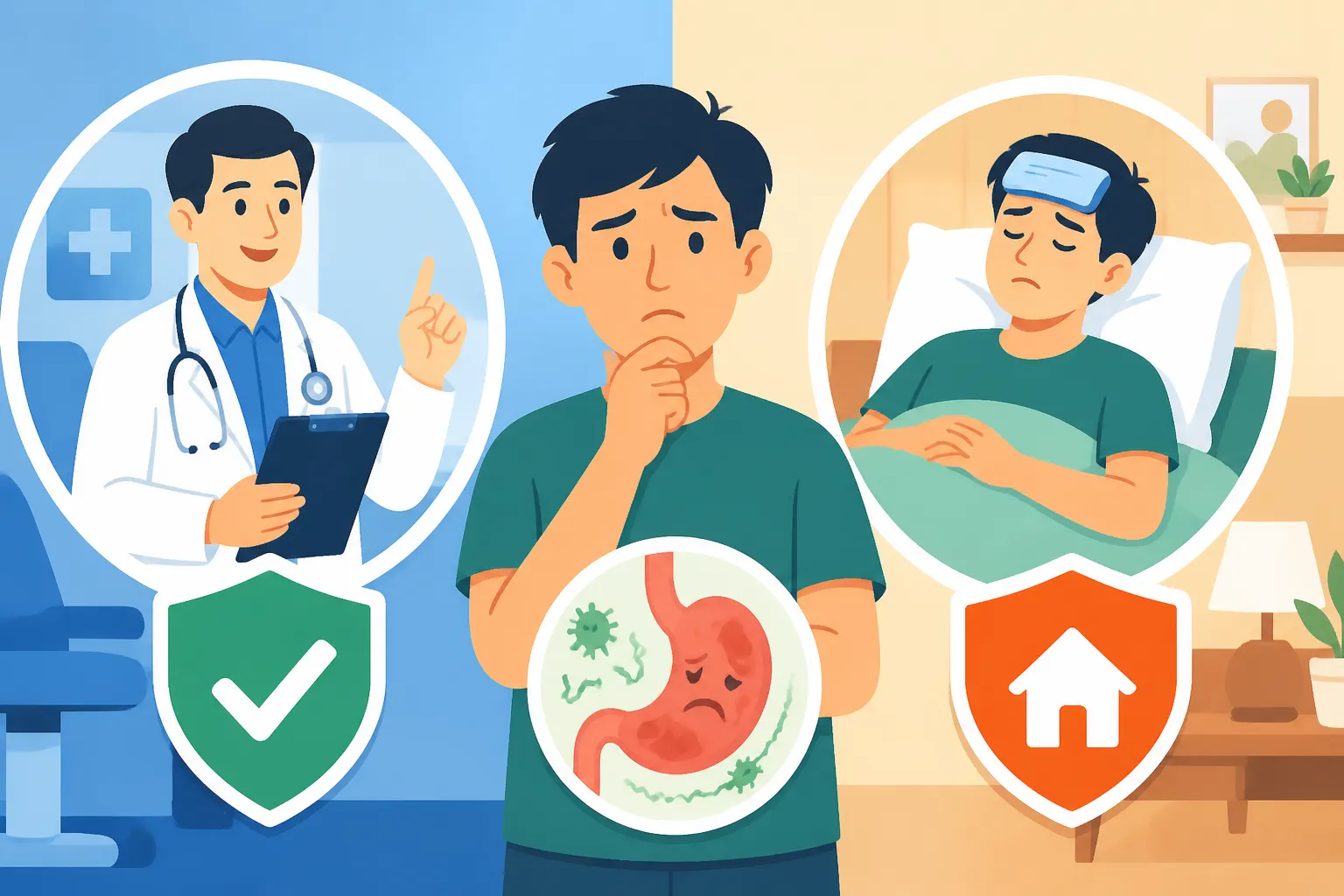
Food Poisoning in Singapore: When to See a Doctor vs Rest at Home
One moment you are happily tucking into a steaming bowl of laksa at a bustling hawker center, and the next, you are sprinting for the nearest restroom with a sense of impending doom. I remember my first month in Singapore, thinking my stomach was ironclad until a late-night satay run proved me very wrong. This guide breaks down exactly how to handle food poisoning in the Little Red Dot, from identifying the red flags that require a doctor to managing mild cases at home.
The Reality of Food Safety in Singapore
Singapore is world-renowned for its stringent food hygiene standards, but the tropical climate is a literal petri dish for bacteria. Even with the Singapore Food Agency (SFA) conducting regular inspections, the sheer volume of food handled in high-humidity environments means that occasional lapses are inevitable. As an expat, your digestive system might also be unaccustomed to certain local bacterial strains that residents handle with ease.
Decoding the SFA Hygiene Grades
Every food stall in a hawker center or coffee shop is required to display an SFA hygiene grade, ranging from A to D. While most of us aim for the "A" stalls, it is important to understand that these grades are a snapshot of cleanliness at the time of inspection. A "B" or "C" grade does not necessarily mean the food is toxic, but it does indicate areas for improvement in premises maintenance or food handling.
When you are new here, it is often wise to stick to stalls with high turnover. High turnover means the ingredients are fresh and haven't been sitting in the sweltering heat for hours. I’ve learned the hard way that the quietest stall in the corner might be quiet for a reason. If you do find yourself feeling ill after a meal, it helps to have Expat Health Insurance in Singapore: Public vs Private Coverage already sorted so you know where you can go without a second thought.
Why the Tropical Climate Accelerates Spoilage
The "Danger Zone" for bacterial growth is between 5°C and 60°C. In Singapore, the ambient temperature often sits right in the middle of this range. Bacteria like Salmonella, E. coli, and Campylobacter can double in number every 20 minutes in these conditions. This is why dishes involving coconut milk, seafood, or undercooked eggs are particularly high-risk if they aren't stored at the correct temperatures.
Home Management: The First 24 Hours
If your symptoms are limited to a few rounds of diarrhea or a single bout of vomiting, you are likely dealing with a mild case that can be managed within the four walls of your condo. The primary goal during this phase is preventing dehydration, which happens much faster in Singapore’s humidity than in cooler climates.
The Hydration Strategy
Water alone is often not enough because your body is losing essential salts and electrolytes. You should head to a local pharmacy like Guardian or Watsons and pick up oral rehydration salts (ORS) such as Hydralyte or Gastrolyte. If you cannot get to a pharmacy, a common local "hack" is drinking 100Plus, though you should ideally stir it to remove the carbonation, as gas can further irritate a sensitive stomach.
Avoid caffeine and alcohol at all costs during this period. Caffeine is a diuretic and will worsen dehydration, while alcohol irritates the stomach lining. Stick to the BRAT diet (Bananas, Rice, Applesauce, Toast) once you can keep liquids down. If you are unsure about what medications are safe to take, you can consult our guide on Pharmacies and Medication in Singapore: Prescriptions and OTC Rules for more localized advice on over-the-counter options.
Knowing Which Medications to Avoid
It is a common instinct to reach for "stop-flow" medications like Imodium (Loperamide) the moment diarrhea starts. However, many doctors in Singapore advise against this in the early stages. Diarrhea is your body's way of flushing out the pathogen. If you stop the movement too early, you might trap the bacteria or toxins inside your system, potentially prolonging the infection or leading to more serious complications.
If you are covered by a flexible plan like SafetyWing, you might even have access to remote consultations to ask a professional before self-medicating. Generally, unless you have to board a long-haul flight immediately, it is better to let nature take its course for the first 12 hours while focusing purely on hydration.
When Medical Intervention is Non-Negotiable
There is a fine line between a "bad stomach" and a clinical emergency. In Singapore, we have excellent medical facilities, so there is no reason to suffer in silence if your symptoms escalate. You need to be able to identify the specific "red flags" that indicate your body cannot fight the infection alone.
Identifying Clinical Red Flags
If you experience any of the following, stop the home remedies and seek professional help immediately:
- High fever (above 38.5°C) that does not respond to paracetamol.
- Blood or mucus in your stool, which could indicate a bacterial infection like Shigella or Amoebiasis.
- Inability to keep any liquids down for more than 12 hours.
- Signs of severe dehydration: dark yellow urine, extreme dizziness when standing up, or a dry mouth and throat.
- Severe abdominal cramping that feels localized rather than general.
For those with comprehensive coverage through providers like Cigna Global, you can often head straight to a private clinic or hospital without worrying about the upfront cost. If you are on a tighter budget, Finding Medical Care: Hospitals, Polyclinics, and GP Networks explains how to access the public system efficiently.
Choosing Between a GP, Polyclinic, or A&E
Where you go depends on the time of day and the severity of your symptoms. During office hours, a neighborhood General Practitioner (GP) is your best bet. They can administer an anti-emetic injection to stop vomiting and provide a Medical Certificate (MC) for work. If it is 3:00 AM and you are in agony, you will need to look for 24-Hour Clinics in Singapore: After-Hours Medical Care Guide.
Only head to the Accident & Emergency (A&E) ward if you are showing signs of systemic shock or severe dehydration that requires an IV drip. Public hospital A&E departments use a triage system, and "simple" food poisoning is often ranked as a lower priority, meaning you could be waiting for hours. Private hospitals like Mount Elizabeth or Gleneagles will see you faster, but the costs are significantly higher.
| Symptom Severity | Recommended Action | Typical Cost (Public/GP) |
|---|---|---|
| Mild diarrhea/nausea | Rest, Hydrate (ORS), BRAT diet | S$10 – S$20 (Pharmacy) |
| Persistent vomiting, fever | Visit a neighborhood GP | S$40 – S$80 (Consult + Meds) |
| Blood in stool, high fever | Visit a GP or Polyclinic for tests | S$60 – S$120 |
| Severe dehydration, fainting | A&E Department (Public or Private) | S$150 – S$500+ |
Navigating the Medical System for Gastro Issues
When you see a doctor for food poisoning in Singapore, the experience is usually quite efficient. The doctor will likely ask you what you ate in the last 24 to 48 hours. It is helpful to keep a mental note of any specific hawker stalls or restaurants you visited.
Tests and Diagnostics
In most cases, a doctor will diagnose food poisoning based on symptoms. However, if the case is severe, they may request a stool sample or a blood test to check for specific pathogens like Salmonella or to check your kidney function if dehydration is a concern. For expats, Healthcare Budgeting in Singapore: Managing Out-of-Pocket Costs is a great resource to understand how these diagnostic extras can add up.
If you are worried about the bill, remember that many international plans like Cigna Global or SafetyWing offer high limits for inpatient and outpatient care, which is vital if food poisoning leads to a hospital stay for IV rehydration. Always ask for a detailed receipt and a brief memo from the doctor if you plan to file a claim later.
The Importance of the Medical Certificate (MC)
In Singapore’s work culture, a Medical Certificate is essential. Even if you feel like you can "work from home" while hovering near the toilet, your employer will likely require an official MC to justify your absence. Most GPs will easily grant 1 to 2 days of rest for a confirmed case of gastroenteritis. If you are unsure of your rights, check Understanding Your Employer’s Medical Benefits Package Before Signing to see how sick leave is handled in your contract.
Reporting Food Safety Issues in Singapore
One thing I appreciate about living here is the collective responsibility for public health. If you are certain that a specific food establishment caused your illness, you should report it to the Singapore Food Agency (SFA). This isn't about being "petty"; it's about preventing a larger outbreak that could affect children or the elderly.
How to File a Report
You can report food safety lapses via the SFA’s online feedback form or through the OneService app. You will need to provide:
- The name and location of the establishment.
- The date and time of your meal.
- The specific dishes consumed.
- A copy of your medical report if you saw a doctor.
The SFA takes these reports seriously and will often send inspectors to the site to check for hygiene breaches. While this won't necessarily get you a refund for your meal, it contributes to the overall safety of the community. For those interested in the legal side of things, Managing Medical Disputes: Patient Rights and Filing Complaints covers how to handle more serious negligence cases.
Practical Tips for Avoiding the Singapore Stomach
While you can't live in a bubble, you can minimize your risks with a few simple habits. First, always wash your hands or use sanitizer before eating, especially after touching public transport handles or money. Second, be wary of "pre-cut" fruit at markets that has been sitting in meltwater.
Choosing Wisely at Hawker Centers
When eating at hawker centers, look for stalls with a "Grade A" rating and a long queue. A long queue indicates a high turnover of ingredients. Avoid stalls where the cooked food is left uncovered or where the vendor handles money and food with the same bare hands. If you have children, you might want to be even more cautious; our Family Health Guide: Maternity, Pediatrics, and Child Development offers more tips on keeping the little ones safe in the tropics.
Safe Water Habits
While tap water in Singapore is perfectly safe to drink, many expats find that the different mineral content or old pipes in certain older condos can cause mild stomach upset. If you have a sensitive stomach, consider using a water filter or boiling your water until you are fully acclimated. If you are traveling around the region, remember that Routine and Travel Vaccinations: Preparing for Regional Asia Travel is essential, as food safety standards in neighboring countries like Indonesia or Thailand are often much lower than in Singapore.
Managing the Recovery Phase
Once the worst is over, don't rush back into spicy laksa or oily char kway teow. Your gut lining needs time to heal. Start with plain congee (rice porridge), which is a local favorite for a reason—it’s incredibly gentle on the stomach.
Probiotics can also help restore the "good" bacteria killed off during the infection. You can find high-quality probiotics at any local pharmacy. If you find yourself frequently falling ill, it might be worth looking into Comprehensive Health Screenings: Annual Medical Packages Explained to ensure there isn't an underlying issue like a food intolerance or a chronic digestive condition.
Dealing with food poisoning as an expat is a rite of passage, but it doesn't have to be a nightmare. By staying hydrated, knowing when to see a doctor, and having the right insurance like SafetyWing or Cigna Global in your corner, you'll be back at the hawker centers in no time—perhaps just choosing the "Grade A" stall this time around.
Disclaimer
This guide is for informational purposes only and does not constitute professional medical advice. Always seek the advice of a qualified healthcare provider in Singapore with any questions regarding a medical condition or treatment. If you are experiencing a medical emergency, call 995 immediately.